I know it can feel stressful when you need to figure out “how long does delta 9 stay in your system”, especially if you have a test coming up.
You may feel fine after a few hours, but your body doesn’t clear things that fast. That’s why it helps to understand how delta-9 moves through your system and why it can show up long after the effects fade.
In this guide, I’ll walk you through how your body processes delta-9, how different tests work, and what can change your detection window.
My goal is to give you clear, simple information so you can understand your situation and feel more prepared.
What Delta-9 THC is and How It Stays in Your Body?
Delta-9 THC is the compound in cannabis that creates the familiar “high,” and it also appears in many hemp products sold today.
Once it enters your body, it moves through different paths based on how you take it. Smoking or vaping sends it into your bloodstream almost right away, while edibles and drinks pass through your stomach and liver first.
During this process, your liver changes THC into byproducts, including THC-COOH. This byproduct settles in body fat and leaves slowly.
Drug tests search for THC-COOH, not active THC, which is why tests can show past use long after the effects disappear.
Factors That Change How Long Delta-9 Stays in Your System
Several parts of your lifestyle and body chemistry can change how long THC byproducts remain in your system, so your timeline may look very different from someone else’s.
1. Frequency and Duration of Use
Using delta-9 once clears much faster than steady or daily use. Long-term use builds higher levels of THC-COOH in body fat, which slows the entire removal process.
The more often you use it, the longer your system holds on to these byproducts.
2. Dose, Potency, and Product Type
Strong gummies, vapes, and concentrates create more THC byproducts than low-dose items. Larger servings raise these levels even more.
Because of this buildup, higher-potency products often stay detectable longer, even if the effects fade in a few hours.
3. Body Fat, Metabolism, Age, and Overall Health
People with more body fat may hold THC-COOH longer because it binds to fat tissue. A slow metabolism or certain health issues can also delay clearance.
Younger adults may process compounds faster, but each person’s rate varies based on many internal factors.
4. Hydration, Activity, and Daily Habits
Normal hydration and steady daily routines help your body move through its usual breakdown process.
Light activity and balanced habits support general wellness, but they cannot quickly remove THC-COOH. Your body still needs time to release what has already been stored.
5. Test Cutoffs and Sensitivity Levels
- Some tests only flag high levels
- Some tests flag tiny levels
So a more sensitive test can catch THC for a longer time, while a less sensitive test might show a negative result sooner. That’s why two tests taken close together can show different outcomes — they aren’t using the same detection limits.
Detection Windows for Each Drug Test Type
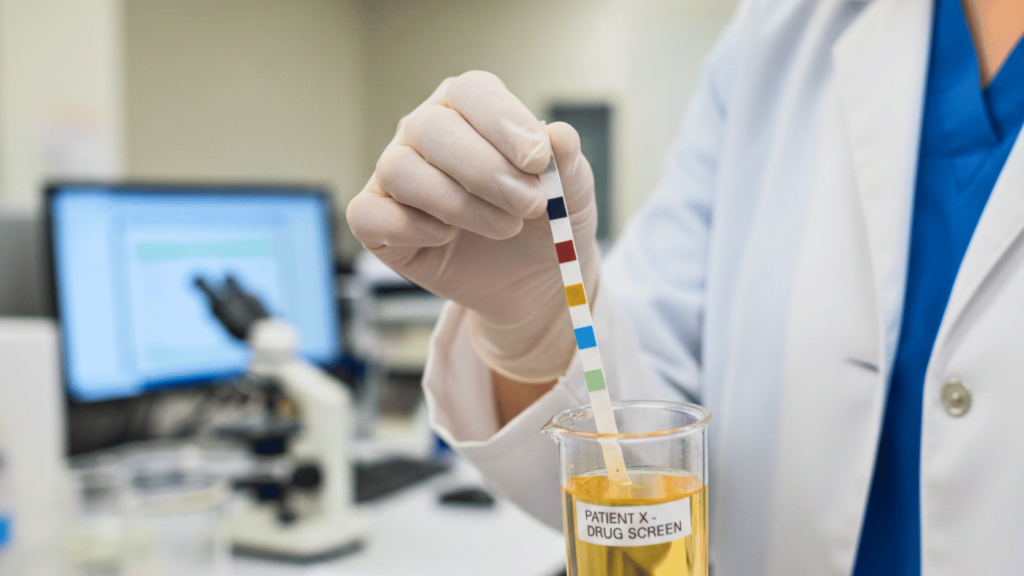
Each type of test checks for THC byproducts in a different way, so the look-back period varies based on how your body processes delta-9 and how sensitive the test is.
| Test Type | Typical Detection Window | Notes |
|---|---|---|
| Urine Test | A few days for one-time use; 1–2 weeks for weekly use; 30+ days for heavy daily use | The most common test for jobs and probation. Longer use leads to more stored byproducts. |
| Blood Test | A few hours to about 1–2 days | Often used to check recent use or possible impairment. |
| Saliva Test | About 24–72 hours | Common for roadside checks. The window can shift based on dose and product type. |
| Hair Test | Up to about 90 days | Longest look-back period. Used less often in most settings. |
These windows are general ranges, and your results can vary based on your use pattern and personal factors.
How Long Delta-9 Stays in Your System Based on Use Pattern
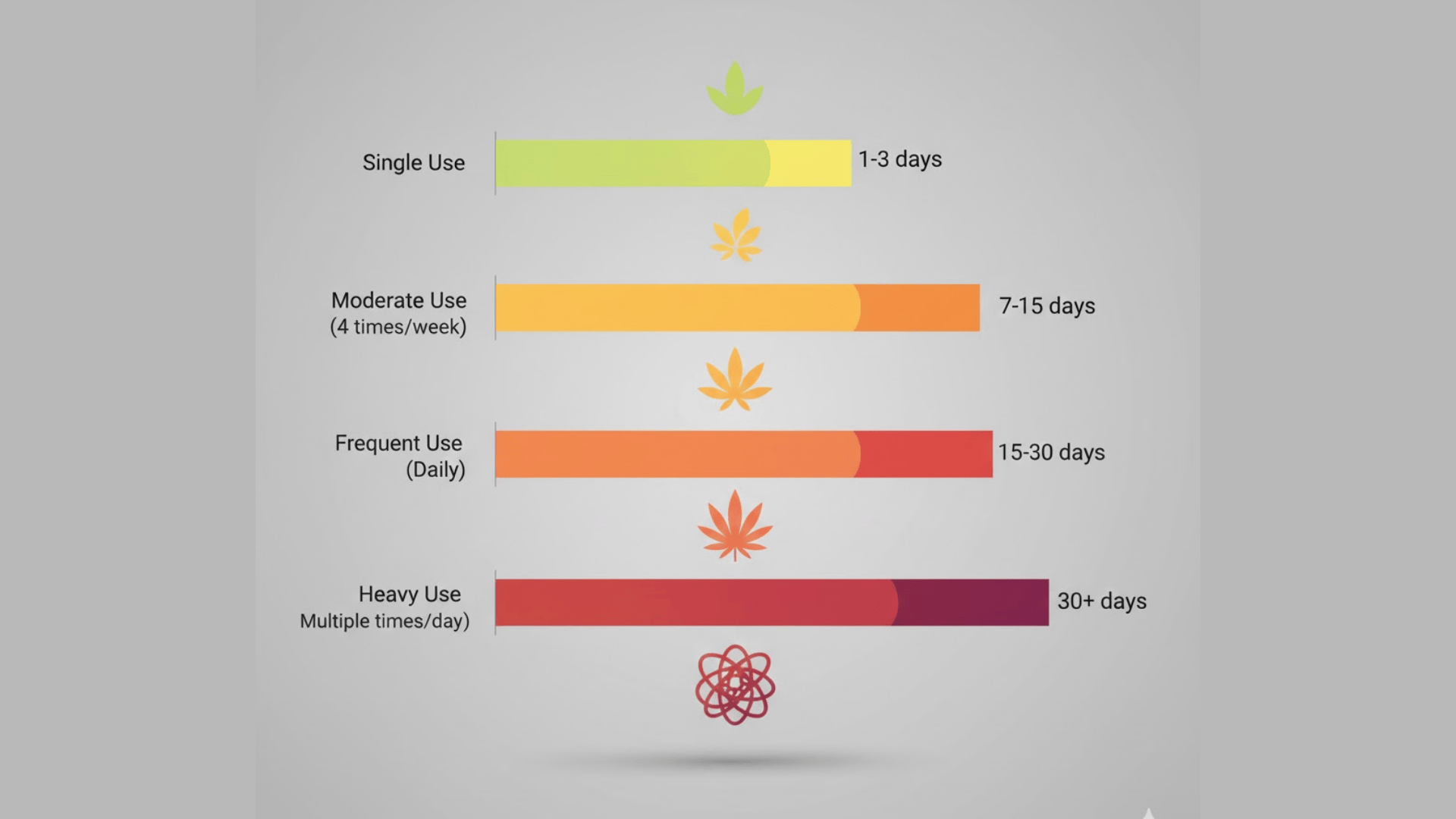
Your detection window depends heavily on how often you use delta-9. Different patterns of use lead to different levels of THC byproducts in the body, which changes how long tests can pick them up.
- One-time or experimental use: A single session may appear in urine for a few days, in saliva for up to three days, in blood for a short period, and in hair for about 90 days.
- Occasional use (a few times per month): Urine tests may detect THC for several days. Saliva and blood windows stay short, while hair tests continue to show long-term results.
- Regular use (weekly): Steady use leads to buildup. Urine tests may detect THC for one to three weeks, with saliva and blood showing shorter windows and hair remaining unchanged.
- Daily or heavy use: Frequent use can lead to urine detection for more than 30 days. Rare cases report detection up to 60–90 days, though this is not typical.
These timelines can shift based on your body, your habits, and the sensitivity of the test being used.
Delta-9 in Different Product Types and How They Affect Detection
Delta-9 enters your body in different ways depending on the product you use, and each method can slightly change how long THC byproducts stay in your system.
| Product Type | How It Works in Your Body | Impact on Detection |
|---|---|---|
| Smoking/Vaping | Fast effects; active THC drops quickly | Byproducts linger for similar lengths of time as other forms |
| Edibles/Drinks | Processed through your stomach and liver | May extend detection slightly due to 11-hydroxy-THC |
| Hemp-Derived Delta-9 | Low-dose but still true delta-9 | Can lead to positive tests with steady use |
| Full-Spectrum CBD | Contains small amounts of THC | Frequent use may allow THC-COOH to build up |
These differences matter because each product type affects how your system breaks down and stores THC over time.
Does Delta-9 Show Up on Standard Drug Tests?
Yes, delta-9 does show up on standard drug tests because most testing panels look for THC byproducts instead of separating one form of THC from another.
This means any product that contains delta-9 can trigger a positive result. These tests are commonly used during job hiring, workplace checks, probation programs, medical care, sports programs, and court processes.
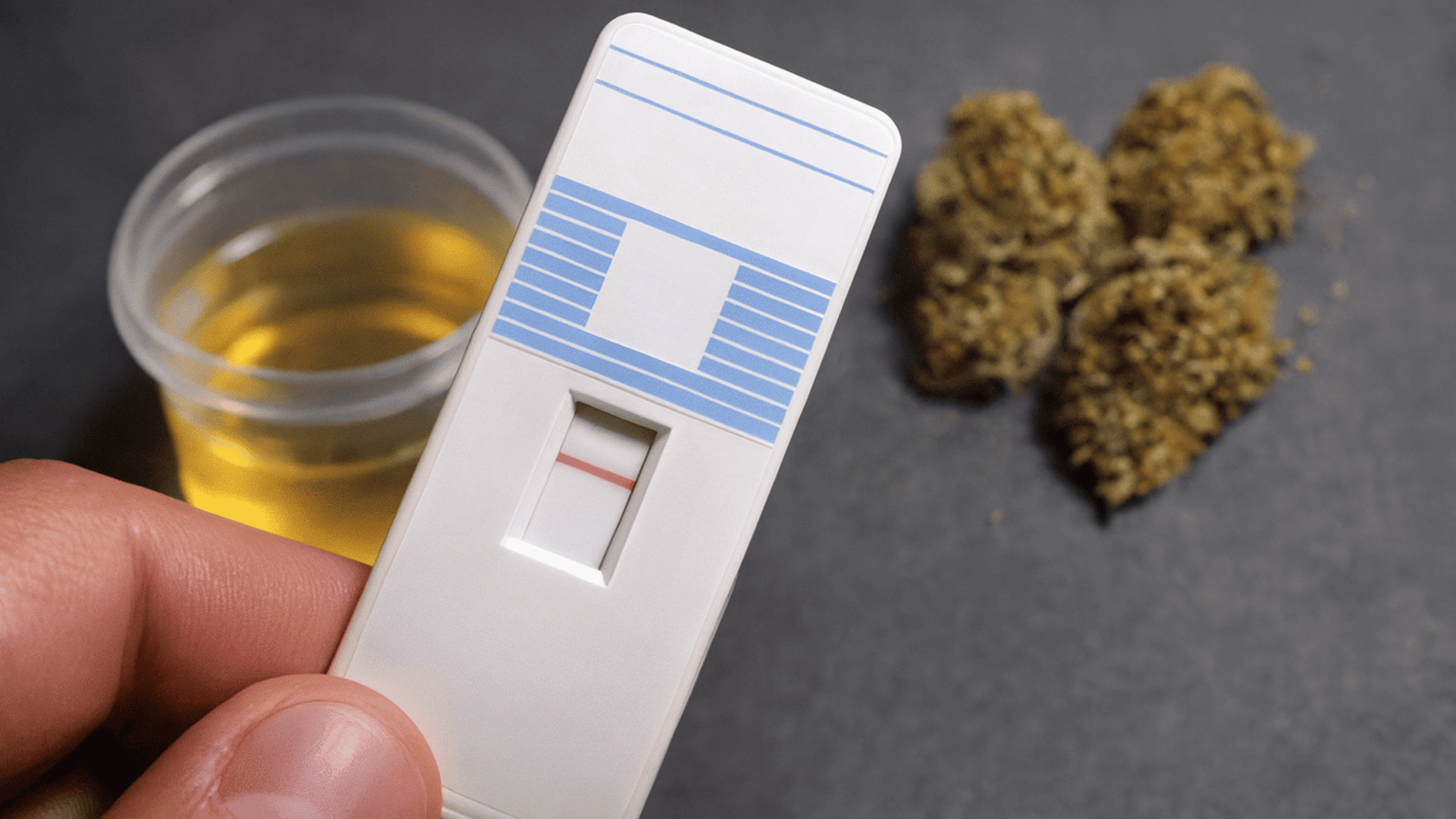
At-home kits can show quick results, but lab tests are more precise and confirm positive samples with stronger testing methods.
Can You Reduce How Long Delta-9 Stays in Your System?
There is no quick method to remove delta-9 from your system because your body clears THC-COOH slowly and at its own pace.
Hydration, light activity, and steady routines can support normal processing, but they do not remove stored byproducts fast.
Detox kits often rely on dilution or masking, so they cannot guarantee real clearing. Trying to dilute a sample or doing intense exercise before a test can also cause flags or unpredictable results.
In the end, time remains the only reliable factor that reduces THC-COOH levels.
What to Do If You Have an Upcoming Drug Test
When a test is scheduled, understanding your own use pattern and the testing details can help you prepare with more confidence.
- Estimate your situation: Think about how often you used delta-9, how much you took, and the time since your last use.
- Ask about the test: You may be able to confirm the test type and the exact arrival time.
- Check legal and medical needs: Some states have specific rules, and medical cannabis users may need proper documents.
Taking these steps helps you plan ahead and reduces uncertainty before testing day.
Wrap Up
I hope this guide helped you understand how long does delta 9 stay in your system and why the timing can shift from person to person. You learned how your body handles delta-9, how each test works, and what can change your results.
My aim was to give you clear facts so you can think through your own situation with less stress.
It can be hard to sort through this topic on your own, but having steady information can make things feel more manageable.
If you want more posts that break things down in a simple way, feel free to look through a few of the other guides I’ve put together.