Have you ever come across a medical term and paused, thinking what it really means to you? Dissociative anesthetics often spark that reaction.
I know the name alone can raise questions, especially when it shows up in health articles, medical forms, or safety conversations.
You might be asking why doctors rely on these drugs, what makes them different from other anesthetics, or why they’re sometimes linked to public health warnings.
If you’re looking for clear, straightforward information without heavy medical language, you’re in the right place.
I’ll walk you through this topic in a way that feels human, practical, and easy to follow, so you can understand it without feeling overwhelmed or talked down to.
What are Dissociative Anesthetics and How Do They Work?
These special medications help with pain and relaxation by blocking the connection between your mind and body sensations.
Unlike regular anesthesia that puts you completely to sleep, these medications create a dreamlike state where you feel disconnected from your surroundings.
They work by interrupting the communication pathways in your brain that process pain signals and awareness. This creates a feeling of being separated from your body while also providing pain relief and memory loss of the procedure.
Many patients describe it like watching themselves from the outside, staying partly aware but not feeling any pain during medical treatments. The effect allows doctors to perform procedures while keeping patients calm and comfortable.
Classification of Dissociative Anesthetics
They work by altering communication between certain brain pathways, leading to dissociation and changes in perception. The following are the two main categories:
Common Medical Dissociative Anesthetics

These are FDA-approved medications used safely in hospitals and clinics for anesthesia and pain management. These include:
1. Ketamine
It is the most widely used dissociative anesthetic in medical settings. Doctors use it for surgical procedures, emergency pain relief, and sedation in both adults and children.
It works quickly and wears off fast, making it ideal for short procedures. Recently, ketamine has gained attention for treating severe depression and chronic pain conditions when other treatments haven’t worked.
It’s considered safe when administered by trained medical professionals in controlled environments.
2. Esketamine
It is a newer, purified form of ketamine approved specifically for treatment-resistant depression. It’s administered as a nasal spray in doctor’s offices under medical supervision.
This medication offers hope for people who haven’t responded to traditional antidepressants. Patients typically use it alongside oral antidepressants for better results.
The treatment requires monitoring for at least two hours after each dose to ensure safety and watch for side effects.
3. Phencyclidine
It was originally developed in the 1950s and was once used as a surgical anesthetic in humans. However, doctors stopped using it medically due to severe side effects like hallucinations, confusion, and agitation after patients woke up.
It caused too many unpredictable psychological reactions. Today, it has no approved medical use and is only recognized for its historical role in anesthesia development and occasional veterinary applications.
Non-Medical / Illicit Dissociatives
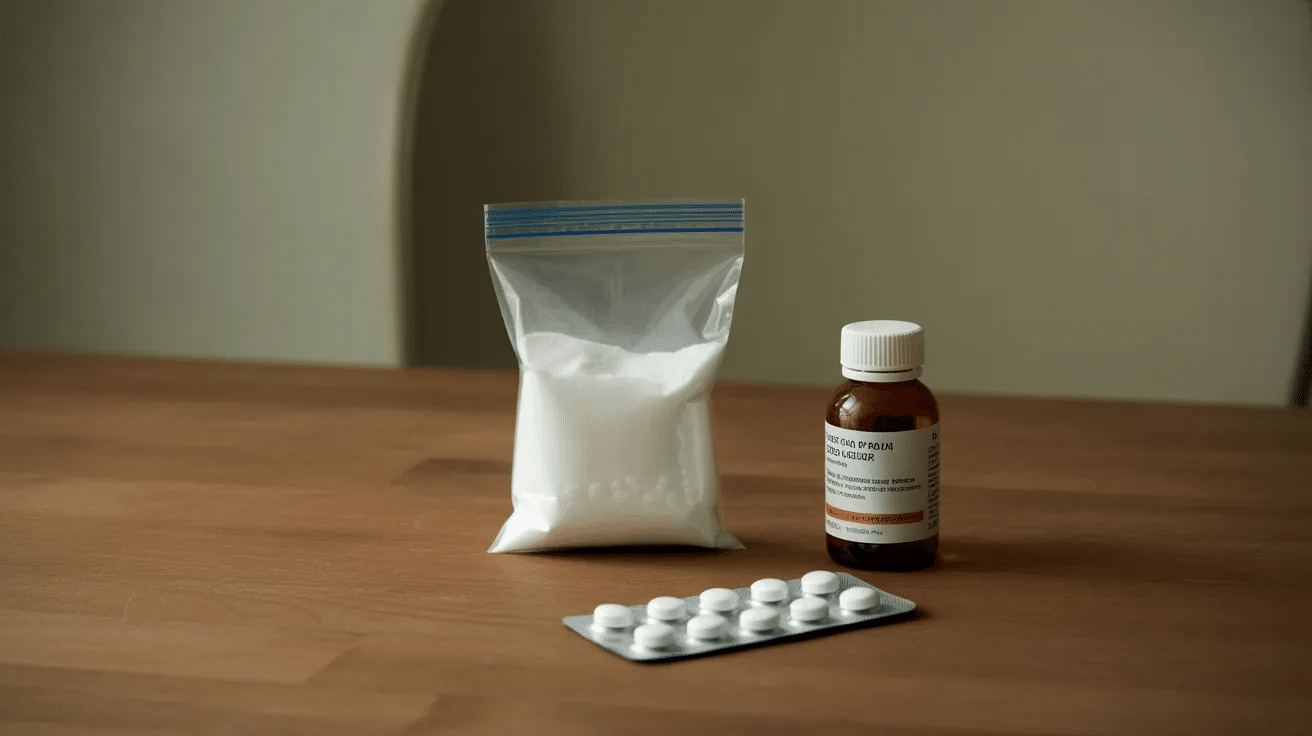
These substances aren’t approved for medical use and pose significant dangers when people use them recreationally or without supervision. These include:
4. PCP
It is also known as angel dust, an illegal drug with no current medical applications. Originally developed as an anesthetic, it was discontinued due to dangerous side effects.
People who misuse PCP experience severe distortions in reality, unpredictable violent behavior, and long-lasting psychological problems.
The drug can cause seizures, coma, and death at high doses. Even small amounts can lead to paranoia, aggression, and self-harm. PCP remains highly dangerous and addictive.
5. DXM (When Misused)
DXM, or dextromethorphan, is a legal cough suppressant found in over-the-counter cold medicines. When taken at recommended doses, it safely treats coughs.
However, some people misuse it by taking extremely high doses to experience dissociative effects. This abuse can cause confusion, rapid heart rate, high blood pressure, and breathing problems.
Large amounts may lead to seizures, brain damage, or death. Misusing DXM is particularly dangerous when combined with other medications or alcohol.
Dissociative Anesthetics: Short-Term vs. Long-Term Effects
Dissociative anesthetics can cause immediate psychological changes as well as serious long-term health risks. The table below compares both side by side for clarity.
| Short-Term Effects | Long-Term Effects |
|---|---|
| Euphoria: Intense feelings of happiness or being “high.” | Cognitive Impairment: Ongoing difficulty with focus, thinking clearly, and decision-making. |
| Hallucinations: Seeing or hearing things that are not real. | Memory Problems: Trouble forming new memories or recalling important information. |
| Detachment from the Body: Feeling disconnected or like you’re floating. | Psychological Dependence: Strong mental craving that makes it hard to function without the drug. |
| Changes in Heart Rate & Blood Pressure: Fluctuations in cardiovascular function. | Bladder Damage (Ketamine Misuse): Chronic use can damage bladder tissue, causing pain and urinary issues. |
While the short-term effects may seem temporary, repeated use can increase the risk of lasting health problems that affect both mental and physical well-being.
Signs of Misuse or Dependence
Recognizing the warning signs of misuse early can help you or someone you care about get the necessary support. Here are the key indicators to watch for:
- Increased usage patterns: You find yourself taking larger doses more frequently than prescribed, or using the drug when you don’t actually need it for medical reasons.
- Failed attempts to quit: You’ve tried to cut back or stop using, but find yourself going back to the drug despite wanting to quit or knowing it’s causing problems.
- Neglecting responsibilities: Your work performance suffers, you miss important appointments, or you stop caring for your family and personal obligations because of drug use.
- Physical withdrawal symptoms: When you try to stop, you experience sweating, shaking, nausea, anxiety, depression, or strong cravings that make you feel like you need the drug.
- Social and relationship problems: Friends and family express concern about your behavior, you isolate yourself from loved ones, or you prioritize drug use over meaningful relationships.
If you notice any of these signs in yourself or someone close to you, reaching out to a healthcare provider can make all the difference in recovery.
Legal Status and Regulation
The legal status of dissociative anesthetics varies depending on the specific drug and location.
In the United States, drug scheduling is determined under the Controlled Substances Act (CSA) and regulated by the Drug Enforcement Administration (DEA).
According to the DEA, ketamine is classified as a Schedule III controlled substance, meaning it has accepted medical use but carries a moderate risk of abuse and dependence.
PCP is classified as a Schedule II controlled substance due to its high potential for abuse and severe psychological effects.
Non-medical possession or distribution of these substances without proper authorization can result in serious legal consequences, including fines and imprisonment.
Resources for Dissociative Anesthetics
If you want to double-check what you’ve read or go deeper, these trusted medical sources are a good place to start.
- NIDA: National Institute on Drug Abuse provides clear drug fact sheets explaining effects and risks in simple, accessible language.
- SAMHSA: Substance Abuse and Mental Health Services Administration provides treatment information and a confidential helpline if substance use is a concern.
- FDA: Food and Drug Administration Official safety updates, medication guides, and drug approval information.
Reviewing information from reliable medical sources can help you make informed decisions and better understand the risks and safety considerations associated with these substances.
FinalThoughts
I hope this helped you better understand what dissociative anesthetics are and why they matter. Some of these drugs are used safely in hospitals, but they can be very dangerous when misused.
When you know the facts, it becomes easier to spot risky situations and avoid confusion. Staying informed helps you protect your health and look out for others.
Have you heard about these drugs before or had questions about them? Share your thoughts in the comments below. Your experience or question might help someone else learn, too.