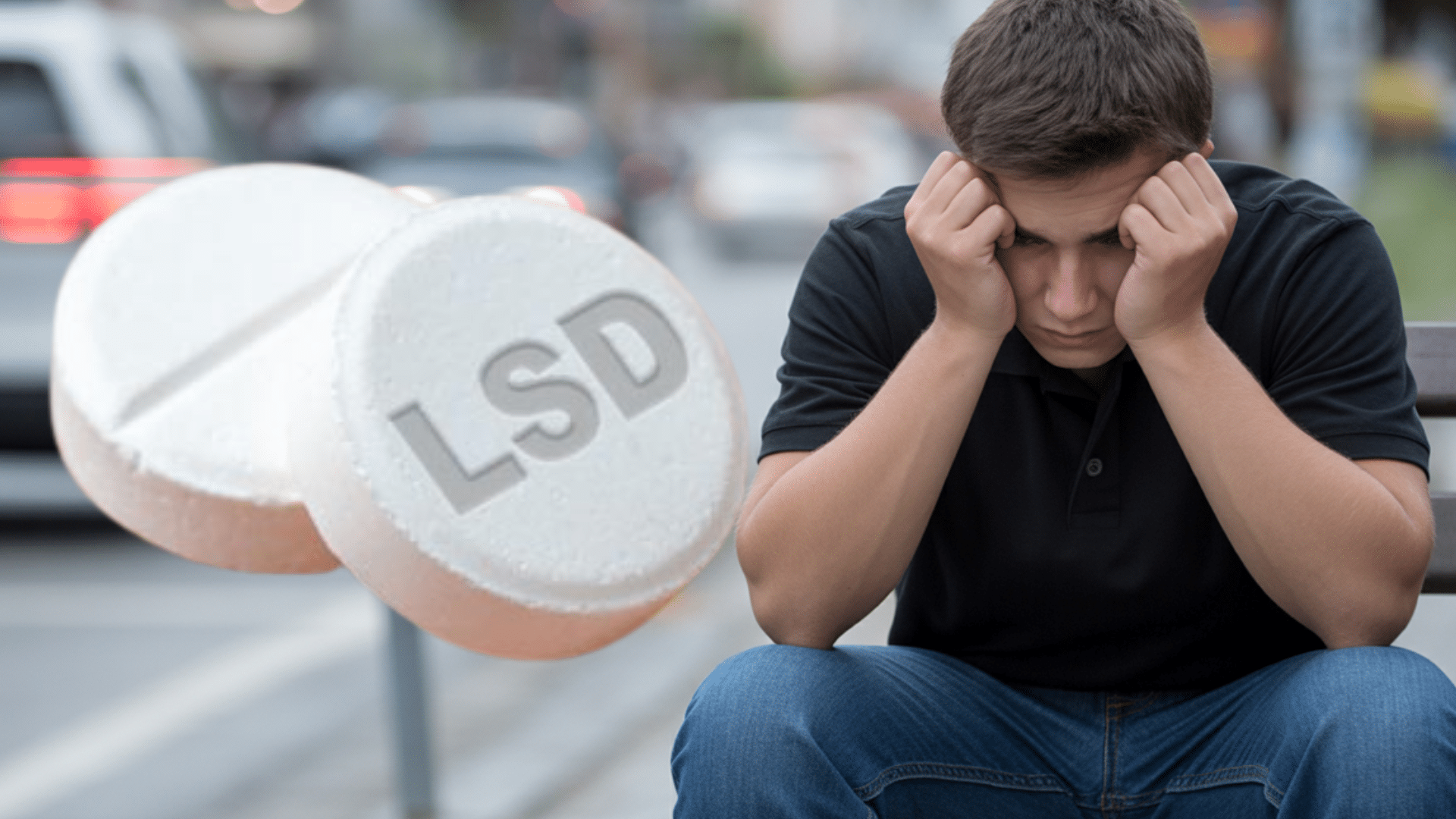
I have seen many people feel unsure after hearing mixed claims about drug safety online. If you have ever wondered can you overdose on LSD, that confusion makes sense.
Some sources say it is harmless, while others focus only on extreme stories. Knowing the facts matters because misunderstanding risk can lead to unsafe choices in real situations.
Clear information helps you recognize danger, know when help is needed, and avoid common mistakes. This post breaks down what overdose really means, how LSD affects the body and mind, and what signs should never be ignored.
By the end, you will have a clearer picture of whether you can overdose on LSD and what that knowledge means in everyday life.
Can You Overdose on LSD?
Yes, overdose on LSD is possible, but death from LSD alone is extremely uncommon. LSD has low direct toxicity compared to many other drugs, which is why fatal outcomes are rare.
Still, taking very large amounts can overwhelm the body and mind, leading to serious medical emergencies.
Most severe harm linked to LSD does not come from the drug shutting down vital organs the way opioids or alcohol can. Instead, problems often happen when extremely high doses cause intense confusion, panic, or loss of judgment.
In these states, unsafe actions such as wandering into traffic, falling from heights, or failing to recognize danger become more likely.
Risk also increases when LSD is taken with other substances. Alcohol, stimulants, antidepressants, and unknown drugs sold as LSD can raise the chance of dangerous reactions.
Mental health conditions such as anxiety, bipolar disorder, or a history of psychosis can further increase risk, even at lower doses. While overdose is rare, the harm can still be serious and unpredictable.
What Does “Overdose” Actually Mean?
An overdose means taking enough of a substance to cause harmful effects that put health or life at risk. This usually involves physical danger to the body, not just strong or uncomfortable feelings. With LSD, this definition often causes confusion.
Toxic physical effects include problems such as seizures, very high body temperature, irregular heartbeat, or loss of consciousness. These signs point to the body being under serious stress and may require urgent medical care.
Psychological distress is different. Fear, panic, paranoia, or frightening hallucinations can feel overwhelming, but do not always involve physical toxicity. These reactions are often called a bad trip, not an overdose.
Risky behavior is another category. LSD can change perception and judgment, leading to unsafe actions that cause injury. LSD overdoses are often misunderstood because these three outcomes are frequently grouped together under the same term.
LSD Dosage Basics: Typical Use vs Dangerous Amounts
LSD doses are measured in micrograms, which are very small units. This makes strength hard to judge and increases risk, especially when the source and purity are unknown.
| Dose Range | General Description | Risk Level |
|---|---|---|
| 50–100 mcg | The lower range is often reported | Lower risk, still unpredictable |
| 100–200 mcg | Common reported range | Increased mental and physical stress |
| 200–500 mcg | Very strong effects | High risk of panic and loss of control |
| 1,000+ mcg | Extremely high amount | Risk of overdose and medical emergency |
LSD is hard to dose because blotter paper absorbs liquid unevenly. “Tabs” vary widely in strength, and contamination or mislabeling can turn a small amount into a dangerous one without warning.
Signs of an LSD Overdose

LSD overdose symptoms affect both the mind and body. These signs go beyond discomfort and can signal serious danger that needs medical attention.
Psychological Warning Signs
These symptoms show severe mental strain that can impair judgment and increase the risk of self-harm or accidental injury.
- Intense fear or panic that does not ease
- Paranoia or extreme mistrust
- Loss of contact with reality
- Confused or disorganized thinking
- Thoughts of self-harm or harming others
Physical Warning Signs
These symptoms suggest the body is under stress and may be struggling to regulate vital functions safely.
- Very high body temperature
- Seizures or uncontrolled shaking
- Ongoing vomiting
- Irregular or rapid heartbeat
- Trouble breathing
- Fainting or loss of consciousness
LSD Overdose vs. a Bad Trip: Not the Same Thing
People often confuse an overdose with a bad trip because both can feel intense. They are different situations with different risks and outcomes.
| Aspect | LSD Overdose | Bad Trip |
|---|---|---|
| Main cause | Very high dose or physical stress | Distressing mental reaction |
| Physical danger | Yes, body functions may be affected | Usually no direct physical toxicity |
| Medical care | Often needed | Not always needed |
| Duration | May last longer and worsen | Ends as drug effects fade |
Understanding this difference helps identify when fear alone is present versus when physical danger requires immediate medical attention and outside help.
Can LSD Kill You: What the Evidence Actually Shows
Scientific literature shows that deaths caused only by LSD toxicity are extremely rare.
A landmark review, “Lysergic Acid Diethylamide (LSD): Pharmacology and Toxicology,” published in CNS Neuroscience & Therapeutics (Nichols, 2016), reports that LSD has exceptionally low physiological toxicity and no confirmed lethal dose in humans.
A comprehensive analysis titled “Deaths Related to the Use of LSD and Other Hallucinogens,” published in Forensic Science International, examined reported fatalities and found most involved trauma, hyperthermia, dehydration, or restraint-related asphyxiation rather than direct drug toxicity.
Further case reviews in “Hallucinogen Toxicity and Behavioral Risk” (Journal of Medical Toxicology) describe deaths linked to substances misidentified as LSD, including NBOMe compounds. These findings show that risk arises from secondary factors, not direct organ failure caused by LSD itself.
Factors That Increase the Risk of Harm or Overdose

Several factors can raise the chance of serious harm from LSD. These risks often relate to dose size, substance interactions, personal health, and surroundings rather than the drug alone.
- Very high or repeated dosing: Taking large amounts of LSD or using it repeatedly within a short time can increase mental strain and raise the chance of dangerous physical reactions.
- Mixing LSD with alcohol: Alcohol can worsen confusion, impair coordination, and increase risky behavior, making accidents and injuries more likely.
- Mixing LSD with antidepressants: Medications such as SSRIs or MAOIs affect serotonin levels. When combined with LSD, they can raise the risk of serotonin syndrome or unpredictable mental effects.
- Mixing LSD with stimulants or opioids: Stimulants may increase heart stress and overheating, while opioids can mask warning signs, delaying needed medical care.
- Unknown source or potency: LSD from unverified sources may vary widely in strength or contain other substances with higher toxicity.
- Pre-existing mental health conditions: A history of anxiety, bipolar disorder, or psychosis increases the risk of severe mental reactions, even at lower doses.
- Unsafe environments: Crowded areas, traffic, heights, or extreme temperatures increase injury risk when judgment and perception are impaired.
When to Get Emergency Help
Emergency help is needed when LSD use leads to signs that place the body or mind in immediate danger.
Call emergency services if someone has trouble breathing, seizures, very high body temperature, or loses consciousness. Continuous vomiting, chest pain, or an irregular heartbeat also require urgent care.
Severe mental symptoms matter too. Call for help if a person becomes violent, cannot recognize reality, or shows thoughts of self-harm or harming others. These situations can escalate quickly without support.
While waiting for help, stay with the person and keep them in a calm, quiet space. If vomiting occurs, place them on their side to reduce choking risk. Avoid physical restraint unless safety is at risk. Quick action can prevent serious injury or death.
Is LSD Addictive or Habit-Forming?
LSD is not considered physically addictive. It does not cause withdrawal symptoms or physical dependence in the way substances such as opioids or alcohol do. Most people do not feel a physical need to keep using it.
Tolerance to LSD develops quickly. After use, the body becomes less responsive to the drug for several days, which reduces its effects if taken again too soon. This often limits frequent use but can also lead some people to take higher amounts in an attempt to feel the same effects.
Psychological misuse can still occur. Some people may rely on LSD for mood changes or escape, even without physical dependence. Repeated high dosing increases mental strain and raises the risk of panic, confusion, and long-term psychological harm.
Common Myths About LSD Overdose
Many beliefs about LSD overdose come from confusion between medical facts, personal stories, and media reports. These misunderstandings can blur real risks and delay proper response when harm occurs.
- Myth: “You can’t overdose on LSD.”
Fact: Overdose is possible. Very high doses can trigger dangerous physical reactions, even though death from LSD alone is rare. - Myth: “A bad trip means overdosing.”
Fact: A bad trip refers to intense psychological distress. An overdose involves serious physical danger, such as seizures, extreme overheating, or severe medical complications. - Myth: “Microdosing is completely safe.”
Fact: Even small doses carry risks, especially when the drug’s strength is unknown or if the person has underlying mental health conditions. - Myth: “LSD always causes brain damage.”
Fact: Current research has not shown consistent evidence of permanent brain damage from LSD use alone, though psychological risks can still occur.
Understanding the difference between myths and medical facts helps people respond appropriately and reduce potential harm.
Treatment and Support Options After LSD-Related Harm
Recovery after LSD-related harm may involve both emergency medical care and longer-term psychological support.
The type of care needed depends on symptom severity, mental health history, and whether substance use patterns require structured intervention.
| Care Approach | What It Involves | Why It Helps |
|---|---|---|
| Emergency Medical Treatment | Cooling measures, IV fluids, heart rate monitoring, and seizure management in urgent situations. | Stabilizes the body and reduces the risk of serious complications during acute reactions. |
| Mental Health Counseling | Professional counseling or psychiatric care for anxiety, panic, or lingering perception changes. | Helps manage emotional distress and supports psychological recovery. |
| Behavioral Therapy (e.g., Cognitive Behavioral Therapy) | Structured therapy focused on identifying harmful thought patterns and building coping skills. | Reduces distress, improves coping strategies, and addresses substance-related behaviors. |
| Integrated Dual-Diagnosis Care (If Needed) | Coordinated treatment that addresses both substance use and co-occurring mental health conditions. | Improves long-term stability and lowers the risk of relapse. |
Ongoing symptoms, repeated use, or difficulty functioning in daily life may signal the need for professional medical or mental health evaluation. This information is for educational purposes only and is not a substitute for medical advice, diagnosis, or treatment.
Summing Up
I covered what overdose actually means, how LSD differs from other drugs, and why serious harm usually involves more than the substance alone.
You learned how dose size, mixing substances, mental health history, and surroundings all shape risk. I also explained warning signs that require urgent help and cleared up common myths that often confuse people.
The key takeaway is simple: rare does not mean impossible, and awareness can prevent real harm. Use this information to stay alert, make safer choices, and recognize danger early.
If this post helped clarify, can you overdose on LSD? Take a moment to check out other related blogs for more grounded, practical guidance.