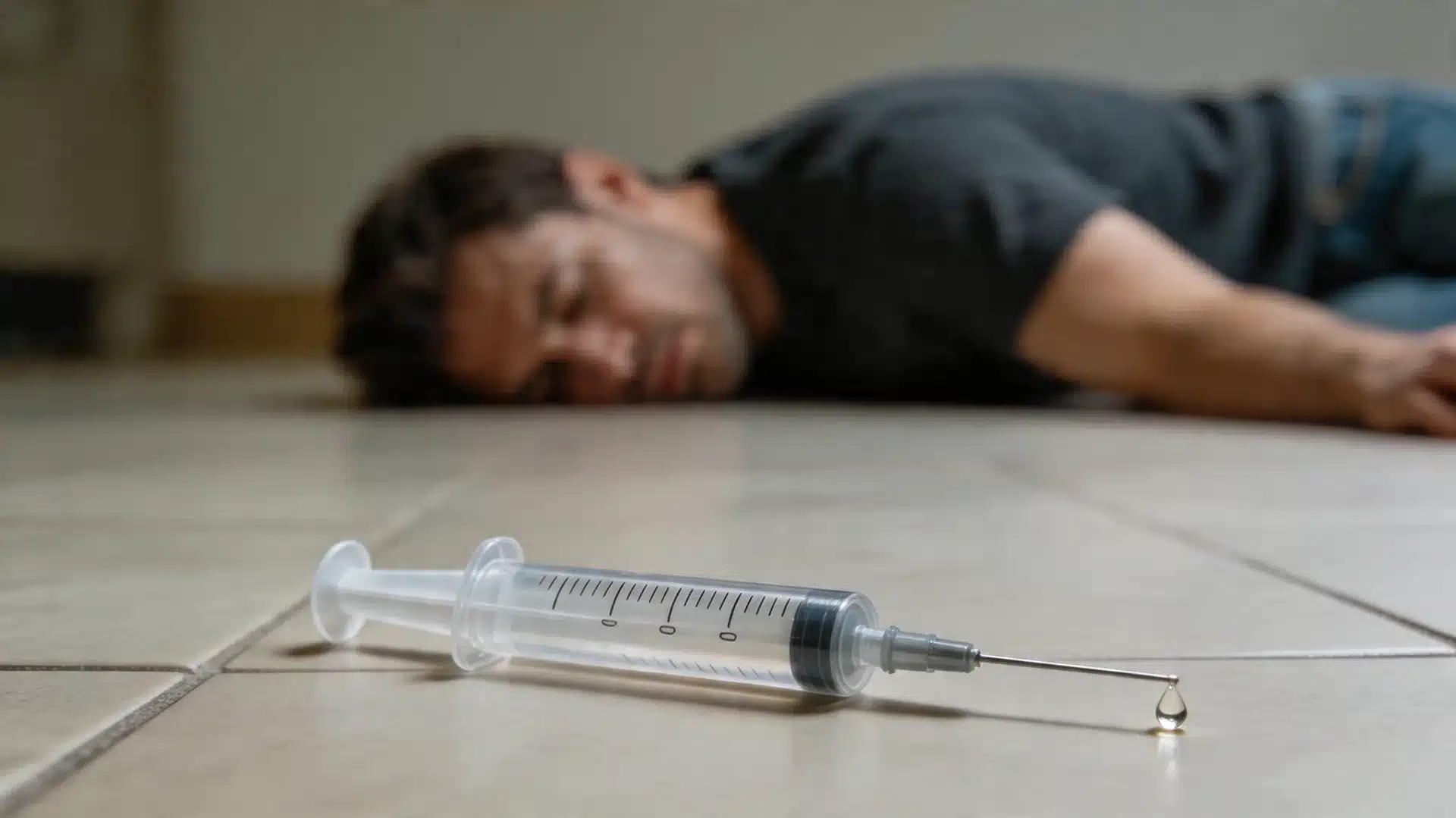
The question “can you die from ketamine” comes up more often than most people expect, and not just in clinical settings. With ketamine now appearing in therapy clinics, hospital emergency rooms, and headlines tied to high-profile deaths, the conversation has shifted from niche to necessary.
What was once considered one of the safer anesthetics carries a more complicated story when used outside controlled conditions. This piece gives you a medically grounded answer, without scare tactics or dismissiveness.
What follows is drawn from clinical data, toxicology reports, and a close reading of how ketamine actually affects the body when things go wrong.
Can Ketamine Kill You? Understanding the Risk Landscape
Before anything else, context matters here. Ketamine was developed in the 1960s as a dissociative anesthetic, valued in surgical settings for its relative cardiovascular stability compared to other agents.
That reputation for safety, however, was built around clinical doses administered under medical supervision. The risk profile changes substantially when the drug is used recreationally, in higher quantities, or alongside other substances.
According to CDC SUDORS data, ketamine alone was the only drug detected in just 24 overdose deaths over a four-year period spanning July 2019 to June 2023. That is a low number, but it is not zero, and the surrounding circumstances matter more than the drug in isolation.
Polysubstance use, pre-existing conditions, and environmental factors account for the vast majority of ketamine-related fatalities.
How Ketamine Affects the Body at High Doses

Ketamine works by blocking NMDA receptors in the brain, disrupting neuron signaling. At therapeutic doses, it produces analgesia. At higher doses, it starts suppressing systems the body cannot afford to lose.
1. Respiratory Depression
High doses can slow breathing to dangerous levels or trigger apnea, a complete halt in respiration. The threshold is not fixed; body weight, tolerance, ingestion method, and co-ingested substances all significantly shift it.
When oxygen delivery to the brain drops, the window for intervention is narrow. Without it, respiratory failure becomes fatal faster than most people expect.
2. Cardiovascular Stress
Ketamine is a sympathomimetic, meaning it raises heart rate and blood pressure by stimulating the sympathetic nervous system. For someone with undiagnosed coronary artery disease, hypertension, or a structural heart condition, that spike can trigger a heart attack or cardiac arrest.
Matthew Perry’s case made this visible; his death listed acute ketamine effects as primary, with coronary artery disease as a contributing factor.
3. Aspiration Risk
Ketamine causes both sedation and vomiting, a combination that creates a specific, underappreciated danger. A person who loses consciousness mid-vomit may inhale the material directly into their lungs.
The resulting aspiration pneumonia can develop rapidly and prove fatal, even in cases where the ketamine dose itself would not have been considered lethal on its own.
These three mechanisms do not operate in isolation. In practice, they often compound each other, narrowing the margin between a dangerous dose and a fatal one.
The “K-Hole” and Environmental Dangers
At high recreational doses, ketamine produces a state of profound dissociation, a “K-hole”, where a person loses awareness of their body, surroundings, and ability to respond to threats.
- Drowning: A person in a K-hole cannot register submersion, orient themselves, or take corrective action. Bathtubs, pools, and even shallow water become life-threatening, a factor in several high-profile deaths, including Matthew Perry’s.
- Falls and trauma: Coordination is severely impaired, and depth perception is distorted. A person may walk into traffic, fall from a height, or collapse in a location that makes a timely rescue difficult.
- Hypothermia: When someone loses consciousness outdoors or in a cold space, the body’s thermoregulatory responses are blunted. They cannot shiver, seek warmth, or signal for help.
These are not rare outcomes. They account for a meaningful share of ketamine-related deaths precisely because the drug’s dissociative properties strip away the basic self-protective instincts that would otherwise keep a person safe. Environmental risk is inseparable from pharmacological risk here.
Polysubstance Use: Where the Real Danger Concentrates
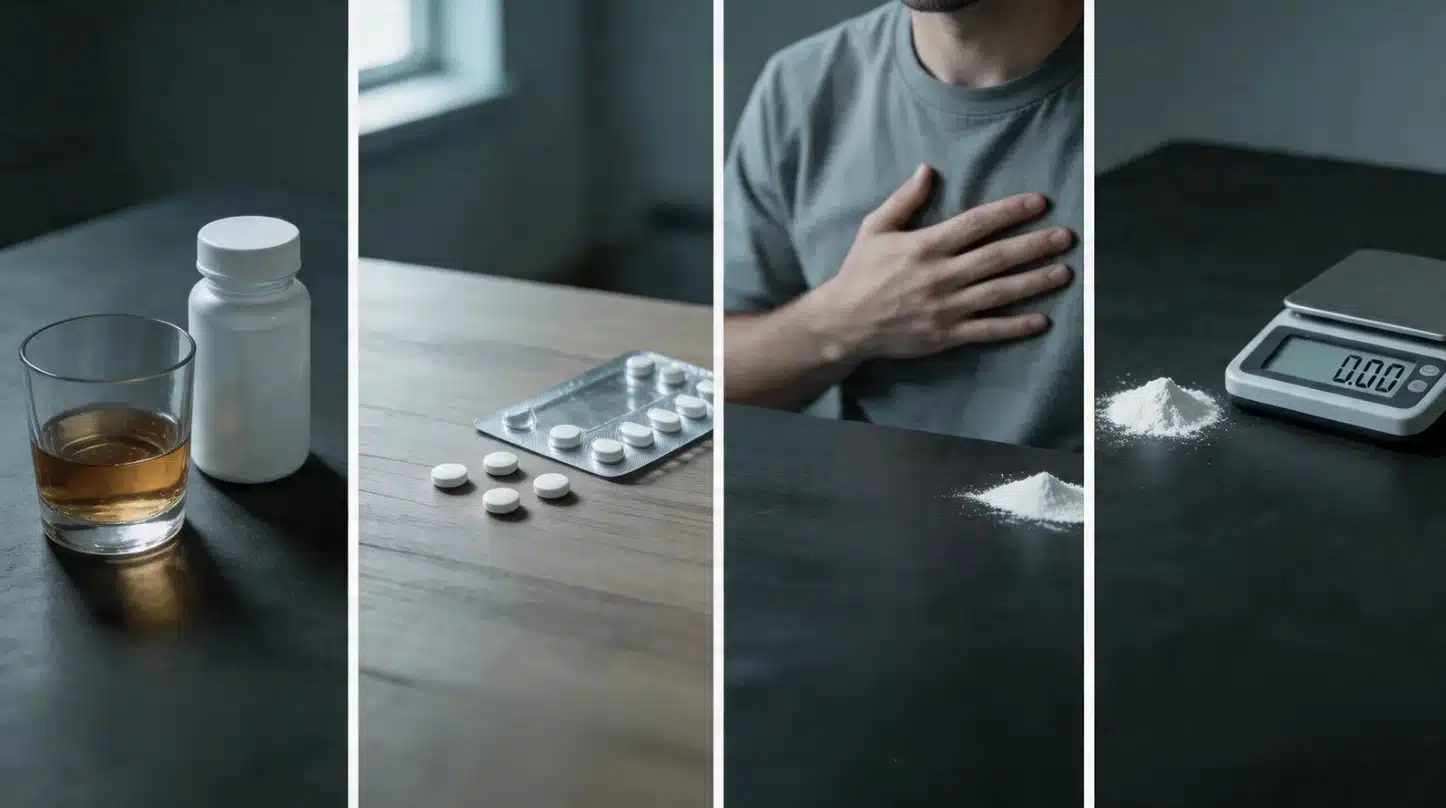
Statistically, this is where most of the risk lives. The CDC data is direct: over 80% of ketamine-involved overdose deaths also involve other substances, a figure consistent across both federal surveillance data and peer-reviewed systematic reviews.
1. Alcohol and Opioids
Both are central nervous system depressants. When layered with ketamine, the combined effect on respiration is not simply additive; it exceeds what any single substance would produce alone. A ketamine dose that is survivable in isolation can become fatal alongside alcohol or an opioid. The respiratory system has no buffer left to compensate.
2. Benzodiazepines
Benzodiazepines follow the same logic as opioids, but are often overlooked because they feel less dramatic. They are regularly used in the same recreational settings as ketamine and compound both the sedative and respiratory effects in equally dangerous ways.
The combination does not need to involve large quantities of either substance to become life-threatening.
3. Stimulants
Combining ketamine with cocaine or MDMA places contradictory stress on the heart. The stimulant drives heart rate and blood pressure upward while ketamine’s dissociative state masks the warning signals the body would normally send.
A person can reach dangerous levels of cardiovascular strain without registering that anything is wrong until collapse occurs.
4. Fentanyl Contamination
Fentanyl contamination is a newer and increasingly reported risk. Illicit ketamine, particularly powder sourced outside clinical or pharmacy supply chains, may be adulterated with fentanyl, a pattern documented in federal postmortem toxicology data, where illegally manufactured fentanyls appeared in 58.7% of ketamine-detected overdose deaths.
The margin for error with fentanyl is measured in micrograms. A person who believes they are taking a recreational dose of ketamine may unknowingly be taking a lethal opioid dose.
Across all four categories, the common thread is the same: ketamine’s dissociative properties prevent a person from recognizing when their body is in serious distress, removing the last line of defense that might otherwise prompt them to seek help.
Who Carries the Highest Medical Risk
Ketamine’s effect on the body is not uniform. Certain populations face substantially higher risk at doses that others might tolerate without immediate harm.
- Pre-existing cardiovascular conditions: Ketamine’s effects on blood pressure and heart rate can directly stress an already compromised system, whether the condition has been diagnosed or not.
- Respiratory conditions: People with COPD or sleep apnea have less respiratory reserve to begin with. Any additional suppression from ketamine narrows that margin to a dangerous degree.
- History of psychosis or psychiatric conditions: High doses can trigger severe psychological reactions that translate into physically dangerous behavior, traffic incidents, self-harm, or complete loss of situational awareness.
- Compromised liver function: A damaged liver metabolizes ketamine more slowly, meaning the same dose produces higher blood concentrations and longer-lasting effects than it would in someone with healthy hepatic function.
In each case, the risk is not purely about dose. It is about the gap between what the body can handle under normal conditions and what ketamine demands of it.
Disclaimer: If you or someone you know is struggling with substance use, contact the SAMHSA National Helpline at 1-800-662-HELP (4357). It is free, confidential, and available around the clock.
What a Ketamine Overdose Actually Looks Like
Recognizing ketamine toxicity matters. These signs can appear at doses lower than expected, particularly in someone with underlying health conditions or other substances in their system.
| Symptom | What It Signals |
| Extreme confusion or unresponsiveness | Brain function is shutting down fast |
| Vomiting while sedated | Lungs are at immediate aspiration risk |
| Irregular, very slow, or stopped breathing | The respiratory system is critically compromised |
| Chest pain or irregular heartbeat | The heart is under dangerous levels of stress |
| Seizures | Neurological activity has become severely disrupted |
| Blue-tinted lips or fingernails (cyanosis) | The body is not receiving enough oxygen |
| Loss of muscle control or full paralysis | Sedation has reached a toxic depth |
None of these symptoms waits for a “high dose.” If you witness any of them, call emergency services immediately; do not wait to see if the person recovers on their own. Time is the variable that determines whether the outcome is survivable.
A Closing Thought on Ketamine’s Real Danger Profile
The answer to “can ketamine kill you?” is yes, and the more useful follow-up is under what conditions. The drug alone, at purely recreational doses, in an otherwise healthy person in a safe physical environment, rarely causes direct fatal overdose. That is what the data shows.
But that narrow scenario strips away almost every real-world variable that actually shapes risk: what else is in the person’s system, what physical space they are in, what their cardiovascular baseline looks like, and whether anyone is present who could intervene.
From my reading of the clinical literature, what makes ketamine dangerous is not the drug in some abstract sense; it is the gap between how it is perceived and how it actually behaves in the body. That gap is where deaths happen. Closing it starts with accurate information, which is worth more than either reassurance or alarm.