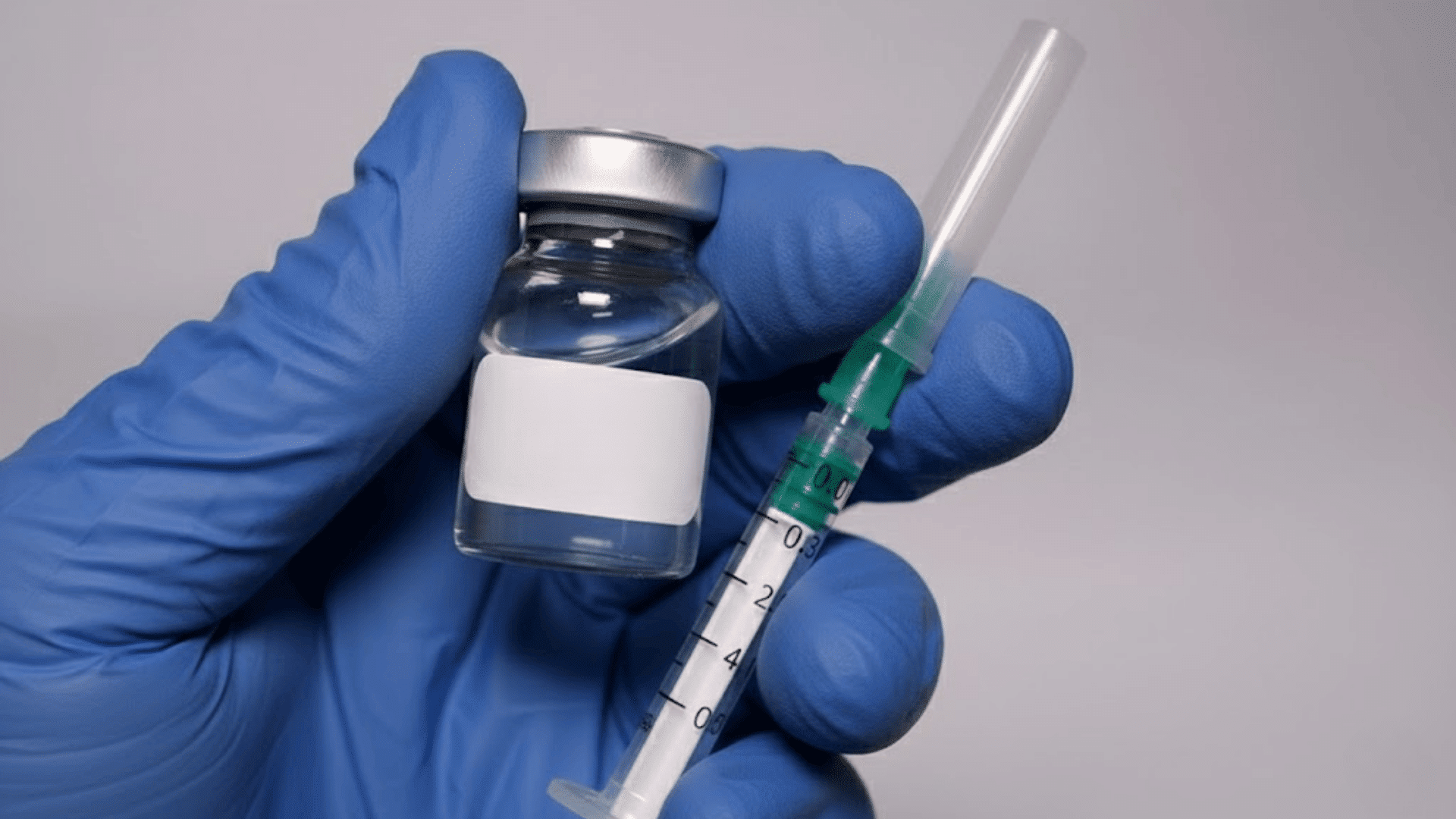
Morphine is a strong medicine, and I get why the word alone can make you nervous, especially when it’s brought up in hospice care.
If you’re watching someone you love struggle with pain or breathing, you may start wondering: can morphine kill you?
Here’s the honest truth. Morphine can be dangerous if someone takes too much, uses it the wrong way, or mixes it with alcohol or sedating pills.
But when your care team prescribes it and watches the dose closely, it’s used to ease pain and help breathing feel less distressing, not to cause death.
In this blog, I’ll explain what morphine does, why it’s used in hospice and palliative care, when it becomes risky, and what to do if you ever suspect an overdose.
Can Morphine Kill You & Why People Think It Causes Death?
Morphine is often given near the end of life. Because of this timing, it is easy to believe the medicine caused death. In most cases, this is not true. So, can morphine kill you? Not really.
As the body naturally shuts down, people may:
- Sleep more
- Breathe more slowly or unevenly
- Become less responsive
- Eat and drink very little
These changes are part of the dying process, not the result of morphine. Morphine is often given during this time to reduce pain or ease breathing, which can make it seem like the medication caused the final moment.
What Morphine is and How It Works
Morphine is a strong opioid medicine used to ease severe pain and, in some cases, distressing shortness of breath. It works by acting on the brain and nerves, so pain signals feel less intense.
It can also ease the uncomfortable “air hunger” feeling that some people experience during serious illness, making breathing feel easier.
Morphine is commonly used for:
- Severe pain
- Shortness of breath
- Anxiety tied to breathing distress
How morphine can affect the body:
- Less pain awareness
- Breathing feels less uncomfortable
- Drowsiness or relaxation
In high amounts, morphine can slow breathing too much, which is why an overdose can be life-threatening.
This is also why healthcare teams use careful dosing and monitoring, especially when starting morphine or changing the dose.
How Morphine is Used Safely in Hospice and Palliative Care
Hospice and palliative care teams use morphine carefully to improve comfort, not to shorten life.
As illness worsens, pain can increase, and breathing problems can feel frightening and exhausting. Morphine helps reduce pain and ease breathing distress, which often helps a person feel calmer.
Safety is supported by:
- Starting with a low dose
- Raising the dose slowly if needed
- Watching closely for side effects, especially sleepiness and breathing changes
- Checking other medicines and health conditions to reduce risk
Morphine does not treat the illness itself; it treats symptoms. In end-of-life care, the illness causes death, while morphine is used to reduce suffering.
When Morphine Can Be Dangerous?
Morphine can be safe when it’s prescribed and monitored, but it becomes dangerous when it’s misused or when the body is already under extra strain.
The table below shows the most common situations and health conditions that raise the risk.
| What increases danger | Examples |
|---|---|
| Not using morphine as directed | Taking more than prescribed; using someone else’s medication |
| Mixing morphine with other substances | Alcohol, sleep, or anxiety medicines (sedating drugs) |
| Incorrect use of long-acting forms | Crushing or chewing long-acting morphine tablets (can release too much at once) |
| Higher-risk health conditions | Severe lung disease; serious heart disease; kidney or liver problems |
| Fast or large dose changes | Sudden big increases in dose without close medical guidance |
If any of these apply, morphine should only be used with extra caution and clear medical supervision, because the risk of serious side effects, especially dangerously slowed breathing, can rise.
Signs of a Morphine Overdose
Knowing the warning signs can save a life. Watch for these emergency signs:
- Breathing becomes very slow or shallow: This is one of the most dangerous signs because oxygen may not be reaching the body properly.
- The person is very hard to wake up: They may seem unusually sleepy, confused, or not respond when spoken to or gently shaken.
- Lips or fingertips look blue or gray: This can be a sign that the body is not getting enough oxygen.
- The pupils become very small (pinpoint): This is a common opioid overdose sign, especially when paired with sleepiness and slow breathing.
- There is confusion, collapse, or sudden weakness: The person may stumble, faint, or seem “out of it.”
- The person becomes unconscious: If they cannot be woken up, it should be treated as an emergency.
If any of these signs appear, emergency help is needed right away.
Does Morphine Stop Breathing at the End of Life?
This is one of the most common fears families have.
Morphine can slow breathing if too much is given, but in hospice care, this risk is carefully managed. Near the end of life, breathing often changes naturally, even without medication.
| Natural Dying Process | Medication Side Effect |
|---|---|
| Irregular breathing | Very slow breathing |
| Long pauses between breaths | Trouble waking up |
| Changes happen gradually | Sudden worsening |
Hospice teams closely monitor patients and adjust medications to keep them comfortable without causing harm.
Will Morphine Cause Addiction at the End of Life?
In hospice care, addiction is very unlikely because morphine is used for comfort and is monitored closely. These terms are often mixed up.
- Addiction means craving a drug for non-medical reasons.
- Dependence means the body adjusts to regular use, so stopping suddenly can cause withdrawal.
- Tolerance means the body may need more medicine over time for the same relief.
If doses increase, it doesn’t automatically mean danger; it often means symptoms like pain or breathing distress have become stronger.
What to Do in a Morphine Emergency (USA)
If an overdose is suspected:
- Call 911 immediately
- Call Poison Control: 1-800-222-1222
- Naloxone may reverse opioid effects temporarily if available
- Do not wait or try home remedies
Fast action can make a life-saving difference.
Summing Up
Morphine can bring real relief, but it also has risks when it’s misused. In hospice and palliative care, the goal is comfort, so doses are started low, adjusted slowly, and watched closely.
You also now know overdose warning signs, like slow breathing, blue lips, and being unable to wake up, and why fast action matters.
If you came here asking can morphine kill you, the takeaway is simple: an overdose can be life-threatening, but supervised medical use is meant to ease pain and breathing distress, not cause death.
If something still feels unclear, ask your care team to explain your plan and next steps. For more help, read my other posts on the website.