| Question | Quick Answer |
|---|---|
| Is indica a downer? | Usually, yes. Indica is commonly linked with relaxation, body heaviness, and sleepiness. |
| Is indica an upper or downer? | It is usually called a downer in casual cannabis language, not a medical depressant like a sedative drug. |
| Is sativa an upper or downer? | Sativa is usually called an upper because many users connect it with energy, focus, and a head-focused high. |
| Does indica always make you sleepy? | No. Effects depend on THC, CBD, terpenes, dose, tolerance, and your body chemistry. |
| Are hybrids different? | Yes. Hybrids can be calming, energizing, or balanced depending on the chemical profile of the specific product. |
| Simple rule | Use indica-style products for evening relaxation, sativa-style for daytime energy, and lab results for real accuracy. |
If you have ever stood at a dispensary trying to choose, you have probably heard the shorthand: indica for winding down, sativa for staying alert. Is indica a downer? In most cannabis conversations, yes.
It is linked with body relaxation, calm mood, heavy limbs, and sleepiness. But that is not the complete picture, and knowing the difference matters before spending money on the wrong thing.
Most cannabis sold today is a hybrid, which means the indica vs sativa split is more complicated than labels suggest. What shapes how a product actually feels is the THC level, CBD content, terpenes, dose, and your own tolerance. This piece covers all of it.
Is Indica a Downer? Here Is the Honest Answer
Yes, indica is generally considered a downer in casual cannabis conversations. It is associated with relaxation, heaviness, calmness, and a slower pace, which most people associate with evening use.
That said, indica is not guaranteed to knock everyone out. A lot depends on the product itself, not just the label on the jar. If you have spent any time browsing a dispensary, you have probably heard the shorthand: indica for couch time, sativa for daytime.
That framing is still useful as a starting point, but most cannabis sold today is a hybrid of some kind, which means “pure indica” is rarer than the labels suggest. So, is indica a downer? Usually, yes. Is it always? No, and this guide explains why that distinction matters before you buy anything.
| ⚠️ Advisory: This article is for adults in places where cannabis is legal. Cannabis can affect memory, attention, reaction time, and coordination regardless of the strain type. For a broader overview of cannabis health effects,0 the CDC publishes regularly updated guidance. |
What Does “Downer” Actually Mean in Cannabis?
“Downer” is informal user language, not a medical classification. In the context of cannabis, it typically means a product that makes you feel relaxed, calm, body-heavy, slow-paced, or sleepy.
Think of it as the opposite of reaching for a coffee: you are reaching for something that helps you wind down rather than gear up.
It does not mean indica works the same way as prescription sedatives or alcohol. Cannabis is its own category, and using it comes with its own risks regardless of the strain direction.
It can still impair coordination, slow reaction time, and affect short-term memory even when it feels pleasant. That holds true whether the product leans indica, sativa, or somewhere in between.
Why Does Indica Feel Relaxing? The Real Factors
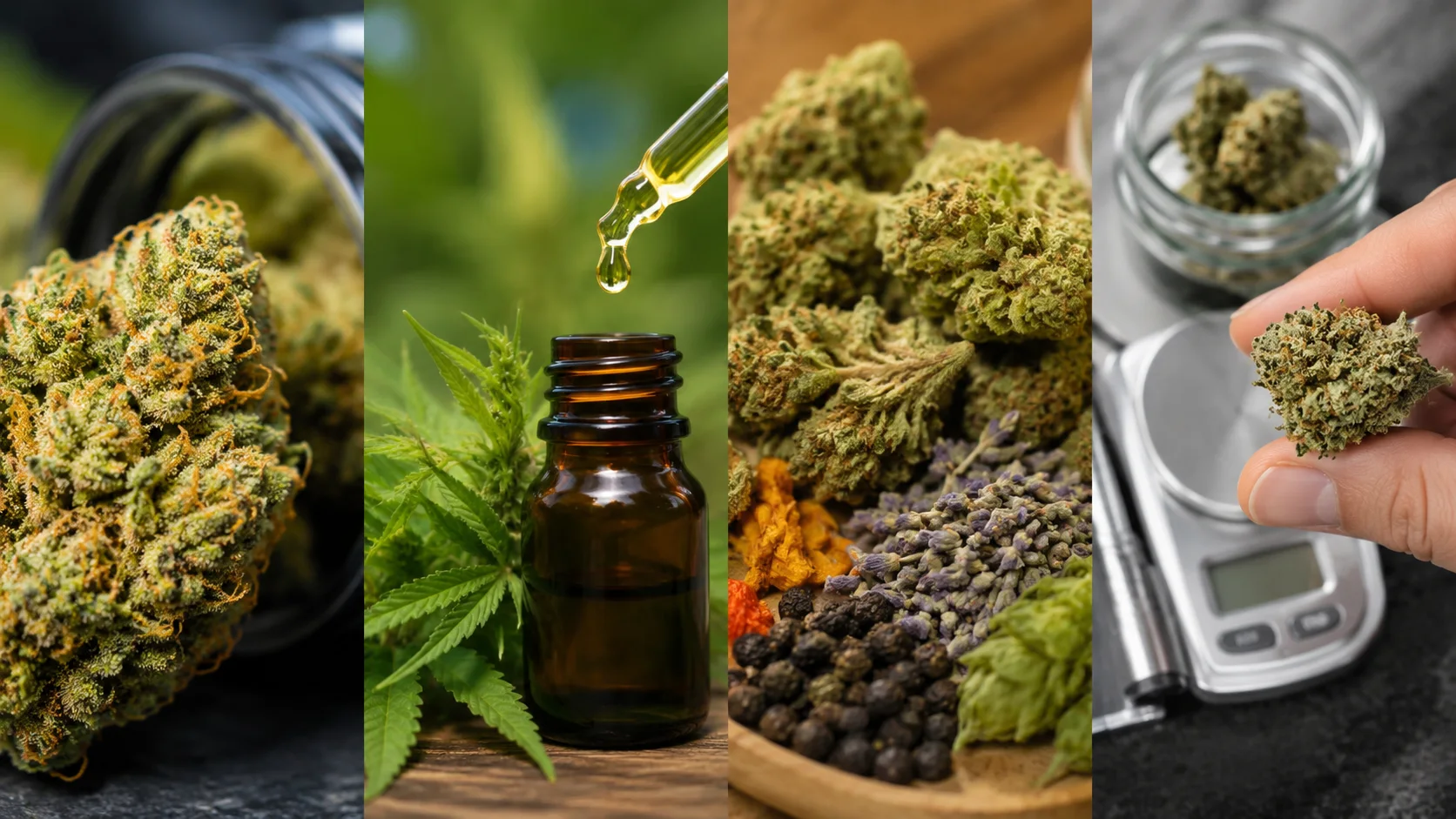
The indica or sativa label indicates how the plant was historically grown and categorized. It does not tell you exactly how a product will feel. The following factors do a much better job of predicting that.
1. THC Level
THC is the primary intoxicating compound in cannabis. At lower amounts, it tends to produce relaxation and euphoria. At higher amounts, it can cause anxiety, paranoia, or racing thoughts.
The gap between useful and too much varies with tolerance, body weight, and product type. Judging strength by strain type rather than actual THC percentage is a common mistake. Understanding cannabis and THC effects1 in more detail helps avoid them.
2. CBD Ratio
CBD is non-intoxicating and produces no high on its own. It may soften THC’s intensity for some users, which is why products with a balanced THC-to-CBD ratio are often described as smoother and less anxiety-prone.
For people who find high-THC options uncomfortable, an equal-ratio product is usually a more predictable choice. CBD does not make cannabis risk-free, but it does change how the THC component lands, particularly for sensitive users.
3. Terpenes
Terpenes are aromatic compounds that may shape how a cannabis product feels. Myrcene is most commonly associated with the sleepy, body-heavy quality of indica.
Limonene and pinene appear more often in sativa-leaning products and are described as brighter and more alert. Terpenes explain why two products with similar THC levels can feel quite different, making them a useful signal when comparing options, not a guarantee of a specific effect.
4. Dose and Tolerance
A small dose may produce a pleasant sense of relaxation. A larger dose can feel heavy or disorienting, particularly for users with low tolerance. Frequent users often need progressively more to feel the same effect.
Edibles are processed through the liver and hit harder and last longer than inhaled products, sometimes for four to eight hours. This makes them the most common setting for accidental overconsumption, especially when a second dose is taken too soon.
Indica vs Sativa: Upper or Downer?
Sativa is usually called the upper, indica the downer. Both are starting points, not fixed rules. Research on indica and sativa labels and whether they are always reliable2 found that strain labeling does not consistently map to a plant’s chemical profile:
| Type | Common Reputation | Typical User Expectation | Best Time People Choose It | Key Caution |
|---|---|---|---|---|
| Indica | Downer | Body relaxation, calm, sleepiness | Evening or night | Can still cause anxiety or grogginess |
| Sativa | Upper | Energy, focus, mood lift, head high | Daytime | Can feel overstimulating for some people |
| Hybrid | Mixed | Depends on the balance and lab profile | Anytime, depending on the product | Label alone is not enough to predict effects |
For the sativa side of this comparison, the question of whether sativa makes you sleepy or keeps you awake3 is more layered than the upper label suggests and is worth reading before assuming all sativa products behave the same way.
What Actually Matters More Than the Indica or Sativa Label
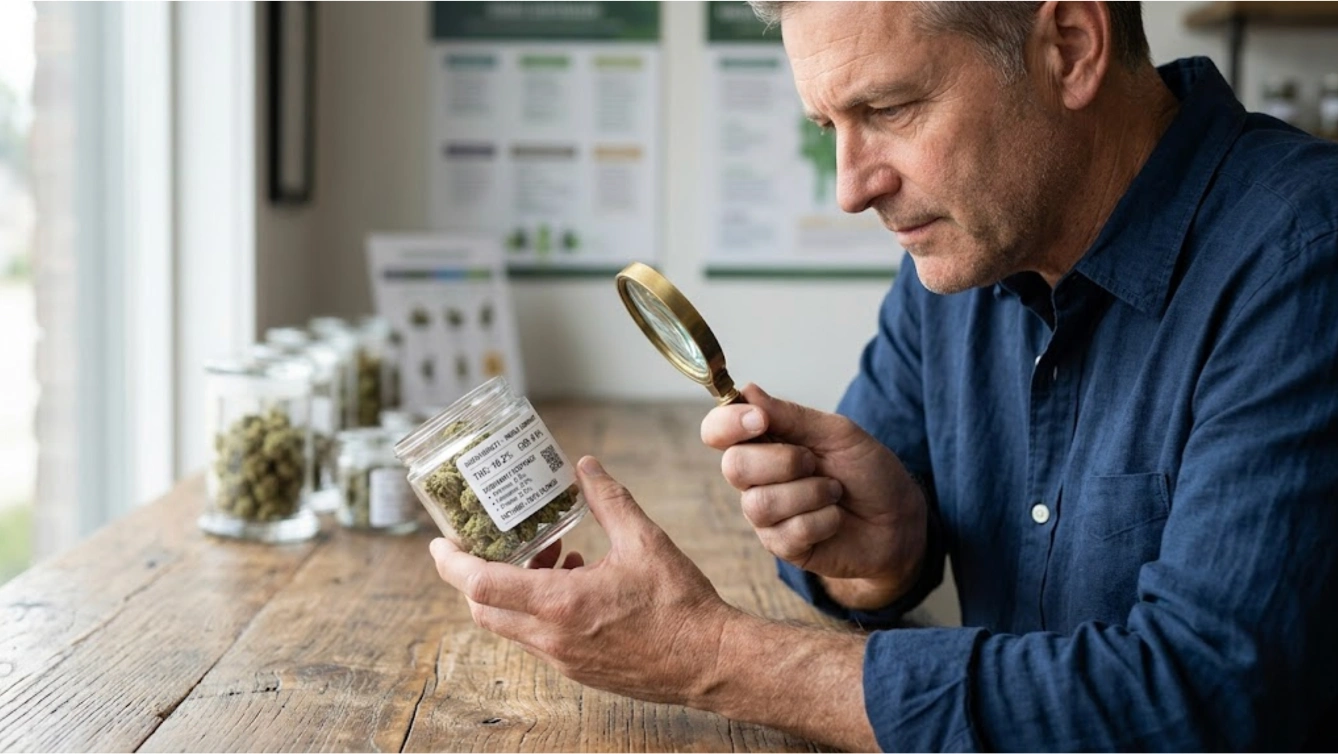
Indica and sativa were originally described in terms of plant structure and growth characteristics, not the chemical effects on a person. Modern cannabis breeding has blurred those lines considerably. Instead of relying on the label alone, the following information from the product itself gives you a much clearer picture of what to expect:
- THC percentage: Higher is not always better. Start lower than you think you need.
- CBD percentage: A higher CBD ratio may produce a smoother experience for THC-sensitive users.
- Dominant terpenes: Look for myrcene and linalool for relaxing effects, limonene and pinene for more alert ones.
- Product type: Flower, vape, edible, and tincture all process differently and have different onset times.
- Lab test availability: Products with a certificate of analysis from a third-party lab are more reliable than those without.
The review of evidence on cannabis and cannabinoids4 from the National Academies of Sciences is one of the more thorough summaries of what the research actually supports versus what is still under study.
| 📝 Tip: Instead of asking only whether a product is indica or sativa, ask what cannabinoids and terpenes are listed on its lab certificate. That information tells you far more about what to expect. |
Why People Usually Choose Indica Products
Many adults reach for indica-leaning products in the evening to wind down after a stressful day. The body-heavy, calming quality suits situations where slowing down is the goal, whether before sleep, after physical activity, or during a low-key night at home.
Some users choose indica-style products for body discomfort, though cannabis and pain research is still active and results vary by person, product, and dose.
Others simply prefer the slower, calmer mood that indica tends to produce over the stimulating quality of sativa-leaning options. High-THC indica products can make anxiety worse for some people, not better.
The sedating label does not guarantee a calm experience when the THC is high enough to cause overstimulation. If relaxation is the goal, a moderate THC level with some CBD is a more predictable starting point than the strongest available option.
When Indica Might Not Feel Like a Downer
The indica label does not guarantee a sedating experience every single time. Several specific factors can push the final effect in a completely different direction from what the packaging suggests:
- Terpene profile: A product labeled indica may not have a strongly sedating terpene profile, which means the body-heavy quality people expect may not show up.
- High THC: A THC level high enough to cause stimulation or anxiety will override any calming reputation the strain label carries.
- Low tolerance: New or infrequent users may feel overwhelmed or anxious rather than relaxed, even with a low-THC product.
- Hybrid mislabeling: Many products sold as indica are actually hybrids with a mixed chemical profile that do not behave like a classic indica.
- Setting: Using cannabis in a stressful or unfamiliar environment can produce anxiety regardless of the strain type or label.
If indica has not felt calming before, one of these factors is likely why. Checking the terpene profile and THC level before buying tells you more than the label does.
| 📝 Note: No strain label removes the possibility of an uncomfortable experience. Set, setting, dose, and product chemistry all contribute. New users should always start with the lowest available dose regardless of the strain type. |
Frequently Asked Questions
Can you mix indica with alcohol?
Mixing cannabis with alcohol is not recommended. Combining both intensifies effects, raises the chance of nausea, and impairs coordination more than either alone. If you choose to use cannabis, always avoid alcohol at the same time and never drive afterward.
Is indica in edible form stronger than the flower?
Edibles feel stronger and last longer than flower, regardless of strain type. The liver converts THC into a more potent compound during digestion. Start lower than you think you need and wait two hours before assuming it did not work.
Does indica affect everyone the same way?
No. Body weight, metabolism, and tolerance all shape how cannabis feels. Two people taking the same dose of the same product can feel entirely different results. Personal response to cannabis varies more than expected, which is why starting low matters.
Final Thoughts
So, is indica a downer? In most casual cannabis conversations, yes, and for good reason. The body-heavy, calming quality that indica-leaning products are known for fits the downer description better than anything else in the cannabis category.
But the label is a shortcut, not a script. Two products with the same indica label can feel meaningfully different depending on their THC level, CBD content, terpene makeup, and how much you take.
If relaxation is your goal, reading the lab certificate matters more than trusting the label. Look for moderate THC, some CBD if you are sensitive, and terpenes like myrcene or linalool.
Start with less than you think you need, especially with edibles. And remember that cannabis affects coordination and reaction time regardless of whether it is labeled upper or downer, so use it somewhere safe, legal, and planned. Drop a comment below and let me know what you think about indica as a downer.
Sources
- CDC. “Cannabis: Health Effects.” Centers for Disease Control and Prevention. https://www.cdc.gov/cannabis/health-effects/index.html
- NIDA. “Cannabis (Marijuana) Research Report.” National Institute on Drug Abuse. https://nida.nih.gov/research-topics/cannabis-marijuana
- Watts S, et al. “Cannabis labelling is associated with genetic variation in terpene synthase genes.” Nature Plants. https://www.nature.com/articles/s41477-021-01003-y
- National Academies of Sciences, Engineering, and Medicine. “Therapeutic Effects of Cannabis and Cannabinoids.” The Health Effects of Cannabis and Cannabinoids. National Academies Press. https://www.ncbi.nlm.nih.gov/books/NBK425767/
- Fun With Dizzies. “Does Sativa Make You Sleepy or Keep You Awake?” https://funwithdizzies.com/does-sativa-make-you-sleepy-or-keep-you-awake/