| Question | Short Answer | Best Fit |
|---|---|---|
| Is sativa better for female arousal? | It may help when low desire is tied to fatigue, mood, or feeling mentally shut down. | Playful, energetic, daytime intimacy |
| Is indica better for female arousal? | It may help when low desire is tied to stress, tension, pain, or anxiety. | Slow, relaxed, body-focused intimacy |
| Are edibles good for arousal? | They can be, but timing and dose matter more because effects come on slowly and last longer. | Planned intimacy, not last-minute use |
| Are hybrids better than both? | Often, yes. A balanced hybrid may offer both mental lift and physical ease. | Most beginners and couples |
| What matters more than indica or sativa? | THC dose, CBD ratio, terpenes, product testing, tolerance, and comfort with your partner. | Safer, more personal choice |
The question of sativa vs indica for female arousal sounds like it should have a tidy answer, but the honest version is more personal than that.
Female arousal is not just physical. It includes mood, mental focus, stress levels, physical comfort, and emotional safety, and what blocks it differs for every person.
A product that works well for someone who feels tense and anxious may do nothing for someone who just feels flat and tired.
Below, I will cover what sativa, indica, and hybrids may actually do, how edibles change the timing, what terpenes and THC levels have to do with it, and when cannabis is probably not the right answer at all.
Sativa vs Indica for Female Arousal: What the Labels Actually Tell You
If you’ve been searching “sativa vs indica for female arousal” expecting a clean, one-line answer, here’s the honest version: it depends on what’s getting in your way. And no, that’s not a cop-out.
Female arousal involves mood, sensation, stress levels, body awareness, and comfort all at once, which means a single cannabis label rarely captures the full picture.
Some people want more energy and mental interest before sex. Others need to physically unwind first. A few just want to stop overthinking long enough to be present.
The right product for any of those goals can look very different, even within the sativa or indica category. This piece walks through what each type may actually do, how edibles change the math, and what to watch out for so you don’t end up more anxious than amorous.
| ⚠️ Advisory: Use cannabis only where it is legal in your area. Both partners should be sober enough to give clear, ongoing consent. Avoid mixing cannabis with alcohol or other substances unless a clinician has confirmed it is safe for you. |
What Female Arousal Actually Involves
Arousal is not a single switch. It includes mental interest, physical sensation, lubrication, muscle relaxation, and emotional safety. For many women, one of these can be off while the others are fine, and that is usually where desire problems start.
Stress keeps muscles tight and the mind elsewhere. Anxiety about performance or pain makes physical comfort harder to reach. Cannabis may affect arousal indirectly through mood regulation, pain perception, anxiety, touch sensitivity, and time perception.
A study on cannabis use before partnered sex and orgasm difficulty0 found that women who used cannabis before sex reported more satisfying orgasms and greater arousal compared to those who did not, though the study relied on self-reporting and did not test specific strains.
The key variable was not the strain type but whether the person felt more relaxed and present. That framing matters for every product choice covered below.
Is Sativa or Indica Better for Female Arousal?

Neither is always better. The honest answer depends on what is getting in your way before intimacy. Low energy, chronic stress, physical pain, and anxiety are different problems that call for different starting points.
1. Sativa for Female Arousal
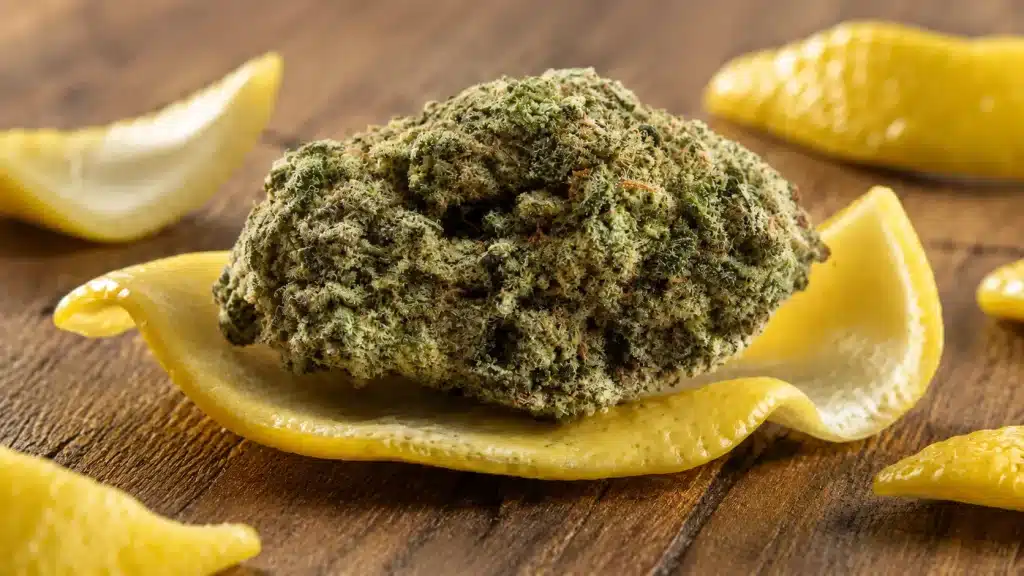
Sativa products are typically marketed as uplifting and mentally active. Users commonly describe feeling more alert, playful, curious, and socially open. For female arousal, sativa may be helpful when the barrier is low energy, a flat mood, or a sense of mental disconnection from the moment.
That said, sativa tends to have a stronger effect on the mind, and for some people, that means racing thoughts, heightened self-consciousness, or anxiety. If you already feel keyed up before intimacy, a high-THC sativa could push that further in the wrong direction.
| ⚠️ Caution: High-THC sativa products are more likely to trigger anxiety or overstimulation in people who are THC-sensitive. Start with a low dose and wait before adding more. |
2. Indica for Female Arousal
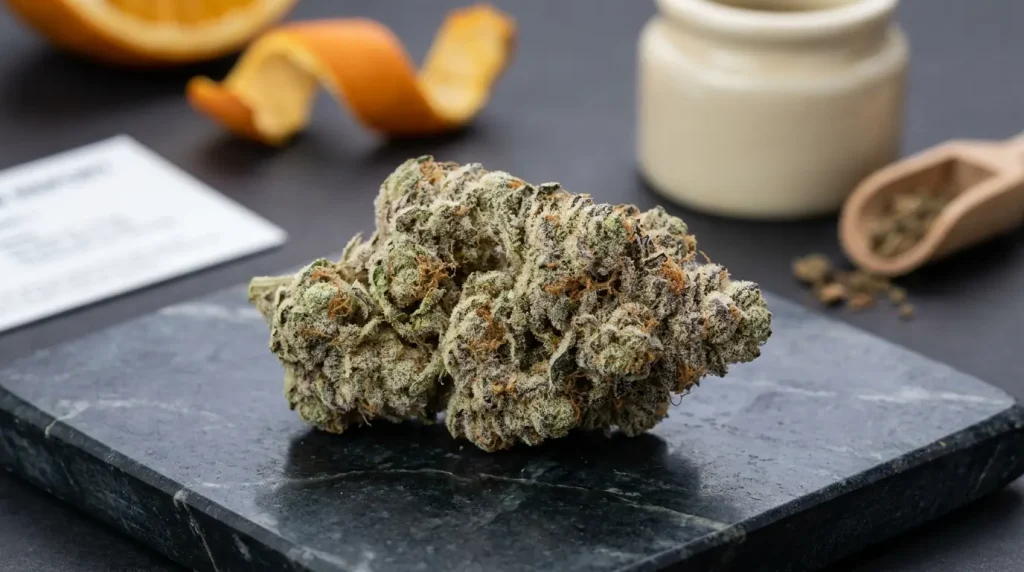
Indica products are generally described as more body-focused and calming. Users often report less muscle tension, a slower mental pace, and greater comfort with physical sensation. For female arousal, indica may be useful when stress, pain, or tension is the main obstacle to getting into the mood.
The downside is sedation. Heavier indica products, especially in large doses, can tip from relaxing into genuinely sleepy. At that point, desire does not increase so much as it quietly exits the room.
3. Hybrid for Female Arousal
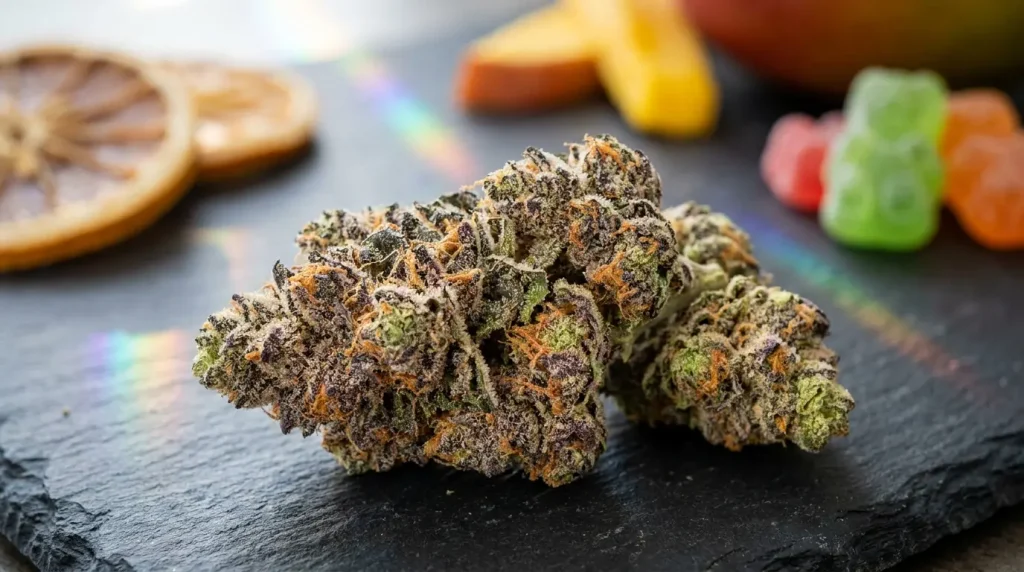
Many users find balanced hybrids easier to work with for intimacy. They may offer some mental lift alongside body ease, without pushing hard in either direction. A review of cannabis and female sexual function1 noted that moderate THC was associated with positive sexual experiences, while higher doses were more often linked to discomfort. Hybrids, particularly those with moderate THC and some CBD, tend to sit in that moderate range more naturally.
If you’re new to using cannabis for intimacy, a low-dose balanced hybrid is usually a safer first test than a very high-THC sativa or a heavy indica.
| 📝 Note: Sativa and indica labels are marketing shorthand, not a guaranteed chemical profile. Research published on why indica and sativa labels can mislead2 found that strain labeling does not reliably reflect the plant’s actual chemical composition. The real product profile matters more. |
Indica or Sativa Edibles for Arousal: How Edibles Change the Situation
Edibles are processed through the digestive system and liver, converting THC into a compound that feels stronger and lasts longer than inhaled cannabis. Onset takes 30 to 90 minutes, and effects can run four to eight hours:
- Sativa edibles: May suit people who want more energy, playfulness, or mental lift and are not prone to THC-related anxiety.
- Indica edibles: May work better when physical tension, stress, or pain is the main barrier to being present.
- Hybrid edibles: Often the most practical starting point. Less likely to swing hard toward sedation or overstimulation.
- Timing matters most: Edibles are better suited to planned intimacy. Last-minute use rarely lines up well with the onset window.
Do not redose if you feel nothing after an hour. If the timing is off more often than not, there are tested methods for making edibles hit faster safely3 that can help the window line up better with when you actually want it to.
Choosing Based on What’s Actually in the Way
The right product depends on the specific reason the desire feels off. Match the starting point to the barrier, not just the label on the package or the name of the strain:
| What Is Blocking Arousal? | Better Starting Point | Why |
| Low energy or flat mood | Low-dose sativa or sativa-leaning hybrid | May support alertness and mental interest |
| Stress or anxiety | Low-dose indica or CBD-balanced hybrid | May help the body settle before intimacy |
| Pain or muscle tension | Indica or body-focused hybrid | May support physical ease and comfort |
| Trouble staying present | Balanced hybrid with moderate THC | May help without overstimulation |
| Fear of feeling too high | CBD-rich or low-THC product | Lower chance of discomfort or panic |
| Orgasm difficulty | Low to moderate THC, tested slowly | Some users report a stronger sensation at lower doses |
If none of these scenarios fit cleanly, a low-dose balanced hybrid with a clear lab certificate is a reasonable first test for almost anyone who is new to cannabis for intimacy.
THC, CBD, and Terpenes: What Actually Shapes the Experience
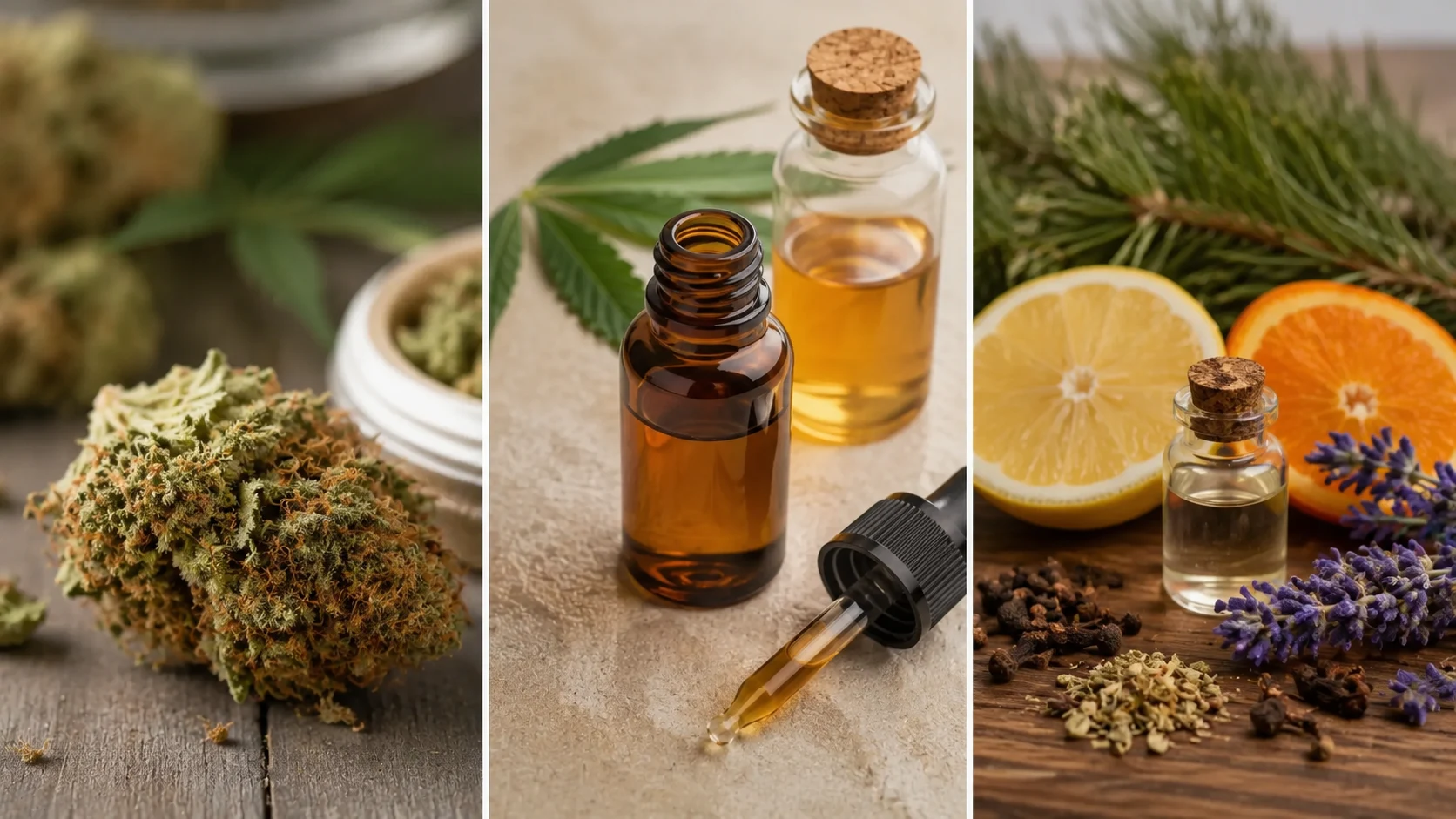
The sativa or indica label tells you less than you might think. THC level, CBD ratio, and terpene composition are far more predictive of how a product will actually feel.
1. THC
THC is the primary intoxicating compound in cannabis. At low to moderate amounts, it may help some people feel more open, sensitive, or relaxed.
At higher amounts, it can cause anxiety, dry mouth, dizziness, paranoia, or a noticeable drop in desire. The line between a useful amount and too much shifts based on personal tolerance, body weight, and recent use.
2. CBD
CBD is non-intoxicating and does not produce a high on its own. It may soften THC’s intensity, which is why balanced THC-to-CBD products are often described as smoother and less anxiety-prone.
For people who are THC-sensitive, an equal-ratio product is a gentler starting point than high-THC options. CBD alone is unlikely to produce a noticeable arousal effect for most people.
3. Terpenes
Terpenes are aromatic compounds that may shape how a product feels, though human research is limited. Limonene is associated with mood-supportive properties. Linalool tends toward calming
Myrcene is body-heavy and relaxing. Beta-caryophyllene is described as grounding. Pinene is associated with alertness. These are starting signals, not promises. Terpene profiles are one clue among many, and personal response varies considerably.
| 📝 Tip: Terpenes are one signal among many, not a guarantee. Personal response to any cannabis product varies by body chemistry, tolerance, and setting. Use terpene profiles as a starting clue, not a promise. |
Safe Dosing for Intimacy
There is no universal dose, and this is not medical advice. The right amount varies by tolerance, body chemistry, and product type. Staying present and comfortable matters more than intensity:
| Rule | What to Do | Why It Matters |
| Start low | Take the lowest available serving size | Tolerance varies widely; a small dose can feel very strong for some people |
| Wait before adding more | Allow the full onset window before deciding it is not working | CDC guidance recommends waiting at least two hours before redosing |
| Use labeled products only | Choose products with third-party lab testing and a clear THC amount per serving | Unlabeled products make dose control nearly impossible |
| Avoid stacking doses | Do not take a second dose because the first felt mild | Most accidental overconsumption happens this way |
| Match dose to goal | Use the amount that keeps you present, not the amount that feels the strongest | Higher is not better for arousal; comfort and awareness matter more |
Keeping the dose low is the simplest safeguard for intimacy. Microdosing THC4 is a practical option for people who want a noticeable shift without risking an uncomfortable or overwhelming experience.
| ⚠️ Caution: Do not use cannabis for intimacy if you are pregnant, breastfeeding, under 21, on medications that may interact, or in a situation where sober consent is not fully possible. Store edibles in labeled, childproof containers away from children and pets. |
When Cannabis May Work Against Arousal
Too much THC can produce the opposite of what most people want: anxiety, distraction, numbness, dry mouth, or a sudden urge to watch TV instead.
Beyond dosing errors, cannabis is also not going to fix situations where the real issue is relationship tension, hormonal changes, depression, medication side effects, pain that needs medical attention, or lack of desire for the specific partner involved.
Cannabis can shift a mood, but it cannot create safety or trust where neither exists. If low desire is new, distressing, painful, or linked to trauma or medication, speaking with a clinician is the more appropriate starting point.
Cannabis is not an FDA-approved treatment for female sexual interest or arousal disorder. Prescription options exist for certain conditions, such as flibanserin and bremelanotide, but those are medical decisions made with a licensed provider based on individual health history.
Frequently Asked Questions
Are hybrids better for sex than indica or sativa?
For many people, yes. Balanced hybrids may combine some mental lift with body ease, which often matches the dual mental-physical nature of female arousal. They also tend to have a lower risk of overextending in either direction, making them a practical choice for beginners.
Can too much THC reduce arousal?
Yes. Too much THC is one of the most common reasons cannabis backfires in intimate situations. Anxiety, racing thoughts, dizziness, dry mouth, and sedation can all follow a dose that is too high. The amount that works is usually lower than people expect, especially with edibles.
Is cannabis lube better than edibles for arousal?
Cannabis topicals and lubes may suit people who want localized physical sensation without a head high. They do not enter the bloodstream in significant amounts when applied locally. Effects vary considerably by product formulation and individual body response, so results are less predictable than those of systemic methods.
Is cannabis safe for women with low libido?
It may help some adults, but it is not appropriate for everyone. If low libido is new, persistent, painful, tied to medication, hormonal changes, or mental health concerns, a clinician is a better first call than a cannabis product. Cannabis is not a medical treatment for sexual dysfunction.
Final Thoughts
When it comes to sativa vs indica for female arousal, the answer is less about the label and more about what you actually need in the moment. Sativa-leaning products may help when energy and mood are flat.
Indica-leaning products may help when tension, stress, or physical discomfort is in the way. Hybrids often land in a useful middle ground for people who are still figuring out what works. With edibles, timing and dose matter more than the product type.
Start low, wait the full onset window, and choose tested products with clear labels. The right amount should leave you present, at ease, and in control, not overwhelmed or checked out. Drop a comment below and share your questions.
Sources
- Mulvehill S, Tishler J. “Assessment of the effect of cannabis use before partnered sex on women with and without orgasm difficulty.” Sexual Medicine. https://pmc.ncbi.nlm.nih.gov/articles/PMC11071449/
- Lynn BK, et al. “Effects of Cannabis Use on Sexual Function in Women: a Review.” Current Sexual Health Reports. https://link.springer.com/article/10.1007/s11930-022-00339-6
- Watts S; et al. “Cannabis labeling is associated with genetic variation in terpene synthase genes.” Nature Plants. https://www.nature.com/articles/s41477-021-01003-y
- Fun With Dizzies. “How to Make Edibles Hit Faster: Safe and Proven Methods.” https://funwithdizzies.com/how-to-make-edibles-hit-faster-safe-and-proven-methods/
- Fun With Dizzies. “Microdosing THC: Benefits, Risks, and Safe Use.” https://funwithdizzies.com/microdosing-thc-benefits-risks-and-safe-use/