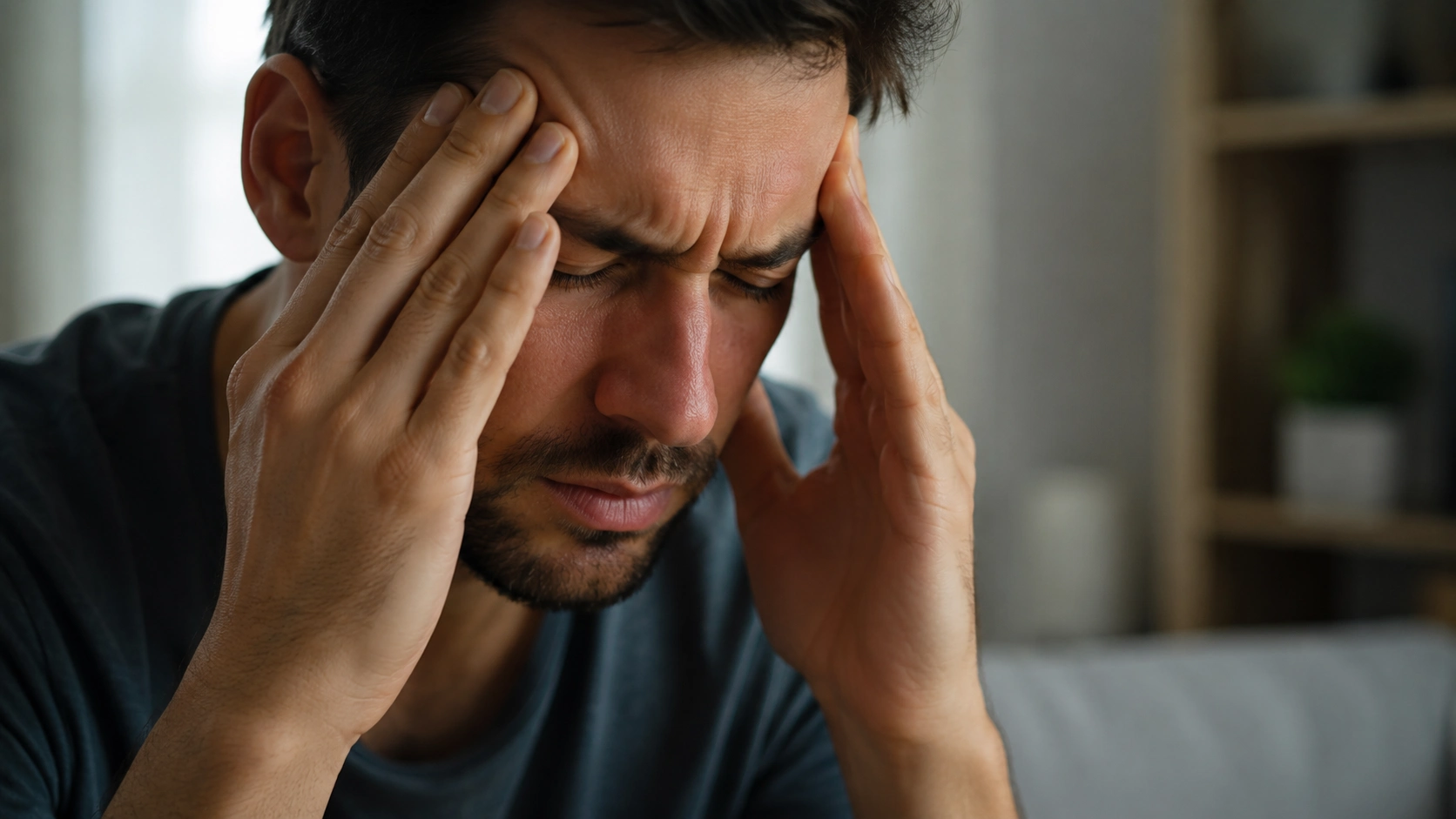
| ⚠️ Warning: If you drink daily or heavily and are thinking about stopping, do not quit without speaking to a doctor first. Alcohol withdrawal can become a medical emergency. Call 911 for seizures, hallucinations, or severe confusion. For substance use support, contact the SAMHSA National Helpline at 1-800-662-4357, free and confidential, 24 hours a day. |
Head pain after drinking is something most people chalk up to a rough night and too little water. But if your headaches keep showing up after you skip drinking, cut back, or try to stop, that is a different story.
Your body may be reacting to the absence of alcohol, not just the presence of it the night before. Alcohol withdrawal headache is a real, documented response from the nervous system. It is not dramatic to take it seriously.
In fact, ignoring it when you have a heavy drinking history is the risky choice. Today I will be walking you through why your head hurts after drinking, how to tell withdrawal apart from a regular hangover, what the timeline looks like, and what you can safely do about it. No judgment, just useful information.
| ⚠️ Advisory: This article is educational and does not replace medical advice. If you drink heavily or daily and are planning to stop, speak with a clinician before making changes. Withdrawal symptoms can escalate quickly in some people. |
Quick Glance: Alcohol Withdrawal Headache
| Topic | Key Point |
| What it is | A headache caused by the nervous system adjusting after reducing or stopping regular alcohol use. |
| Who gets it | Most common in people who drink heavily or daily and then cut back or stop suddenly. |
| How long does it last | A few hours to several days, depending on drinking history, hydration, sleep, and symptom severity. |
| vs hangover | A hangover follows a single night of heavy drinking. A withdrawal headache follows cutting down on regular use. |
| Warning signs | Seizures, hallucinations, fever, chest pain, and severe confusion need immediate emergency care. |
| What helps | Fluids, light food, rest, and medical support for anyone at risk of serious withdrawal. |
What Causes a Headache After Drinking?
Alcohol can make your head hurt because it affects several body systems at once. Dehydration is a common cause. Alcohol makes you urinate more, so your body loses fluids and electrolytes faster than you replace them.
This can lead to dull pressure or throbbing pain. Acetaldehyde also matters. As your liver breaks down alcohol, it creates this toxic byproduct, which can trigger nausea, flushing, and head pain before your body clears it.
Alcohol may also lower blood sugar, and the brain reacts quickly to that drop with weakness, shakiness, and headache. Then comes mini-withdrawal. As alcohol leaves your system, your brain rebounds from its calming effect and becomes more active for a short time.
This can cause anxiety, poor sleep, restlessness, and head pain, even after one heavy night of drinking. For frequent drinkers, this rebound may feel much stronger.
Hangover Headache vs Alcohol Withdrawal Headache
Hangover and withdrawal headaches can feel alike, but they do not mean the same thing. A hangover usually follows one heavy night. Withdrawal is more likely when a regular drinker cuts back, skips drinks, or stops drinking without medical help:
| Feature | Hangover Headache | Alcohol Withdrawal Headache |
| Timing | Morning after heavy drinking | Hours to days after cutting back or stopping |
| Drinking pattern | Can happen after one heavy night | More common with daily or heavy drinking |
| Common symptoms | Thirst, nausea, tiredness, light sensitivity | Shaking, sweating, anxiety, fast heartbeat, poor sleep |
| Risk level | Usually improves with rest and fluids | Can become a medical emergency |
| What helps | Water, food, sleep, and time | Medical guidance, especially if symptoms are more than mild |
If your headache comes after one night of drinking, rest, fluids, food, and time may help. If it starts after reducing regular alcohol use, treat it as possible withdrawal. Shaking, sweating, confusion, chest pain, hallucinations, or seizures need urgent medical care without delay.
What Does an Alcohol Withdrawal Headache Feel Like?
People describe withdrawal headaches in different ways. Some feel a dull, steady pressure inside the head. Others describe a tight band across the forehead, as if someone had wrapped it too firmly.
For some, it is a throbbing pain that worsens with movement, light, or noise. What often distinguishes a withdrawal headache from a hangover is the company it keeps. A withdrawal headache is rarely the only symptom.
It tends to show up alongside anxiety, restlessness, shakiness, sweating, nausea, and trouble sleeping. Cravings often appear at the same time because the brain is registering the absence of something it has come to depend on.
Research adds an interesting layer to this. A 2024 study0 found that alcohol withdrawal may activate mast cells near pain-sensitive areas around the brain, suggesting a specific physiological pathway for these headaches.
This is not just discomfort from a rough night. It is a measurable biological response, which is worth keeping in mind when the temptation is to dismiss it as dramatic.
| 📝 Note: A withdrawal headache that comes with shaking, sweating, and a racing heart is a signal that the nervous system is under significant stress. Do not try to manage these symptoms alone if they feel intense or are worsening rather than improving. |
Alcohol Withdrawal Symptoms Beyond the Headache

A headache is often one of the first signs, but alcohol withdrawal involves the whole nervous system. Recognizing the full picture helps you understand whether what you are experiencing is mild or potentially serious.
Mild to Moderate Withdrawal Symptoms
These are common in the early stages and, for many people, represent the bulk of what withdrawal feels like:
- Trembling or shaking hands
- Sweating, sometimes heavy
- Anxiety or feelings of panic
- Elevated heart rate
- Nausea or vomiting
- Insomnia or very broken sleep
- Irritability and mood changes
- Low appetite
- Difficulty concentrating
These symptoms are uncomfortable but manageable for some people with proper hydration, rest, and support. That said, they can escalate without warning, especially in people with a long history of heavy use.
Serious Withdrawal Symptoms That Need Emergency Care
A smaller percentage of people experience severe withdrawal, sometimes called delirium tremens or DTs. This is a medical emergency. Symptoms include:
- Seizures
- Hallucinations, visual, auditory, or tactile
- Severe confusion or disorientation
- High fever
- Chest pain or irregular heartbeat
- Fainting
- Severe, uncontrolled shaking
Delirium tremens most commonly develops between forty-eight and ninety-six hours after the last drink. It can be fatal without treatment. If any of these symptoms appear, call 911 immediately. For a full breakdown of what alcohol withdrawal involves and what to expect at each stage, MedlinePlus1 covers alcohol withdrawal symptoms, stages, and when to seek emergency care.
| ⚠️ Warning: Delirium tremens can develop even in people who did not expect severe withdrawal. Risk is higher with long-term heavy drinking, a previous history of severe withdrawal or seizures, older age, and poor nutrition. When in doubt, get a medical evaluation before symptoms escalate. |
How Long Does an Alcohol Withdrawal Headache Last?
The withdrawal headache timeline depends on several factors: how much and how often you drink, your overall health, how well you are sleeping and eating, and whether other withdrawal symptoms are present.
For most people, alcohol withdrawal symptoms start within six to twenty-four hours after the last drink. The headache often appears in this early window. Symptoms tend to peak between twenty-four and seventy-two hours, then gradually ease for many people.
A mild withdrawal headache may clear within a few hours with rest and fluids. A more significant headache tied to moderate or severe withdrawal can last one to three days or longer. Some people experience lingering head pain, brain fog, and disrupted sleep for a week or more, particularly after years of heavy drinking.
The timeline is not fixed, and it should not be used as a reason to wait out worsening symptoms. If the headache is intensifying rather than improving, or if new symptoms are appearing, that is a reason to get medical input, not to hold on longer.
| ⚠️ Advisory: The first seventy-two hours after stopping heavy drinking carry the highest risk for serious withdrawal complications. A headache that worsens during this window, rather than improving, should be evaluated by a clinician. |
How to Ease a Headache After Drinking Safely
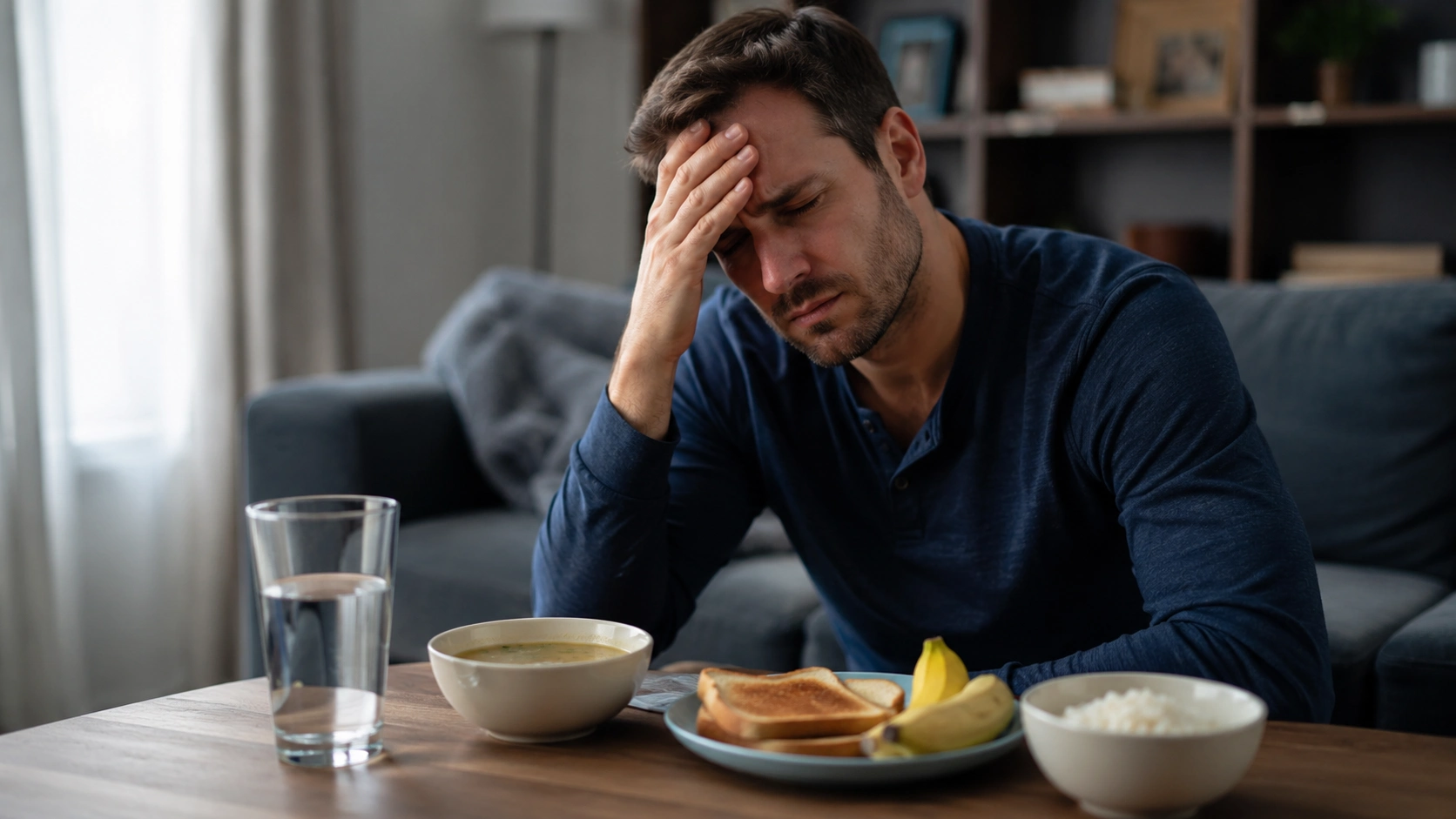
If symptoms are mild and serious withdrawal signs are absent, these steps may help your body recover at home. Use them with medical advice, not as a replacement for care:
- Hydrate slowly: Sip water or an electrolyte drink. Avoid gulping large amounts, especially if you feel nauseous.
- Eat gentle food: Try toast, bananas, rice, soup, or eggs to help steady blood sugar and reduce shakiness.
- Rest quietly: Stay in a dim, calm room. Light and noise can make headache pain feel worse.
- Avoid more alcohol: “Hair of the dog” may delay symptoms, but it can keep the withdrawal cycle going.
- Use pain relievers carefully: Avoid acetaminophen after drinking. Ask a doctor or pharmacist before using ibuprofen or similar medicines.
- Skip caffeine if shaky: Coffee may worsen anxiety, fast heartbeat, and jittery feelings during withdrawal.
Call a doctor or urgent care if a headache comes with shaking, sweating, confusion, chest pain, hallucinations, seizures, repeated vomiting, or severe weakness. Withdrawal can worsen quickly and needs care early.
| 📝 Tip: If you are managing mild symptoms at home, keep a simple log of what you feel each hour. Note the headache level, shakiness, and heart rate if you can. This information is genuinely useful if you need to call a doctor or go to urgent care. |
What to Expect After You Stop Drinking
Many people focus on the discomfort of withdrawal without knowing what comes after it. The early days are hard, but the body begins making significant adjustments within the first week. Sleep quality often improves. Blood pressure can stabilize. Mental clarity starts to return.
Beyond the first week, the changes become more substantial. Energy levels tend to improve. Mood becomes more stable without the swings that alcohol use often causes. Skin, digestion, and liver function all begin to recover at their own pace.
If you are considering stopping and want a clearer picture of what the body goes through after quitting, a detailed look at the benefits of quitting alcohol and the recovery timeline2 covers what to expect week by week and what the body is doing behind the scenes.
Knowing what is ahead can make the early discomfort feel more manageable. The alcohol withdrawal headache is real, but it is also temporary for most people who get through those first few days with proper support.
How to Prevent Alcohol Withdrawal Headaches
Prevention depends on your drinking pattern. Occasional drinkers and heavy drinkers need very different approaches, and being honest about which category fits your situation matters:
- Eat before drinking and alternate alcoholic drinks with water to slow absorption.
- Choose lighter-colored drinks, which tend to have fewer congeners, which can worsen headaches.
- Limit overall intake and prioritize sleep after drinking if you drink occasionally.
- Never quit suddenly if you drink heavily or daily. Abrupt stops raise the risk of dangerous withdrawal.
- Ask a doctor about a supervised tapering plan, withdrawal medication, and nutritional support.
- Include counseling, recovery support groups, or a treatment program as part of a longer-term plan.
- Treat the underlying drinking pattern, not just the headache. Short-term fixes do not hold up over time.
The safest prevention for heavy drinkers is medical support before symptoms start. If shaking has been part of past attempts to cut back, learning about what causes alcohol shakes3 and when they need medical attention can help you recognize warning signs early.
Frequently Asked Questions
Can alcohol withdrawal cause a migraine?
Yes. Alcohol withdrawal can trigger migraine-like symptoms including throbbing pain, light sensitivity, nausea, and visual disturbances. People with a migraine history may be more vulnerable. If the headache is severe and one-sided, a clinician can help distinguish it from standard withdrawal pain.
Can drinking water prevent an alcohol withdrawal headache?
Hydration helps with dehydration-related head pain but does not address the neurological component of true withdrawal. Water is a useful supportive measure, not a substitute for medical care for people with a history of heavy drinking or serious symptoms.
Does alcohol withdrawal headache feel different from a tension headache?
The pain can feel similar, often described as tight pressure or a band around the head. The key difference is context: a withdrawal headache appears after reducing or stopping alcohol and typically comes with other symptoms like anxiety, sweating, and shakiness, which tension headaches do not.
Should I go to the emergency room for an alcohol withdrawal headache?
Not every withdrawal headache needs emergency care, but go immediately if the headache is accompanied by seizure, confusion, hallucinations, fever, chest pain, or severe vomiting. A headache alone in a low-risk person can often be managed with rest, fluids, and guidance from a clinician.
Final Verdict
A headache after drinking is more than just a minor annoyance. If it appears after a rare night of drinking, it may be a hangover and usually eases with rest and fluids.
However, if headaches keep showing up when you reduce or skip alcohol, your body is signaling a real response. Alcohol withdrawal headaches happen as the nervous system adjusts and can range from mild to more serious.
The difference often depends on drinking patterns and other symptoms like shaking, sweating, anxiety, or confusion. Paying attention early and seeking support makes managing symptoms safer and more manageable.
You do not need to face this alone. Drop a comment below and let me know if you have any further questions.
Sources
- PubMed Central. “Mast-Cell-Specific Receptor Mediates Alcohol-Withdrawal-Associated Headache.” 2024. pmc.ncbi.nlm.nih.gov
- MedlinePlus. “Alcohol Withdrawal.” U.S. National Library of Medicine. medlineplus.gov
- FunWithDizzies.com. “Benefits of Quitting Alcohol and Timeline After Quitting.” funwithdizzies.com
- FunWithDizzies.com. “Alcohol Shakes: Causes, Risks, and When to Get Help.” funwithdizzies.com