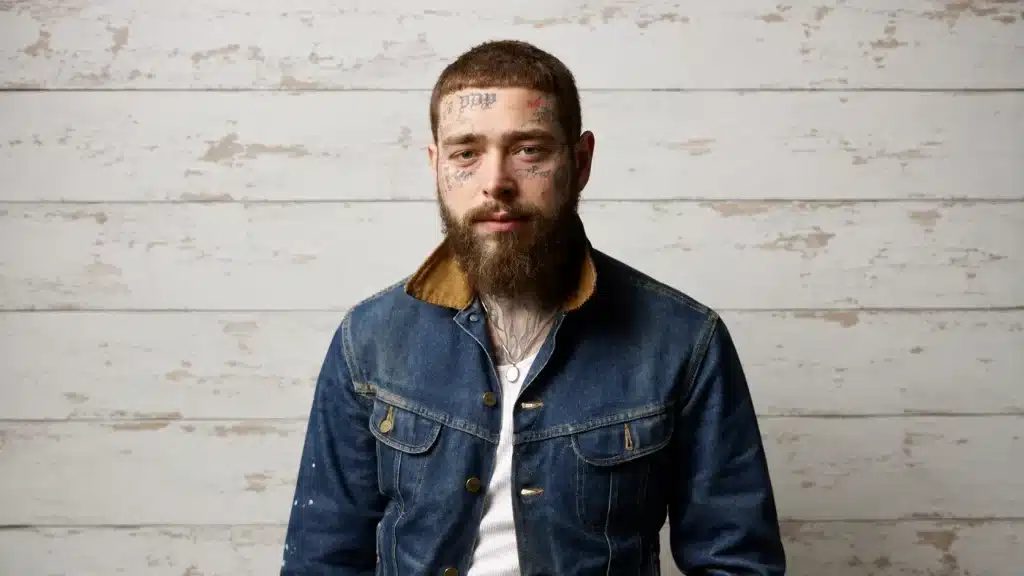
Not many people turn one of the most publicly documented addiction stories in Hollywood into a genuine second act, but Robert Downey Jr. did, and it was anything but a straight line.
I have gone through the interviews, the court records, and the recovery accounts to put together something that actually does justice to how complicated his journey was.
If you have landed here looking for Robert Downey Jr.’s drug history, what substances were involved, the legal fallout, and what recovery genuinely required from him, you are in the right place.
No tabloid framing, no glamorizing, just the real account with enough room for the humanity behind it. And if any of this hits close to home, help is out there, and recovery is genuinely possible.
Note: Addiction involving more than one substance at once is called polysubstance use. It significantly complicates treatment because the body becomes dependent on multiple chemicals simultaneously. Understanding polysubstance abuse in full context helps explain why recovery for someone like RDJ was not a single-step process.
Quick Glance: What Drugs Did Robert Downey Jr. Do?
| Substance | Context |
|---|---|
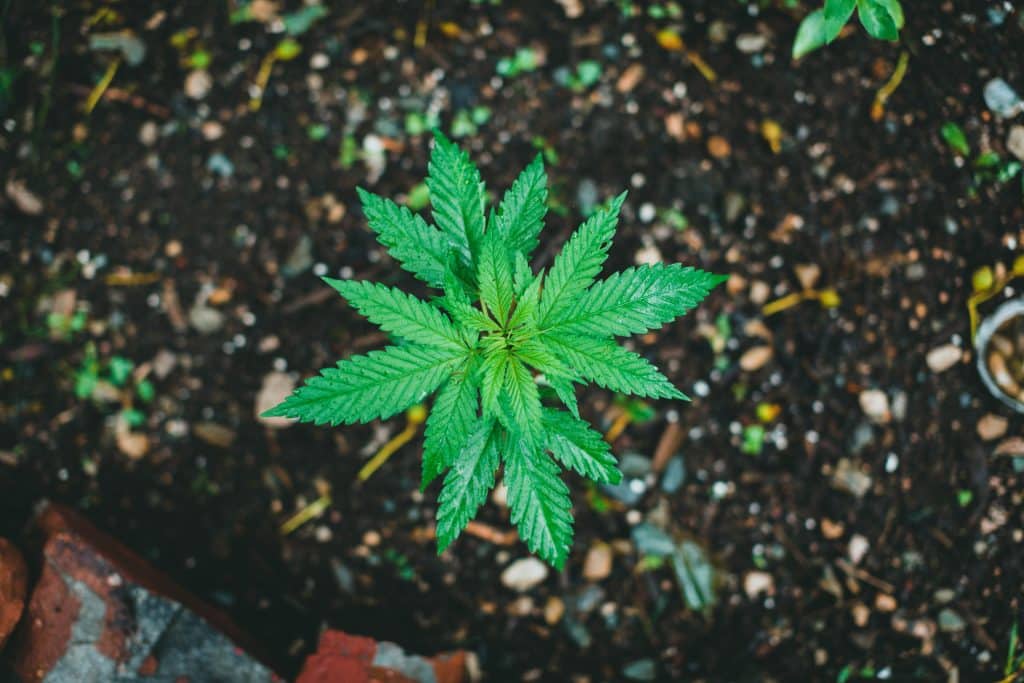
| Marijuana | First reported exposure in early childhood, connected to his father |
| Cocaine | Documented in legal records and publicly reported addiction history |
| Heroin | Found during his 1996 arrest, central to his publicly known substance use |
| Crack cocaine | Reported in multiple addiction-focused accounts of his history |
| Alcohol | Part of the broader substance misuse pattern during his most difficult years |
Robert Downey Jr.’s Early Exposure to Drugs
Most people assume addiction starts in adulthood, but Robert Downey Jr.’s story begins much earlier. His father, filmmaker Robert Downey Sr., reportedly introduced him to marijuana at age six.
It was not framed as harm at the time, but the consequences were real. Robert Downey Sr. later publicly acknowledged that giving a child drugs was a terrible and irreversible mistake.
He called it exactly what it was, a serious error in judgment, and did not try to minimize it. Early exposure to substances during childhood is not just an anecdote. Research consistently shows that the earlier a person is introduced to drugs, the higher their risk of developing a substance use disorder later in life.
The brain is still developing through adolescence and into the mid-twenties, and substances introduced during that window can alter neural pathways in lasting ways. For RDJ, this early start set the stage for a decades-long struggle.
Caution: Early childhood drug exposure is never a choice the child makes. Framing it as a personal failure misses the point entirely. Environmental factors, especially within the family, play a defining role in addiction risk.
Robert Downey Jr.’s Addiction: When Things Got Worse
The transition from early exposure to full addiction did not happen overnight. Through his teenage years and into early Hollywood, access, pressure, and instability all contributed to escalating use.
Fame arrived fast for RDJ, and with it came an environment where substance use was often normalized, even encouraged in certain circles. He appeared in the 1987 film Less Than Zero, playing a character whose life spirals because of cocaine addiction.
Many people later drew parallels between the role and his real life, though it is worth stating clearly that playing a character is not evidence of personal behavior. What is documented is that by his late twenties, his substance use had moved well beyond recreational and into the territory of dependence.
Tip: If someone you know is in the entertainment industry or a high-pressure career and showing signs of substance use, the environment itself can be a risk factor. Support matters more than judgment in those moments.
What Drugs Did Robert Downey Jr. Do? The Arrests That Made It Public
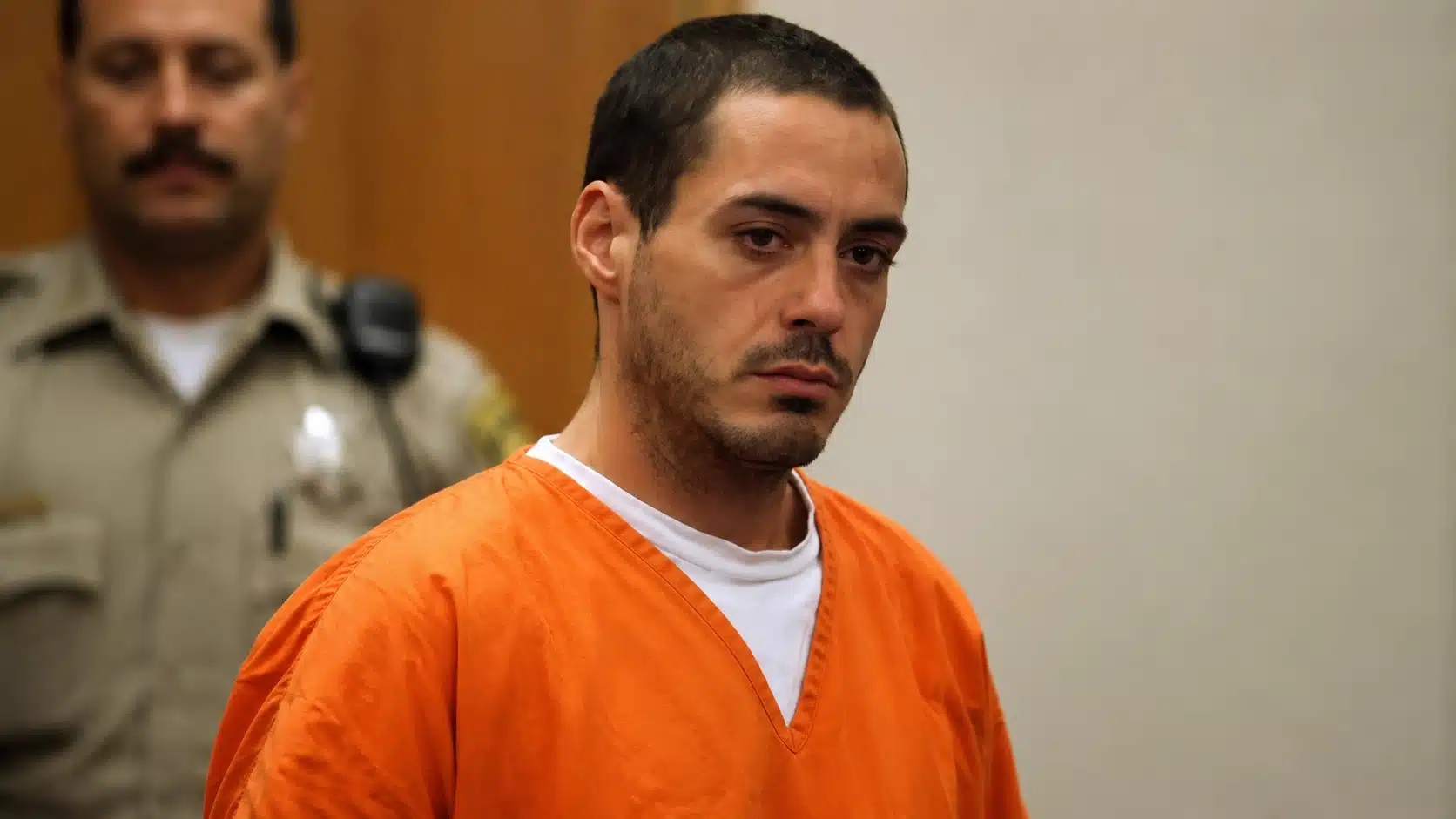
RDJ’s legal troubles were not isolated incidents. They were a direct result of untreated addiction colliding with a system that responded to symptoms rather than the underlying condition.
1. The 1996 Arrest
The moment that brought Robert Downey Jr.’s drug use into full public view was a 1996 traffic stop that revealed much more than a speeding violation. When police pulled him over, they found cocaine and heroin in the vehicle, along with a concealed weapon.
He was also charged with driving under the influence. UPI reported0 at the time that the arrest included cocaine possession, heroin possession, DUI, and a concealed weapon charge, which collectively painted a picture of someone in serious trouble.
2. The Neighbor’s House Incident
Shortly after the 1996 arrest, RDJ was found in a neighbor’s home, having entered uninvited and fallen asleep in a child’s bed while apparently under the influence.
The incident became tabloid fodder, but the more important point is what it revealed about how far his addiction had progressed. This was not a person making calculated choices. It was a person who had lost significant control.
3. Probation Violations and Prison
What followed was a pattern that many people with untreated addiction experience: legal consequences, court-ordered treatment, violations, and incarceration. RDJ repeatedly failed drug tests while on probation.
He served time at a California substance abuse treatment facility and later at a state prison. The legal system was reacting to each individual incident rather than treating the root condition, which is a common structural problem in how addiction intersects with criminal justice.
Did Robert Downey Jr. Go to Rehab?
Yes, multiple times. And this is an important point to sit with, because rehab is not a single event that fixes everything. RDJ cycled through treatment programs, experienced relapse, violated probation, and returned to court.
To someone watching from the outside, it might look like failure. From an addiction science perspective, it looks like a chronic condition being managed imperfectly under enormous public pressure.
The National Institute on Drug Abuse1 explains that substance use disorders are chronic, treatable conditions, and that recovery often requires multiple treatment episodes before lasting stability is achieved. Relapse is not the end of recovery. It is, unfortunately, often part of it.
Caution: Do not measure someone’s recovery by whether they relapsed. Measure it by whether they kept trying. Stigmatizing relapse is one of the biggest barriers to people seeking help.
How Did Robert Downey Jr. Get Sober?
RDJ has pointed to 2003 as his sobriety date. What made it stick was not one decision but several factors working together over time. The following are some points on what helped him sober up:
- Fear of the alternative: He recognized where his life was heading and did not want that outcome.
- Structured treatment: Professional support gave his recovery a framework that willpower alone could not provide.
- Physical discipline: Wing Chun kung fu gave him a daily practice that built focus and physical accountability.
- Personal relationships: His wife, Susan Downey, is widely credited as a stabilizing and motivating presence.
- Ongoing mindfulness: He has never treated sobriety as a finished achievement, only as something that requires continuous attention.
Recovery rarely comes from a single turning point. It holds when the right mix of structure, support, and personal motivation all show up at the same time.
Note: Sobriety is not the finish line. It is a practice. Structure, community, and purpose are the tools that make it last, not just willpower.
Robert Downey Jr.’s Career Comeback

The comeback story is the part most people know. Iron Man in 2008 was more than just a box-office success. It was the moment the industry publicly decided to trust RDJ again.
The role required reliability, physical discipline, and on-screen charisma, all things that addiction had taken from him and recovery had returned. It became one of the most commercially successful franchises in film history, and his performance was a large part of why.
The full-circle moment came decades later when he won his first Oscar for Best Supporting Actor for his role in Oppenheimer.
AP reported that this marked his first Academy Award win2, a milestone that carried particular weight given everything that came before. Recovery, when it holds, can open doors that addiction slams shut.
What Robert Downey Jr. Has Said About Addiction
Over the years, RDJ has spoken about his past3 with a refreshing absence of self-pity. A few consistent themes run through his public statements. He has described fear of going back to that version of his life as a motivating force, not shame, but a clear-eyed understanding of what that road cost him.
He has also spoken about accountability, the idea that he had to stop blaming circumstances and take ownership of his choices. And he has talked about how important it was to find things worth being sober for, purpose, family, craft, and community.
These are not unique insights. They are, in fact, closely aligned with what addiction recovery research supports: motivation, accountability, and meaning are three of the most consistent predictors of long-term sobriety.
His story resonates because it is unusually public, but the internal mechanics of his recovery are not that different from anyone else’s.
Tip: If you are supporting someone in recovery, helping them identify what they are staying sober for is often more powerful than focusing on what they are staying sober from.
Addiction Lessons From Robert Downey Jr.’s Story
Addiction does not follow a single script. These five patterns from Robert Downey Jr.’s story reflect what research consistently shows about how substance use disorders develop, persist, and respond to treatment:
| Lesson | What it means | Why it matters |
| Addiction can begin in childhood | Early exposure significantly increases dependence risk, regardless of intent. | Prevention starts at home, long before legal or medical systems get involved. |
| Fame does not protect anyone | Wealth and visibility often make it harder to receive honest support. | Addiction is a health issue. Social status does not change that. |
| Legal trouble is often part of the cycle | Arrests are consequences of addiction, not treatment for it. | Care-focused approaches produce better long-term outcomes than punishment alone. |
| Recovery needs structure and support | Willpower without treatment, routine, and accountability rarely holds. | Structured programs and strong relationships are the most reliable predictors of sobriety. |
| People can rebuild | Addiction causes real damage, and real recovery takes sustained effort. | Recovery is possible at any stage, but it requires time, not just resolving. |
None of these lessons is unique to celebrity addictions4 or the spotlight that comes with them. They reflect how addiction works for anyone, and why treatment, structure, and support matter far more than circumstance or social status.
When to Seek Help for Drug Addiction
If you or someone you care about is showing signs of substance use disorder, the most important thing to know is that treatment works.
Signs include using more than intended, being unable to cut back despite trying, continuing use despite clear consequences to health, relationships, or work, and spending increasing amounts of time obtaining, using, or recovering from substances.
You do not have to be arrested or hit a dramatic “rock bottom” to deserve help. SAMHSA’s National Helpline is free, confidential, available around the clock, and can connect you with local treatment options. One call is all it takes to start figuring out what the next step looks like.
Caution: Do not wait for a crisis to seek help. Early intervention consistently leads to better outcomes than treatment that begins only after severe consequences have already occurred.
Frequently Asked Questions
Did Robert Downey Jr.’s father know he was giving him something harmful?
Robert Downey Sr. later admitted he made a serious mistake. At the time, the normalization of marijuana in certain creative circles may have clouded his judgment, but he took public responsibility for the decision and expressed genuine regret for his role in his son’s early exposure.
Was Robert Downey Jr.’s addiction considered polysubstance use?
Yes. His reported use of marijuana, cocaine, heroin, crack cocaine, and alcohol at various points qualifies as polysubstance use. This pattern is particularly difficult to treat because each substance creates its own form of physical and psychological dependence simultaneously.
How long was Robert Downey Jr. in prison?
He served time at a California substance abuse facility and later in state prison across multiple stints in the late 1990s and early 2000s. Total incarceration spanned portions of several years, tied directly to probation violations and continued substance use during that period.
Did therapy play a role in Robert Downey Jr.’s recovery?
Though he has not detailed every treatment component publicly, most lasting addiction recoveries involve behavioral therapy, and he has referenced personal accountability practices and support systems that align closely with structured therapeutic approaches recommended by addiction specialists.
What role did his wife play in his sobriety?
Susan Downey is widely credited as a stabilizing force. RDJ has spoken warmly about how their relationship gave him something meaningful to protect and be present for. Supportive relationships are a well-documented factor in sustained recovery outcomes, and their partnership reflects that clearly.
Final Verdict
The story of Robert Downey Jr.’s drug use is not really about substances. It is about what happens when Robert Downey Jr.’s addiction goes untreated for years, collides with the legal system, and eventually meets the kind of support and structure that makes recovery possible.
The question of what drugs Robert Downey Jr. did do has a factual answer: marijuana, cocaine, heroin, crack cocaine, and alcohol. The more important question is what his journey tells us about addiction itself.
It starts early, escalates, has consequences, and, with the right conditions, people recover. If his story moved you or if it hit closer to home than expected, please know that help is real, recovery is real, and you do not have to figure it out alone. Drop a comment below and let me know which is your favorite Robert Downey Jr movie.