| ⚠️ If someone is in crisis right now, call 911 immediately. For opioid situations, use naloxone (Narcan) if available. For addiction support, SAMHSA’s National Helpline is free, confidential, and available 24/7: 1-800-662-4357. |
The list of celebrities who died from drugs is longer than most people realize, and it keeps growing every year. From Jimi Hendrix in 1970 to Matthew Perry in 2023, the pattern is consistent: talented people, inadequate support systems, and substances that proved more powerful than anyone around them understood.
Below, I will be covering the verified cause of death for each celebrity on this list, the specific substances involved, and what their stories tell us about an ongoing public health crisis that claimed 79,384 American lives in 2024 alone.
These were real people. The facts here come from medical examiner records, court documents, and confirmed primary sources, not tabloid reports.
Quick Reference: 15 Celebrities Who Died From Drugs
| Name | Known For | Year | Primary Cause |
|---|---|---|---|
| Matthew Perry | Friends (Chandler Bing) | 2023 | Acute ketamine toxicity and drowning |
| Michael Jackson | King of Pop | 2009 | Propofol overdose (ruled homicide) |
| Prince | Purple Rain, 40-year career | 2016 | Fentanyl in counterfeit Vicodin |
| Philip Seymour Hoffman | Oscar-winning actor | 2014 | Heroin, cocaine, benzodiazepines, amphetamine |
| Heath Ledger | The Dark Knight | 2008 | Combined prescription drug toxicity |
| Whitney Houston | 200M+ records sold | 2012 | Cocaine and drowning |
| Angus Cloud | Euphoria (Fezco) | 2023 | Methamphetamine, cocaine, fentanyl, benzodiazepines |
| Amy Winehouse | Back to Black | 2011 | Alcohol poisoning |
| Mac Miller | Pittsburgh rapper | 2018 | Fentanyl, cocaine, and alcohol |
| Chris Farley | SNL, Tommy Boy | 1997 | Morphine and cocaine (speedball) |
| River Phoenix | Stand by Me | 1993 | Cocaine and heroin (speedball) |
| Jimi Hendrix | Pioneering rock guitarist | 1970 | Barbiturates and alcohol, asphyxiation |
| Janis Joplin | Woodstock icon | 1970 | Heroin overdose |
| Coolio | “Gangsta’s Paradise” | 2022 | Fentanyl, heroin, methamphetamine |
| DMX | It’s Dark, and Hell Is Hot | 2021 | Cocaine-induced cardiac arrest |
What Causes Celebrity Drug Overdose Deaths
What causes celebrity drug overdose deaths is rarely one substance taken once. Most cases share the same cluster of factors.
Poly-drug combinations are the most consistent finding across toxicology reports, where two or more central nervous system depressants taken together suppress breathing well beyond what either would cause alone.
Prescription drug misuse plays a parallel role, with legally obtained medications prescribed by different doctors combining into a fatal mixture that no single physician intended.
Fentanyl contamination has added a newer layer of danger, embedding a synthetic opioid 50 to 100 times more potent than morphine into street drugs that show no visible sign of it.
Then there is the relapse window, the documented period after sobriety when tolerance has dropped significantly, but the draw toward familiar substances remains. Fame compounds all four: unlimited finances, physicians willing to overprescribe, and people on payroll who have every incentive to say yes and none to say no.
Famous Celebrities Who Died From Drugs: The Full Stories
Most celebrity drug overdose deaths follow recognizable patterns: poly-drug combinations, a gap in medical oversight, a relapse after a period of sobriety, or fentanyl hidden in a substance the person never knew they were taking. Each story below uses the verified cause of death from the medical examiner or court record. No speculation, no tabloid sourcing.
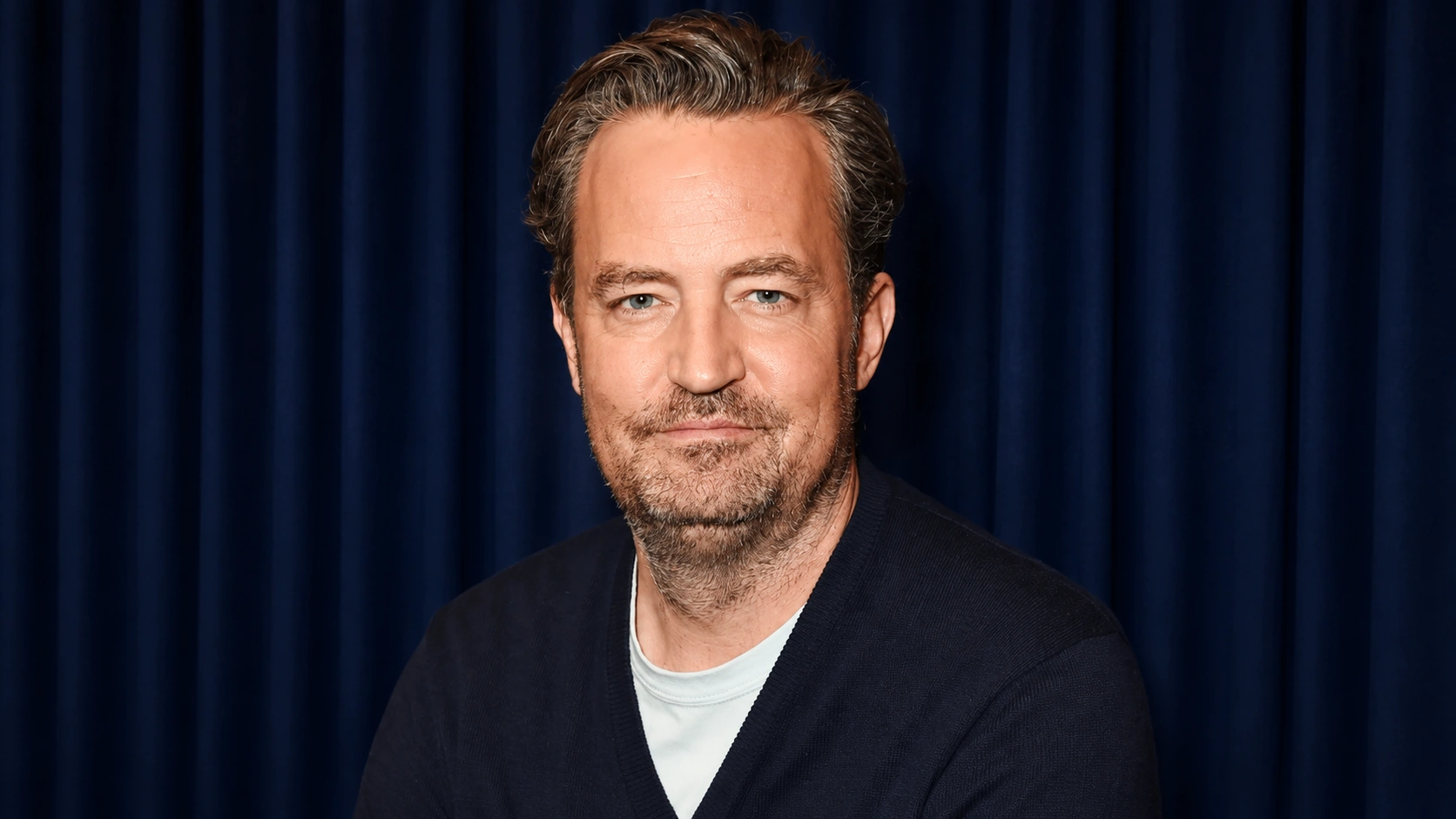
1. Matthew Perry (2023): A Network of People Who Exploited an Addict
- Age at death: 54
- Location and date: Found face-down in his heated pool, Pacific Palisades, Los Angeles, October 28, 2023
- Substances used: Ketamine (high acute level)
- Official cause: Accidental overdose of ketamine, combined with drowning
- Legal outcome: Five people charged and convicted: two physicians, his personal assistant, a middleman, and dealer Jasveen Sangha (“Ketamine Queen”), sentenced to 15 years in federal prison on April 8, 2026
Matthew Perry, known for Chandler Bing on Friends, spoke openly about addiction in his 2022 memoir. He received ketamine through a physician before obtaining more elsewhere.
In his final days, multiple daily injections occurred. On the day he died, several doses left him incapacitated before entering the water. For a full breakdown of the investigation and the five people convicted in connection with his death, here is what really happened in the Matthew Perry case.
| ⚠️ Advisory: Ketamine has legitimate clinical uses for treatment-resistant depression. At high doses without medical monitoring, it causes dissociation, cardiovascular strain, and loss of consciousness. Any ketamine use outside a supervised clinical environment carries serious risk. |
2. Michael Jackson (2009): When a Doctor Becomes a Dealer
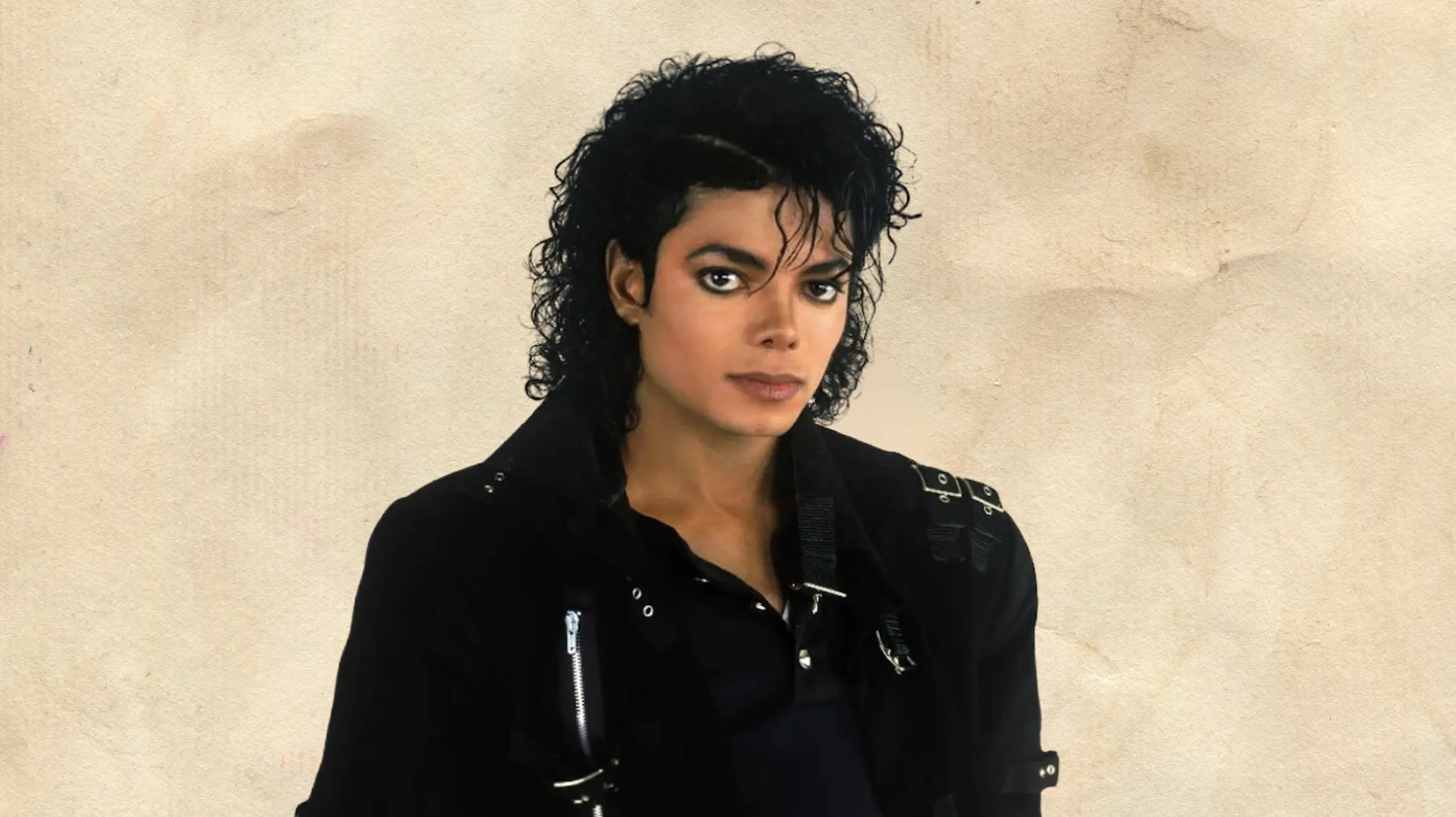
- Age at death: 50
- Location and date: His Holmby Hills home, Los Angeles, June 25, 2009
- Substances used: Propofol, lorazepam, midazolam
- Official cause: Acute propofol and benzodiazepine intoxication, ruled homicide
- Legal outcome: Dr. Conrad Murray convicted of involuntary manslaughter; served two years in prison
Michael Jackson’s physician administered propofol at home to help him sleep, outside proper medical settings. The drug requires monitored equipment not present there.
This case set a major precedent for physician liability and exposed risks of using surgical anesthetics without clinical supervision.
3. Prince (2016): Fentanyl Hidden Inside a Painkiller
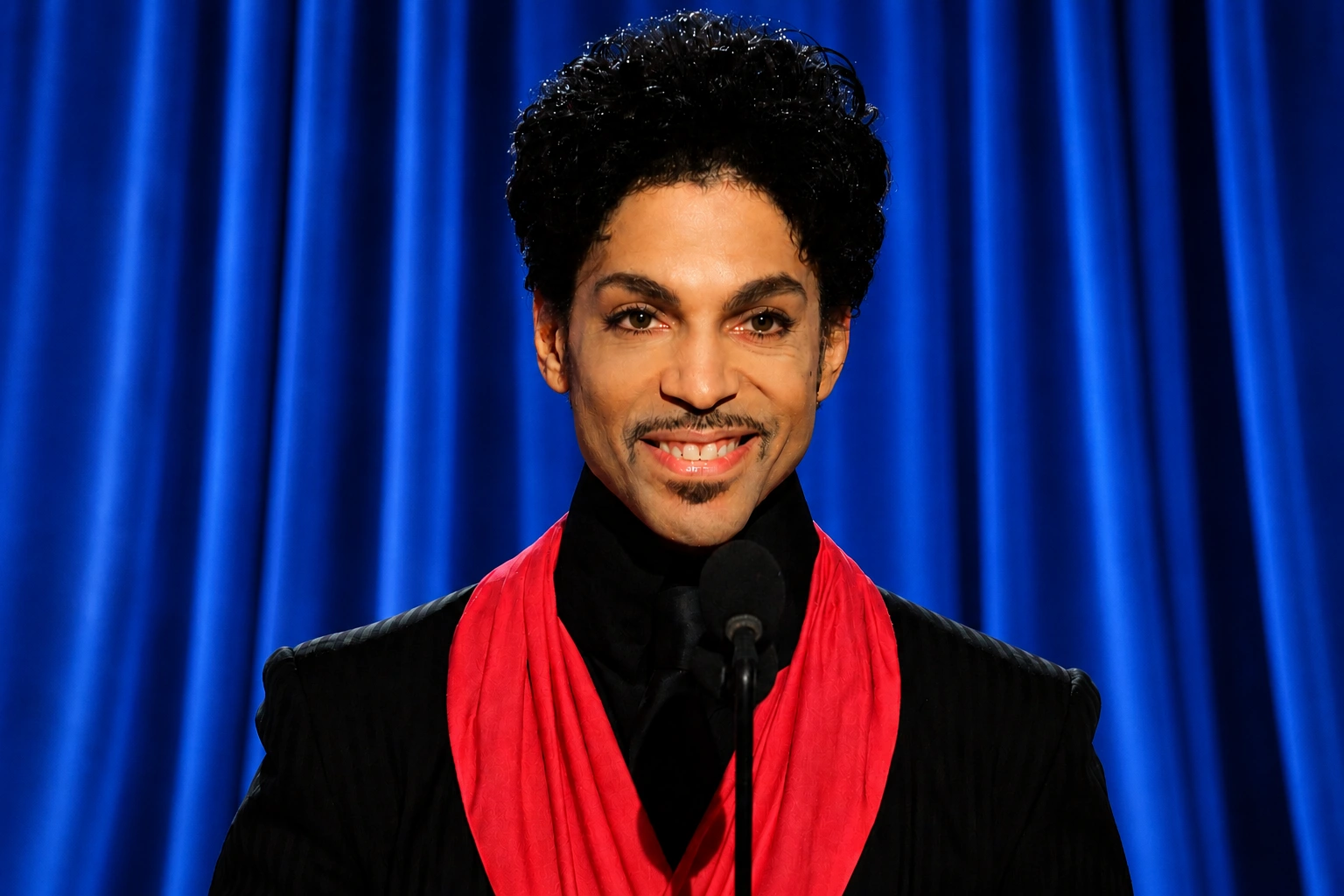
- Age at death: 57
- Location and date: Paisley Park estate, Chanhassen, Minnesota, April 21, 2016
- Substances used: Fentanyl, pressed into counterfeit Vicodin tablets
- Official cause: Accidental self-administered fentanyl overdose
- Legal outcome: No charges filed; the source of the counterfeit pills was never formally prosecuted
Prince sold over 150 million records, won seven Grammy Awards, and performed at such a high level of physical intensity that he developed chronic pain throughout his career. He almost certainly did not know the pills he took contained fentanyl.
They were pressed to look identical to a legitimate prescription painkiller. His death was one of the first major public demonstrations that fentanyl had embedded itself in the counterfeit pill market. The DEA now reports that six out of ten fentanyl-laced counterfeit pills seized contain a potentially lethal dose.
| ⚠️ Advisory: Any pill not dispensed by a licensed pharmacy carries a fentanyl contamination risk, including pills that look exactly like Percocet, Xanax, or Vicodin. Fentanyl test strips detect fentanyl in pills and powders in under five minutes and are available at many pharmacies without a prescription. |
4. Philip Seymour Hoffman (2014): 23 Years Sober, Then Relapse
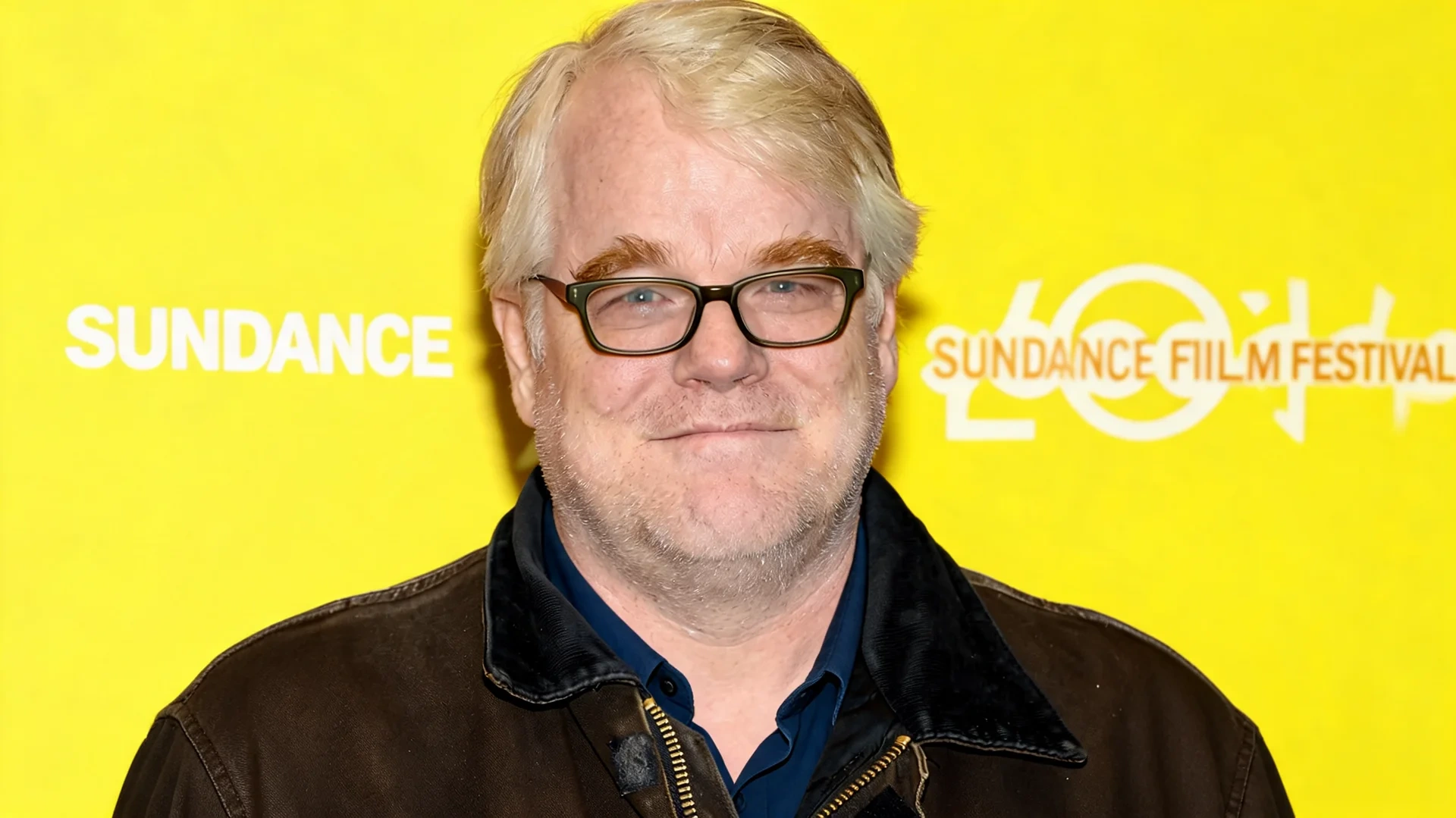
- Age at death: 46
- Location and date: Bathroom of his Manhattan apartment, February 2, 2014
- Substances used: Heroin, cocaine, benzodiazepines, amphetamine
- Official cause: Acute mixed drug intoxication
- Legal outcome: None; no criminal charges were filed in connection with his death
Philip Seymour Hoffman won an Academy Award for Capote and remained sober for 23 years after early treatment. He relapsed in 2012. His case shows how reduced tolerance after sobriety can make previously used doses physically dangerous.
For anyone in recovery or supporting someone who is, this guide on cold turkey withdrawal risks explains what happens physically when someone stops depressants and why medically supervised support matters.
5. Heath Ledger (2008): Killed by His Own Prescription Cabinet
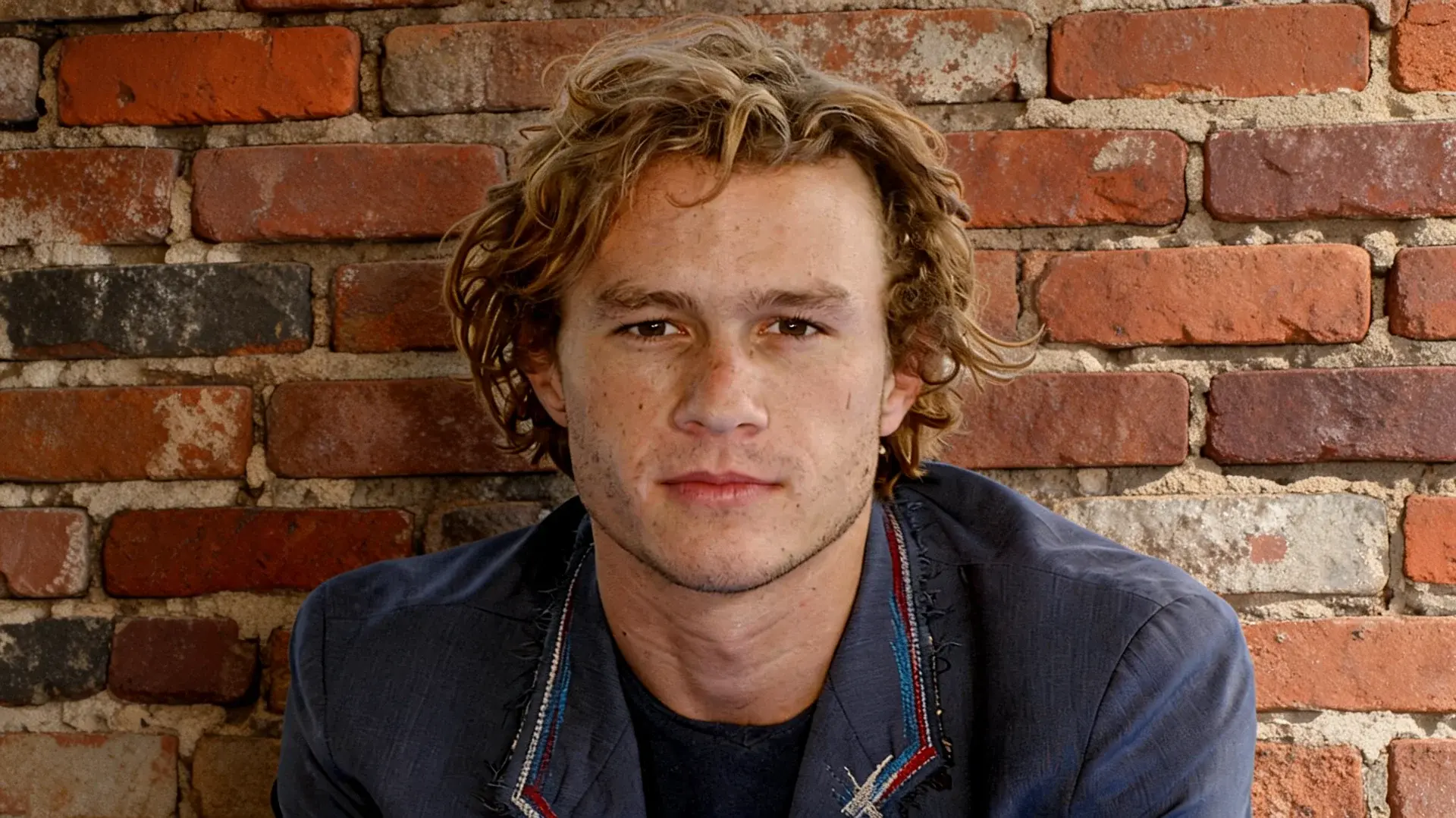
- Age at death: 28
- Location and date: His Manhattan SoHo apartment, January 22, 2008
- Substances used: Oxycodone, hydrocodone, diazepam, temazepam, alprazolam, doxylamine
- Official cause: Accidental acute combined drug intoxication
- Legal outcome: None; all substances were legally prescribed, and no criminal charges were filed
Heath Ledger completed The Dark Knight before his death, later earning a posthumous Academy Award. Six prescribed substances were found in his system.
Individually, none was lethal at the dose present. Together, they produced fatal respiratory suppression. His case led to stronger focus on the risks of uncoordinated multi-prescription use.
6. Whitney Houston (2012): Cocaine and Water

- Age at death: 48
- Location and date: Beverly Hilton Hotel, Beverly Hills, February 11, 2012
- Substances used: Cocaine, marijuana, alprazolam, cyclobenzaprine, diphenhydramine
- Official cause: Accidental drowning, with atherosclerotic heart disease and cocaine use as contributing factors
- Legal outcome: None; no criminal charges were filed in connection with her death
Whitney Houston sold over 200 million records across a career that produced some of the most recognized songs in pop history. Cocaine caused cardiovascular strain, she lost consciousness, and slipped beneath the water in the bathtub.
Two days before her death, she performed an impromptu duet at a pre-Grammy party. Those who were there did not know it would be the last time.
7. Angus Cloud (2023): One Week After Burying His Father
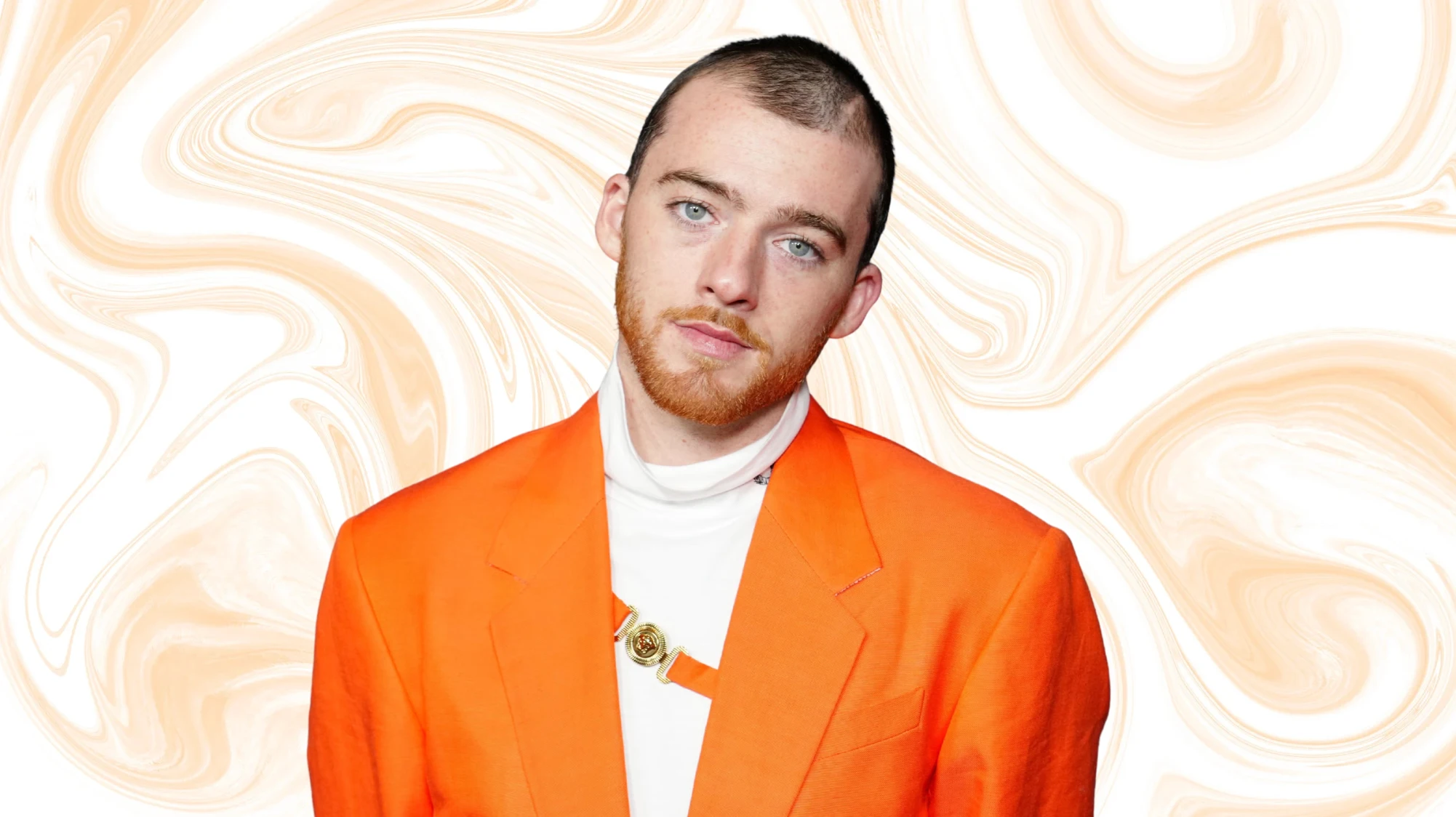
- Age at death: 25
- Location and date: His home in Oakland, California, July 31, 2023
- Substances used: Methamphetamine, cocaine, fentanyl, benzodiazepines
- Official cause: Combined drug toxicity
- Legal outcome: None; no criminal charges were filed in connection with his death
Angus Cloud gained recognition as Fezco on Euphoria despite having no prior acting experience. He died shortly after his father’s death. His case highlights how grief increases acute risk and how fentanyl is now routinely found contaminating non-opioid drugs like cocaine and methamphetamine.
Test strips and naloxone exist precisely for situations like his. Neither requires a prescription.
8. Amy Winehouse (2011): The 27 Club’s Most Painful Loss

- Age at death: 27
- Location and date: Her home in Camden, London, July 23, 2011
- Substances used: Alcohol (blood alcohol level more than five times the UK legal drink-drive limit)
- Official cause: Accidental alcohol poisoning
- Legal outcome: None; no criminal charges were filed in connection with her death
Amy Winehouse won five Grammy Awards in one night in 2008, including Song of the Year for “Rehab.” She had been attempting to reduce her alcohol use in the weeks before her death, cycling between abstinence and relapse.
The 2015 documentary Amy, directed by Asif Kapadia, documented how inadequate the professional support around her was as her condition worsened. She joins a grim roster of artists who died at 27, a list that also includes Jimi Hendrix, Janis Joplin, and Jim Morrison. Kurt Cobain, who died at 27 in 1994, is frequently mentioned alongside them, though his death was ruled a suicide rather than an overdose. What all these cases share is addiction that reached crisis without adequate intervention. Winehouse had talent, fame, and people who loved her, yet still lacked access to the sustained, structured care her situation required.
9. Mac Miller (2018): Fentanyl in a Counterfeit Pill
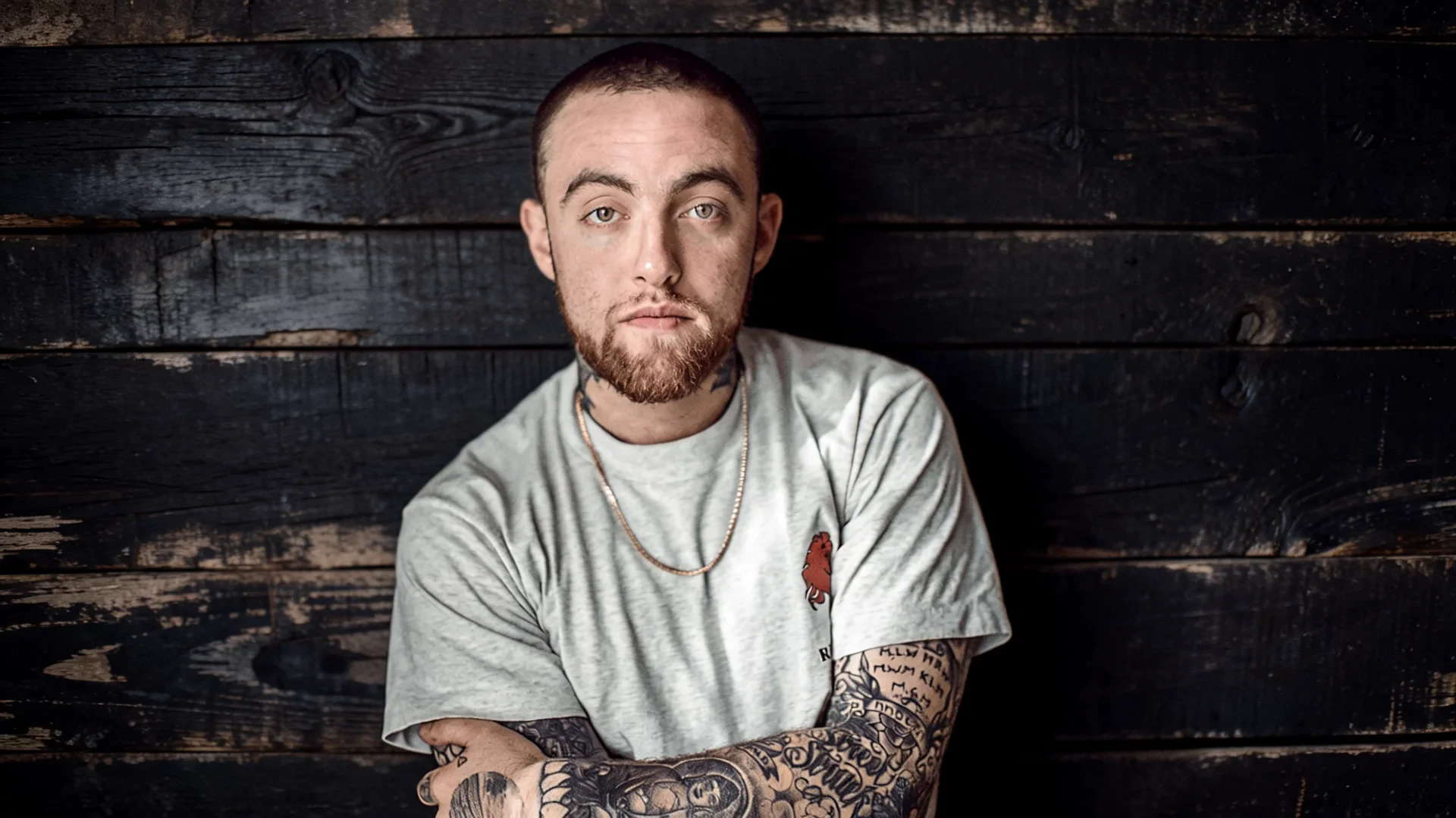
- Age at death: 26
- Location and date: His home in Studio City, California, September 7, 2018
- Substances used: Fentanyl from a counterfeit oxycodone pill, cocaine, and alcohol
- Official cause: Accidental mixed drug intoxication
- Legal outcome: Three people convicted, including the dealer who supplied the counterfeit pill; one of the first major fentanyl supply chain prosecutions in the US
Mac Miller built his audience through independent mixtapes and went on to become one of hip-hop’s most respected writers. His albums Swimming and Circles remain among the most emotionally articulate records of his generation.
Like Prince, he did not know the pill he took contained fentanyl. The prosecution that followed his death set an early precedent for holding fentanyl distributors accountable for specific overdose deaths.
10. Coolio (2022): Still Active at 59

- Age at death: 59
- Location and date: A friend’s home in Los Angeles, September 28, 2022
- Substances used: Fentanyl, heroin, methamphetamine
- Official cause: Accidental combined drug intoxication, with pre-existing cardiac disease as a contributing factor
- Legal outcome: None; no criminal charges were filed in connection with his death
“Gangsta’s Paradise” defined a moment in 1990s hip-hop and remains one of the most recognizable singles of the decade. Coolio had spoken candidly over the years about his struggles with crack cocaine.
His death at 59 is a reminder that addiction does not follow a predictable age arc. The disease does not resolve because someone gets older, more established, or better known. Treatment remains available and effective at any point.
11. DMX (2021): A Lifetime of Honesty About Crack Cocaine
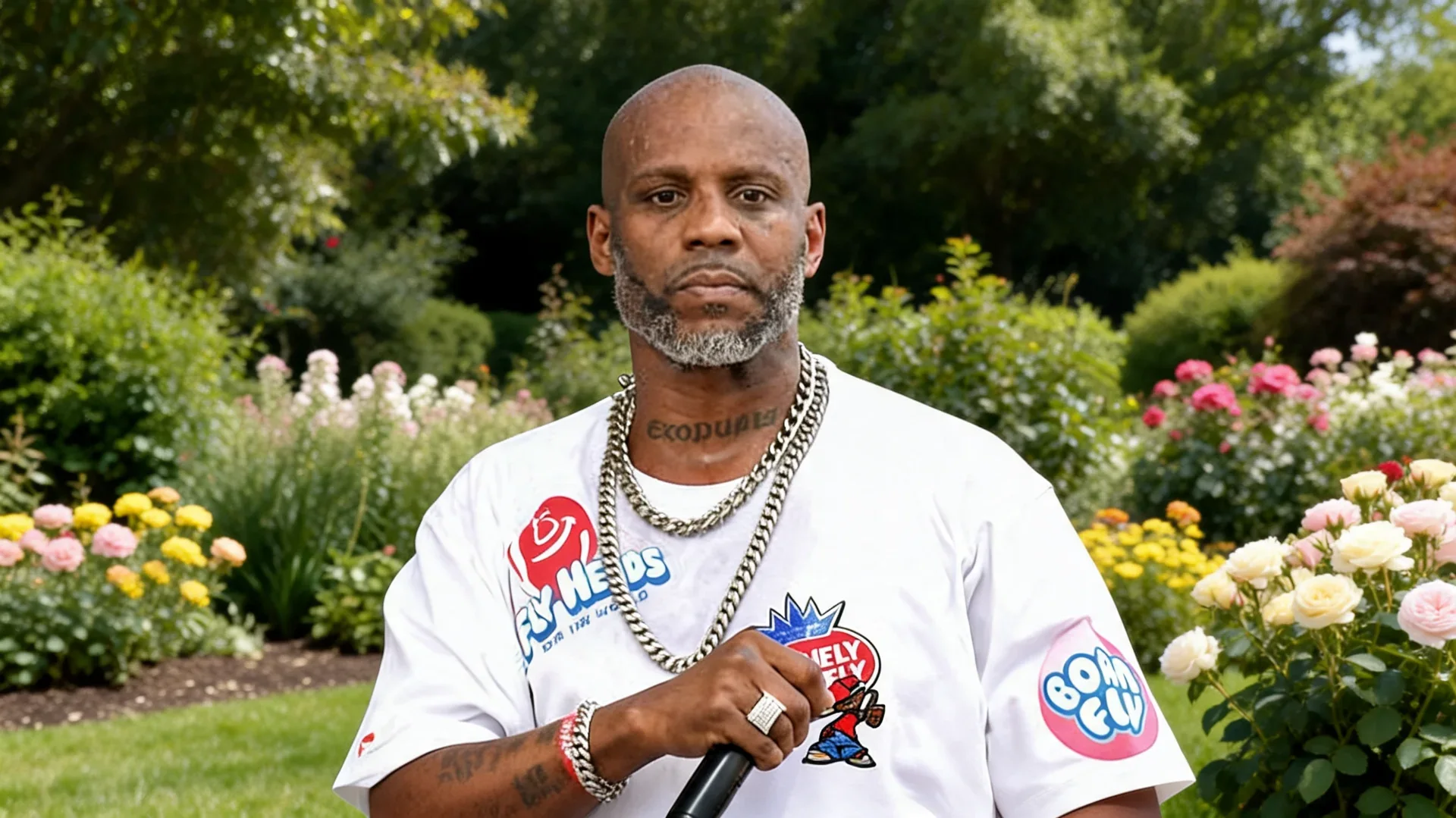
- Age at death: 50
- Location and date: Collapsed at his home in Yonkers, New York, April 2, 2021; died April 9, 2021
- Substances used: Cocaine
- Official cause: Cocaine-induced cardiac arrest, leading to loss of blood circulation to the brain
- Legal outcome: None; no criminal charges were filed in connection with his death
Earl Simmons, known as DMX, produced five consecutive number-one albums and was one of the most spiritually raw voices in hip-hop. He spoke about his crack cocaine use openly in virtually every long-form interview of his career and entered rehabilitation more than 12 times.
He is remembered for a career-long refusal to perform the denial that surrounded many of the other names on this list. His Brooklyn funeral drew thousands.
12. River Phoenix (1993): 23 Years Old on Halloween Night

- Age at death: 23
- Location and date: Outside the Viper Room, Sunset Strip, Los Angeles, October 30, 1993
- Substances used: Cocaine and heroin (speedball combination)
- Official cause: Acute multiple drug ingestion
- Legal outcome: None; no criminal charges were filed in connection with his death
River Phoenix was one of the most technically gifted young actors of his generation, receiving an Academy Award nomination for Best Supporting Actor at 18 for Running on Empty. His brother Joaquin, who was present when he collapsed, called 911.
The recording was later released publicly. The loss of River Phoenix at 23 remains one of the most discussed in modern Hollywood history, defined by what he had already accomplished and what lay ahead.
13. Jimi Hendrix (1970): A Brilliant Guitarist Lost to a Deadly Mix
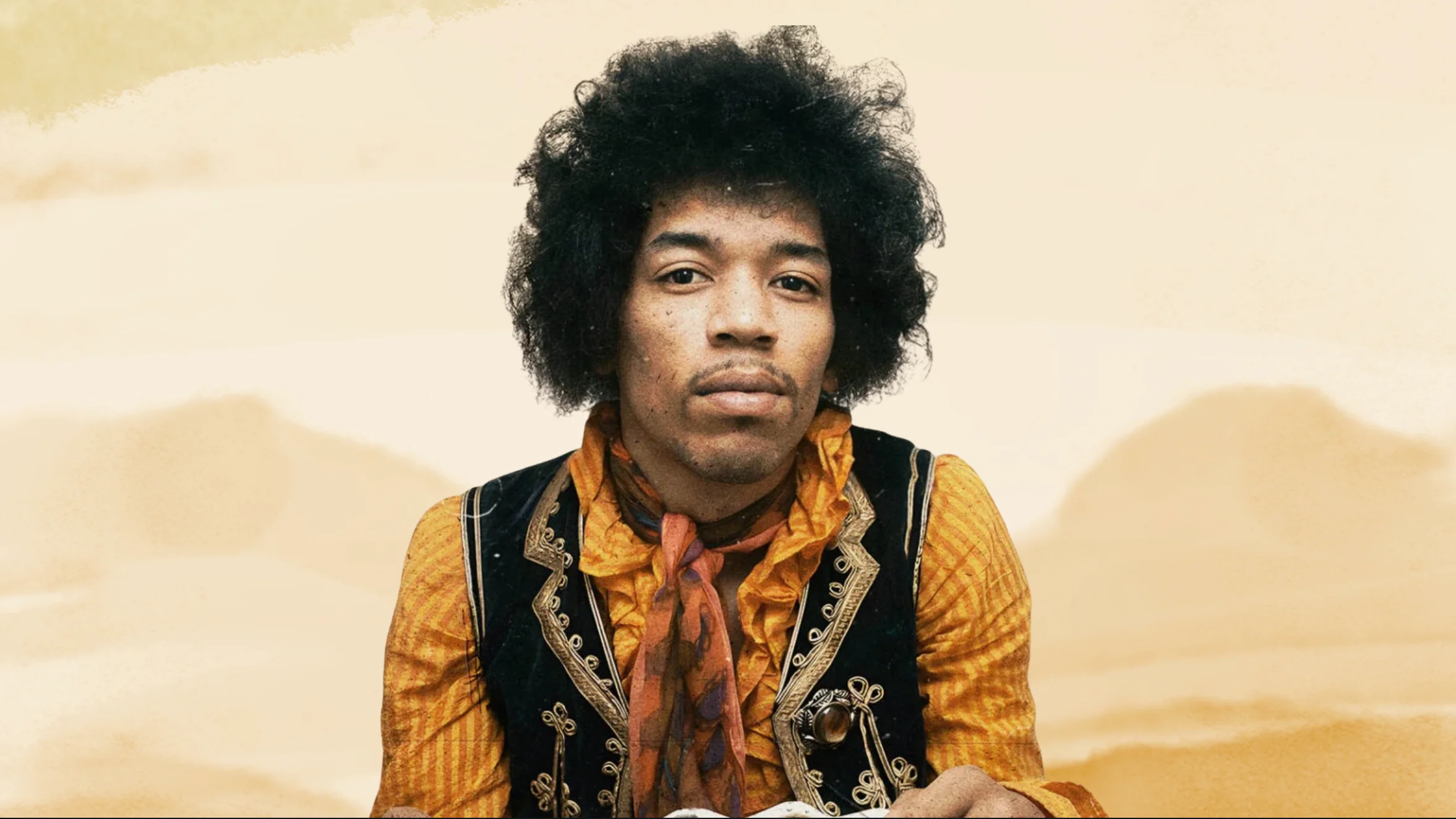
- Age at death: 27
- Location and date: Samarkand Hotel, London, September 18, 1970
- Substances used: Barbiturates (sleeping pills belonging to someone else), alcohol
- Official cause: Asphyxiation caused by barbiturate overdose combined with alcohol
- Legal outcome: None; no criminal charges were filed in connection with his death
His death highlighted the risks of mixing sedatives with alcohol, a danger poorly understood at the time. It showed how limited awareness and lack of medical guidance left artists vulnerable during demanding schedules, intense pressure, and constant exposure to substances without clear support or intervention.
14. Janis Joplin (1970): A Powerful Voice Silenced by Overdose
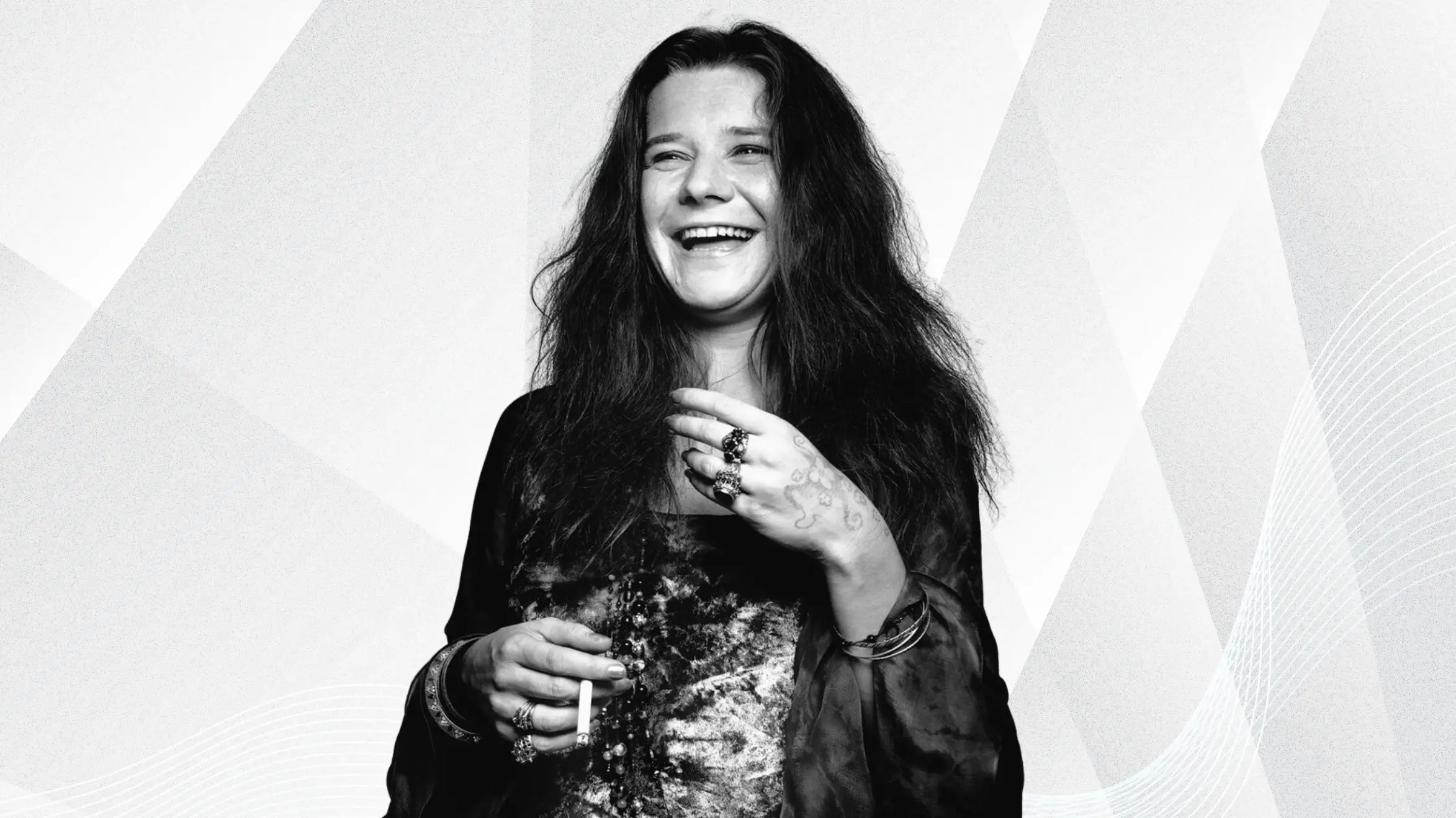
- Age at death: 27
- Location and date: Landmark Motor Hotel, Hollywood, October 4, 1970
- Substances used: Heroin (batch believed to be unusually potent)
- Official cause: Heroin overdose
- Legal outcome: None; no criminal charges were filed in connection with her death
Her death showed the unpredictability of drug potency and the absence of safeguards or support systems for artists facing substance use. It reflected a wider issue where inconsistent supply, isolation, and pressure increased risk, while reliable information and care options often remained limited or unavailable.
15. Elvis Presley (1977): A Music Icon Lost to Prescription Drug Use
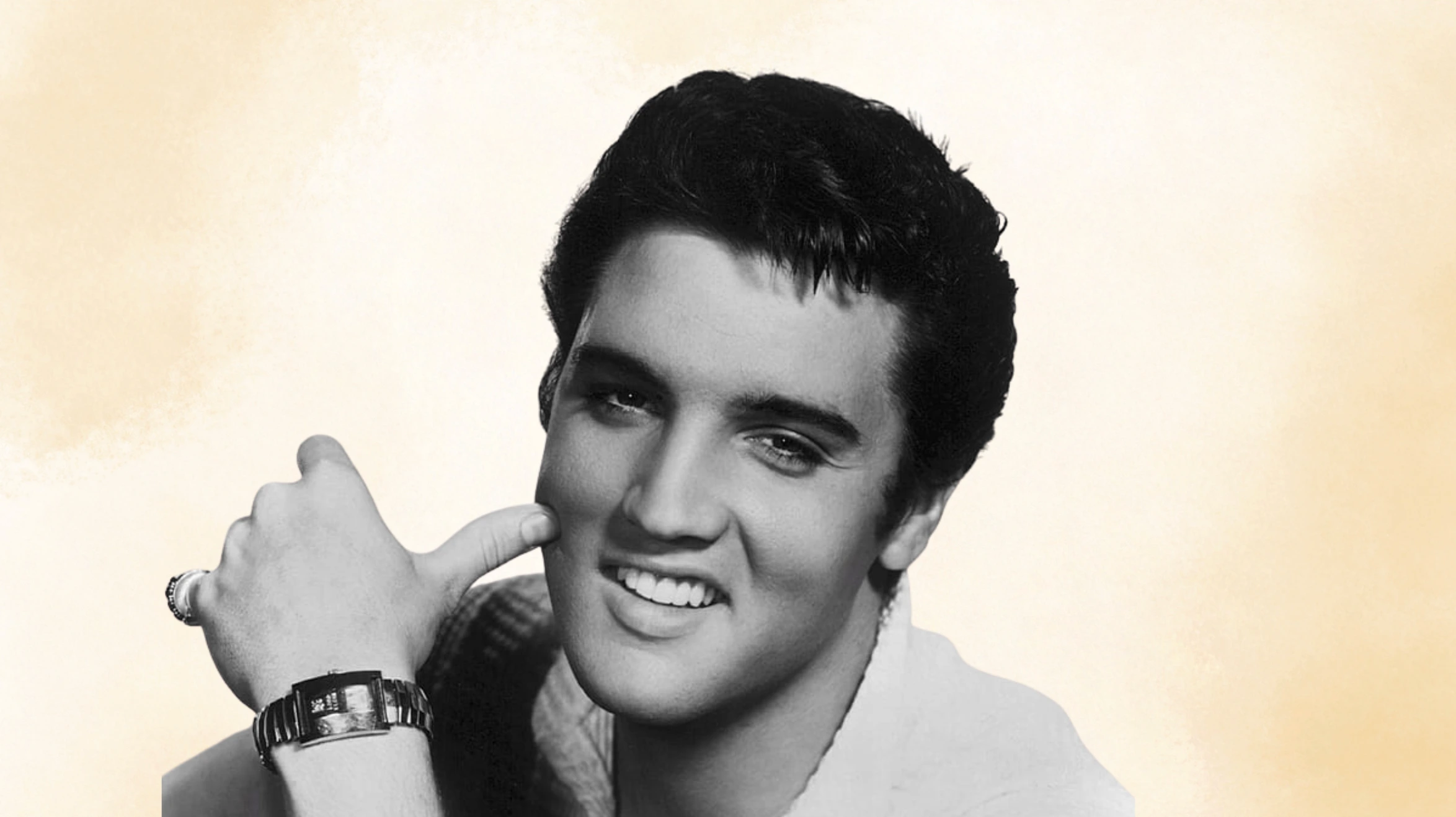
Age at death: 42
Location and date: Graceland, Memphis, August 16, 1977
Substances used: Prescription medications (including opioids, sedatives, and stimulants)
Official cause: Cardiac arrest linked to prescription drug use
Legal outcome: None; no criminal charges were filed in connection with his death
His death highlighted the dangers of long-term prescription drug use without close medical oversight. It showed how access to multiple medications, combined with physical strain and isolation, increased risk, while consistent monitoring and structured care remained limited or unclear.
16. Marilyn Monroe (1962): A Hollywood Star Lost to Sedative Overdose

Age at death: 36
Location and date: Brentwood, Los Angeles, August 5, 1962
Substances used: Barbiturates
Official cause: Acute barbiturate poisoning
Legal outcome: Recorded as probable suicide; no criminal charges were filed
Her death brought attention to the risks linked with sedative use during periods of emotional distress. It reflected how reliance on medication, paired with limited mental health support, could lead to fatal outcomes without timely intervention or consistent care.
17. Judy Garland (1969): A Legendary Performer Lost to Barbiturate Overdose
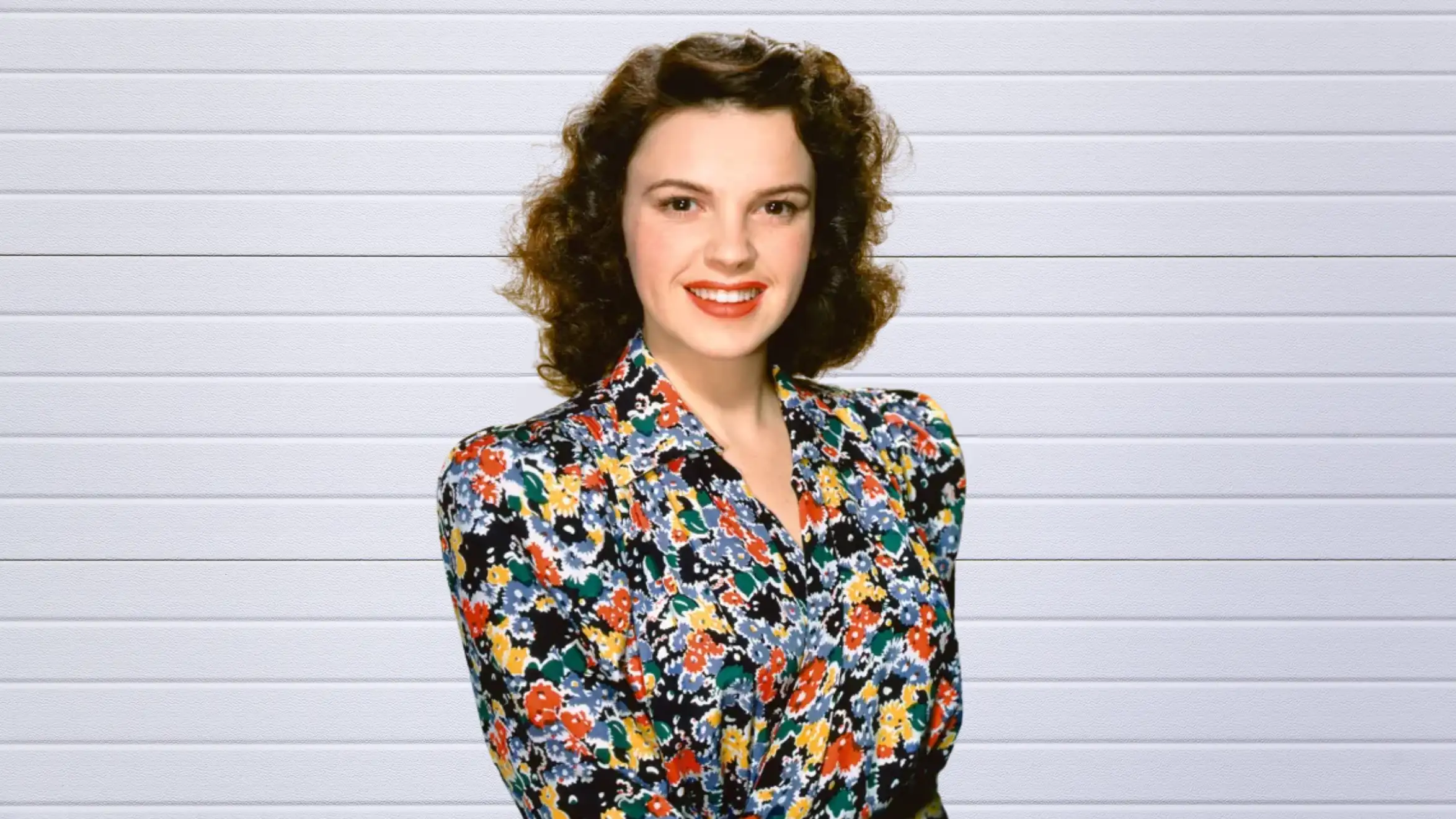
Age at death: 47
Location and date: Belgravia, London, June 22, 1969
Substances used: Barbiturates
Official cause: Accidental barbiturate overdose
Legal outcome: None; no criminal charges were filed in connection with her death
Her death showed the risks of prolonged dependence on prescribed sedatives. It highlighted how early exposure to medication and ongoing pressures increased vulnerability, while long-term support systems and safer prescribing practices were not firmly in place.
18. Anna Nicole Smith (2007): A Public Figure Lost to Combined Drug Effects
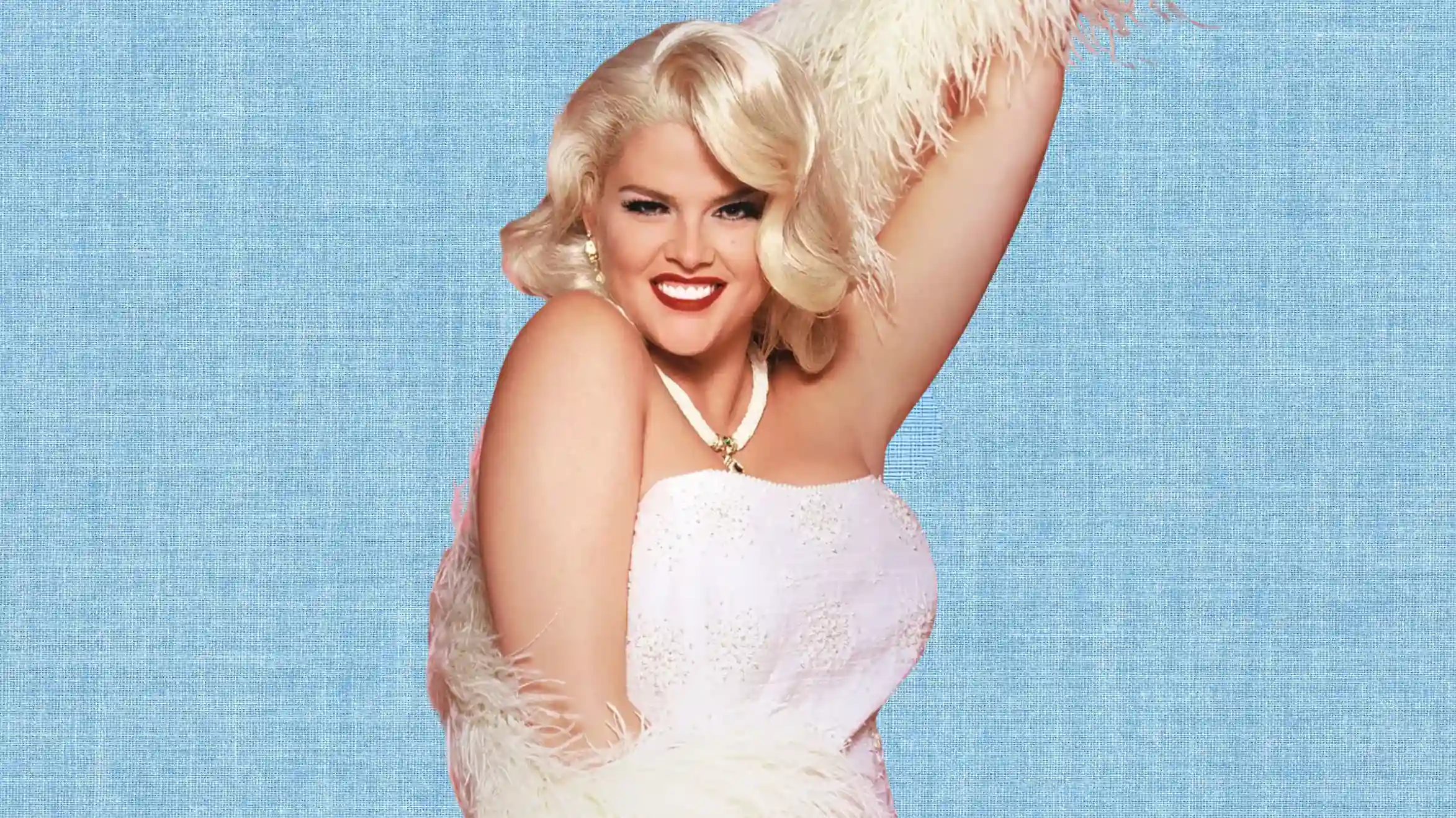
Age at death: 39
Location and date: Seminole Hard Rock Hotel, Hollywood, Florida, February 8, 2007
Substances used: Prescription drugs (including sedatives and anti-anxiety medications)
Official cause: Combined drug intoxication
Legal outcome: Initial charges against associates were later dismissed
Her death underscored the dangers of combining multiple medications. It reflected how overlapping prescriptions, unclear oversight, and personal stress increased risk, while coordination between providers and monitoring of drug interactions remained inconsistent.
19. Cory Monteith (2013): A Television Star Lost to Combined Substance Use

Age at death: 31
Location and date: Fairmont Pacific Rim Hotel, Vancouver, July 13, 2013
Substances used: Heroin and alcohol
Official cause: Mixed drug toxicity involving heroin and alcohol
Legal outcome: None; no criminal charges were filed in connection with his death
His death highlighted the risks of relapse and combining substances after periods of sobriety. It showed how reduced tolerance and lack of immediate support increased danger, while sustained recovery systems and follow-up care remained limited.
20. Tom Petty (2017): A Songwriter Lost to Accidental Overdose
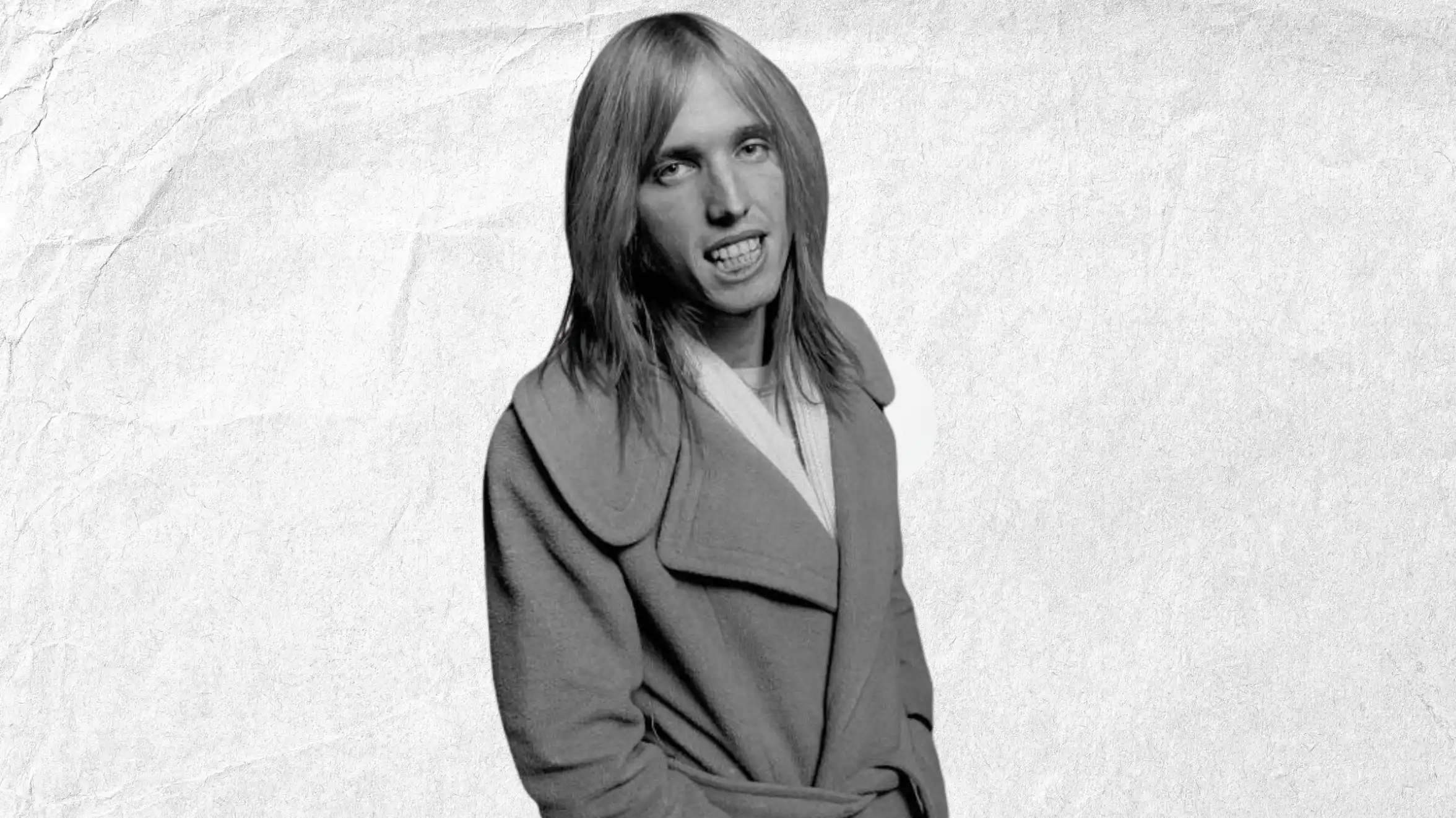
Age at death: 66
Location and date: Santa Monica, California, October 2, 2017
Substances used: Prescription medications (including opioids and sedatives)
Official cause: Accidental overdose due to mixed drug toxicity
Legal outcome: None; no criminal charges were filed in connection with his death
His death highlighted the risks tied to managing chronic pain with multiple medications. It reflected how combining drugs for relief increased risk, while clearer guidance, monitoring, and safer pain management approaches were still evolving.
21. Chris Farley (1997): The Pattern John Belushi Started

- Age at death: 33
- Location and date: His Chicago apartment, December 18, 1997
- Substances used: Morphine and cocaine (speedball combination)
- Official cause: Acute intoxication by morphine and cocaine, with advanced cardiovascular disease as a contributing factor
- Legal outcome: None; no criminal charges were filed in connection with his death
Chris Farley idolized John Belushi. Both were Saturday Night Live cast members. Both were physically expressive, high-energy comedians whose substance use was visible to people around them. Both died from the same drug combination.
People close to Farley described watching him cycle through treatment and relapse for years. He had received professional care multiple times, knew the risks in a way most people do not, and the disease did not care.
More US Celebrities Lost to Drugs
This list highlights additional US celebrities whose deaths received less coverage but reflect the same patterns. Each case adds to the broader picture of risk linked to substance use:
| Name | Known For | Year | Cause of Death |
|---|---|---|---|
| John Belushi | SNL, Animal House | 1982 | Cocaine and heroin speedball |
| Jim Morrison | The Doors, Light My Fire | 1971 | Heart failure; suspected heroin or alcohol involvement (no autopsy performed) |
| Dolores O’Riordan | The Cranberries, “Zombie” | 2018 | Accidental drowning while intoxicated with alcohol |
| Juice WRLD | Rapper, “Lucid Dreams” | 2019 | Oxycodone and codeine |
| Michael K. Williams | The Wire (Omar Little) | 2021 | Fentanyl-laced heroin |
| Lil Peep | Emo rap | 2017 | Fentanyl and alprazolam |
Jim Morrison of The Doors died in Paris on July 3, 1971, at age 27. French authorities recorded the official cause as heart failure. No autopsy was performed, and his body was discovered in a bathtub by his girlfriend Pamela Courson. Because no toxicology was conducted, the exact role of substances in his death was never formally established. Multiple accounts from people close to him point to significant heroin and alcohol use in his final months. His case is a reminder that the absence of a formal finding does not mean the absence of risk, and it is one of the reasons harm reduction advocates emphasize that people do not have to be in a confirmed crisis for intervention to matter.
Each case above reflects patterns seen across decades, where similar risk factors repeat. Awareness, safer practices, and access to support can reduce harm and improve outcomes for individuals facing substance-related challenges.
The Culture of Substance Use in Hollywood: Why So Many Celebrities Are Affected
Substance use in Hollywood follows a clear pattern shaped by environment and pressure. Access and supply are constant, with substances present at events and easily obtained through networks or prescriptions with limited oversight.
Financial power removes barriers that might otherwise slow use. At the same time, public pressure creates ongoing stress. Long work hours, lack of sleep, physical strain, and isolation increase reliance on coping methods that can become harmful.
Industry structures also play a role. Career protection systems often prioritize output over well-being, while close staff relationships can blur boundaries around intervention. Media influence adds another layer.
Normalization in film and music presents substance use as routine, which can shape behavior, especially for younger artists. Together, these factors create a setting where risk builds gradually.
While awareness around mental health has improved, the combination of access, pressure, and weak safeguards still drives outcomes seen across many high-profile cases.
Why Poly-Drug Use Is So Deadly
Most overdose deaths in entertainment involve multiple substances taken together. The interaction between drugs changes how the body responds, increasing respiratory suppression risk beyond what single substance use would cause.
- Combined depressant effects overlap: opioids and benzodiazepines suppress breathing through separate pathways, compounding risk significantly
- Toxicology reports patterns: multiple substances appear together in cases involving Ledger, Hoffman, Cloud, and Petty
- Alcohol increases sedation: alcohol amplifies opioid effects and weakens protective responses, making breathing suppression more likely
- Hidden fentanyl contamination occurs: stimulants like cocaine or methamphetamine increasingly contain opioids, exposing users to risk they do not anticipate
There is also the relapse window, when tolerance drops after sobriety but previous dosing habits remain. Returning to earlier amounts can overwhelm the body, leading to fatal outcomes driven by physiology, not intent.
Naloxone: The Tool That Reverses Opioid Overdose
Naloxone, often known by the brand name Narcan, rapidly reverses opioid overdose by blocking opioid receptors and restoring normal breathing within minutes. It is safe to use even when opioid involvement is uncertain and is widely accessible across the United States.
Over-the-counter access means it is available as a nasal spray or injection at most pharmacies without a prescription. Many public health programs and local departments provide it at no cost, improving community-level response to overdoses.
The World Health Organization lists naloxone as an essential medicine, reinforcing its role in emergency care. Fentanyl test strips also allow individuals to check substances for contamination before use, delivering results in under five minutes.
A 2025 systematic review and meta-analysis found that community-based naloxone distribution programs reported a 98% survival rate when administered by lay persons during an overdose.
When to Seek Emergency Care
⚠️ Call 911 immediately if you observe any of the following:
If opioids are involved or suspected: administer naloxone (Narcan) immediately while waiting for emergency services. Do not wait to see if the person recovers on their own. Many people in the cases above might have survived with faster intervention. SAMHSA’s National Helpline: 1-800-662-4357. Poison Control: 1-800-222-1222. |
Frequently Asked Questions
Which celebrities died from drugs most recently?
The most recent high-profile cases are Matthew Perry and Angus Cloud, both in 2023. Perry died from acute ketamine toxicity and drowning on October 28, 2023. Cloud died from combined drug toxicity involving methamphetamine, cocaine, fentanyl, and benzodiazepines on July 31, 2023, a week after his father’s funeral. Both cases occurred in the same calendar year, reinforcing that drug-related deaths among public figures have not declined.
Did Kurt Cobain die from a drug overdose?
No. Kurt Cobain’s official cause of death, ruled on April 8, 1994, was a self-inflicted gunshot wound. He was 27. Toxicology confirmed a very high level of heroin and diazepam in his system at the time of death, and his severe heroin addiction was well-documented in the months before he died. His death is often grouped with the 27 Club and discussed alongside overdose deaths because of how central addiction was to his final period of life, but the official record distinguishes it as a suicide.
Can prescription monitoring programs prevent overdose deaths?
Prescription monitoring programs track controlled drug prescriptions across providers. They help identify risky combinations and early signs of duplicate prescribing. While not perfect, they improve coordination between doctors and reduce the likelihood of unsafe medication overlaps.
Why is fentanyl so difficult to detect without testing?
Fentanyl has no taste, smell, or visible difference from other substances. It blends easily into powders or pills, making visual identification impossible. This is why test strips remain one of the few practical ways to detect its presence before use.
Do genetic factors influence addiction risk?
Genetics can affect how the brain responds to substances, including reward sensitivity and impulse control. While not deterministic, family history can increase vulnerability, especially when combined with environmental stressors and early exposure to substance use.
How does chronic pain increase overdose risk?
Chronic pain often leads to long-term medication use, sometimes involving multiple prescriptions. Over time, tolerance, dosage adjustments, and drug combinations can increase risk, especially when care is not closely monitored across different providers. Tom Petty and Elvis Presley both reflect this pattern.
What role does sleep deprivation play in substance use?
Lack of sleep affects judgment, emotional regulation, and decision-making. Over time, it can increase reliance on stimulants or sedatives to manage energy and rest, creating a cycle that raises the risk of unsafe substance use patterns. This is particularly common in high-demand entertainment careers with irregular schedules.
Can early intervention reduce long-term addiction risk?
Early intervention can improve outcomes by addressing substance use before patterns become deeply established. Access to counseling, medical care, and structured support increases the chances of stabilization and reduces the likelihood of severe long-term consequences. DMX entered rehabilitation more than 12 times, and his story shows both the persistence of addiction and the continuing value of attempting treatment at any stage.
Final Verdict
The celebrities who died from drugs on this list represent decades of preventable losses. Most deaths involved pain that was not adequately treated, support that came too late, or substances far more dangerous than the person believed they were taking.
In 2024, the US recorded 79,384 drug overdose deaths, a significant decline from prior years driven partly by expanded naloxone access and medication-assisted treatment. That decline is proof that outcomes can change when access to help improves.
Addiction is a medical condition. Recovery is possible. The gap between someone needing help and reaching it is still too wide, but the resources exist. Drop a comment below and share any further questions.
Sources
- Drug Enforcement Administration. “Facts About Fentanyl.” DEA Public Education Resource. dea.gov
- Fischer B et al. “Effectiveness of Naloxone Distribution in Community Settings: A Systematic Review and Meta-Analysis.” BMC Public Health, 2025. pmc.ncbi.nlm.nih.gov
- FunWithDizzies.com. “Cold Turkey Alcohol Risks, Symptoms and Safer Options.” funwithdizzies.com
- FunWithDizzies.com. “How Long Does Naloxone Last: Uses, Half-Life and Facts.” funwithdizzies.com
- FunWithDizzies.com. “Matthew Perry Murder: Here’s What Really Happened.” funwithdizzies.com