
| ⚠️ Warning: If you or someone you know is struggling with substance dependency, free confidential help is available 24/7 through SAMHSA’s National Helpline: 1-800-662-4357. Call 911 immediately if you experience severe chest pain, difficulty breathing, slow or stopped breathing, or loss of consciousness after nasal spray overuse. |
What Is Afrin Nasal Spray?
Afrin contains oxymetazoline, a decongestant that works by tightening blood vessels inside your nasal passages, reducing swelling and opening airflow fast. People commonly reach for it during colds, flu, sinus infections, seasonal allergies, or any short-term nasal blockage.
Most Afrin labels carry a clear warning: do not use for more than 3 days. That rule exists for a serious reason. After just a few days, your nasal tissues start depending on the spray to stay open. Without it, they swell back up, often worse than before. That is when a short-term fix quietly turns into a hard-to-break habit.
| Active Ingredient | Oxymetazoline (vasoconstrictor) |
| Recommended Use Limit | 3 days maximum |
| Dependency Type | Physical (rhinitis medicamentosa), not chemical addiction |
| Recovery Timeline | A few days to several weeks, depending on duration of use |
| Who to Contact | Primary care doctor or ENT specialist if congestion persists beyond 2 weeks after stopping |
Can You Become Addicted to Afrin?
Afrin is not addictive the way opioids are. It does not create chemical cravings, cause a psychological high, or alter your brain’s reward system. What actually develops is a physical dependency called rhinitis medicamentosa, a condition where the nasal lining becomes so reliant on the spray to stay open that stopping it causes immediate, severe congestion. Research suggests this condition may account for up to 9% of visits to allergists and ENT doctors.
Each time Afrin wears off, the nose swells worse than before, pushing people to spray again just to breathe. This cycle of relief and rebound blockage repeats itself, often trapping users for weeks or even months without them fully realizing what’s happening. Understanding this distinction between physical dependence and true addiction is the first step toward getting out of the cycle.
Why Afrin Causes Rebound Congestion

The very spray that opens your airways eventually trains your nose to stay blocked without it. Here is how that happens.
Blood Vessel Constriction and Rebound Swelling
Oxymetazoline works by mimicking adrenaline in your nasal passages, forcing blood out of the nasal tissues to shrink swelling almost instantly. But once the medication wears off, those same vessels overcompensate by expanding wider than before. The result is rebound congestion that feels worse than the original stuffiness, pushing you to reach for the bottle again.
The Nasal Spray Cycle
The pattern becomes predictable and relentless: you spray and breathe freely, but within hours the medication fades and congestion rushes back harder than before. Each round shortens the window of relief and deepens the blockage, making it harder to imagine getting through a night, or even a few hours, without the bottle nearby.
Why Symptoms Often Feel Worse
With repeated use, your nasal lining becomes chronically inflamed, losing its ability to regulate blood flow naturally. Without the spray, vessels dilate aggressively. Congestion hits fast and feels unbearably severe. Nasal passages turn dry, raw, and irritated, and each spray delivers less relief than the last. Your body has outsourced its natural function to the bottle, and getting it back takes time.
Signs You May Be Dependent on Afrin
Afrin dependency often builds slowly. At first, the spray feels like a quick fix. Over time, you may start relying on it more than you planned. These are the patterns to watch for.
Common Warning Signs
- You reach for the spray every day just to breathe comfortably through your nose.
- You have continued using it long after the recommended three-day limit.
- The bottle stays with you most of the time, by your bed, in your bag, or at work.
- You experience frequent nosebleeds or persistent nasal dryness and irritation.
- Congestion feels completely blocked without the spray, even when your cold or allergies have resolved.
Behavioral Signs
- You feel worried or uneasy when you do not have the spray nearby.
- You use it more frequently, sometimes every hour or two.
- You know you should stop, yet every attempt feels very difficult.
- You use it even when you are not noticeably congested, just as a precaution.
When these signs appear, it is time to take action. The sooner you catch the pattern, the shorter the road to recovery.
How Long Does Afrin Dependency Last?
Recovery is absolutely possible. The timeline varies depending on how long and how heavily the spray was used.
| Factor | Mild | Moderate | Severe |
|---|---|---|---|
| Recovery Time | A few days | 1 to 2 weeks | Several weeks |
| Duration of Use | 3 to 5 days | 1 to 2 weeks | Weeks to months |
| Dosing Frequency | Once or twice daily | Multiple times daily | Around the clock |
| Nasal Sensitivity | Low | Moderate | High |
Most people notice meaningful improvement within 3 to 7 days of stopping. Full recovery typically takes 1 to 4 weeks. The sooner you recognize the pattern and act, the shorter and smoother the road back to normal breathing.
How to Stop Using Afrin Safely
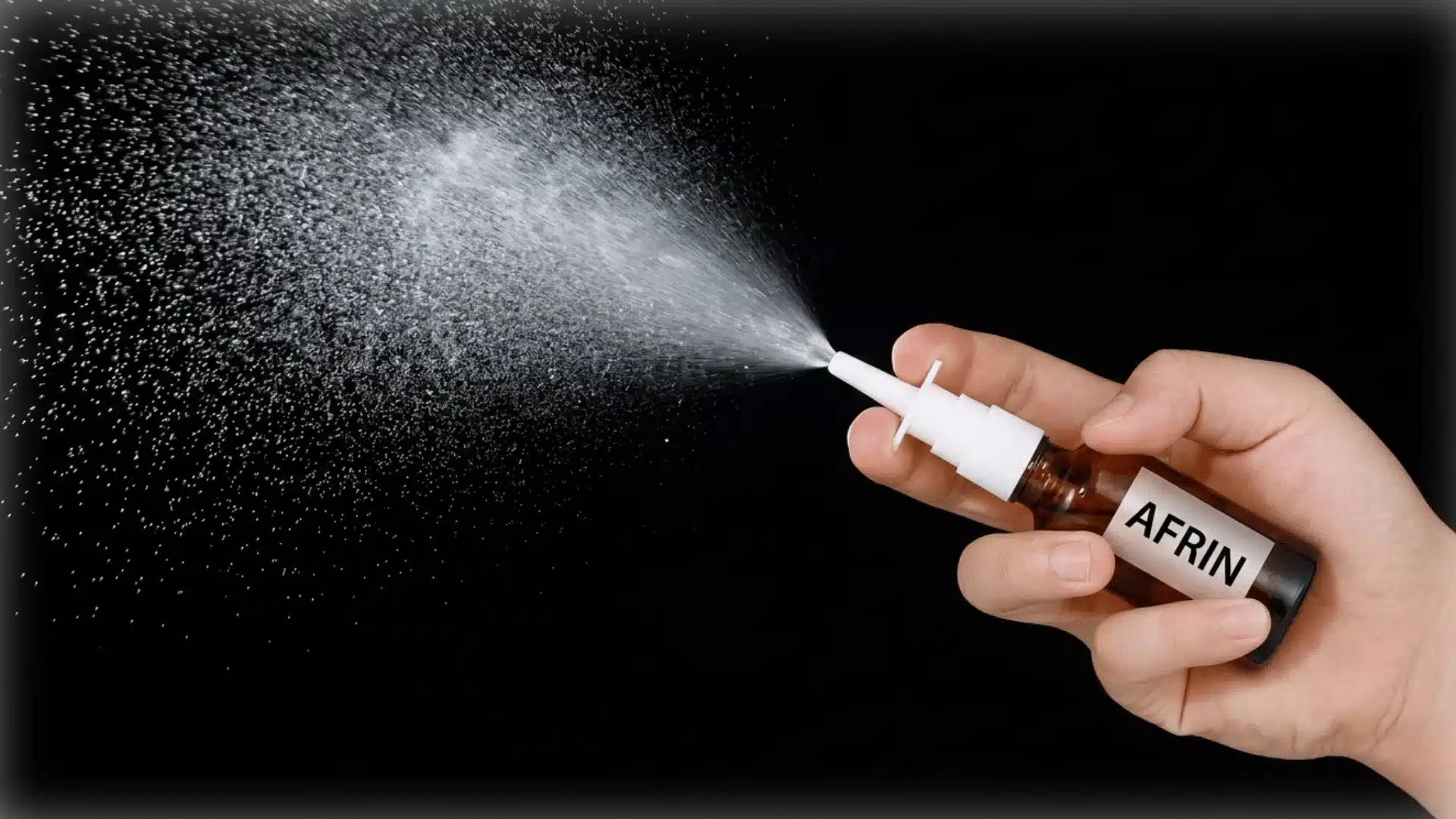
Stopping Afrin can feel daunting, especially when congestion flares the moment you try. There are proven, manageable ways to break free. Here are the most effective approaches doctors recommend.
- Cold turkey: Stop all use at once and push through the temporary congestion spike, which usually clears within 3 to 7 days. This is often the fastest method, but the first few days can be genuinely uncomfortable.
- One-nostril method: Use Afrin in one nostril only, letting the other heal. Once the untreated side opens up, stop completely. Most people find this more manageable than going cold turkey.
- Gradual reduction: Slowly space out doses over days to give your nasal lining time to regain natural function. A structured gradual tapering process is often easier on the body than stopping abruptly, especially after longer periods of use.
- Dilution method: Mix Afrin with saline solution in increasing proportions over time, gradually reducing the oxymetazoline concentration your nose is receiving.
- Steroid nasal sprays: Switch to fluticasone or budesonide to calm inflammation and support healing during withdrawal. Unlike Afrin, these are safe for long-term use when used correctly.
- Oral decongestants: Short-term oral alternatives like pseudoephedrine can bridge the gap when recommended by a doctor, providing relief without triggering nasal rebound.
- Antihistamines: Helpful if allergies were the original trigger, reducing the underlying inflammation that started the cycle.
No single method works for everyone. Your best path depends on how deep the dependency runs. When in doubt, a doctor can guide you to the safest and fastest exit.
Home Remedies That Help During Afrin Withdrawal
While your nose heals, these simple home remedies can ease the discomfort and support recovery.
- Saline nasal sprays: Moisturize dry passages and flush out irritants without any rebound risk. Safe to use as often as needed.
- Steam inhalation: Breathing warm steam from a hot shower (10 to 15 minutes) or a bowl of steaming water with a towel tent loosens mucus and soothes dryness almost instantly.
- Humidifier: Running one in your room overnight keeps nasal tissues hydrated and makes a bigger difference than most people expect.
- Neti pot rinse: A nasal rinse with saline solution can flush stubborn congestion naturally and gently.
- Elevated sleep position: Sleeping with your head raised on two pillows uses gravity to reduce nasal congestion, improving nighttime breathing.
- Stay hydrated: Drinking at least 8 to 10 glasses of water daily thins mucus and supports tissue healing throughout recovery.
None of these fix the problem overnight, but together they make withdrawal significantly easier to get through.
Alternatives to Afrin for Nasal Congestion
Afrin is not your only option. Several safer alternatives can relieve congestion without the rebound trap.
| Alternative | How It Helps | Best For |
|---|---|---|
| Steroid Nasal Sprays | Reduces inflammation gradually without rebound risk | Chronic or allergy-related congestion |
| Antihistamines | Blocks the allergic response, causing stuffiness | Seasonal or allergy-triggered congestion |
| Saline Sprays and Rinses | Moisturizes and flushes the nasal passages | Daily maintenance and mild congestion |
| Humidity Control | Keeps nasal tissues from drying out | Dry indoor air and nighttime stuffiness |
| Allergy Management | Treats the root cause of congestion | Allergy sufferers with recurring symptoms |
| Hydration | Thin the mucus for easier drainage | General congestion relief and recovery |
Treating the root cause is always more effective and safer than masking the symptom.
When to See a Doctor
| ⚠️ Seek emergency care immediately if you experience: extremely slow or shallow breathing, severe chest pain, sudden spike in blood pressure, or loss of consciousness after nasal spray use. These may indicate an overdose requiring urgent medical attention. Call 911. |
Most people recover from Afrin dependency at home, but sometimes the body needs extra help. Seek care from a doctor or ENT specialist if:
- Congestion has lasted more than two weeks after stopping the spray.
- You have persistent nasal irritation or frequent nosebleeds, which can point to tissue damage from prolonged use.
- Every attempt to stop results in congestion severe enough to interfere with sleep, eating, or work.
- You suspect an underlying condition, such as nasal polyps or a deviated septum, may be contributing.
A doctor can prescribe steroid nasal sprays to calm inflammation or recommend short-term oral medications to bridge the gap safely. Getting professional guidance early actually speeds things up. There is no shame in asking for help when your nose will not cooperate on its own.
Frequently Asked Questions About Afrin Dependency
How long does it take to recover from Afrin rebound congestion?
Most people notice meaningful improvement within 3 to 7 days of stopping Afrin. Full recovery typically takes 1 to 4 weeks, depending on how long and how frequently the spray was used. People who used Afrin around the clock for months may take longer to recover than those who overused it for just a week or two.
Is Afrin actually addictive?
Not in the clinical sense. Afrin does not create chemical cravings or alter the brain’s reward system the way opioids do. What develops is rhinitis medicamentosa, a physical dependency where the nasal tissue requires the spray to stay open. It is a physiological trap, not a true addiction, which is important because it means you can stop safely at home in most cases.
What happens if you use Afrin for more than 3 days?
After about 3 days of use, the nasal blood vessels begin adapting to the medication. When Afrin wears off, the vessels dilate aggressively, causing congestion that is often worse than what you started with. This rebound effect is what drives continued use and, over time, dependency.
Can I stop Afrin cold turkey?
Yes, and it is often the fastest route out. Expect significant congestion for the first 3 to 7 days as your nasal tissues re-regulate. Using saline sprays, staying hydrated, sleeping with your head elevated, and running a humidifier can all make that period more bearable. If the congestion becomes severe or persists beyond two weeks, see a doctor.
What is the one-nostril method for stopping Afrin?
The one-nostril method involves using Afrin in only one nostril at a time while allowing the other to withdraw and heal naturally. Once the untreated nostril opens up, you stop the spray there too and let the other side heal. Many people find this approach more manageable than cold turkey because you can always breathe through at least one side.
What can I use instead of Afrin for nasal congestion?
Steroid nasal sprays such as fluticasone (Flonase) and budesonide (Rhinocort) are the most recommended alternatives. They reduce inflammation gradually without the risk of rebound congestion and are safe for long-term use. Saline sprays, oral decongestants like pseudoephedrine, and non-drowsy antihistamines are also effective options depending on the underlying cause of your congestion.
Can a doctor help me stop using Afrin?
Absolutely. Doctors can prescribe steroid nasal sprays to reduce inflammation during withdrawal, recommend short-term oral medications to bridge the gap, and help rule out structural issues like a deviated septum or nasal polyps that may be worsening your congestion. If home methods are not working after two weeks, a doctor or ENT specialist is the right next step.
Can Afrin overuse cause permanent damage?
In most cases, no. The nasal tissue recovers fully once the spray is discontinued. However, prolonged and heavy use can cause chronic inflammation and tissue irritation that takes longer to resolve. In severe or extended cases, there is a risk of damage to the nasal lining. This is one of the key reasons doctors advise stopping use as soon as dependency is recognized.
Sources
- Ramey, John T., Erin Baxi, Rafeul Alam, and Magdalena Gorska-Ciebiada. “Rhinitis medicamentosa.” National Institutes of Health, PubMed Central. Peer-reviewed research on rebound congestion caused by oxymetazoline overuse.
- Cleveland Clinic Medical Team. “Rhinitis Medicamentosa (Rebound Congestion).” Cleveland Clinic, February 2026. Covers mechanism, treatment, and clinical guidance for stopping decongestant sprays.
- Gels, Duane, MD. Cited in SingleCare and Annapolis Allergy and Asthma. “Suffering from nasal spray addiction?” Annapolis Allergy and Asthma. Named specialist commentary on the adrenaline-mimicking mechanism of oxymetazoline and recovery strategies.