I know quitting alcohol doesn’t feel the same for everyone. Your body, your drinking history, and your stress levels all shape what happens next.
That’s why I’m walking you through a quitting alcohol timeline that covers what you might actually experience, not what motivational posters promise.
This guide breaks down the first 24 hours through six months and beyond. I’ll cover the physical changes, the mental shifts, what’s normal versus what needs medical attention, and why the benefits of quitting alcohol don’t arrive on a fixed schedule.
You’ll also find out what factors speed up or slow down your recovery, plus the myths that set people up for disappointment.
If you’re newly sober-curious or months into sobriety, wondering what’s next, this timeline offers clarity without sugarcoating the hard parts.
Quick Snapshot of Timeline After Quitting Alcohol
Your body doesn’t recover overnight, but it does follow a pattern. Here’s what most people experience at each stage.
| Time Period | Main Changes | Key Benefits |
|---|---|---|
| 24–72 hours | Body begins detox, withdrawal symptoms may appear | Hydration starts improving, and blood sugar stabilizes |
| 1 week | Sleep cycles begin adjusting, digestive system resets | Better hydration, reduced bloating, and early mental clarity |
| 2 weeks | Anxiety levels start dropping, skin clears | Noticeable energy boost, improved mood stability |
| 1 month | Liver enzymes improve, hormones rebalance | Sharper focus, better memory, clearer skin |
| 3 months | Liver regeneration accelerates, and sleep quality deepens | Reduced depression symptoms, stronger emotional regulation |
| 6+ months | Brain structure repairs, cardiovascular health improves | Long-term emotional resilience, sustained mental clarity |
This timeline isn’t a promise, it’s a pattern. Your journey may move faster or slower depending on individual factors.
First 24–72 Hours After Quitting Alcohol
The first three days are uncomfortable, and I’m not going to pretend otherwise. But understanding what’s happening makes it less scary.
When you stop drinking, your nervous system rebounds hard. It’s been suppressed, so it overcompensates, creating withdrawal symptoms.
Common Physical Reactions:
- Headaches – Your brain adjusts to changes in blood flow
- Sweating and shaking – Your nervous system recalibrates
- Nausea – Your digestive system resets
- Insomnia – Alcohol disrupted your natural sleep chemistry
- Cravings – Physical dependence and habit patterns firing
These symptoms don’t mean you’re doing something wrong. They mean your body is healing.
Early Benefits: Even now, your body rehydrates at the cellular level, blood sugar stabilizes, and your liver begins repairing itself.
Seek medical help immediately if you experience: severe confusion, hallucinations, seizures, chest pain, or uncontrollable tremors. If you’ve been drinking heavily, don’t quit cold turkey without medical supervision.
3–7 Days: The Body Starts Resetting

This is where hope kicks in. The worst physical symptoms ease, and you start noticing actual improvements. Your body is no longer in emergency mode. It’s shifting from survival to repair, and the changes become visible.
- Sleep cycles – Still imperfect, but you’re getting more deep sleep
- Digestion – Less bloating, more regular bowel movements
- Hydration – Your skin looks less puffy
- Mental fog – Slowly lifting, though concentration isn’t perfect yet
Many people relapse here, thinking “nothing’s changing.” But your liver is already processing toxins more efficiently, your brain chemistry is rebalancing, and inflammation is dropping throughout your body.
The connection between cause and effect isn’t instant. Your body needed years to adapt to alcohol. It needs time to adapt without it.
You won’t feel amazing yet, and that’s normal. But if you compare day 7 to day 1, the difference is real.
2 Weeks After Quitting Alcohol
Two weeks in, you’re shifting from survival mode to actually feeling benefits. This is when most people notice they’re not just “getting through it” anymore.
- Energy levels – More consistent throughout the day, fewer crashes
- Mood stabilization – Less irritability, emotional reactions feel more proportional
- Reduced anxiety – The constant low-level nervousness starts fading
- Clearer skin – Less redness, puffiness is gone, natural glow returning
- Better hydration – Your body is finally retaining water properly
The Reality Check:
Your motivation may still fluctuate. Some days you’ll feel great; others, you’ll wonder why you’re doing this. Cravings don’t vanish instantly; they just become less frequent and easier to manage.
This inconsistency doesn’t mean you’re failing. It means your brain is rewiring itself, and that process isn’t linear. The benefits compound slowly, not overnight.
If you’re expecting constant improvement every single day, you’ll be disappointed. If you compare week 2 to week 1, you’ll see real progress.
1 Month: Noticeable Physical & Mental Benefits
One month is a milestone, and your body knows it. The changes you’ve been waiting for start becoming obvious.
| Physical Benefits | Mental Benefits |
|---|---|
| Liver enzymes measurably improve | Concentration spans lengthen |
| Weight stabilizes as appetite normalizes | Memory recall gets sharper |
| Skin clears, less redness, more even tone | Emotional reactions become proportional |
| Sleep deepens, you wake up actually refreshed | Mental fatigue decreases throughout the day |
Most people report feeling significantly better at one month. Many notice they’re sharper at work and calmer at home. But you won’t have “complete happiness” or “total clarity.”
What you will have is momentum. Your body is proving it can heal, and that makes the next month easier than the last.
3 Months: Deeper Healing Begins
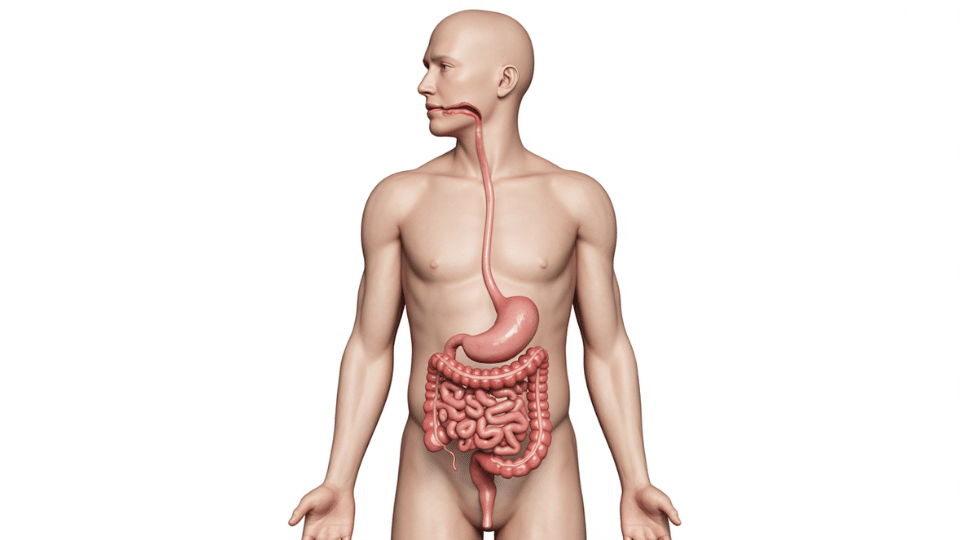
Three months separate casual improvement from real change. This is when your body stops reacting and starts rebuilding.
- Liver regeneration: Your liver has replaced damaged cells with healthy tissue
- Hormonal balance: Cortisol, dopamine, and serotonin levels stabilize naturally
- Sleep architecture: You’re cycling through sleep stages properly, not just passing out
- Depression symptoms: Noticeable reduction in persistent low mood and hopelessness
Why Benefits Accelerate Now?
Your body doesn’t heal overnight because it’s been compensating for alcohol’s effects for years. It takes consistent time for your brain to rewire dopamine pathways, for your liver to complete cellular turnover, and for your nervous system to recalibrate.
At three months, those systems aren’t just recovering, they’re functioning independently again. The improvements you see now come from genuine health, not just the absence of a toxin.
This is where people realize quitting wasn’t just about stopping something bad. It was about starting something better.
6 Months & Beyond: Long-Term Benefits of Quitting Alcohol
Six months answers the question you’ve been asking: Is this actually worth it long term? Yes, and the data backs it up.
- Cardiovascular System: Lower blood pressure, reduced risk of cardiomyopathy and stroke, improved circulation and heart rhythm.
- Brain Function: Gray matter volume increases, cognitive processing speeds up, memory consolidation improves, and neuroplasticity continues strengthening.
- Emotional Health: Stress response normalizes without needing substances, mood stability becomes baseline, and anxiety disorders often improve significantly.
- Daily Life: Relationships deepen because you’re more present. Productivity increases because you’re more consistent. Energy levels remain steady rather than crashing.
At six months, benefits aren’t just accumulating, they’re compounding. Your body operates the way it was designed to, without constant disruption. The longer you stay alcohol-free, the more your baseline normal improves.
Factors That Shape Your Timeline
Your recovery won’t match someone else’s, and that’s not a problem. These factors influence how quickly you experience benefits:
- Drinking history – Daily heavy drinking for years requires more repair time than weekend binge drinking. Your liver, brain, and nervous system need proportional recovery periods.
- Age – Younger bodies generally heal faster due to better cellular regeneration and metabolic efficiency. But older adults still experience full benefits; it just takes slightly longer.
- Overall health – Pre-existing conditions like liver disease, diabetes, or mental health disorders affect recovery speed. Nutritional deficiencies from alcohol use also slow the process.
- Support systems – People with strong social support, therapy access, or recovery communities tend to maintain sobriety longer, which allows benefits to compound. Isolation slows progress.
Comparing your day 30 to someone else’s creates unnecessary guilt. Your body is healing at the pace it needs. Faster doesn’t mean better; consistent means better.
Common Myths About Quitting Alcohol Timelines
Let’s clear up the misconceptions that set people up for disappointment or unnecessary guilt.
Myth: “Benefits stop after 30 days.”
Reality: Your body continues improving for years. Brain structure repairs and cardiovascular health strengthen well beyond the first month.
Myth: “Cravings mean you’re failing.”
Reality: Cravings are normal brain chemistry, not weakness. They decrease over time but may appear occasionally, even after months.
Myth: “You should feel amazing immediately.”
Reality: The first weeks are often uncomfortable. Real benefits build gradually as your body completes repair cycles.
Myth: “One slip erases all progress.”
Reality: Your body doesn’t forget the healing it’s done. Consistency matters more than perfection.
These myths create unrealistic expectations. Understanding what’s actually normal helps you stay the course without unnecessary self-criticism.
When to Seek Professional Help
Seek immediate medical help if you experience severe confusion, hallucinations, seizures, uncontrollable tremors, chest pain, or persistent vomiting.
Don’t quit cold turkey if you’ve been drinking heavily daily for months or years. Professional supervision isn’t failure, it’s safety.
Things to Remember!
The quitting alcohol timeline I’ve laid out here isn’t a competition or a rigid schedule. It’s a map showing what’s possible when your body gets the chance to heal.
Your liver regenerates. Your brain rewires. Your sleep deepens. Your emotions stabilize. These aren’t abstract promises; they’re measurable biological processes that happen when you stay consistent.
Some of you will move through these stages faster. Others will take longer. Both are valid. What matters is that benefits compound the longer you stick with it, and setbacks don’t erase the progress your body has made.
Recovery is real. The discomfort in the early days doesn’t last, but the improvements do.
If this timeline helped clarify what to expect, drop a comment below about where you are in your journey.