I remember the first time someone asked me about mixing Zoloft and alcohol, and the worry in their voice sounded familiar.
You might feel the same way, wondering how both can affect your day, your mood, and your safety. It can be hard to find clear answers when every source says something slightly different.
I know how important it is to understand what’s happening in your body, especially when you’re trying to stay steady and feel better. That’s why this topic matters.
You deserve simple, honest guidance that helps you make choices without guessing. By the end, you’ll know how Zoloft and alcohol work together and what steps keep you protected. So, where do we start.
Quick Answer: Can You Drink Alcohol While Taking Zoloft?
It’s not advisable because the two together can raise side effects, slow your thinking, affect your balance, and lower your mood. Even small amounts may feel unpredictable since everyone breaks down alcohol and medication differently.
Most medical authorities, including the U.S. Food and Drug Administration (FDA), the American Psychiatric Association (APA), and major health systems such as the Mayo Clinic and Cleveland Clinic, advise avoiding alcohol while taking Zoloft.
Skipping a dose so you can drink isn’t safe, and trying to “test your limits” can backfire fast. If drinking is on your mind while using Zoloft, talk with your prescriber first, so you understand the risks for your situation.
Alcohol + Zoloft by Drinking Level
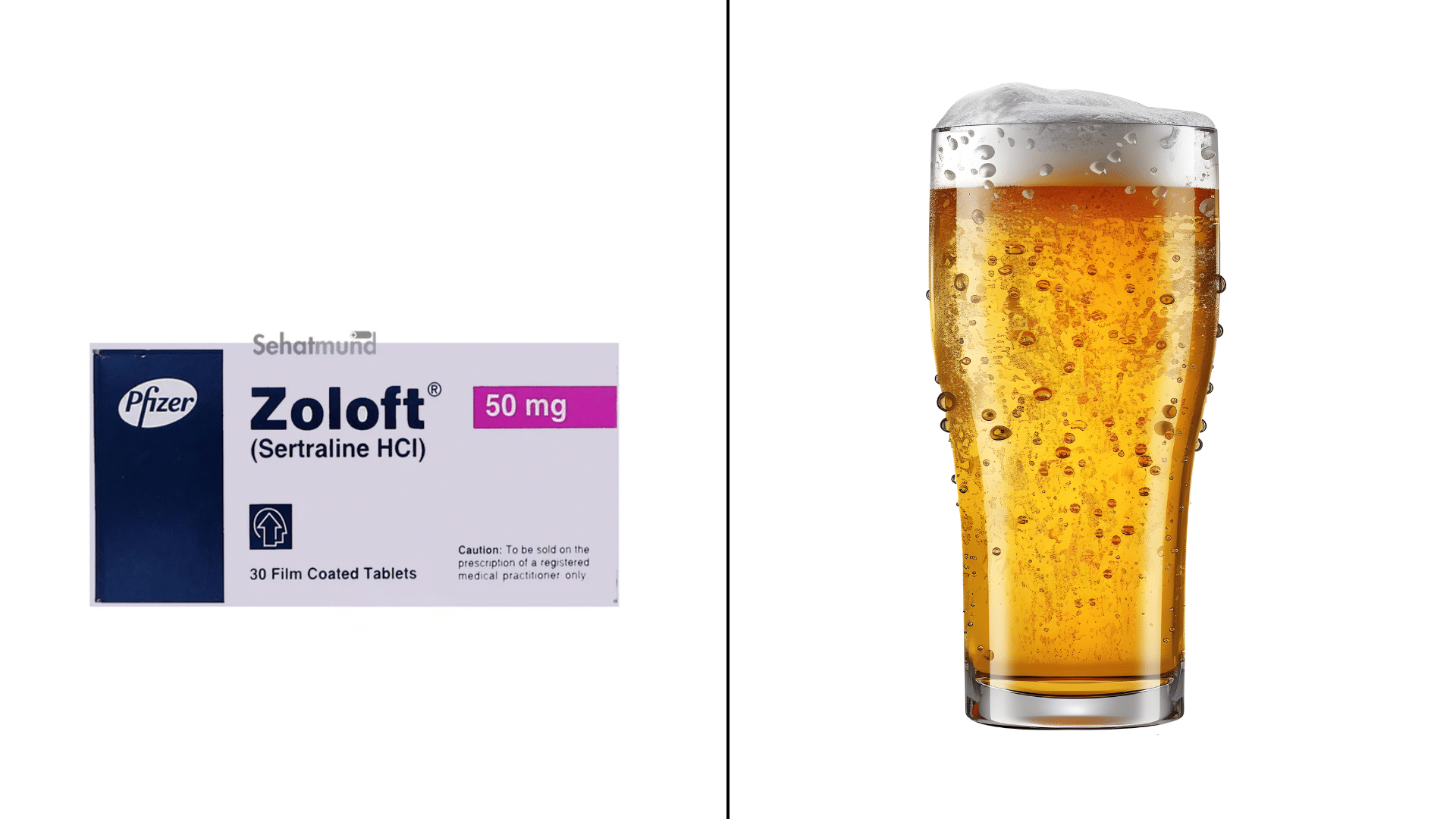
A clear breakdown helps you see how different drinking amounts change your reaction while using Zoloft, showing how risk increases with each level.
| Risk Category | 1 Drink | 2–3 Drinks | Heavy Drinking |
|---|---|---|---|
| Sedation | Medium | High | Severe |
| Mood Crash | Medium | High | Very High |
| Interaction Risk | Medium | High | Extreme |
| Accident Risk | Medium | High | Extreme |
| Serotonin Syndrome | Low | Medium | High |
The chart highlights how rising alcohol intake can create stronger reactions during Zoloft treatment, making careful choices important for your comfort and safety.
What Actually Happens When You Mix Alcohol and Zoloft?
Mixing these two can create stronger side effects, slow your thinking, and push your mood in the wrong direction more quickly than expected.
How Zoloft Affects Your Brain (Simple Explanation)
Zoloft is an SSRI that helps keep more serotonin active in your brain. Serotonin is involved in mood, sleep, and emotional control.
By keeping levels steady, the medication supports clearer thinking, calmer reactions, and better daily functioning. Your brain relies on consistent serotonin signals, and Zoloft helps maintain that balance over time.
Because it works slowly and builds up in your system, any outside factor that shifts your brain’s signals can interfere with how Zoloft works.
How Alcohol Affects Your Brain
Alcohol slows the central nervous system, which affects memory, reaction time, coordination, and reasoning.
It also changes how your brain handles stress and mood, which can lead to a swing toward low energy or irritability once the effects wear off. Even small servings can interfere with thinking and sleep cycles.
Because alcohol reaches the brain quickly, its impact can feel strong before you notice the warning signs, especially when combined with medication that already influences brain signals.
Why the Combination Causes Problems
Both alcohol and Zoloft act on the brain in ways that can intensify each other’s effects.
Each one slows the system in different ways, and the mix can create heavier drowsiness, slower responses, and a greater risk of mood changes. Both also influence serotonin, which can push levels higher than intended.
When that happens, you may experience restlessness, confusion, or physical symptoms that feel out of proportion to the amount you drank. These effects can appear suddenly and may become unsafe faster than expected.
Side Effect Severity Scale: What to Expect
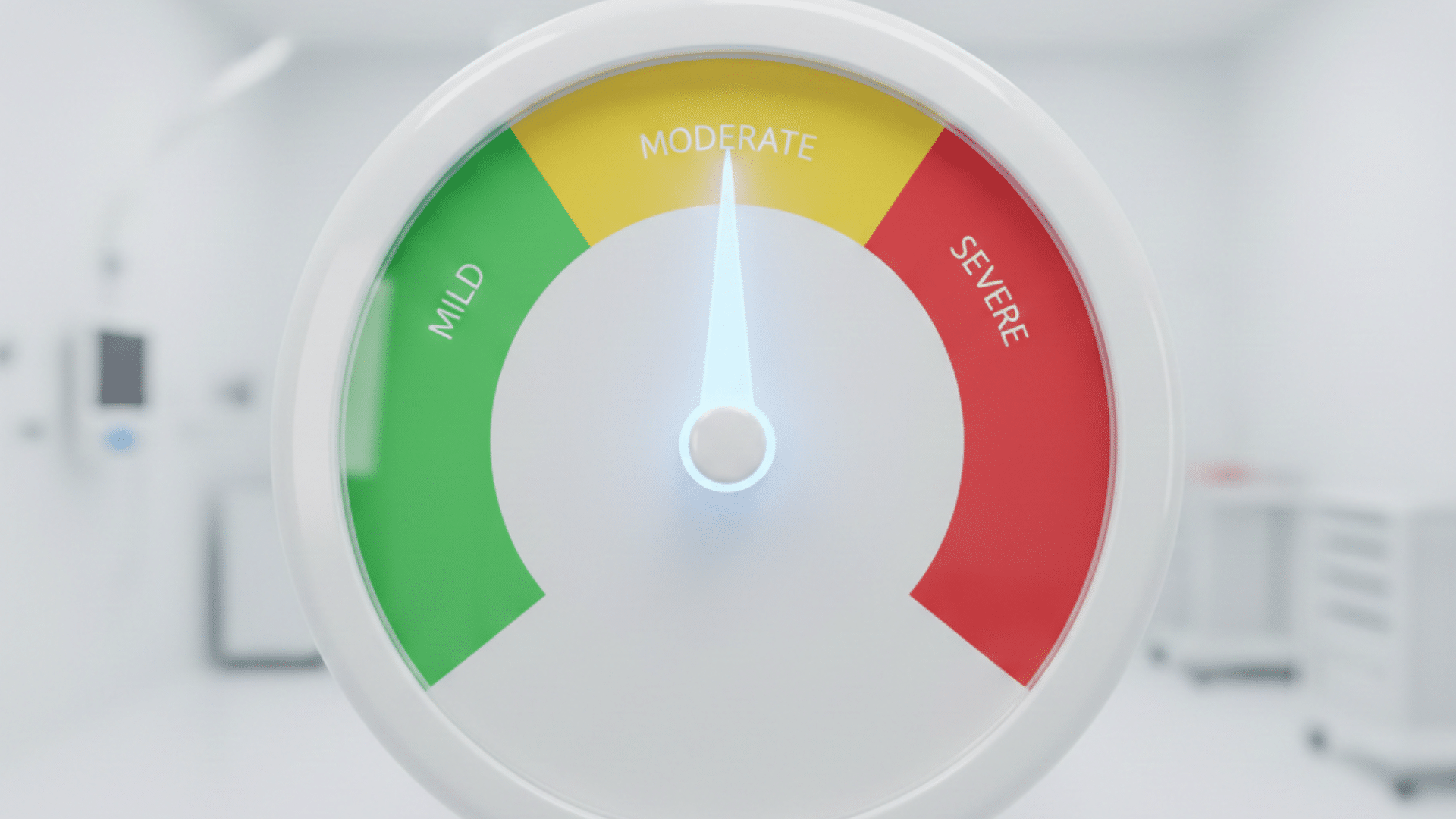
This section helps you understand how mild reactions differ from serious problems so you can respond quickly and protect your health.
Mild But Common Effects
- Drowsiness: This can show up even after small amounts of alcohol and may feel heavier than usual when mixed with your medication.
- Dizziness: Your balance may shift faster than expected because both alcohol and Zoloft slow reaction time and affect your central nervous system.
- Stomach upset: Nausea or cramping can appear quickly since alcohol irritates the stomach and the medication already affects digestion for many people.
- Dry mouth: This may worsen after drinking because alcohol pulls fluid from your body, and Zoloft also influences saliva production.
- Slow thinking: You may feel mentally sluggish since the combination interferes with focus and reduces the speed of normal brain signaling.
Moderate Effects You Shouldn’t Ignore
- Mood swings: Alcohol can push your mood up or down quickly, and Zoloft may not regulate it well during this temporary shift.
- Irritability: You may feel tense or short-tempered as alcohol lowers self-control and your medication tries to stabilize emotional responses.
- Memory gaps: You might forget parts of the night since alcohol affects memory, and Zoloft increases sensitivity to those changes.
- Feeling “drunk too quickly”: Your tolerance may drop because the mix slows your syste,m and the alcohol takes effect much faster than usual.
- Difficulty concentrating: Staying focused becomes harder as both substances affect attention, processing speed, and your ability to follow normal thoughts.
Emergency Signs: Get Help Immediately
- Hallucinations: Seeing or hearing things that aren’t present can signal a dangerous reaction and requires urgent medical attention without delay.
- Extreme confusion: Feeling severely disoriented, unable to respond, or unsure of surroundings shows harmful overload on your brain’s signaling pathways.
- Trouble staying awake: Heavy sedation or sudden inability to stay alert can indicate a serious risk to breathing and overall safety.
- Trouble breathing: Slowed or shallow breaths may develop as both substances suppress the central nervous system and reduce respiratory drive.
- Rapid heart rate, fever, stiffness: These symptoms can indicate high serotonin levels and require immediate medical care to prevent severe complications.
- Suicidal thoughts or impulsive actions: Alcohol lowers control, and Zoloft changes mood regulation, raising the risk of unsafe decisions that need urgent support.
Risk Levels: Who is Most Vulnerable?
Some people face a much higher risk when mixing alcohol with Zoloft because certain factors make their system react more sharply.
Young adults under 25 are especially sensitive since their mood can shift quickly during treatment.
Anyone who recently started Zoloft or had a dose change also has a higher chance of unpredictable reactions because their body hasn’t settled into a steady pattern yet.
People who take other medications that slow the nervous system, such as sleep aids or anxiety pills, face added danger when alcohol enters the mix. Those with a past struggle involving alcohol may experience stronger mood changes or lose control faster.
Individuals with panic disorder, PTSD, or long-term depression may notice symptoms intensifying soon after drinking.
People with liver problems often clear medication and alcohol more slowly, which raises the risk even further. These groups should be especially cautious and speak with a prescriber before considering any alcohol use.
How Zoloft and Alcohol Affect Different Conditions
This section explains how alcohol can interfere with treatment results for each condition Zoloft is used to manage, often in different ways.
1. Depression
Alcohol often lowers mood after the buzz fades, which can hit harder for people using Zoloft to manage ongoing sadness or low energy.
Drinking interferes with sleep, which is already a concern for many dealing with depression. That disruption can bring back heaviness, guilt, or hopelessness the next day.
Emotional control also weakens when alcohol wears off, making small problems feel larger and harder to handle. Since Zoloft aims to even out mood swings, alcohol can pull you in the opposite direction and make your progress feel slower or unstable.
2. Anxiety Disorders / Panic Disorder
Alcohol may feel calming at first, but once it leaves your system, your anxiety can rebound sharply. Many people notice stronger worry, racing thoughts, or a tight feeling in the chest the next morning.
Alcohol also speeds up heart rate during withdrawal, which can mimic panic symptoms and trigger an attack. For people already sensitive to physical cues, this can feel overwhelming.
Because Zoloft works to reduce the intensity of these responses, alcohol can interrupt that work and make anxiety feel louder or less predictable.
3. OCD
OCD involves repetitive thoughts and urges that feel hard to ignore. Alcohol weakens impulse control and clear thinking, which can make those thoughts feel stronger or harder to push away.
Some people notice more checking, counting, or mental reviewing after drinking, especially the next day. Alcohol also raises irritability and stress when it fades, two triggers that commonly increase OCD patterns.
Since Zoloft helps reduce the impact of intrusive thoughts, alcohol may break that progress and make rituals or urges feel more automatic or difficult to manage.
4. PTSD
People with PTSD often have strong physical and emotional reactions to stress. Alcohol can make these reactions more intense by lowering emotional control and increasing irritability once the buzz passes.
Sleep quality often drops after drinking, which increases nightmares and night sweats for many.
Alcohol can also make flashbacks or sudden fear responses more likely because it disrupts how the brain processes memories. Since Zoloft aims to smooth out these reactions, alcohol can interfere and bring back symptoms that felt manageable before.
5. PMDD
PMDD symptoms can shift quickly, and alcohol often makes those swings sharper. Many people notice stronger cramps, bloating, or fatigue after drinking.
Irritability or sudden sadness may also rise because alcohol disrupts hormone regulation and sleep patterns. The combination can make your cycle feel more unpredictable.
Since Zoloft helps reduce the intensity of mood changes during the luteal phase, alcohol can counter that progress and lead to harder days both during and after your cycle.
6. Social Anxiety
People with social anxiety sometimes drink to feel more relaxed in social settings, but this can backfire. Alcohol may help in the moment, but afterward it often increases self-doubt, worry, and replaying past interactions.
The next day, many feel more tense about future conversations or gatherings. Alcohol also increases physical signs of anxiety, such as rapid heartbeat or shaking, once it wears off.
Because Zoloft works to quiet these reactions, alcohol can interrupt that progress and make social situations feel harder again.
How Long Does Zoloft Stay in Your System
Zoloft stays in your body longer than most people expect, which is why taking a day off doesn’t make drinking safer.
The medication has a half-life of about one day, meaning your body removes only half of the dose every 24 hours. Because of this slow process, it usually takes around five to six days for most of the drug to clear after your final dose.
In older adults or anyone with liver concerns, this process can take longer. Zoloft also builds up in your system when taken daily, so even if you skip a dose, enough remains to interact with alcohol.
The active breakdown products stay in your body for several days as well, adding to the overlap. This steady presence is important for mood treatment, but it also means alcohol can still clash with the medication long after a skipped pill.
Anyone thinking about stopping Zoloft to drink should talk with a prescriber first.
Serotonin Syndrome Explained Simply
Serotonin syndrome happens when serotonin rises far beyond a safe range, and this can occur when alcohol is mixed with Zoloft. Zoloft increases serotonin to help steady mood and thinking.
Alcohol can add to that effect, even though most people don’t expect it to. When serotonin rises too quickly, the body reacts with symptoms that can affect both the mind and muscles.
Early signs include sweating, shaking, restlessness, and a fast heartbeat. As levels climb higher, a person may develop stiff muscles, fever, confusion, or sudden changes in blood pressure.
Severe cases may include trouble staying alert or trouble breathing. This situation can turn dangerous quickly, which is why any sudden change in physical or mental state after mixing alcohol with Zoloft needs attention right away.
Calling a medical professional or emergency services is the safest move if symptoms grow stronger or appear suddenly.
Zoloft Interactions With Other Substances
Understanding how other substances interact with Zoloft helps you avoid harmful reactions, especially when alcohol adds more pressure to your system.
| Substance | How It Interacts With Zoloft | Why Does It Become Risky With Alcohol |
|---|---|---|
| Sleep medications | Increases sedation and slows breathing. | Alcohol adds more sedation, raising the chance of dangerous breathing problems. |
| Anxiety medications (benzodiazepines) | Slows the nervous system and reduces alertness. | The combination with alcohol can lead to severe drowsiness and impaired responses. |
| Opioid pain medications | Affects breathing and mental clarity. | Alcohol heightens these effects, increasing the risk of overdose-like symptoms. |
| Cannabis | Alters mood and reaction time. | Alcohol can amplify disorientation and reduce awareness of warning signs. |
| Nicotine | Raises heart rate and increases stress signals. | Alcohol creates swings in these signals, making symptoms harder to manage. |
| Migraine medications | Some affect serotonin levels. | Alcohol may push serotonin higher, raising the chance of a serious reaction. |
| Herbal supplements | Certain ones influence serotonin or sedation. | Alcohol can intensify both, leading to unsafe physical changes. |
These points highlight why combining Zoloft with various substances can create stronger problems, and why adding alcohol often raises those risks further.
Conclusion
We covered how drinking can change your reaction to Zoloft, why certain symptoms feel stronger, and which signs deserve quick attention.
The goal was to give you the confidence to make choices that support your health without guessing. When you understand how these reactions work, you can decide what feels right for your body and your routine.
If you ever feel unsure about mixing Zoloft and alcohol, it’s always better to check with a medical professional before you move forward.
I’d love for you to keep reading and finding related topics that can help you stay steady. Check out the other blogs for more support and practical guidance.