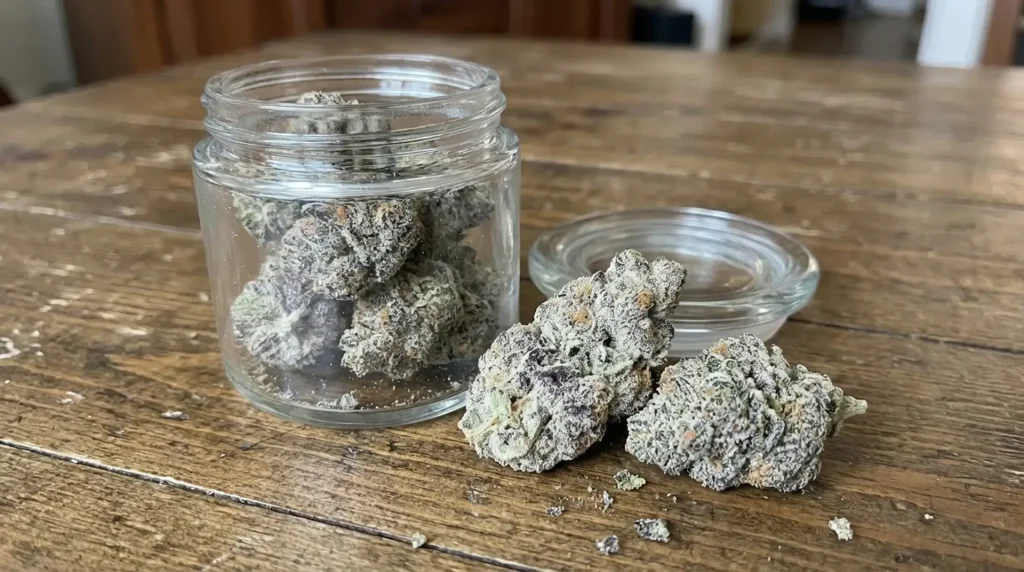
Some nights, I just couldn’t shut my brain off. The room was dark, but my thoughts were loud.
I looked for anything that might help, and that’s when I came across Xanax for sleep. I wanted rest, real rest, not just lying still with my eyes closed. I needed something that could finally quiet the noise.
If you’re here, you probably know what that feels like too. You want answers. You want to know if Xanax is really something that can help you sleep or if it’s more trouble than it’s worth.
In this blog, I’ll walk you through what it does, why some people use it for sleep, what doctors say, the possible risks, and safer choices you might want to try.
What is Xanax and How It Works?
Xanax, also called alprazolam, is a type of medicine known as a benzodiazepine. It’s mostly used to treat anxiety and panic disorders.
When someone feels anxious or panicked, their brain is often too active. Xanax helps by slowing things down.
It works by boosting the effects of a brain chemical called GABA (gamma-aminobutyric acid). GABA’s job is to calm brain activity. When Xanax increases GABA’s power, it helps the nervous system slow down.
That’s why people often feel relaxed, sleepy, or even drowsy after taking it.
Because of this calming effect, some people use Xanax to try to sleep. It can make you feel sedated, but it wasn’t made for long-term sleep help. It doesn’t fix sleep problems.
Instead, it mainly treats short-term anxiety that might be causing the sleep issues. Using it just for sleep, especially without a doctor’s guidance, can lead to problems over time.
Xanax for Sleep

At first, Xanax can feel like it works. Its sedative effect kicks in quickly, slowing your brain activity and helping you fall asleep faster. If anxiety is keeping you up, Xanax might give short-term relief and make it easier to drift off.
But this effect fades fast.
Your body builds tolerance to Xanax quickly, sometimes within just a few days or weeks. That means it won’t keep helping you fall asleep, and taking more to chase that effect can lead to dependence.
Even more important, Xanax changes how you sleep. It reduces deep sleep (slow-wave sleep) and REM sleep—the two stages most important for healing, memory, and feeling rested.
According to a 2023 systematic review, benzodiazepines like Xanax increase light sleep and cut back on the deep stages your body needs most
Another study found that long-term use of benzodiazepines in older adults led to lower-quality sleep and disrupted brain patterns during rest.
Even in people with severe insomnia, heavy use of Xanax-type drugs made sleep more shallow and less refreshing overall (source).
So while Xanax may help with short-term anxiety-related sleep trouble, it doesn’t improve real rest.
You may fall asleep faster, but you’ll likely wake up feeling foggy, tired, or unrefreshed, because your sleep isn’t going through its natural cycle.
How Xanax Affects Sleep Quality and Brain Function
Xanax changes how your brain works by slowing down brain activity. This can make you feel calm and sleepy. But the sleep it gives you is not the same as natural sleep.
Normally, your body goes through different sleep stages, including deep sleep and REM (dream) sleep. These stages help your body and brain rest and heal.
With Xanax, your brain may skip or shorten these important stages. You might fall asleep faster, but you lose the deep, healing parts of sleep. REM sleep, which helps with memory and mood, also gets cut short.
Think of it like this: Normal sleep is like a full meal. Xanax sleep is like eating just bread, it fills you for now, but doesn’t truly nourish you.
Side Effects and Risks of Using Xanax for Sleep
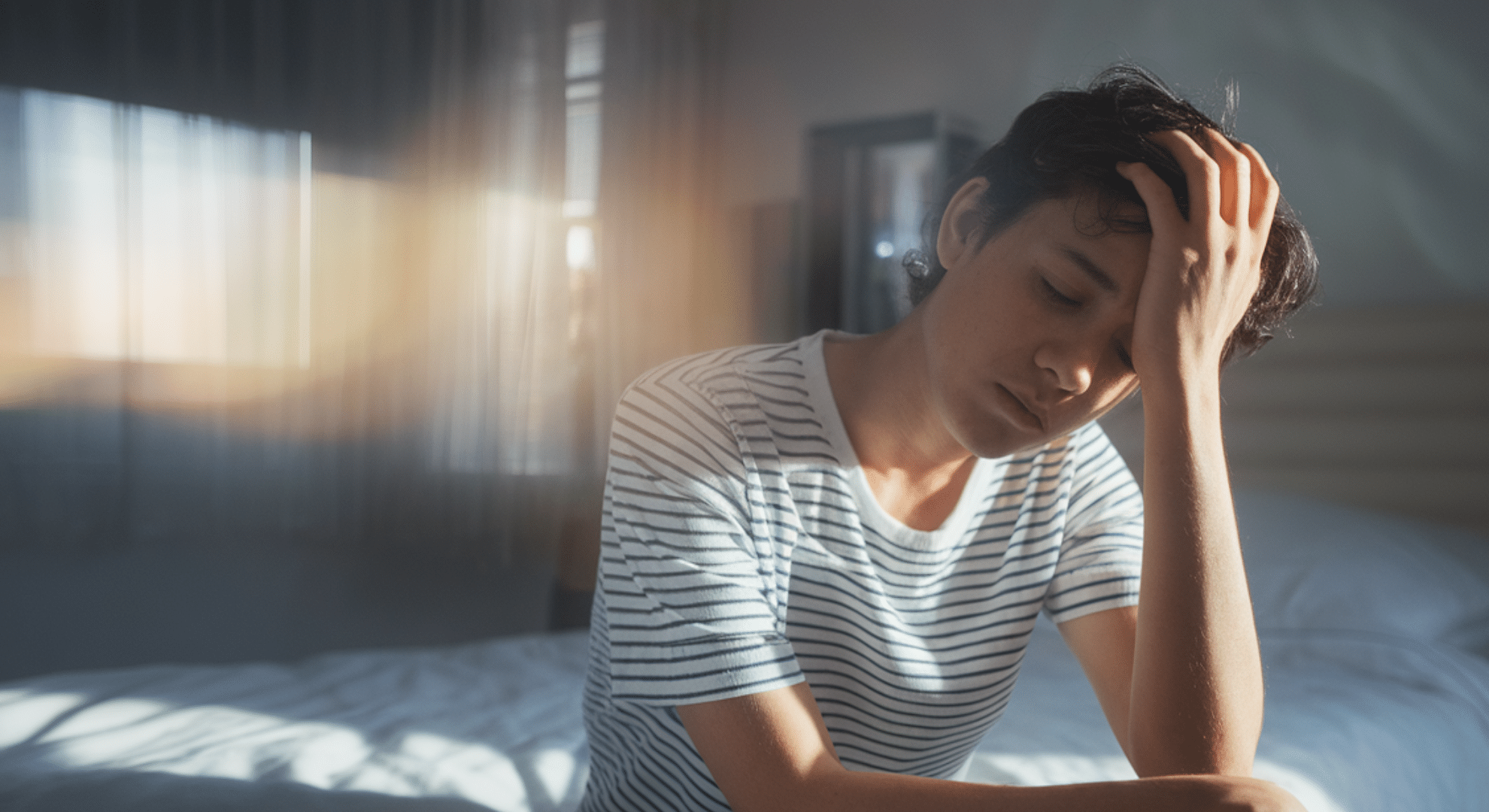
Using Xanax to help with sleep might seem like a quick fix, but it comes with real risks. While it may help you fall asleep faster, it can cause next-day tiredness, dizziness, and trouble with coordination.
This can affect your ability to drive, work, or stay focused. Over time, your body may get used to Xanax, leading to dependence. That means you’ll need more of it to feel the same effects, which increases the chances of addiction.
When someone stops taking it, they may go through withdrawal, which can include anxiety, shaking, and rebound insomnia, a condition where sleep problems come back even worse than before.
It’s not a long-term solution and often makes sleep issues harder to manage later.
Other serious risks:
- Mixing with alcohol or other sedatives can slow your breathing and heart rate to dangerous levels.
- Long-term use may lead to memory problems and thinking issues.
- You might start depending on the drug to fall asleep every night.
Because of these risks, Xanax should never be used for sleep without a doctor’s supervision. There are safer ways to treat sleep problems, like therapy, better sleep habits, or other medications. Always talk to a healthcare provider before starting any new sleep aid.
How Long Can You Safely Use Xanax for Sleep?
Doctors may prescribe Xanax for sleep, but only for short-term use, usually no more than a few days to two weeks. It’s meant to help during times of high stress or sudden sleep trouble, not for long-term use.
Over time, your body can build tolerance, meaning the same dose stops working.
This often leads to needing more, which increases the risk of dependence and addiction. Long-term use can also make sleep problems worse after stopping.
Because of these risks, experts strongly warn against using Xanax as a long-term sleep aid.
A study in the Journal of Clinical Psychiatry explains the dangers of long-term benzodiazepine use.
Safer Alternatives for Better Sleep
Instead of turning to Xanax, there are safer options that help improve sleep without the same risks. These methods support natural sleep patterns and are better for long-term health.
| Alternative | How It Helps |
|---|---|
| Cognitive Behavioral Therapy (CBT-I) | Teaches you how to change thoughts and habits that hurt your sleep. |
| Melatonin Supplements | Helps reset your sleep cycle, especially for jet lag or shift work. |
| Regular Sleep Schedule | Trains your body to fall asleep and wake up at the same time. |
| Limit Screen Time | Reduces blue light that keeps your brain alert at night. |
| Relaxation Techniques | Deep breathing, meditation, or light yoga calm your mind. |
| Cutting Caffeine Late | Helps your body wind down naturally by bedtime. |
Small changes in habits can make a big difference. These options may take time, but they work better and are much safer than using Xanax.
Conclusion
I used to think taking Xanax for sleep was an easy answer. But once I looked into it, I saw how much it can affect the brain, sleep quality, and even daily life.
Learning about the short-term and long-term effects made me think twice. I realized that quick fixes often come with bigger problems later on.
Now I focus more on habits and natural ways to rest better, and it’s made a real difference.
Now it’s your turn to think about what’s best for your sleep and your health. You’ve got safer options, and now you know what to watch out for.
Stay curious, ask questions, and don’t stop here, check out my other blogs for more real, honest help you can actually use!