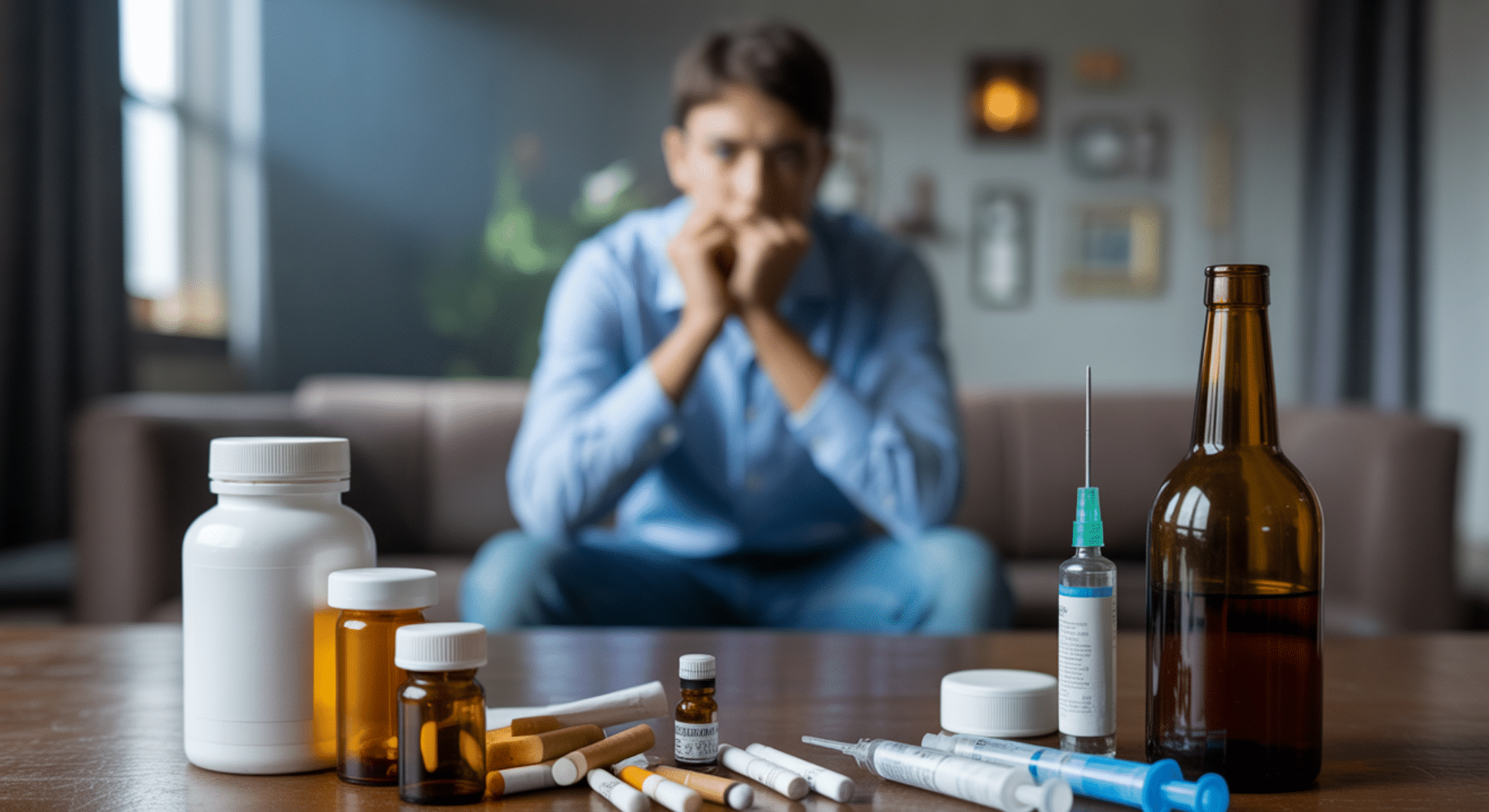
I used to wonder why some people try a drug once and can’t stop. I wanted to know what makes something so addicting that it takes over someone’s life. When I started asking what is the most addictive drug.
I didn’t expect the answer to be so deep. It’s not just the drug, it’s what it does to your brain, how fast it works, and how it makes you feel.
If you’re asking the same question, you’re in the right place. Maybe you’re just curious, or maybe you’re worried about someone. Either way, I’ll break it all down in a way that’s easy to understand.
By the end, you’ll have the answers you need and maybe a little more than you expected.
Why People Get Addicted
Addiction means a person keeps using a drug even when it’s hurting them. It changes how the brain works, especially the parts that deal with pleasure and reward.
Normally, your brain gives you small bursts of feel-good chemicals, like dopamine, when you do something fun or important. But drugs can cause a much bigger rush, and the brain starts to want that feeling again and again.
There are two kinds of dependence. Physical dependence is when your body gets used to a drug and feels sick without it. Psychological dependence is when your mind keeps craving the drug, even if your body isn’t reacting.
A drug’s addictiveness depends on a few things: how fast it affects your brain, how much dopamine it releases, and how bad the withdrawal symptoms are when you stop. The stronger and faster those effects are, the harder it is to quit.
What is the Most Addictive Drug?
Many professionals say heroin is the most addictive drug. It works fast, giving a strong rush of pleasure by flooding the brain with dopamine. This high feeling fades quickly, which makes people want more right away.
Heroin also causes strong physical dependence. People who stop using it often feel very sick: this is called withdrawal. The cravings can be so strong that it’s hard to quit, even when someone wants to.
Heroin can also lead to overdose easily, making it one of the most dangerous drugs. While other drugs are also addictive, heroin checks all the boxes: fast effects, high pleasure, painful withdrawal, and high relapse rates. That’s why it’s often ranked the most addictive.
This information is for awareness only. It is not medical advice. If you or someone you know is struggling with drug use, please speak to a doctor or a trained professional.
How Experts Determine the Most Addictive Drug
In 2007, British researcher David Nutt and his team studied which drugs are the most addictive using science, not guesses. They ranked drugs based on how they affect the brain and life overall.
One big factor was how much pleasure the drug brings and how much dopamine it causes the brain to release. Drugs that give a fast, strong high tend to be more addictive.
They also looked at how likely a person is to become dependent, both in body and mind. If quitting causes strong withdrawal symptoms or people often relapse, that drug ranked higher.
The study also included how much harm the drug causes to both the person using it and to society.
Sometimes, these rankings are different from what treatment centers report. That’s because treatment centers focus on what people are struggling with most at the time, not always what’s most addictive based on brain science.
The Most Addictive Drugs Ranked
Below is a breakdown of the most addictive drugs, based on how they affect the brain, body, and daily life. Each one impacts people in different ways, but all carry serious risks:
1. Heroin
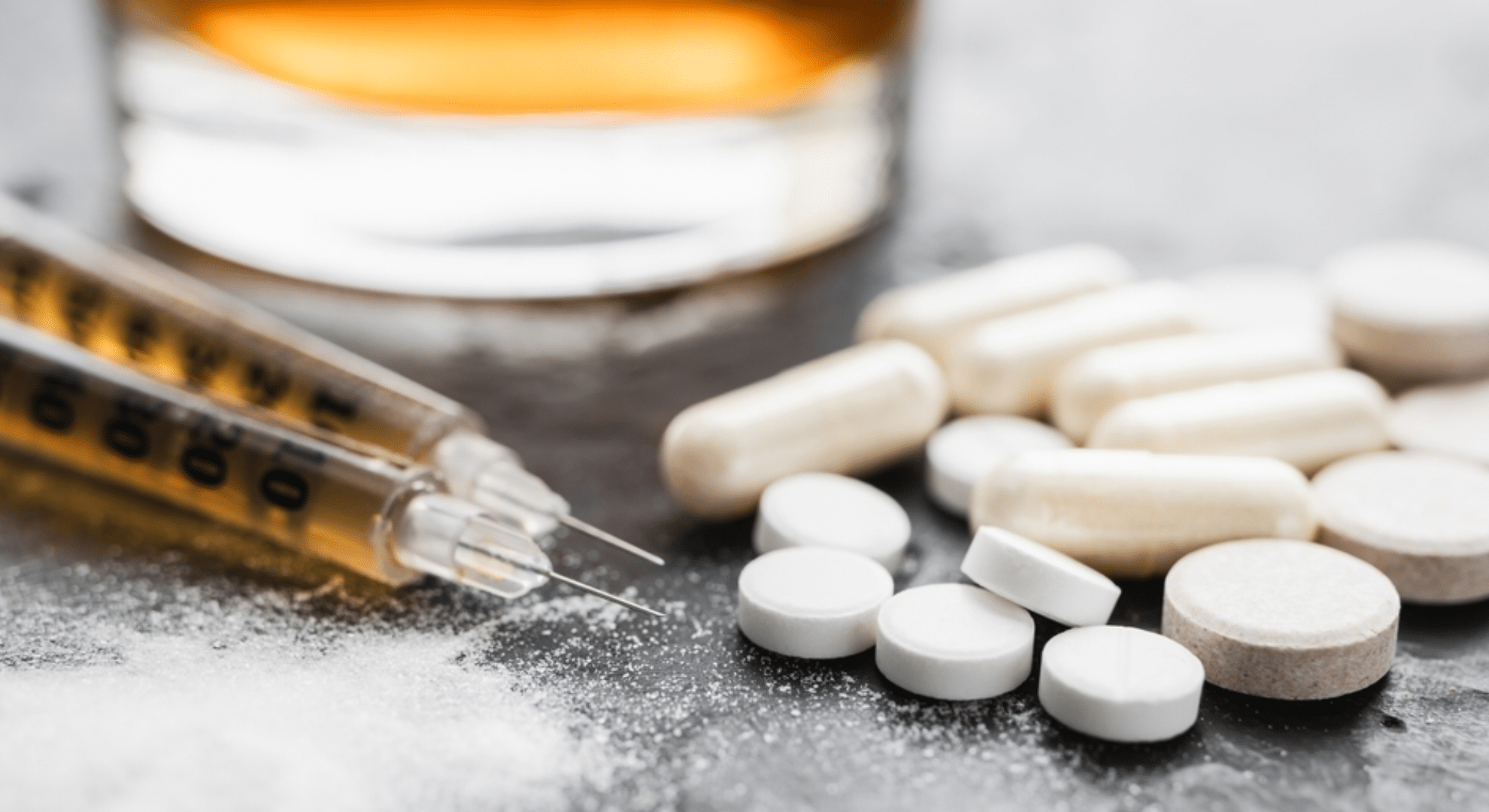
Heroin causes a fast, strong dopamine rush. It makes users feel calm and pain-free. But withdrawal brings chills, cramps, and strong cravings.
It’s easy to overdose, especially since users often build up a tolerance and need more to feel the same high.
2. Cocaine / Crack Cocaine
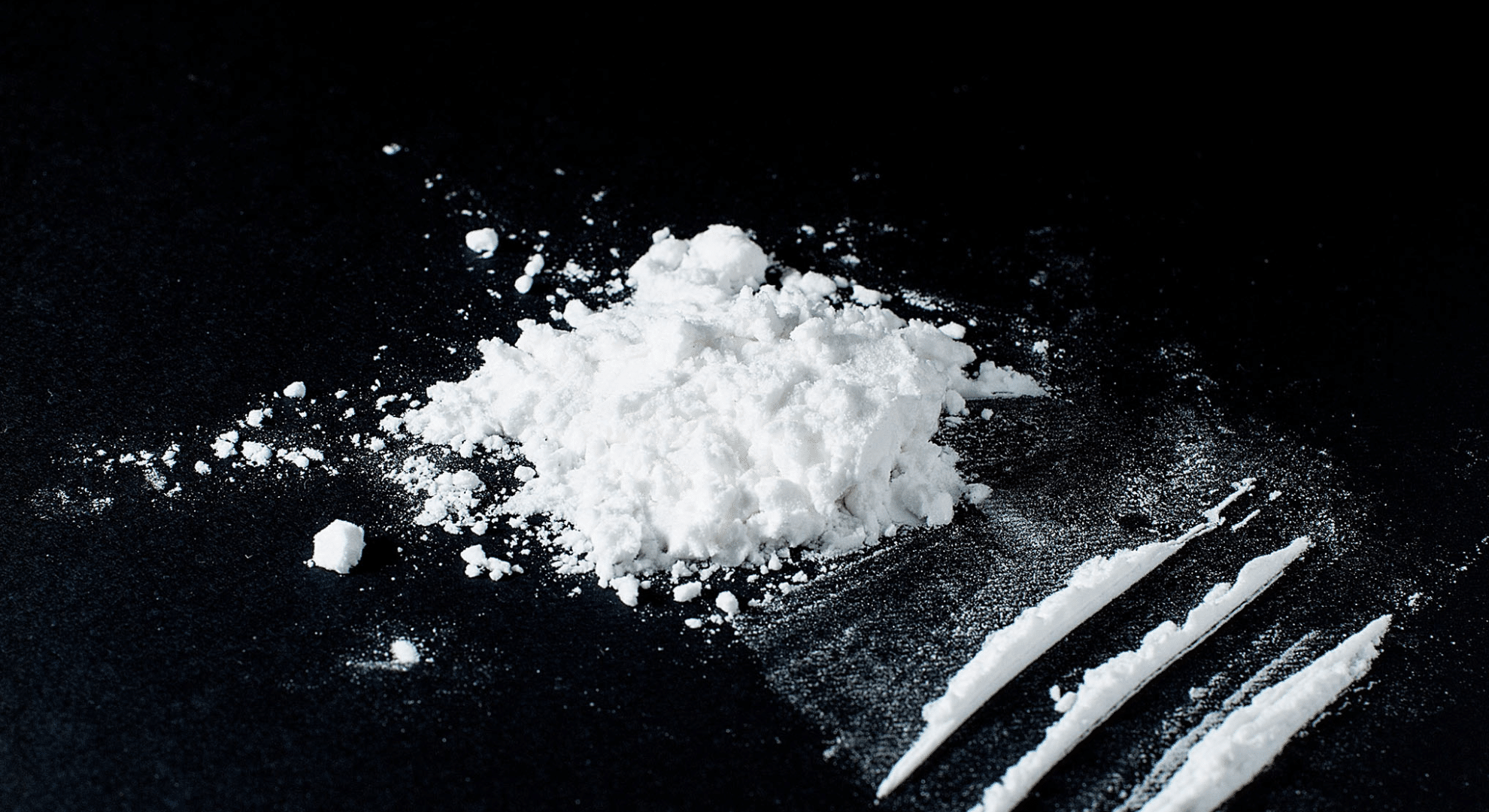
These drugs give a quick, intense high that fades fast. This leads to a crash, which pushes people to use again. Crack hits faster and is more addictive.
Both create strong psychological cravings and can damage the heart, brain, and mood over time.
3. Nicotine
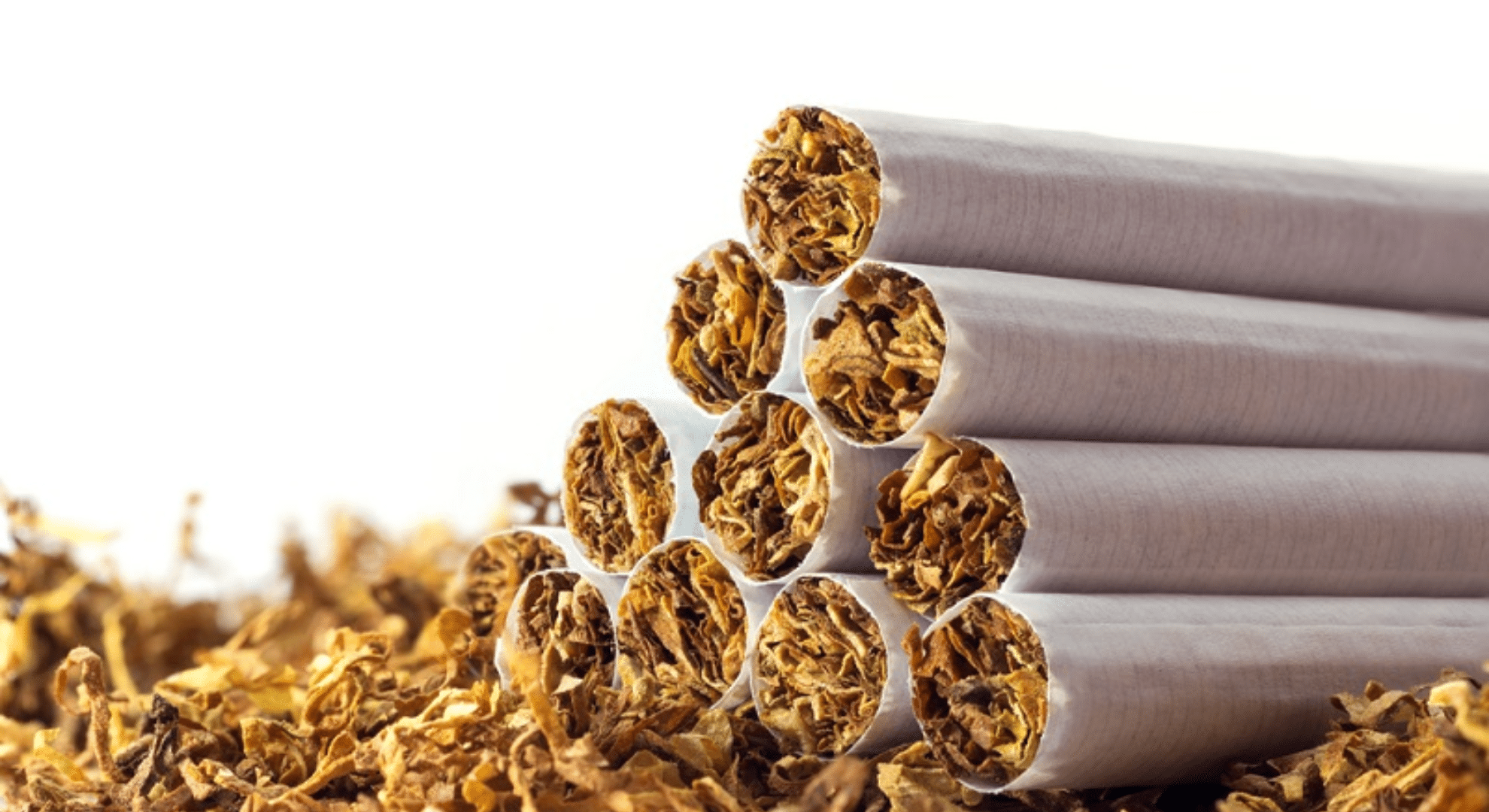
Nicotine is legal and easy to get, but it hooks people fast. It changes how the brain handles stress and focus. Daily use builds strong habits.
Quitting causes mood swings, trouble sleeping, and strong urges to smoke or vape again.
4. Methamphetamine
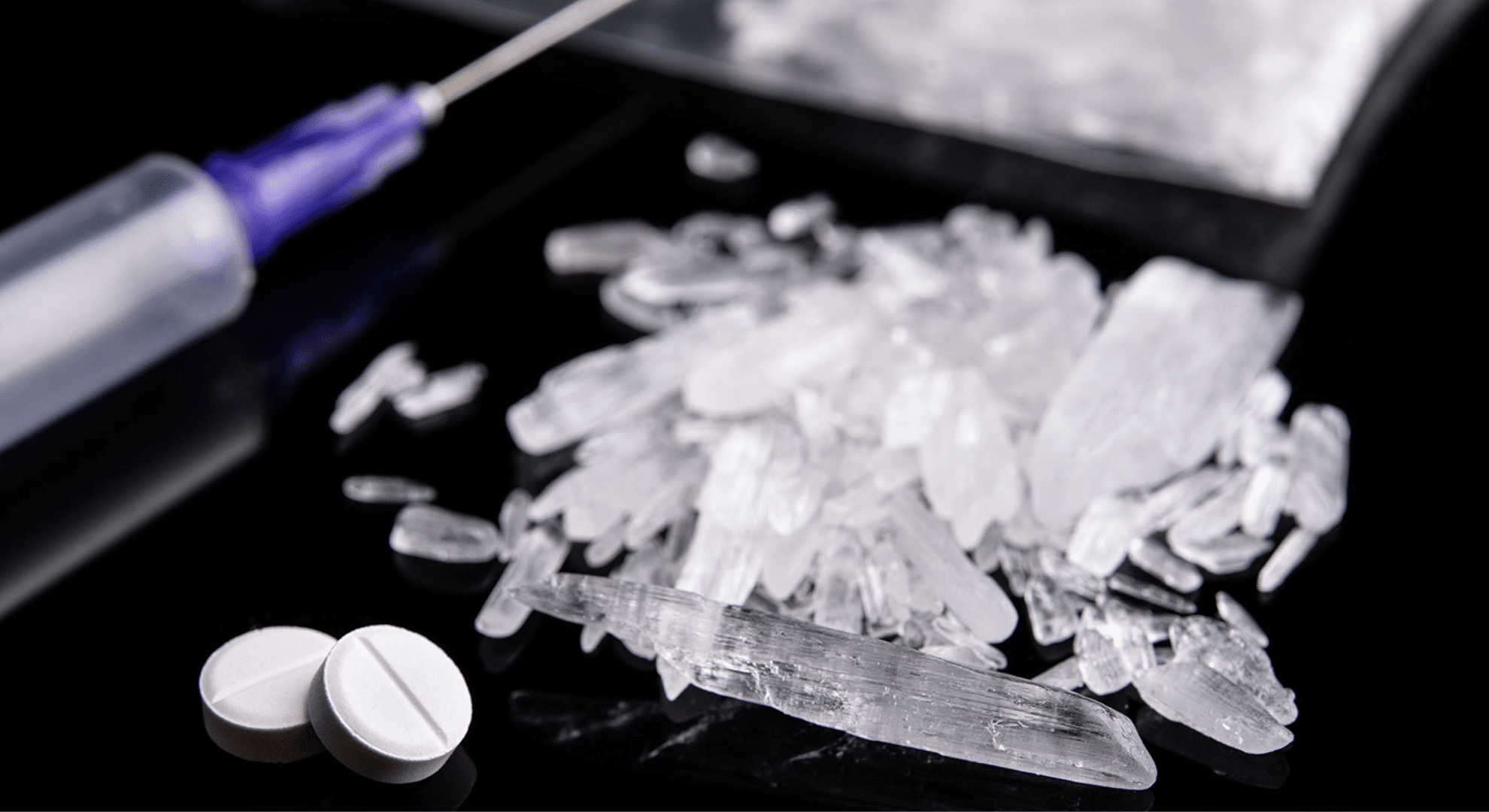
Meth gives long-lasting euphoria and energy. It floods the brain with dopamine and changes how you feel pleasure.
Over time, it can damage memory, mood, and body functions. The crash and withdrawal make it hard to quit without help.
5. Alcohol
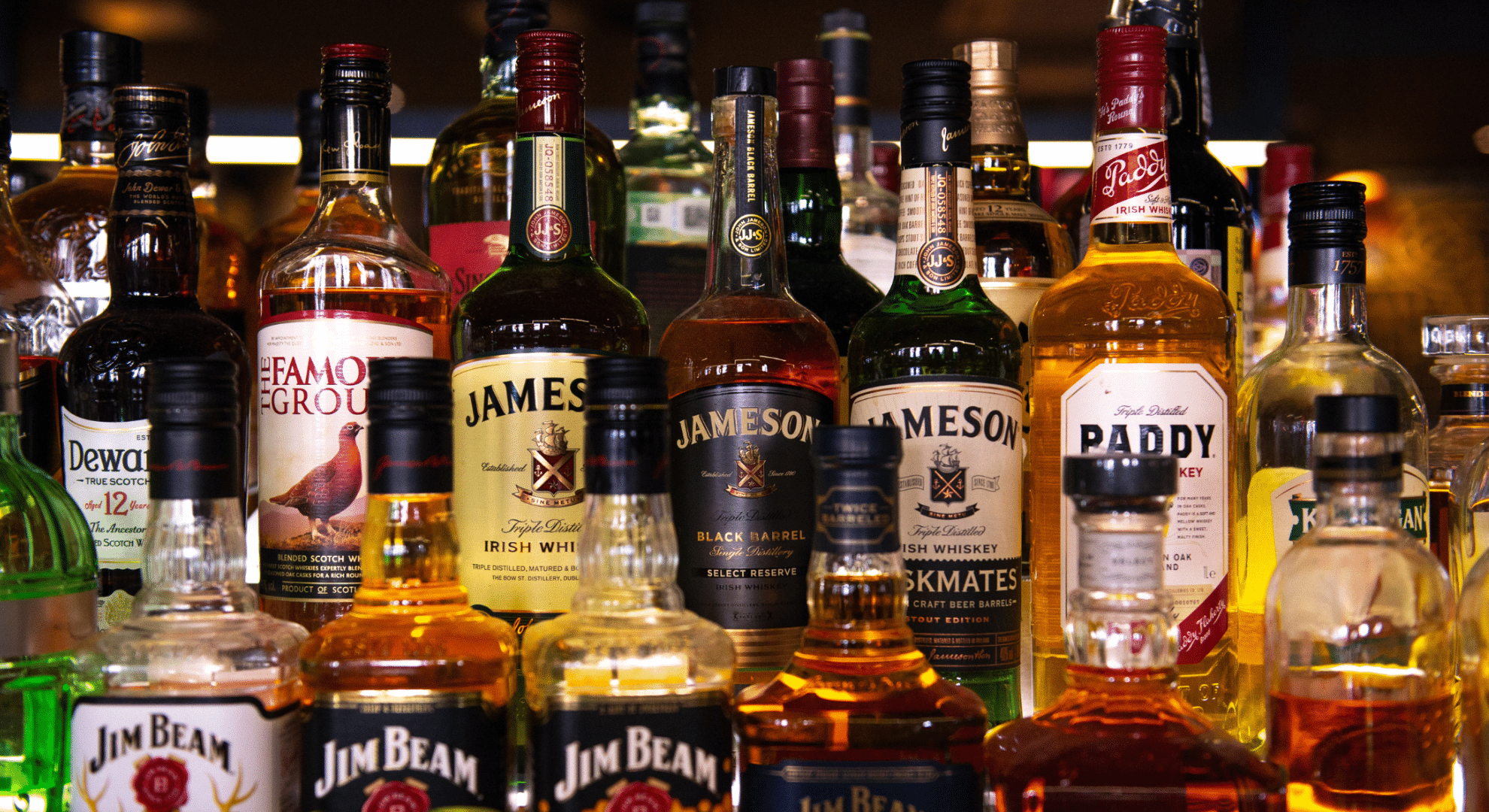
Alcohol is legal and part of many social events, which hides its risks. It can cause physical and mental dependence.
Heavy users may face seizures and anxiety during withdrawal. Quitting without support can even be dangerous in severe cases.
6. Fentanyl
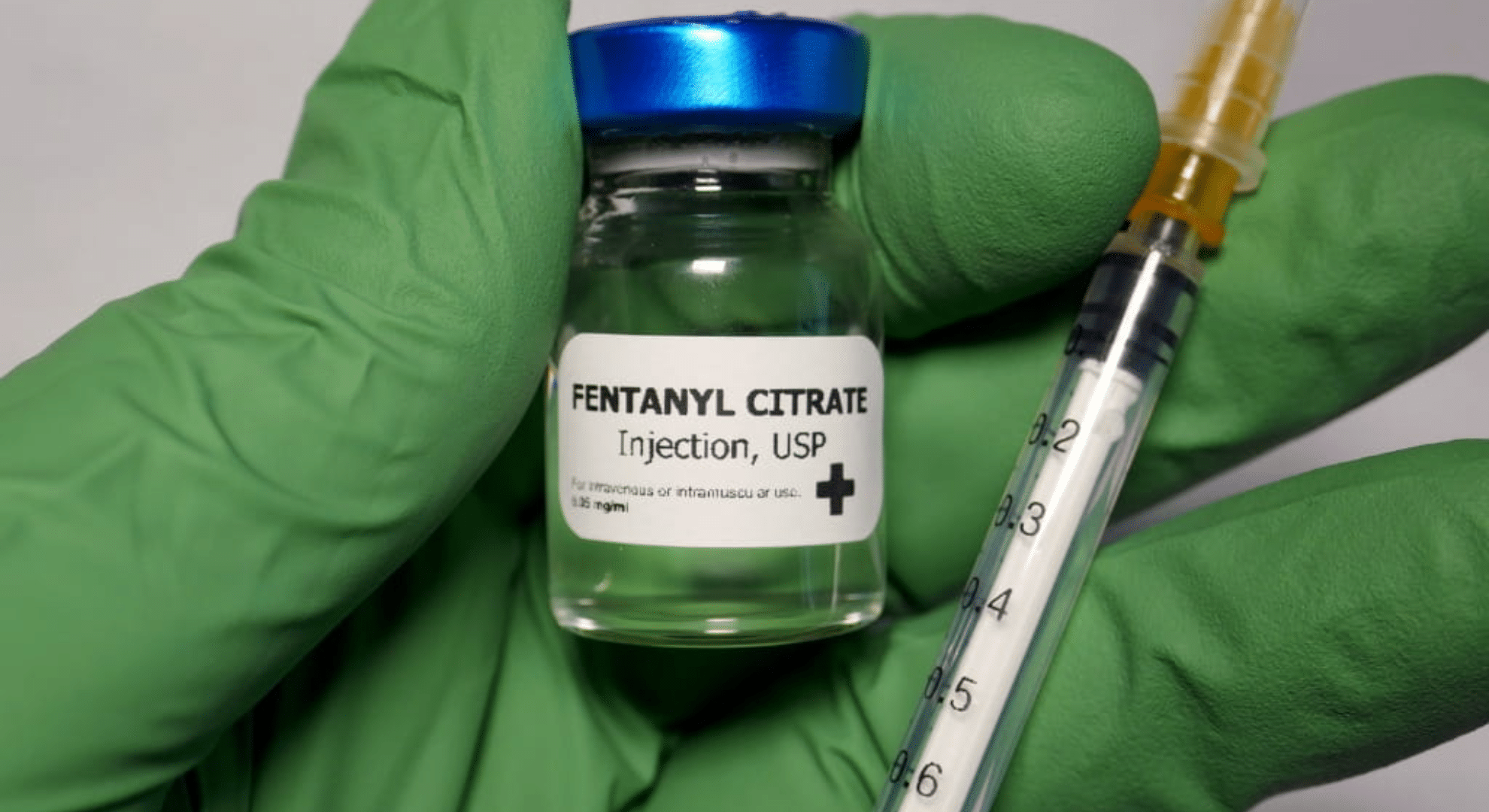
Fentanyl is a lab-made opioid that’s much stronger than heroin. It works fast and can stop breathing even in small doses.
It’s often mixed with other drugs, which makes overdose risks higher. It’s a major cause of recent overdose deaths.
7. Prescription Opioids (Oxycodone, Morphine)
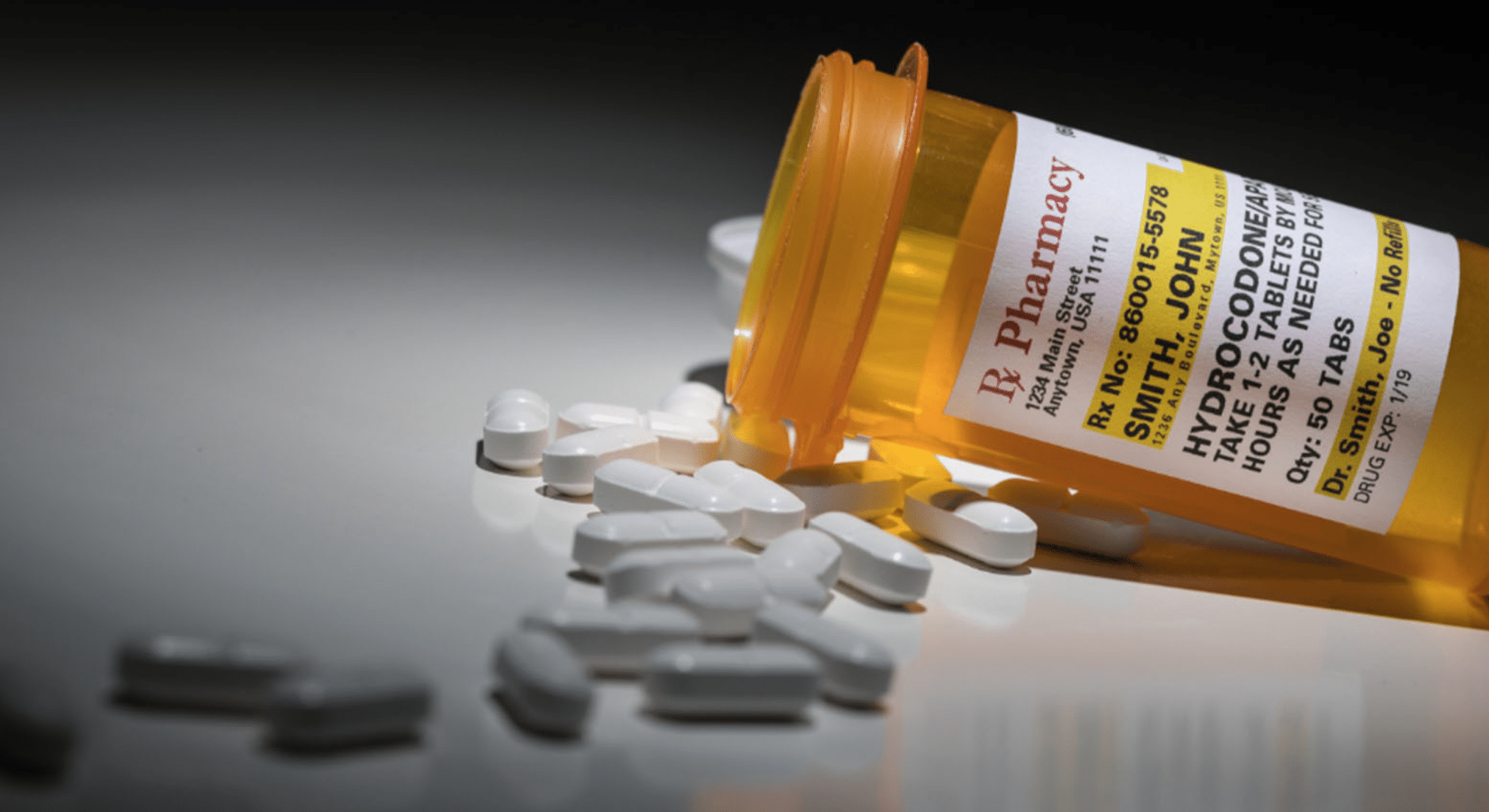
These drugs help with pain but can lead to serious addiction. The brain starts needing the drug to feel normal.
People may start misusing them, leading to overdose or switching to stronger opioids like heroin. Withdrawal includes body pain and nausea.
8. Benzodiazepines (Xanax, Valium)
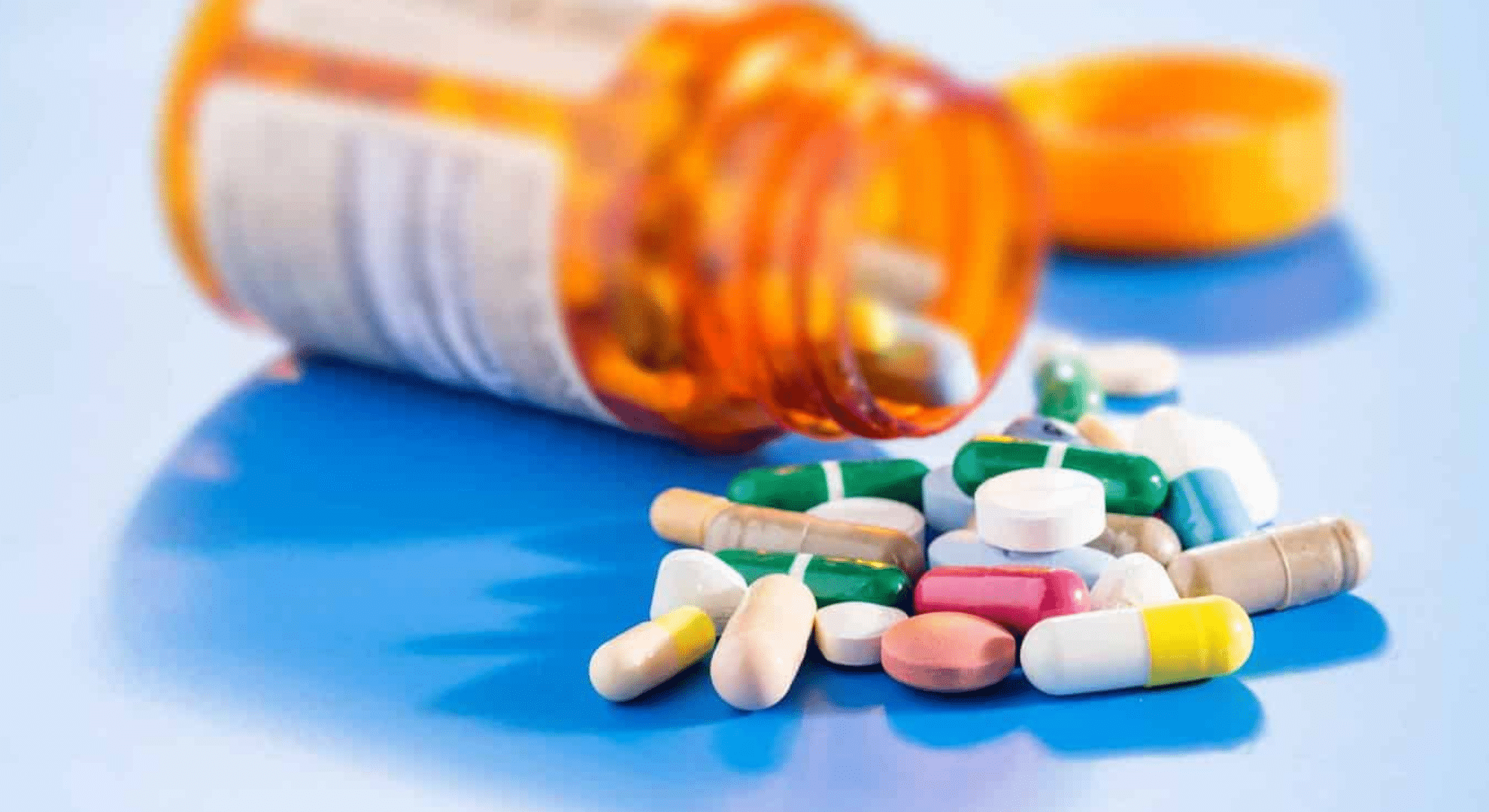
Used to treat anxiety and sleep problems, these meds can cause fast dependence. They calm the brain but change how it works over time.
Stopping suddenly can lead to panic, seizures, and other serious issues. Withdrawal needs medical care in many cases.
9. Caffeine
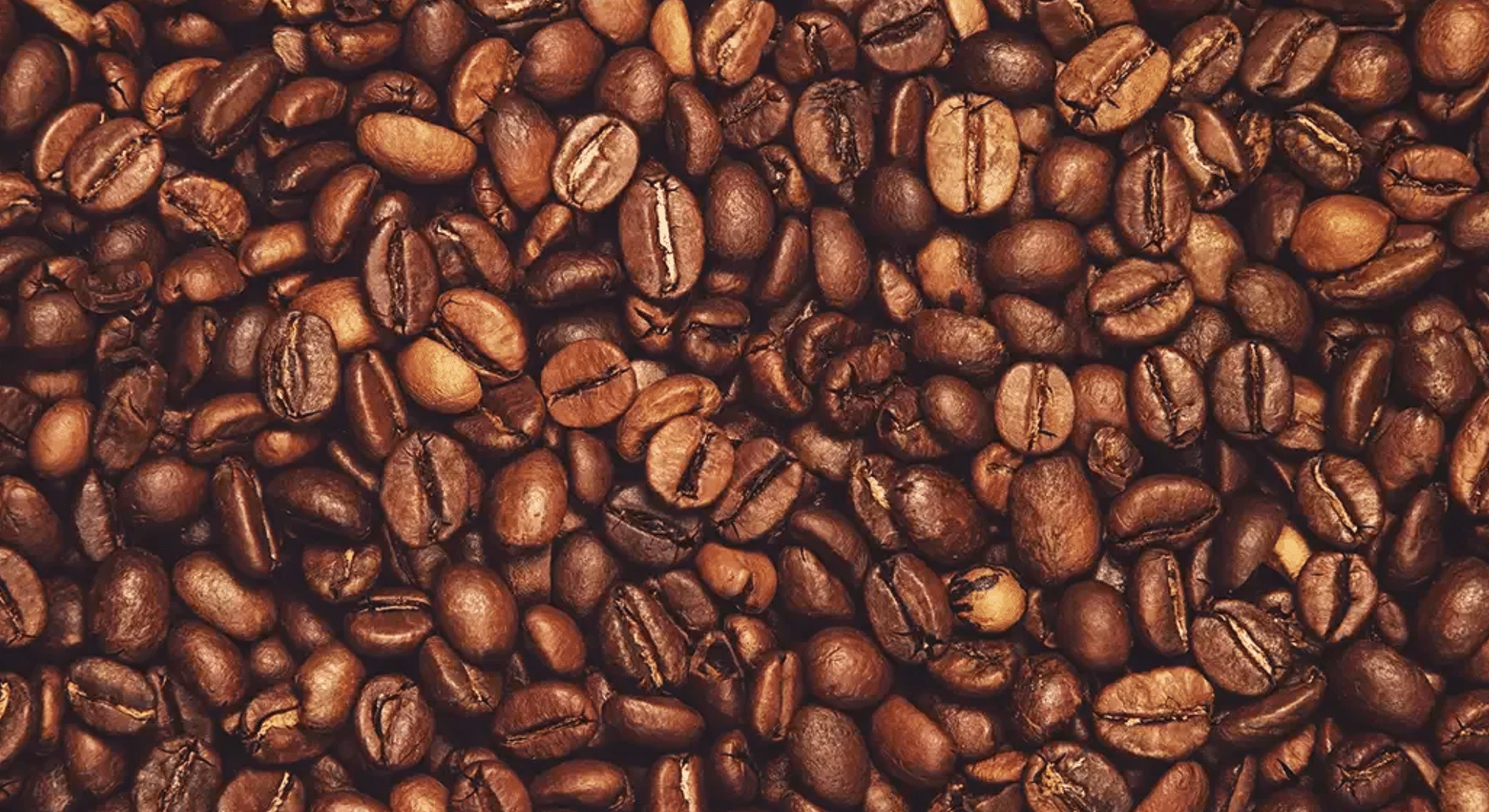
Caffeine causes mild addiction. It improves focus and alertness, but regular users often feel tired or get headaches without it.
It’s not as harmful as others on this list, but it still creates a pattern that’s hard to break for some.
10. Cannabis
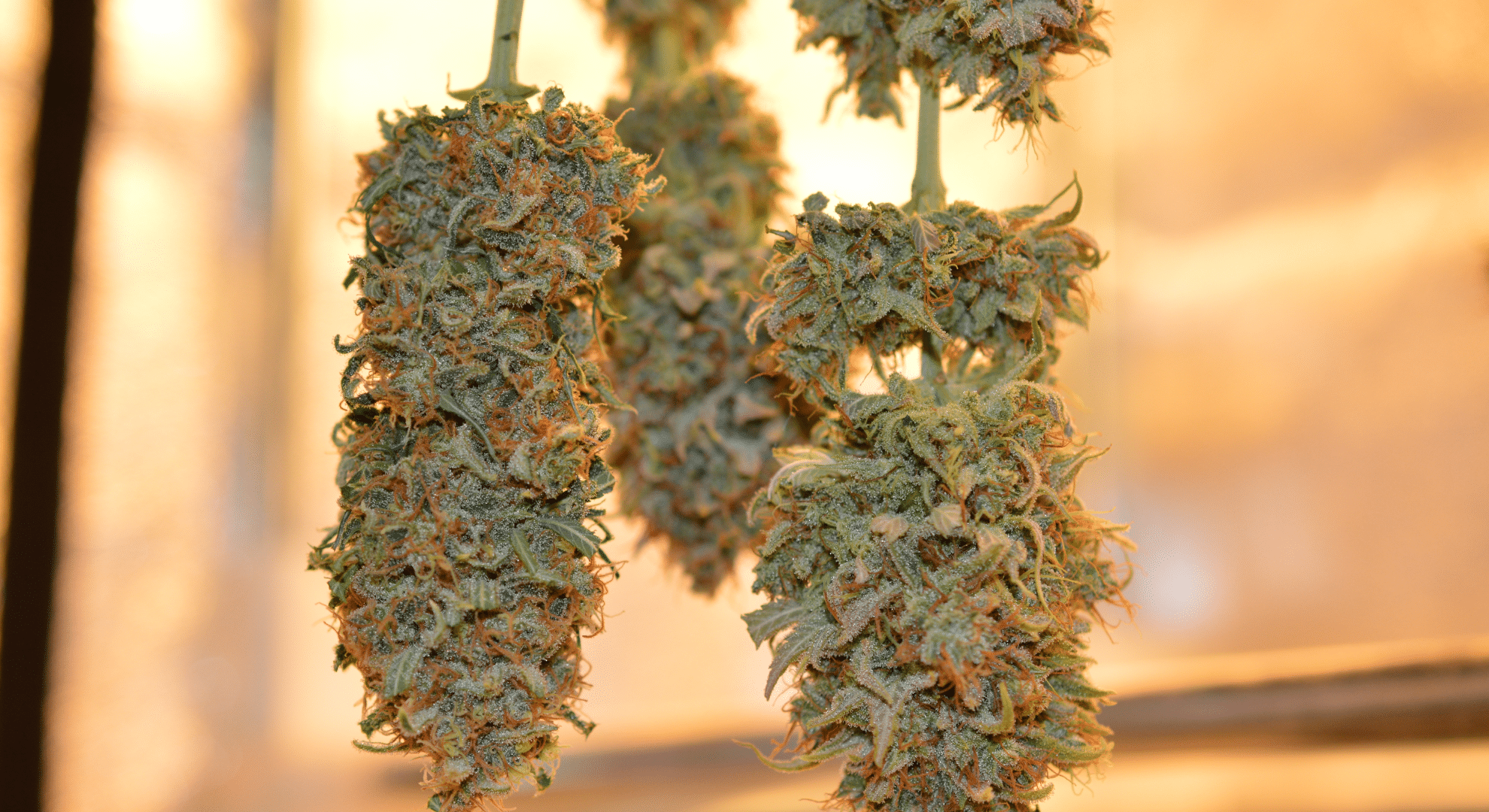
Some say it’s not addictive, but cannabis can lead to mental dependence. People may feel they need it to relax, sleep, or feel okay.
Long-term use may affect memory, focus, and mood. Quitting can bring mood swings and sleep problems.
How the Most Addictive Drugs Compare
When experts rank the most addictive drugs, they look at how quickly each drug works, how strongly it hooks people, and if it’s legal or not. The table below breaks down these points in a simple way:
| Drug | Type | Speed of Effect | Dependence Risk | Legal Status |
|---|---|---|---|---|
| Heroin | Opioid | Very fast | Very high (physical + mental) | Illegal |
| Cocaine / Crack Cocaine | Stimulant | Very fast | High (mostly mental) | Illegal |
| Nicotine | Stimulant | Fast | High (physical + mental) | Legal (age-restricted) |
| Methamphetamine | Stimulant | Very fast | Very high | Illegal |
| Alcohol | Depressant | Medium to fast | High (physical + mental) | Legal (age-restricted) |
| Fentanyl | Opioid (synthetic) | Very fast | Extremely high | Legal (by prescription) |
| Prescription Opioids | Opioid | Medium | High | Legal (by prescription) |
| Benzodiazepines | Depressant | Medium | High | Legal (by prescription) |
| Caffeine | Stimulant | Fast | Low to moderate (mental) | Legal |
| Cannabis | Depressant / Other | Slow to medium | Low to moderate | Legal in some places |
This chart gives a quick view, but each drug affects people differently. Some may feel hooked fast, while others may not—but the risks are still real. Knowing these facts can help you make safer choices.
Why Some Drugs Are More Addictive Than Others
Some drugs become more addictive than others because of how fast they hit your brain. If you smoke or inject a drug, rather than swallow it, the effect arrives much faster. Studies say that fast arrival causes a big “dopamine flood.” Dopamine is a brain chemical that makes you feel pleasure and reward.
When drugs trigger a huge dopamine surge, they sort of hijack your brain’s reward system, making you want to repeat the experience again and again.
Also, what’s happening around you matters. If a drug is easy to get, or many people you know use it, that social and environmental support can make addiction more likely.
Easy access and peer use give more chances to repeat drug use and that can grow into a habit.
In short: fast delivery to the brain, strong dopamine hits, and social or environmental factors together make some drugs far more addictive than others.
Can Addiction Be Prevented or Reversed?
Addiction isn’t a sign of weakness. It’s a brain disease. Drugs change how the brain works—especially the parts that control pleasure, memory, and self-control. That’s why quitting is hard, not because someone is lazy or bad.
But recovery is possible. The first step is often detox, which helps the body get rid of the drug. Some people use medications to ease withdrawal or reduce cravings. These are part of what’s called medication-assisted treatment.
Therapy also helps a lot. Talking with a trained counselor can change habits, build coping skills, and deal with deeper struggles.
Cognitive-behavioral therapy is one method that’s proven to work.
Support groups and recovery programs give people connection and hope. You’re not alone in this.
Addiction isn’t about being weak or making bad choices it’s a real medical condition. Drugs change how the brain works over time. That’s why quitting takes more than just “trying harder.” It’s not a matter of willpower. It’s about getting the right kind of help.
With the right help, people do recover. It takes time and effort, but change is real. Healing is not just possible, it happens every day.
Conclusion
I didn’t know how deep this topic went until I started looking into it myself.
Learning what is the most addictive drug opened my eyes to how fast things can spiral and how much the brain plays a role. I hope this helped you see it too, not in a scary way, but in a real way that sticks with you.
Now it’s your turn to think about what this means for you or someone close. This isn’t just about facts it’s about choices, awareness, and knowing what’s out there. Keep asking questions, keep learning, and don’t stop here.
Go check out the other blogs on the website to keep growing your knowledge. It could make a big difference, maybe even save a life!