You may hear unfamiliar slang online or in conversation and pause, wondering what the term actually means. If you recently came across the phrase “what is sherm,” you might be trying to understand the slang behind it.
The word appears in certain slang discussions and is often connected to conversations about drug culture. Understanding the meaning helps you avoid confusion in conversations.
I will explain the definition of the term, where the slang comes from, and how people typically use it in conversation.
You will also learn what substance the term refers to and why it appears in awareness discussions.
This content is for informational purposes only and is not intended as medical advice. Always consult a qualified healthcare professional for diagnosis, treatment, or guidance related to substance use, health conditions, or any medical concerns you may have.
Quick Answer: What Is Sherm?
- Definition: Sherm is a street slang term for a cigarette or marijuana joint that has been dipped in liquid PCP (phencyclidine) and smoked
- Also called: Sherm stick, wet, smoking wet, fry, fry stick, illy, dipstick, water, love boat
- Primary substance: PCP (phencyclidine), a Schedule II controlled substance and dissociative hallucinogen
- Origin of the name: Likely derived from Nat Sherman cigarettes, which were reportedly the original brand dipped in PCP
- Danger level: Extremely high. Dosage is unpredictable, overdose risk is significant, and fentanyl-laced versions have been documented
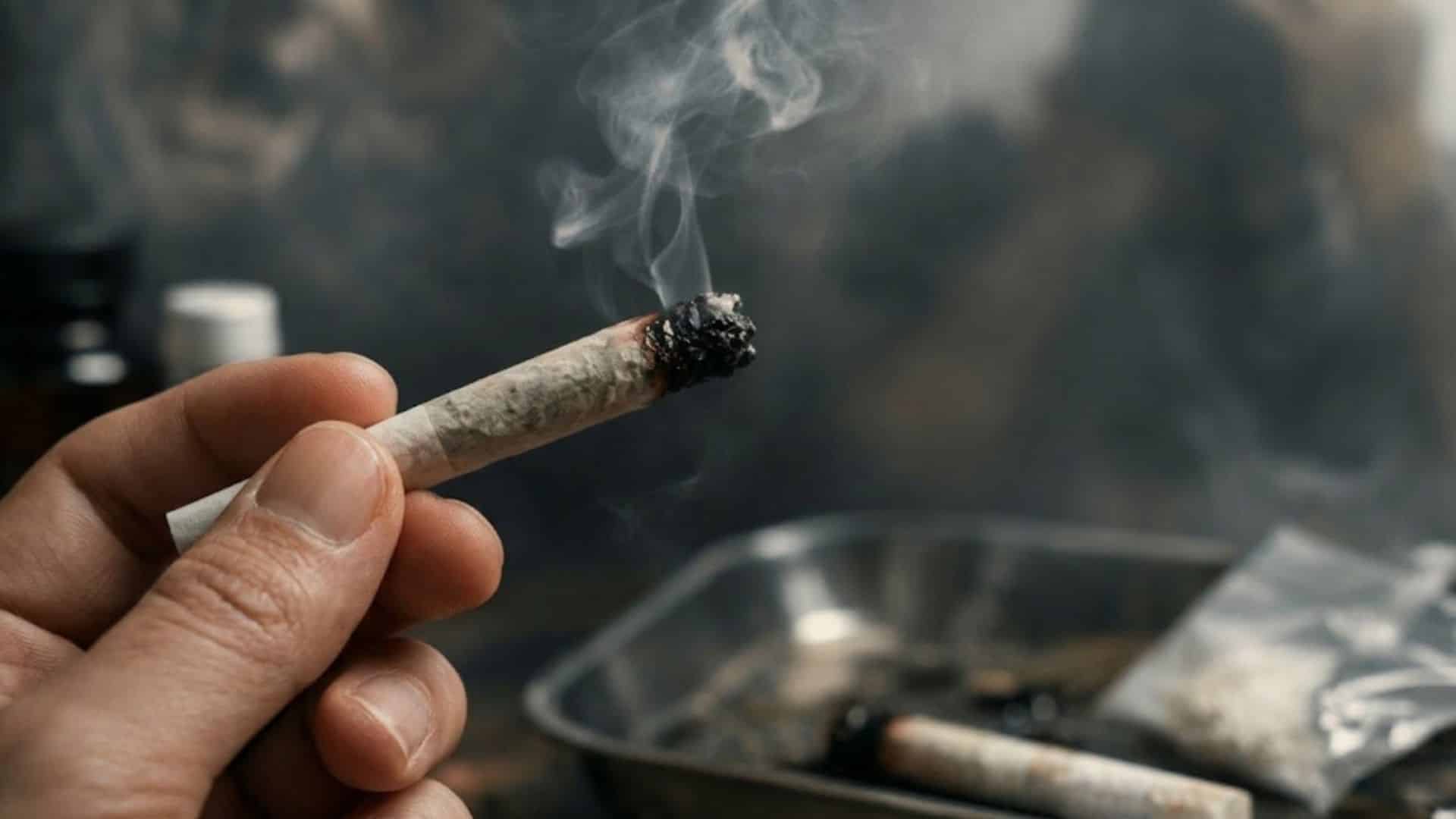
Sherm is a street slang term used to describe a cigarette or marijuana joint that has been dipped in PCP (phencyclidine) and then smoked.
The term is commonly used in informal conversations, especially in discussions related to drug slang. A “sherm stick” refers to this same type of cigarette or joint that has been treated with liquid PCP before being smoked.
Street slang often develops within specific communities and spreads through music, local culture, and everyday conversations.
Over time, terms like “Sherm” become widely recognized beyond their original groups. Because the amount of PCP used can vary, the strength and effects of a sherm stick can be unpredictable.
Where the Slang Term Sherm Comes From
The slang term “Sherm” likely developed through street culture and word-of-mouth communication within communities discussing drug use.
Language in these settings often changes quickly and may take inspiration from nicknames or shortened words. Over time, the term became widely used in different communities.
The term “Sherm” is often linked to the cigarette brand “ Nat Sherman .” Early users reportedly dipped Sherman cigarettes in PCP, which led to the nickname “Sherman sticks,” later shortened to “Sherm.
What Substance Does Sherm Usually Refer To?
The slang term “Sherm” is commonly associated with PCP, also known as phencyclidine.
PCP is a powerful dissociative drug that affects the brain and nervous system. When PCP enters the brain, it interferes with chemical signals that regulate perception, mood, and thinking. As a result, the drug can produce hallucinations, confusion, and altered awareness of reality.
Public health sources such as the National Institute on Drug Abuse (NIDA) and the National Institutes of Health (NIH) explain that PCP can produce strong psychological and physical effects.
Because street terminology can vary widely, not every region uses the same words to describe these substances.
PCP is classified as a Schedule II controlled substance under federal law, placing it in the same legal category as cocaine. Schedule II status indicates a recognized high potential for abuse and dependence.
PCP was originally developed as a surgical anesthetic in the 1950s but was discontinued due to severe side effects in patients, including agitation, delusions, and emergence reactions. It has no currently accepted medical use in the United States.
One lesser-known pharmacological detail: PCP causes the cigarette or joint to burn at a slower rate than normal, which prolongs the high and can cause users to inhale more of the substance than intended over the course of a single session.
How Sherm is Made
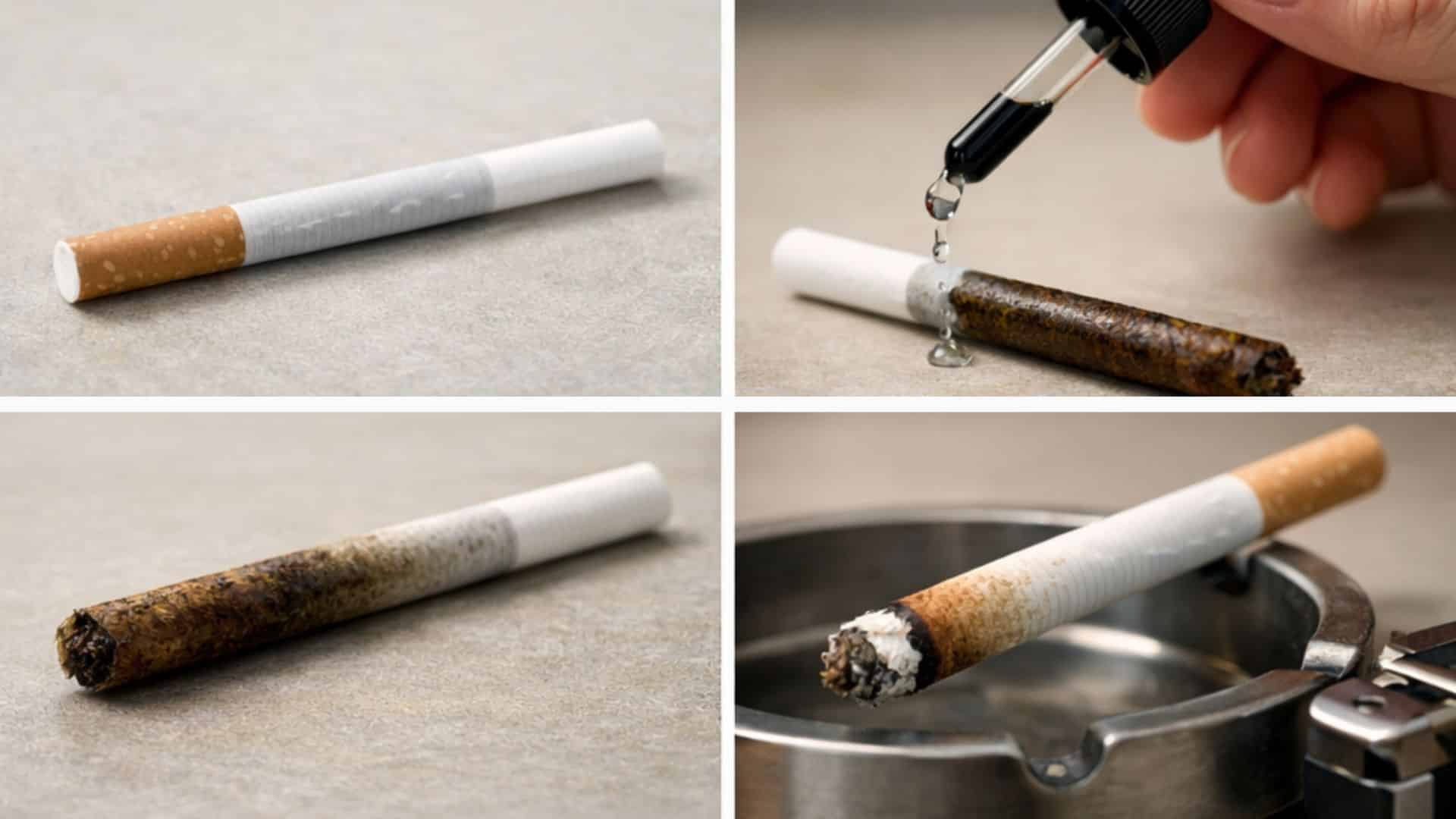
The process of making Sherm involves preparing a cigarette or marijuana joint and treating it with liquid PCP. People typically prepare it using the following steps:
- Prepare the cigarette or joint: A regular tobacco cigarette or a marijuana joint is used as the base.
- Dip it into liquid PCP : The cigarette or joint is dipped into liquid PCP or a solution containing the drug.
- Allow it to dry: After dipping, the cigarette is left to dry so the liquid soaks into the material.
- Smoke the treated cigarette: Once dry, the cigarette or joint is lit and smoked.
Because street drugs are often mixed with unknown chemicals, the exact strength and effects can vary.
Does Sherm Contain Embalming Fluid?
Some discussions about Sherm mention embalming fluid. In certain cases, liquid PCP may be dissolved in chemical solvents, and embalming fluid is sometimes mentioned as one of these solvents.
Embalming fluid is a chemical mixture used to preserve bodies after death. It commonly contains substances such as:
- Formaldehyde
- Methanol
- Glutaraldehyde
These chemicals are toxic when inhaled or ingested, which increases the health risks associated with smoking substances treated with PCP.
Clarifying the confusion: The association between sherm and embalming fluid is partly a myth and partly a real risk. Liquid PCP has a strong chemical smell that resembles formaldehyde, which is the origin of the confusion. PCP is not embalming fluid and is not derived from it. However, in some documented cases, actual embalming fluid has been used as a solvent to dissolve PCP before dipping, which is where the real danger lies. In other cases, cigarettes have been dipped in embalming fluid directly, with or without PCP, based on a mistaken belief that embalming fluid itself is the active substance.
Sherm vs. Other Drug Slang Terms
Different slang terms can refer to related substances or smoking methods, which sometimes creates confusion during discussions about drug use.
| Slang Term | General Reference | Typical Context |
|---|---|---|
| Sherm | Cigarette or joint dipped in PCP or chemicals | Street slang discussions |
| Wet | Another slang term linked to PCP-treated cigarettes | Informal conversations |
| Fry | Slang sometimes connected to PCP intoxication | Cultural or music references |
| Dust | Street name occasionally used for PCP | Drug awareness discussions |
Understanding these terms helps readers recognize how different slang expressions may describe similar substances in informal conversations.
Effects of Smoking Sherm

Smoking Sherm can affect both the brain and the body because it contains PCP, a powerful psychoactive drug.
Short-term effects may include:
- Confusion
- Hallucinations
- Paranoia
- Loss of coordination
- Slurred speech
- Increased heart rate
- Aggressive or unpredictable behavior
Long-term effects may include:
- Memory problems
- Difficulty concentrating
- Mood disorders
- Psychological dependence
- Long-term mental health complications
Because the dosage and chemical mixture can vary, the effects of Sherm are often unpredictable.
Why People Talk About Sherm in Drug Awareness Discussions
Drug awareness programs often explain slang terms so people can recognize how substances are discussed in everyday language.
- Education About Substance Use: Understanding slang like “Sherm” helps educators, parents, and health professionals recognize how drug-related terms appear in conversations, media, and community discussions.
- Risks Associated With Drug Use: Public health organizations discuss these terms to explain the dangers linked to substances such as PCP and related chemical exposure.
- Importance of Awareness and Prevention: Knowing common slang terms helps communities identify warning signs earlier and supports clearer conversations about substance use and prevention.
Recognizing these terms helps people stay informed and supports more open, informed discussions about substance awareness and public health.
Signs Someone May Be Using Sherm or PCP
Recognizing possible warning signs can help individuals and families respond early when substance use may be affecting someone’s behavior or health.
- Sudden behavioral changes: Unusual mood swings, confusion, or unpredictable reactions that seem out of character.
- Physical symptoms: Sweating, poor coordination, slurred speech, or difficulty maintaining balance during normal activities.
- Mental confusion: Disorientation, hallucinations, or trouble focusing during conversations or daily tasks.
- Sleep disturbances: Irregular sleep patterns, restlessness, or staying awake for unusually long periods.
- Risky or impulsive behavior: Acting without caution or showing unusual aggression or anxiety.
If these signs appear repeatedly, seeking professional medical or counseling support can help address possible substance use concerns safely.
When to Seek Help for Substance Use
Substance use concerns should be handled with care and timely support. If you notice repeated changes in behavior, confusion, mood swings, or loss of control, it may be a sign that professional help is needed.
Speaking with a doctor, counselor, or mental health professional can help assess the situation and guide the next steps.
Early support can prevent more serious health problems and improve recovery outcomes.
You can also reach out to trusted organizations like the Substance Abuse and Mental Health Services Administration (SAMHSA) or the National Institute on Drug Abuse (NIDA). They offer confidential helplines, treatment resources, and reliable information to support individuals and families dealing with substance use.
A Note for Parents and Caregivers
If you are reading this because you encountered the term “sherm” in your child’s conversations, messages, or social media, it is worth taking seriously. Familiarity with a term does not necessarily mean someone is using the substance, but it does create an opening for an honest conversation.
Approaching the conversation with curiosity rather than accusation is more likely to keep communication open. Ask where they heard the term, what they understand it to mean, and whether they know anyone who uses it. Avoid reacting with anger or dismissiveness, as both responses tend to close down rather than open dialogue.
If you have genuine concerns about a young person’s substance use, a pediatrician, school counselor, or substance-use professional can help you assess the situation and determine appropriate next steps without jumping to consequences that may undermine trust.
Summing Up
Now that you understand what is sherm, the term becomes much clearer. In this guide, I explained its basic definition, how the slang developed, and why it often appears in discussions connected to PCP and drug culture.
You’ll also looked at how people use the word in conversation, how it compares to other slang terms, and when it may appear in health awareness discussions.
When you recognize the meaning behind terms like this, you can better understand conversations about substance use and the risks involved.
I encourage you to keep learning from reliable health resources and share accurate information when discussing these topics. If you have questions or insights, feel free to share your thoughts so others can learn from the discussion too.