MDMA, more commonly known as Ecstasy or Molly, is a popular drug at parties and raves. But what happens when you’re tested for it? Herein, I’ll walk you through what MDMA is on a drug test.
I’ll cover the different types of tests used to check for MDMA, like urine, blood, and hair tests. We’ll also look at how long MDMA stays in your system and what factors can affect how long it’s detectable.
If you’re wondering if MDMA shows up on a standard drug test or if there are ways to avoid a false positive, this guide has you covered. By the end, you’ll know exactly what to expect if you’re tested for MDMA.
DISCLAIMER: The information provided is for educational purposes only and is not a substitute for professional medical advice, diagnosis, or treatment.
What Is MDMA?
MDMA stands for methylenedioxymethamphetamine. Now, that’s a pretty big word, but it’s easier to understand when you know that MDMA is a drug made in labs.
You might have heard of Ecstasy or Molly before, especially if you’ve ever been to a party or heard about rave culture.
When someone takes MDMA, it makes them feel happy, energetic, or even more friendly and loving. People often use it to get a “feel-good” experience, which is why it’s super popular at places like parties, clubs, or raves.
The drug can make you feel more connected to others, almost like you’re sharing an intense bond with the people around you.
But here’s the thing: even though it might sound like a fun way to feel good, MDMA isn’t something you should just take lightly. It’s actually pretty dangerous as it can cause serious health problems.
Why Do People Use MDMA?
People take MDMA for a variety of reasons, often related to how it affects mood, energy, and social experiences. Here are some of the main reasons why it’s used:
- Boosts Mood: MDMA makes people feel really good, especially in social settings like parties or big gatherings. It can boost your mood and make you feel super happy.
- Increases Energy: It gives you a burst of energy, making you feel more active and lively during social events, which is why it’s popular in clubs or raves.
- Makes You Feel More Connected: People often take MDMA because it helps them feel emotionally closer to the people around them. If you’re with friends or strangers, it can make talking and bonding feel easier.
- Enhanced Social Experience: If you’re at a party or social event, MDMA makes it simpler to meet new people and get along with others. It lowers social barriers, helping people open up and feel more comfortable.
While these effects can feel enjoyable, it’s important to remember that MDMA also carries risks, and its impact can vary from person to person.
What is Mdma on a Drug Test? How Is It Detected?
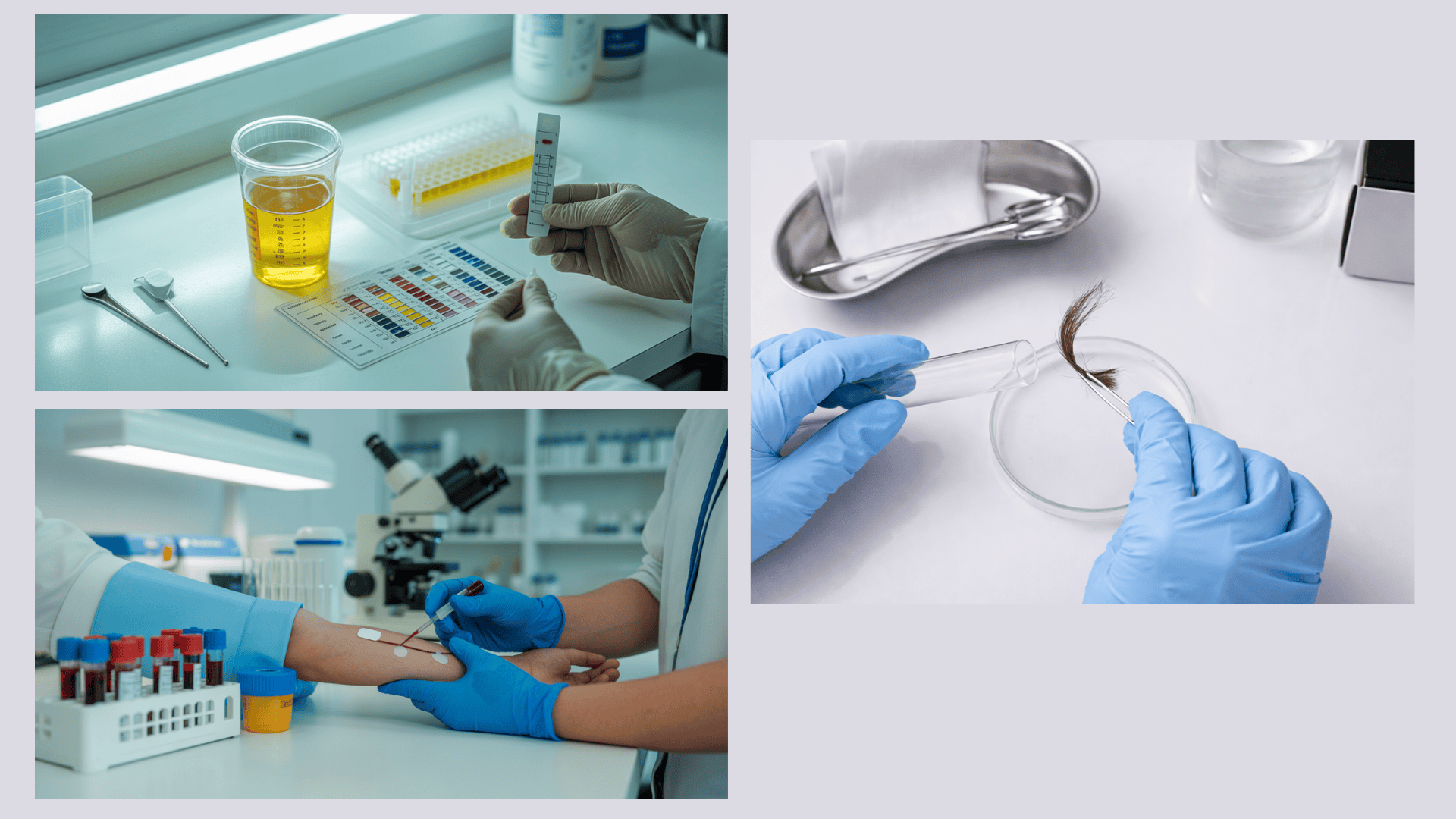
If someone takes MDMA, it doesn’t just disappear right away. Your body keeps traces of it for a certain amount of time, and drug tests are designed to find those traces.
There are a few different ways that MDMA can be detected, and each method works a little differently.
1. Urine Test
This is the kind of test you’ve probably seen in movies or heard about at work or school programs because they are easy to do and usually give quick results.
MDMA can usually be detected in urine for about one to three days after someone takes it.
How long it shows up depends on a few things, like how much of the drug was taken, how often it is used, and how fast your body processes it. People with faster metabolisms might get rid of it a little quicker, while others might show traces a bit longer.
2. Blood Test
Blood tests are less common, but they can also show if someone has taken MDMA. However, they are more accurate than urine tests, but they are harder to do because they need a small sample of blood, usually taken at a clinic or lab.
MDMA usually stays in the blood for about one to two days. This means blood tests are best if someone wants to check for very recent use.
3. Hair Follicle Test
Hair tests are less common but very interesting. They can detect MDMA for a much longer time, even weeks or months after someone used it. The way it works is that tiny traces of the drug get stored in the hair as it grows.
Because hair grows slowly, a hair test can actually show a history of drug use. This makes it the most accurate long-term test, but it is also the least common because it is more expensive and not needed in most situations.
So, depending on the type of test, MDMA can be detected from just a day or two up to several months after use.
Does MDMA Show Up on a Standard Drug Test?
You might be wondering if MDMA shows up on regular drug tests. The answer depends on what kind of test is being used. Let’s break it down!
| Drug Test Type | Does It Detect MDMA? | What You Should Know |
|---|---|---|
| 5-Panel Drug Test | No | Tests for marijuana, cocaine, opiates, PCP, and amphetamines; MDMA is not specifically included |
| 10-Panel Drug Test | Sometimes | May flag MDMA under amphetamines due to chemical similarity |
| Amphetamine-Specific Test | Indirectly | MDMA can cause a positive result because it is chemically similar to amphetamines |
| MDMA-Specific Test | Yes | Designed to detect MDMA directly; used in specialized testing |
In short, MDMA may show up on a drug test, but it depends on what the test is designed to detect.
Common Myths About MDMA Drug Testing
There are a few myths about MDMA and drug testing that can lead to confusion, so let’s set the record straight.
- MDMA Never Causes False Positives: MDMA can trigger false positives due to its chemical similarity to amphetamines.
Some over-the-counter medications, like cold medicines, can also cause this mix-up. Always request a follow-up test to confirm the results if you test positive. - All Drug Tests Are 100% Accurate: Drug tests aren’t always perfect. While blood tests are typically more accurate than urine tests, they can still yield false results.
If you test positive for MDMA, it’s crucial to request a follow-up confirmation test for more reliable results. - MDMA Leaves the Body Quickly: MDMA can stay in your system for several days, not just hours. A urine test detects it for 1-3 days, and larger doses may keep it detectable longer. Hair tests can detect MDMA for weeks or even months, providing a long-term detection window.
- MDMA Shows Up on All Drug Tests: Not all drug tests detect MDMA. Common tests like the 5-panel, used by employers and schools, generally don’t check for it.
If you need to be tested for MDMA specifically, you’ll require a test that includes it, such as a 10-panel or amphetamine-specific test.
Understanding these facts can help you avoid unnecessary worry and make sure any positive result is interpreted correctly with the right follow-up tests.
What to Do if You Test Positive for MDMA?
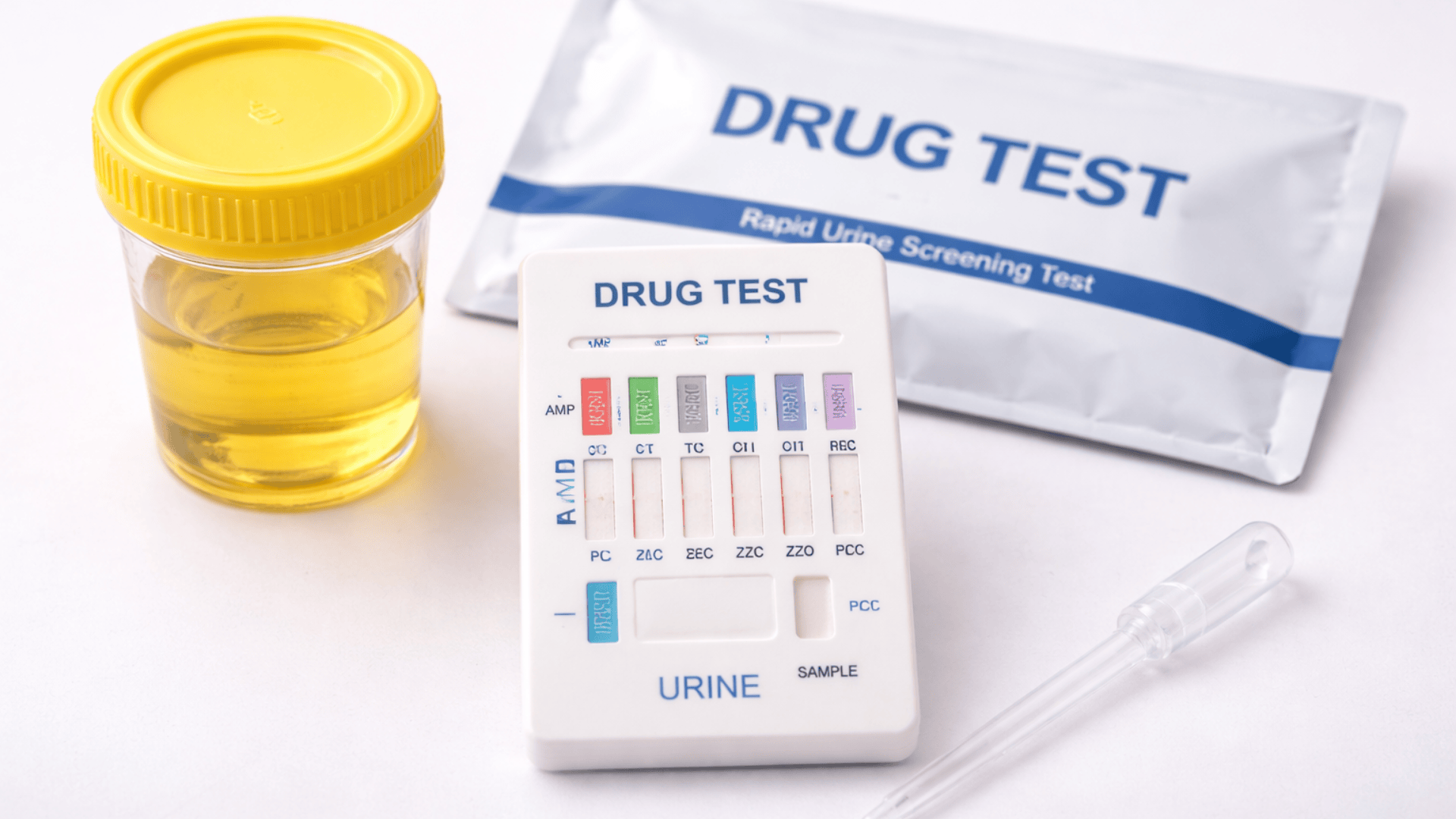
Testing positive for MDMA can be stressful, especially in situations like work or legal matters. If you ever find yourself in this situation, here are some important steps to take:
1. Stay Calm and Understand the Result
The first thing to remember is not to panic. A positive result doesn’t always mean that MDMA is definitely in your system.
Sometimes tests can be inaccurate, or there could be cross-reactivity with other substances you’ve taken. It’s always a good idea to ask for a confirmation test, which is more accurate and can provide more reliable results.
2. Request a Follow-Up Test
If you test positive for MDMA on a preliminary test, you can request a more detailed test.
This could be a blood test or a lab-confirmed urine test, which can help confirm if MDMA is actually in your system. This is important, especially if you’re concerned about a false positive.
3. Understand Your Rights
If the drug test is part of a workplace or legal process, it’s crucial to know your rights. In many places, you have the right to challenge a test result or ask for a retest.
If the test was required by your employer, they might have a policy for handling positive drug tests. Knowing what your rights are can help you decide the best course of action.
4. Talk to Your Employer or Legal Representative
If the test was for work or legal reasons, it’s important to have a conversation with your employer or legal representative.
They might ask for your explanation or for proof that you didn’t take MDMA. Be honest about what happened, and keep in mind that there may be consequences, depending on the setting.
Summing Up
Testing positive for MDMA can feel stressful, especially in work or legal situations. The first step is to stay calm and request a follow-up test.
Understanding what is MDMA on a drug test and how it can help reduce confusion, since results may show up under amphetamines.
A confirmation test, such as a lab-confirmed urine or blood test, can provide more accurate results and rule out false positives. If the test was for work, review your rights and follow your employer’s policy.
Be honest about your situation, and consider legal advice if consequences are involved. If you believe the result is wrong, ask for a retest.
Have more questions about MDMA or drug testing? Leave a comment below.
Frequently Asked Questions
Can MDMA Be Detected in Saliva Tests?
Yes, MDMA can be detected in saliva tests, but these tests are less commonly used. Saliva tests can detect MDMA for up to 1-2 days after use, and are not reliable for long-term detection.
How Can I Reduce the Chances of Testing Positive for MDMA?
The best way to avoid testing positive for MDMA is not to use it. Hydrating and maintaining a healthy metabolism may slightly help, but MDMA can be detectable for up to 3 days in urine.
Does MDMA Stay in Your System Longer if You Take it Frequently?
Yes, frequent use of MDMA can lead to the drug staying in your system for a longer period. This is because regular use can build up in the body, especially if you take higher doses. Frequent users might find it stays detectable for longer periods.