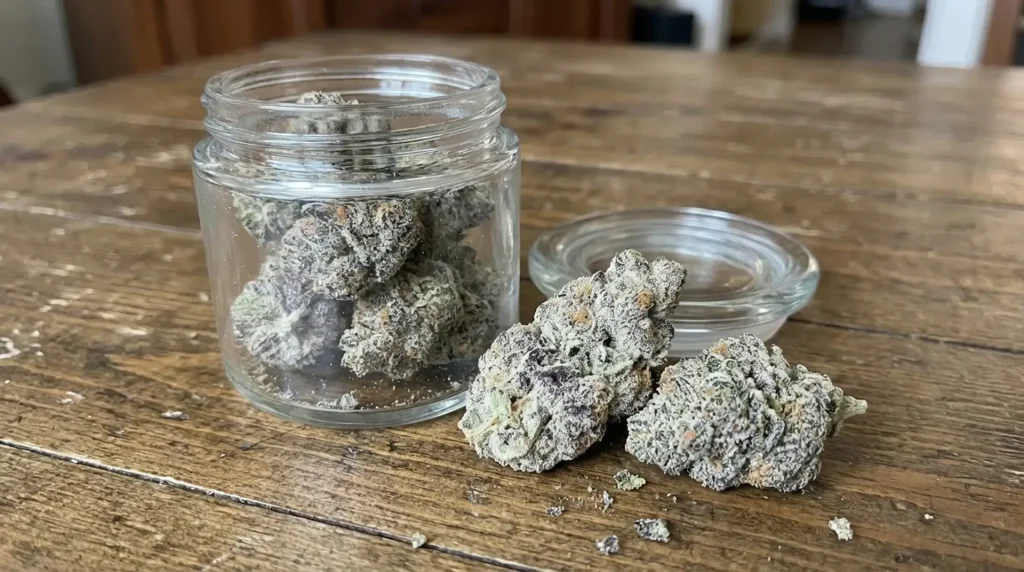
“Dope” is one of those words that mean different things depending on who says it, where they live, and what decade they grew up in. A parent from the ’80s hears it and thinks weed. A harm reduction worker in Chicago hears it and thinks heroin. A teenager hears it and thinks, “That’s cool.”
That gap in meaning matters more than most people realize, especially when health, safety, and honest conversations about drugs are on the line.
This article answers what is dope drug, which substances the term actually covers, whether it’s dope weed or something harder, where the word came from, how it spread through pop culture, its real effects on the body, and when to seek help.
This article is intended for educational purposes only. It does not constitute medical advice, diagnosis, or treatment. If you or someone you know is struggling with substance use, please contact a qualified healthcare professional or call the SAMHSA National Helpline at 1-800-662-4357.
What is Dope?
“Dope” is a slang term for an illicit drug used for its euphoric or intoxicating effects, most commonly marijuana or heroin, depending on region and era.
In older usage, dope almost always meant weed. Walk into a conversation from the 1970s, and nobody’s debating it. In modern street slang, especially across U.S. cities, it typically refers to heroin or opioids, a shift that happened quietly over decades as cannabis lost its stigma and harder drugs inherited the word.
The same term also carries a completely positive meaning in everyday language, where “dope” simply means excellent or impressive.
I find that most confusion clears up the moment people understand it’s not one drug, it’s one word with a long, complicated history.
Is Dope Weed?
The short answer is yes, but only part of the time. Whether dope means weed depends entirely on when and where the conversation is happening.
When Dope Meant Weed
From the 1950s through the 1980s, dope was the go-to word for marijuana across American culture, no debate, just common usage. That meaning was reinforced from every direction imaginable.
- Cheech & Chong: their 1980 album “Let’s Make a New Dope Deal” left zero ambiguity about what drug they meant
- That ’70s Show: Red Foreman used “dope” for marijuana without blinking, straight from that generation’s vocabulary
- Anti-drug campaigns: “Why do you think they call it dope?” was aimed squarely at cannabis users, not heroin users
- UK and Europe: dope still means cannabis here today, that meaning never shifted
When Dope Shifted to Heroin
As cannabis gained legal acceptance across U.S. states, the stigma around it faded, and street culture moved the word somewhere harder. The label followed the drug carrying the most danger.
- Urban street slang: in Chicago, New York, and Philadelphia, dope means heroin or opioids, full stop
- Fentanyl contamination: Most dope sold today is laced with fentanyl, making this shift a public health issue
- Harm reduction context: “on dope” to an outreach worker means opioids; misreading it has real consequences
- Timeline: the shift accelerated through the ’90s and 2000s as cannabis normalization spread across the U.S.
How Region Still Decides the Meaning
Even today, there’s no single answer; geography splits the definition just as much as the era does. The same word lands differently depending entirely on where you’re standing.
- Most U.S. cities: heroin or fentanyl-laced opioids
- Pacific Northwest: often methamphetamine, especially in rural areas
- UK and Europe: cannabis, consistently unchanged for decades
- Older American generations: still weed, no matter what the streets say
- Everyday casual use: excellent or impressive, no drug reference at all
What is a Dope Drug: Every Substance the Slang Covers
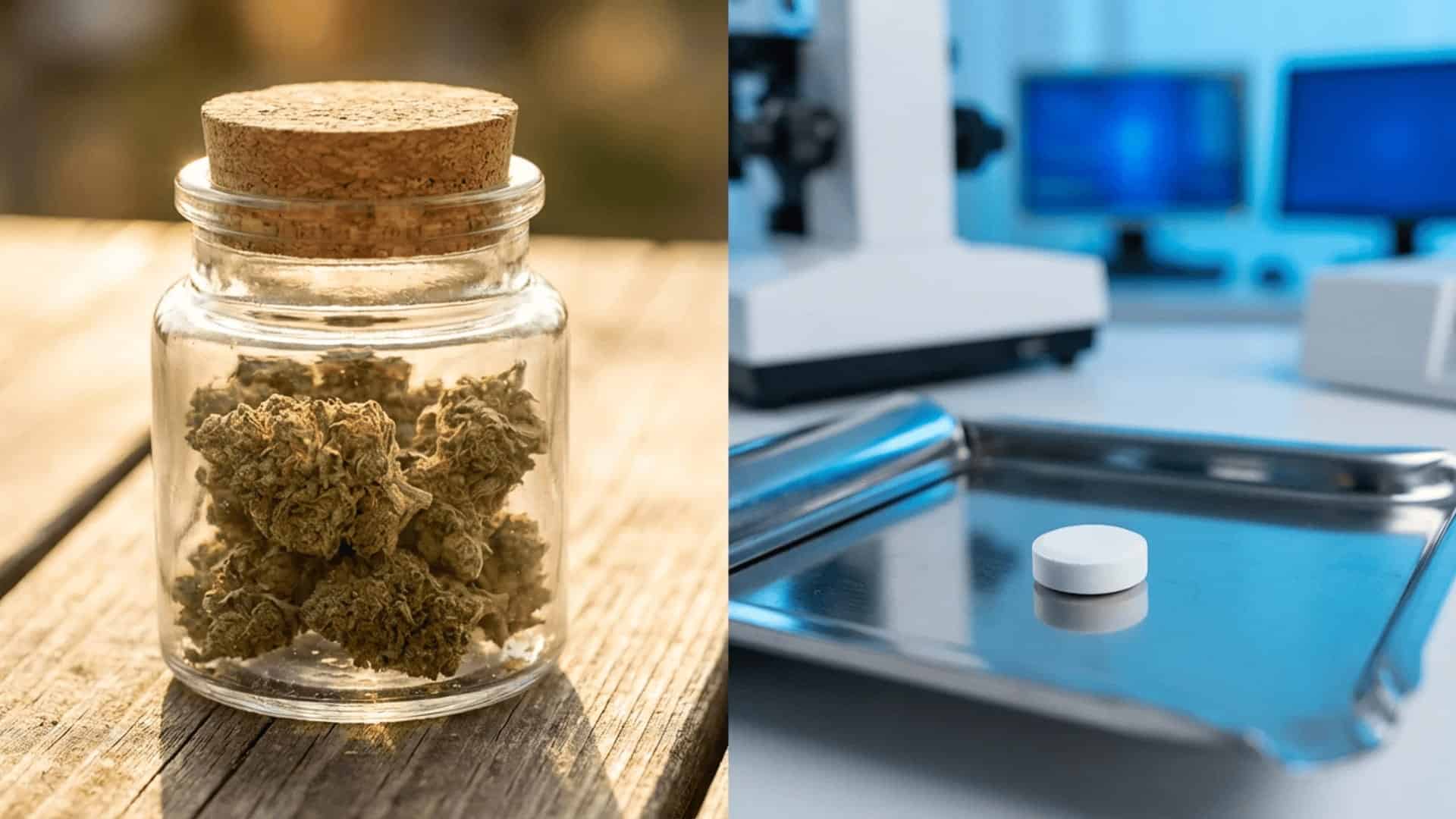
“Dope” doesn’t point to one drug; it never really did. Here’s every substance the term has been used for, and why each association developed the way it did.
1. Marijuana (Cannabis)
Cannabis was the original dope for most of the 20th century, and in many parts of the world it still is. The association was built through jazz culture, counterculture movements, and decades of anti-drug messaging.
THC binds to cannabinoid receptors, producing the relaxed euphoria most people associate with weed. In the UK and among older Americans, dope still means cannabis; the heroin association never fully took hold there.
How it’s used: Cannabis is smoked (joints, pipes, bongs), vaped, or consumed as edibles. Edibles take longer to take effect, typically 30 minutes to 2 hours, which leads many first-time users to accidentally overconsume while waiting for the high to kick in.
2. Heroin
Heroin is what most people in modern U.S. street culture mean when they say dope. It’s a Schedule I opioid with a high addiction potential and a narrow margin between a dose and an overdose.
Physical dependence develops within days, withdrawal begins within hours of the last dose, and much of what’s sold as heroin today contains fentanyl, making every use a potential overdose risk.
How it’s used: Heroin can be injected, snorted, smoked, or inhaled. Injection carries the highest overdose risk. “Chasing the dragon”, heating heroin and inhaling the fumes, is a common smoking method.
Each method carries distinct health risks, including collapsed veins, lung damage, and blood-borne disease transmission from shared needles.
3. Cocaine and Other Opioids
In the early 20th century, dope was a broad umbrella; cocaine, morphine, and prescription opioids all fell under it before the slang narrowed. Cocaine was legally available in the late 1800s, and “dope” covered it comfortably.
As each drug developed its own street identity, the catch-all faded. Prescription opioids like oxycodone are still sometimes called dope, where pill misuse overlaps with heroin culture.
Polysubstance risk: “Speedballing”, mixing heroin with cocaine or methamphetamine, significantly increases overdose risk.
The stimulant masks the sedation of the opioid, leading users to misjudge how much opioid is in their system. Mixing dope with alcohol or benzodiazepine compounds causes respiratory depression.
4. Methamphetamine
Meth carrying the dope label is a regional phenomenon, concentrated in the Pacific Northwest and rural U.S. communities. As heroin supply shifted and meth became more accessible in certain areas, the slang followed the most present drug.
Nationally, crystal, crank, and ice are far more common names; dope as a meth term stays largely local and rarely crosses into mainstream usage.
A lethal dose of fentanyl is approximately 2 milligrams; roughly the size of a few grains of sand. Fentanyl test strips can detect fentanyl in a drug supply before use and are available through many harm reduction organizations and some pharmacies.
Where Did the Word “Dope” Come From?
The word traces back to the Dutch doop, a thick sauce or gravy brought to American colonies in the early 1800s. Anything syrupy or viscous picked up the label, which is exactly how opium entered the picture.
Opium dens spread across U.S. cities in the late 1800s, and the drug’s thick, paste-like consistency made “dope” a natural fit. Addicts were called dopes, people in a permanent stupor.
By the early 1900s, the word expanded to cover morphine, cocaine, and heroin. Horse-racing culture added another layer, gamblers tracking chemically altered horses called that insider knowledge “the dope,” giving us expressions like “straight dope” that survive in everyday language today.
The slang-to-compliment flip came decades later. Hip-hop culture, starting around 1981 with artists like Busy Bee and Grandmaster Flash, reclaimed the word through what linguists call “inversion,” turning a term with negative connotations into something approved.
The same pattern gave us “bad” meaning “good” and “sick” meaning “impressive.” This is worth knowing if you’re a parent or educator seeing the word in a teenager’s messages, because context now determines meaning almost entirely.
What are the Effects of Dope?

The effects of dope vary significantly depending on which substance someone is actually using. Here’s what happens in the body and brain for each.
1. Cannabis (Dope as Weed)
Cannabis produces a slower, more manageable high for most people. THC binds to cannabinoid receptors, triggering relaxation, euphoria, and altered time perception.
Appetite increases, senses sharpen, and stress tends to quiet down. At higher doses, anxiety and paranoia can flip the experience entirely.
Long-term, regular use carries risks to memory, lung health if smoked, and psychological dependency, particularly in people who start young.
Approximately 1 in 10 people who use cannabis will develop cannabis use disorder; that risk rises to 1 in 6 for those who start in their teens, and as high as 1 in 2 among daily users.
2. Heroin and Opioids (Dope as Hard Drugs)
Heroin hits fast and hard. It floods the brain’s reward system with dopamine, producing intense euphoria within seconds of use, followed by drowsiness, slowed breathing, and a heavy physical calm.
The problem is that the body adapts quickly, requiring more of the drug to feel the same effect. Overdose risk is constant, especially with a fentanyl-contaminated supply, where the line between a dose and a fatal amount is razor-thin.
3. Why the Brain Gets Hooked
Every drug called “dope” targets the brain’s reward system in some way. Dopamine, the chemical behind motivation and pleasure, gets artificially flooded, teaching the brain to prioritize the drug above everything else.
Over time, natural rewards stop feeling satisfying. Tolerance builds, doses increase, and stopping feels impossible. This isn’t a willpower issue; it’s a measurable neurological change that happens gradually and often before a person realizes it.
Health Risks of Dope: Short-Term and Long-Term

Whether it’s cannabis or heroin, regular dope use carries risks that go well beyond the high. Here’s what the research consistently shows across both substance types.
| Risk Type | Cannabis | Heroin / Opioids |
|---|---|---|
| Coordination | Slowed reaction time | Severe sedation |
| Heart rate | Temporary spike | Irregular heartbeat |
| Breathing | Mild suppression | Potentially fatal depression |
| Mental health | Anxiety, paranoia | Depression, cognitive decline |
| Organ damage | Lung damage | Liver and kidney failure |
| Dependency | Irritability, sleep disruption | Physical dependence within days |
| Withdrawal | Irritability, insomnia, appetite loss; eases within 1–2 weeks | Muscle cramps, vomiting, cold sweats, severe anxiety; peaks at 48–72 hours, post-acute symptoms can last months |
| Cognition | Memory and focus decline | Decision-making severely impaired |
According to the National Institute on Drug Abuse, Opioid Use Disorder, 2023, medication-assisted treatment significantly improves long-term recovery outcomes, making early intervention one of the most critical steps.
Getting Help for Dope Addiction
Both cannabis dependency and opioid addiction are real and treatable. The earlier someone reaches out, the more options they have. Here’s where to start.
- Inpatient treatment: structured residential care for severe opioid dependency or those needing full separation from their environment
- Outpatient programs: regular counseling sessions while maintaining daily life, effective for cannabis dependency and early-stage opioid use
- Medication-assisted treatment (MAT): methadone and buprenorphine reduce withdrawal symptoms and cravings, significantly improving opioid recovery outcomes
- Therapy and support groups: cognitive behavioral therapy and peer support address the psychological side, which often determines long-term success
- SAMHSA National Helpline: free, confidential, 24/7 at 1-800-662-4357, connects callers to local treatment facilities and community resources
Treatment options vary by individual needs and location. Always consult a licensed healthcare provider before beginning any addiction treatment program.
Final Thoughts
“Dope” is one word carrying decades of completely different meanings, weed to one person, heroin to another, and just a compliment to someone else entirely. That gap isn’t trivial. It shapes how people talk about risk, recognize warning signs, and ask for help when something goes wrong.
Understanding what a dope drug means means understanding the context, the era, the region, and the conversation it’s part of. The effects are real, the health risks are documented, and the path to recovery exists for anyone who needs it.
If this helped clarify things, the FAQ section below covers the most common questions people still have. Start there if anything needs a clearer answer.
Frequently Asked Questions
Can you get addicted to dope after trying it once?
A single use rarely causes addiction, but it can trigger a powerful first experience that the brain chases afterward, particularly with heroin and opioids. Addiction typically develops through repeated use, but for some people, especially those with a genetic predisposition, the process moves faster than expected.
Is dope legal anywhere?
Cannabis, one of the most common substances called dope, is legal for recreational use in 24 U.S. states as of 2024, plus several countries, including Canada and the Netherlands. Heroin and methamphetamine remain illegal everywhere in the U.S., with no approved recreational status anywhere in the world.
How do you know if someone is on dope?
Signs vary by substance. Cannabis use often shows as red eyes, slow speech, and increased appetite. Opioid use typically presents as pinpoint pupils, extreme drowsiness, slowed breathing, and nodding off mid-conversation. Behavioral changes like withdrawal from family, secrecy, and financial problems often accompany regular use of either substance.
Can dope show up on a drug test?
Yes. Cannabis can remain detectable in urine for up to 30 days in regular users. Heroin metabolizes into morphine and typically shows up for 1–3 days. Most standard workplace and legal drug tests screen for both, along with cocaine, meth, and benzodiazepines.
What is the difference between dope and weed today?
In current usage, weed almost exclusively means cannabis. Dope is more ambiguous; it still means cannabis in some contexts, but in modern U.S. street slang, it more commonly refers to heroin or opioids. If someone uses the word ‘dope’ without context, the safest approach is to ask rather than guess.
Is dope the same as fentanyl?
Not technically, but increasingly in practice. Much of what’s sold as dope, particularly heroin, is now laced with or entirely replaced by fentanyl. Fentanyl is roughly 50 times stronger than heroin, and its presence in the dope supply is the primary driver behind the sharp rise in overdose deaths across the U.S.