When someone mentions “crank,” the conversation often gets confusing fast. Street names, different forms, conflicting information, it’s easy to feel lost trying to understand what’s actually happening.
For all the people who are worried about their own use, concerned about someone they love, or simply trying to make sense of what this drug really is, getting clear, honest answers matters.
This isn’t about judgment; it’s about understanding the facts so you can make informed decisions or recognize when it’s time to seek help. Let’s cut through the noise.
What Is “Crank”?
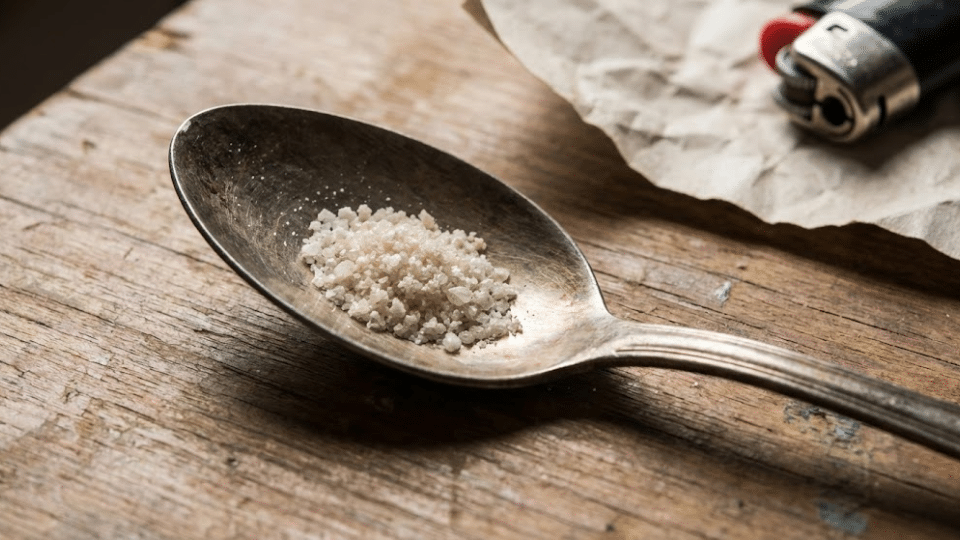
“Crank” is street slang for methamphetamine, a highly addictive stimulant affecting the brain and nervous system. The term typically refers to powdered meth, though it’s chemically similar to crystal meth or “ice.”
Crank floods the brain with dopamine, creating intense but short-lived euphoria followed by devastating crashes. This cycle drives compulsive use and rapid addiction, sometimes after just one use.
Physical effects include dangerous spikes in heart rate and body temperature, erratic behavior, and severe dental decay.
Long-term use damages the brain, heart, and liver while destroying relationships and financial stability. Whether concerned about personal use or worried about someone else, understanding what crank is helps identify warning signs and take informed action.
Why Crank Became a Crisis
Methamphetamine was first synthesized in the late 1800s from compounds like ephedrine. Initially, the drug had legitimate medical applications, doctors prescribed it for narcolepsy, fatigue, and attention disorders.
However, its powerful stimulant effects and high addiction potential eventually led to strict regulations. As legal access tightened, illegal production surged.
Clandestine labs found out methamphetamine was cheap and easy to manufacture using accessible ingredients, making it profitable for illicit distribution. Street names like “crank” emerged as the drug flooded communities.
The shift from controlled medication to widespread street drug happened rapidly, fueled by low production costs and intense demand.
Understanding this history explains why crank remains prevalent today despite known dangers—it’s economically driven, not just a medical issue.
How Crank is Used and Why Method Matters?
Methamphetamine appears in different physical forms, powder versus crystals, and the method of consumption dramatically affects how quickly addiction develops and the severity of health consequences.
Physical Forms
The physical form determines typical use methods, but how someone consumes crank matters far more than its appearance:
- Powder (often called “crank”): Off-white or yellowish, lower purity
- Crystal (often called “ice”): Clear shards, higher purity, more potent
While purity affects potency, the real danger lies in how the drug enters the body and reaches the brain.
Methods of Use & Risk Levels
Each method carries distinct dangers, but the speed of delivery to the brain determines addiction trajectory:
- Swallowing: Slowest onset (15-20 min), often pills or wrapped powder
- Snorting: Faster effects (3-5 min), severe nasal damage
- Smoking: Nearly instant high, extreme addiction risk, lung destruction
- Injecting: Immediate intense rush, highest overdose danger, infection risk (HIV, Hepatitis), collapsed veins
Critical point: Smoking and injecting create the most powerful highs, and the fastest descent into severe addiction.
Effects and Risks of Using Crank

Crank use triggers a cascade of harmful effects that worsen with continued use. Understanding these signs helps identify when casual use crosses into dangerous territory.
Immediate/Short-term Effects
Crank’s initial effects feel deceptively positive, masking the immediate physical dangers happening inside the body:
- Intense euphoria and inflated confidence
- Extreme energy bursts and decreased need for sleep
- Dangerous spikes in heart rate and blood pressure
- Severe appetite suppression
These short-term effects seem manageable at first, but continued use rapidly progresses to permanent, devastating damage.
Long-term Effects and Addiction
Chronic crank use doesn’t just intensify short-term problems, it creates irreversible physical, mental, and neurological destruction:
- Extreme weight loss and malnutrition
- “Meth mouth” (severe dental decay and tooth loss)
- Open skin sores from obsessive picking
- Memory loss and cognitive decline
- Paranoia, hallucinations, and potential psychosis
- Powerful addiction with intense cravings and brutal withdrawal
This progression from temporary highs to permanent damage often happens faster than users realize, sometimes within weeks of regular use.
Common Myths About Crank (And the Dangerous Truth)
Dangerous misconceptions about crank keep people using longer than they should and prevent families from recognizing warning signs. Here’s what is crank mythology versus medical reality:
| Myth | Reality |
|---|---|
| “Occasional use is fine, just a productivity boost” | Even first-time use rewires the brain’s reward system. Addiction can develop after a single use, and “control” disappears fast. |
| “Prescription Adderall is basically the same thing” | While chemically similar, crank has far higher potency and unknown purity. Street meth contains toxic contaminants that prescription stimulants don’t. |
| “Smoking is safer than injecting” | Smoking delivers near-instant effects to the brain, creating faster, more intense addiction than injection. Both destroy health. |
| “Street crank quality is consistent” | Purity varies wildly batch-to-batch. Toxic additives (battery acid, drain cleaner) make overdose unpredictable and more likely. |
Resources, Recovery, and Treatment of Crank
Recovery from crank addiction is possible with proper support. Understanding treatment options helps take that crucial first step toward getting clean.
What Treatment Involves
Effective crank addiction treatment combines medical intervention, therapeutic support, and long-term recovery planning:
- Medical detox: Supervised withdrawal management in clinical settings (5-10 days), monitoring dangerous symptoms like seizures and cardiac issues
- Behavioral therapy: Evidence-based approaches like Cognitive Behavioral Therapy (CBT) addressing triggers and building coping skills
- Inpatient/outpatient programs: Intensive residential care (30-90 days) or flexible outpatient treatment while maintaining daily responsibilities
- Ongoing support: Group therapy, 12-step programs, and long-term counseling
Understanding treatment options is crucial, but equally important is recognizing the obstacles that make recovery difficult.
Challenges in Making Recovery
Recovery isn’t linear, and knowing what challenges to expect helps prepare for setbacks without losing hope:
- Severe withdrawal symptoms: extreme fatigue, depression, intense cravings lasting weeks
- High relapse risk in first 90 days
- Brain chemistry takes 12-18 months to stabilize
- Repairing relationships and rebuilding life structure
These challenges are significant but not insurmountable, professional help and support systems make recovery achievable.
Get Help Now
Taking the first step means reaching out, and these resources provide immediate, confidential support:
- SAMHSA Helpline: 1-800-662-4357 (24/7, free, confidential)
- Narcotics Anonymous: na.org
- Treatment locator: findtreatment.gov
Every recovery journey begins with a single call, these resources connect people to treatment regardless of insurance or financial situation.
The Bottom Line
Understanding what crank is goes beyond definitions; it’s about recognizing the real human cost behind the street name. This drug doesn’t discriminate, and addiction isn’t a moral failing.
Grappling with personal use or watching someone spiral, knowledge becomes the foundation for action. Recovery is difficult, relapse is common, but neither means failure.
Thousands of people rebuild their lives after methamphetamine addiction every year with proper treatment and sustained support. The path forward starts with one honest conversation, one phone call, one decision to try.
For more information on addiction recovery and mental health resources, read our related articles.