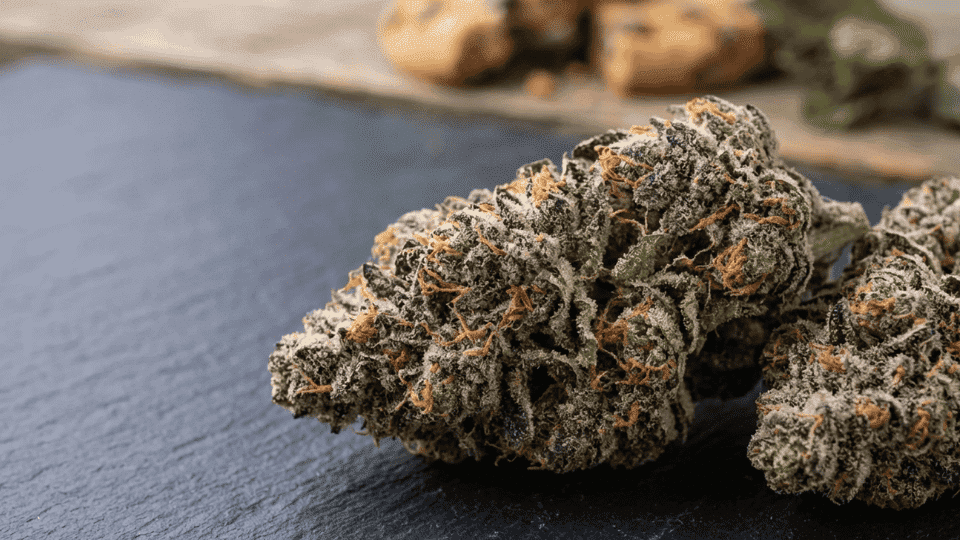
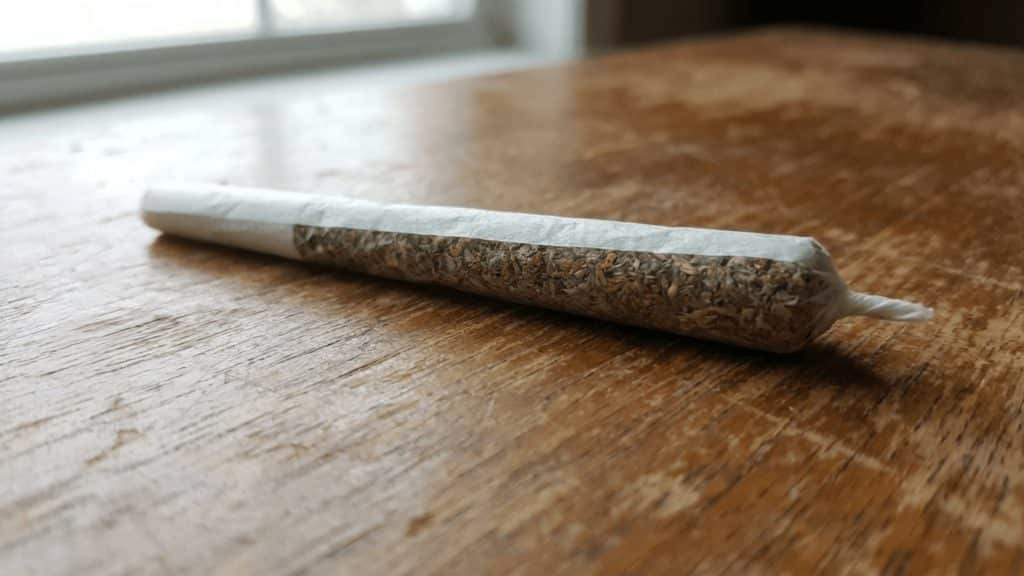
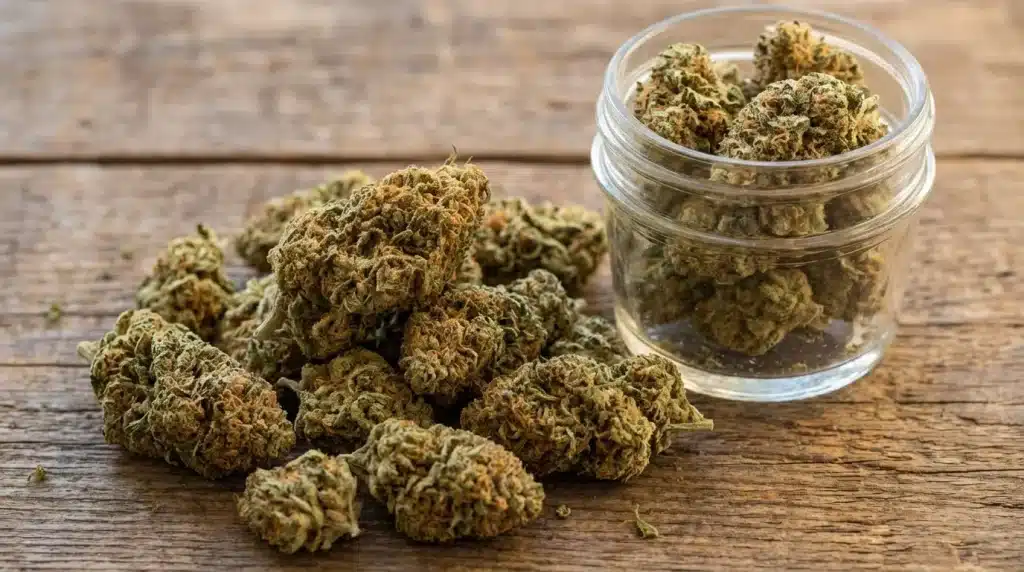
Most people use the words spliff, joint, and blunt like they mean the same thing. They don’t. And if you’ve ever been handed something at a party and had no idea what was actually in it, that gap matters more than you think.
A spliff is one of the most common smokes in the world, especially outside the US, yet it’s one of the least understood terms in cannabis.
As someone who builds beginner guides from first principles, I’ve seen this confusion come up constantly, and it usually starts with not knowing where the tobacco fits in.
This article covers what a spliff is, how it differs from a joint and a blunt, what it feels like, why people choose it, how to roll one, and the risks associated with the tobacco mix.
This article is for informational purposes only. Cannabis laws vary by state and country. Check the laws in your area before purchasing or consuming cannabis products.
What is a Spliff?
A spliff is a hand-rolled smoke made with a mix of cannabis and tobacco, wrapped in thin rolling paper.
It looks almost identical to a joint from the outside, same paper, same shape, often the same size.
The difference is what’s inside. Where a joint holds only ground cannabis, a spliff combines both cannabis and tobacco in the filling. That mix changes everything: the taste, the burn, the effect, and the risk profile.
Most spliffs also include a crutch, a small rolled paper filter at the mouth end that improves airflow and keeps the tip from collapsing. The cannabis-to-tobacco ratio varies by preference, but the tobacco presence is always what defines it.
The term itself has West Indian origins, believed to have started in Jamaica and spread to Europe through the 1960s, where it became the standard word for a cannabis-tobacco roll.
In the US and UK, a spliff always means cannabis mixed with tobacco. In Jamaica, where the term originated, it refers to a cannabis-only roll, no tobacco involved. Same word, different contents depending on where you are.
|
Feature |
Detail |
|
Filling |
Cannabis + tobacco |
|
Wrapper |
Thin rolling paper |
|
Nicotine |
Yes |
|
Typical ratio |
50/50 to 80/20 (cannabis-heavy) |
|
Crutch/filter |
Usually included |
|
Also called |
Spliff weed, weed spliff; “roach” in some UK usage refers to the filter tip |
|
Typical cannabis content |
0.2–0.5g cannabis plus tobacco to fill |
What Sets a Spliff Apart From a Joint and Blunt?
All three are rolled cannabis products. The filling and the wrapper are what set them apart.
What is a Joint?
A joint is the most common cannabis format in the US. It’s rolled in thin rolling paper with ground cannabis only, no tobacco, no additives. Most joints include a crutch at the mouth end, which improves airflow, adds stability, and keeps plant material out of your mouth.
The paper is usually white and lightweight. The experience is pure cannabis: clean flavor, no nicotine, and a straightforward high determined entirely by the strain you’re smoking.
What is a Blunt?
A blunt uses a tobacco-based cigar wrap instead of rolling paper. The filling is cannabis only, but the wrap itself contains tobacco, which adds nicotine and a slower, richer burn.
Blunts are larger than joints and spliffs, making them a common choice for group sessions. The tobacco wrap adds a distinct flavor that pairs differently with each cannabis strain.
The term “blunt” comes from the Phillies Blunt cigar brand and became widely adopted in US hip-hop culture during the mid-1990s.
Side-by-Side Breakdown
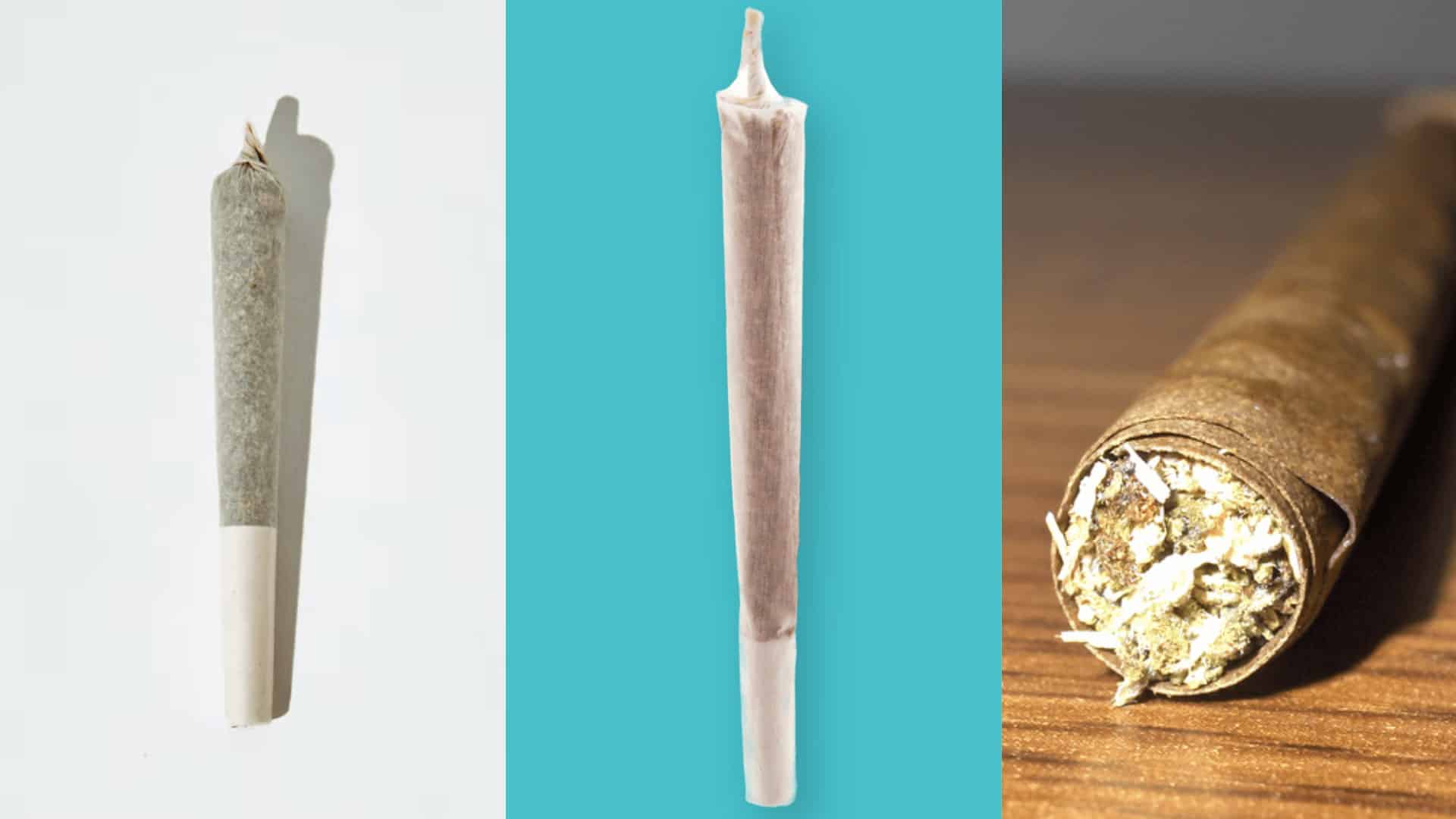
All three are rolled cannabis products, but what goes inside and what wraps it changes the entire experience.
|
Joint |
Spliff |
Blunt |
|
|
Filling |
Cannabis only |
Cannabis + tobacco |
Cannabis only |
|
Wrapper |
Rolling paper |
Rolling paper |
Cigar/tobacco wrap |
|
Nicotine |
No |
Yes (filling) |
Some (wrap) |
|
Typical size |
Small–medium |
Small–medium |
Large |
|
Burn speed |
Fast |
Moderate |
Slow |
|
Tobacco present |
No |
Yes |
Yes (wrap only) |
|
Most popular in |
US |
Europe / UK |
US |
|
Typical cannabis amount |
0.5–1g |
0.2–0.5g cannabis + tobacco |
1–3g+ |
Once you know where the tobacco sits, in the filling, in the wrap, or nowhere, the three terms stop being confusing.
What Does a Spliff Feel Like?
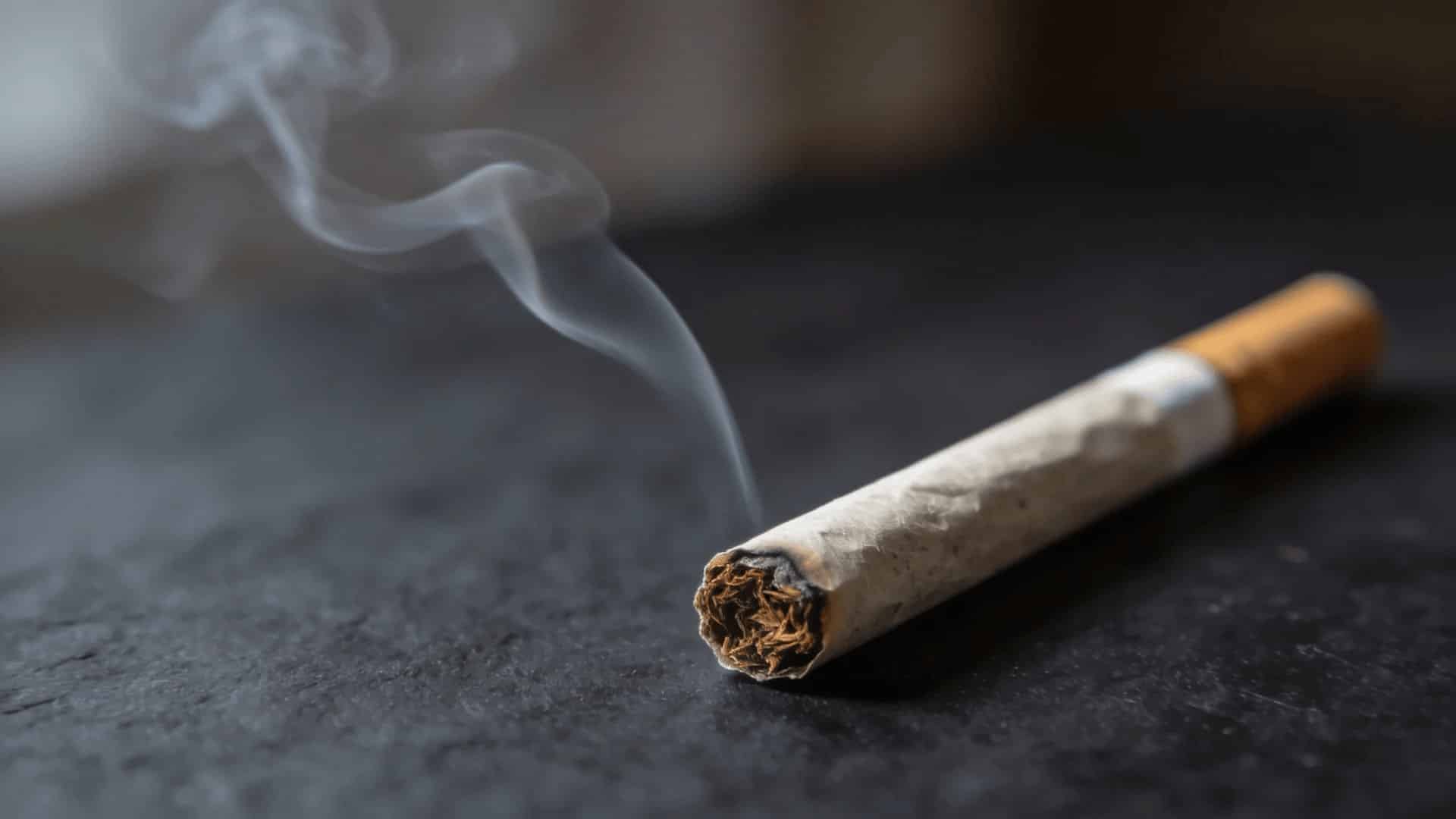
A spliff doesn’t hit like a joint. The tobacco changes the experience in ways that go beyond just adding nicotine. Here’s what to expect.
The Combined Effect of Cannabis and Tobacco
A spliff doesn’t feel like a joint with an extra kick. It feels different in a specific way. Cannabis is a depressant; it slows down and relaxes. Nicotine is both a stimulant and a depressant, depending on the dose.
Together, they create a head rush that feels more alert and energetic than a pure cannabis smoke. Some find it sharper. Others find it more manageable than a straight joint.
The nicotine buzz typically peaks and fades within about five minutes, after which the cannabis effect becomes the dominant experience.
This is worth knowing if you’re new to spliffs: the opening rush is primarily nicotine, not an indication that the cannabis is particularly strong.
Is a Spliff Stronger Than a Joint?
Stronger isn’t the right word. A spliff typically contains less cannabis than a joint, so the THC dose is often lower. What changes is how the experience feels; the nicotine adds stimulation that can make the effect seem more intense, especially for people not used to tobacco.
Think of it as a different kind of high rather than a bigger one. Less THC, more buzz.
How the Tobacco Ratio Shapes the Experience
The cannabis-to-tobacco ratio directly controls what you feel. A 50/50 mix delivers a strong nicotine presence with a milder cannabis effect. An 80/20 cannabis-heavy ratio sits much closer to a joint, with just a subtle tobacco edge.
Most beginners are better off starting cannabis-heavy and adjusting from there. More tobacco doesn’t mean a better experience; it means a stronger nicotine effect and a weaker high.
Tobacco also affects the flavor of the cannabis. The terpene profile of the strain you’re using gets partially masked by the tobacco’s own flavor, which is why cannabis connoisseurs who want to taste their flower tend to stick with pure joints. If the strain’s flavor matters to you, a lower tobacco ratio preserves more of it.
How Much Tobacco Goes in a Spliff?
There’s no fixed rule; the ratio is entirely personal. Here’s how the most common splits break down:
- 70–80% cannabis, 20–30% tobacco: the most common starting point; keeps the high intact with a mild nicotine edge
- 50/50 mix: equal parts cannabis and tobacco; stronger nicotine presence, noticeably milder high
- More tobacco: stronger nicotine effect, less THC per smoke, harsher on the throat
- More cannabis: closer to a joint in effect, subtler tobacco influence, easier for beginners
- No fixed standard: experienced spliff smokers adjust the ratio based on tolerance, preference, and how much cannabis they have on hand
Start cannabis-heavy, see how it feels, and adjust from there. The ratio is yours to control.
Why Do People Smoke Spliffs?
The reasons vary, but they usually come down to effect, habit, or practicality. Tobacco makes rolling easier; it adds texture and consistency to the mix, which helps the spliff hold its shape and burn evenly.
Many smokers also use tobacco to stretch their cannabis supply, since a smaller amount of weed goes further when mixed.
The combined nicotine and cannabis effect appeals to people who find a pure joint too sedating; the nicotine adds alertness that balances the cannabis high.
In Europe and the UK, spliffs are the default, making them a cultural habit as much as a personal choice. Cost, burn quality, and effect customization all play a role, depending on the smoker.
|
One practical benefit that doesn’t get mentioned often: the tobacco scent partially masks the cannabis smell. This makes spliffs slightly more discreet in terms of aroma than a pure cannabis joint. That said, the trade-off is that the tobacco smell announces itself, so discretion is relative to the setting. |
Are Spliffs More Harmful Than Joints?
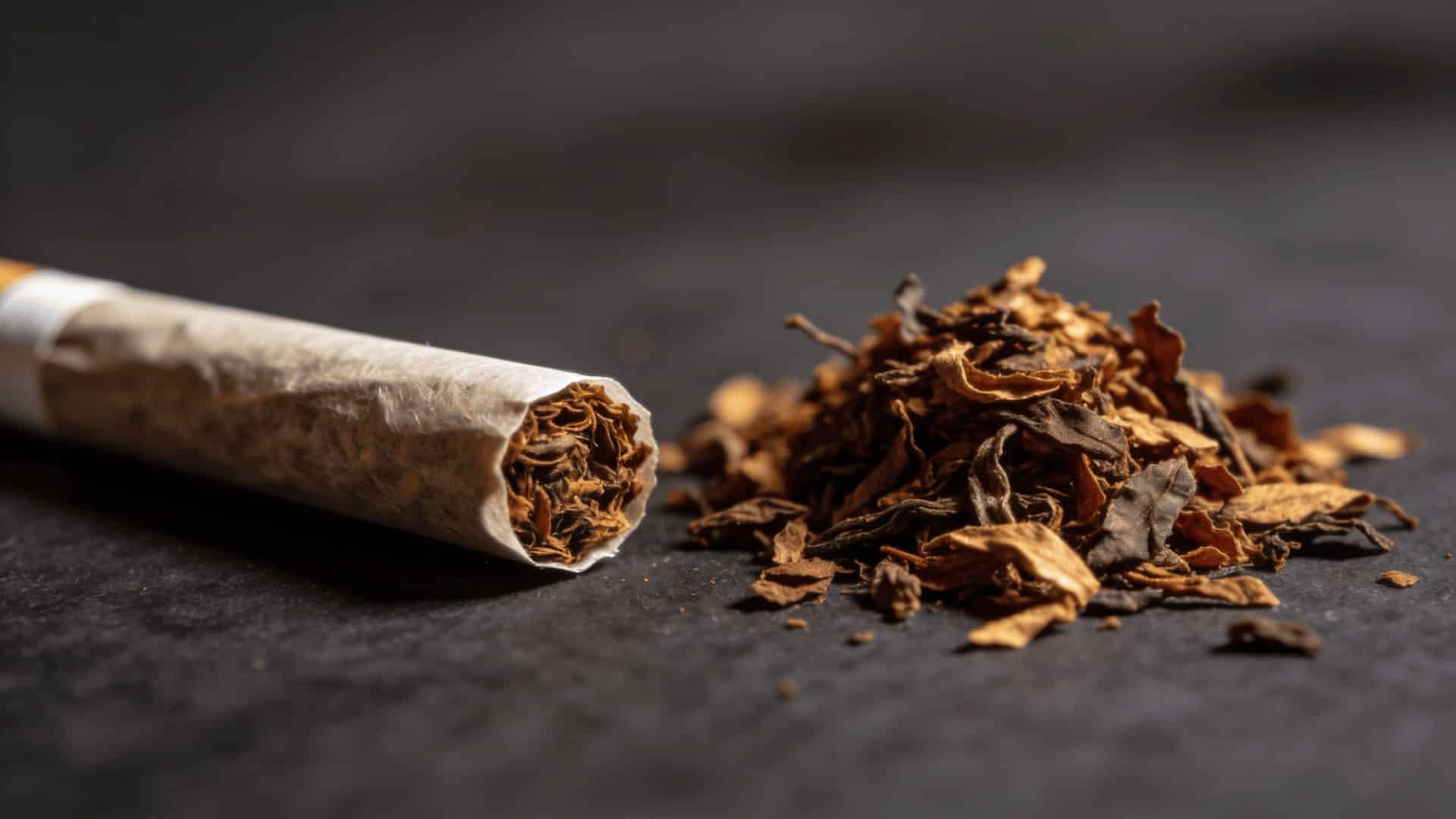
Tobacco changes the risk profile of a spliff significantly. Here’s what the addition of tobacco actually does to your health exposure.
The Nicotine Dependency Risk
Nicotine is habit-forming regardless of how it’s delivered. Regular spliff smokers can develop tobacco dependency without realizing it, particularly people who don’t otherwise smoke cigarettes.
Cannabis doesn’t reduce nicotine’s addictive potential. Over time, the body starts associating the smoking ritual with nicotine, which makes it harder to cut tobacco out even when the intention was never to become a regular tobacco smoker.
|
One specific social risk worth noting: sharing a spliff with someone who has recently quit smoking cigarettes can trigger a relapse. If you’re rolling a spliff to share, it’s good practice to tell people what’s in it before passing it. Many people would prefer not to smoke tobacco and have every right to make that call for themselves. |
What Tobacco Does to the Smoke
Tobacco combustion produces additional carcinogens and lung irritants beyond what cannabis smoke alone generates. Mixing the two doesn’t cancel out those risks; it adds them together.
The throat irritation is also noticeably higher, especially for people unaccustomed to tobacco. A crutch helps filter some harshness, and going cannabis-heavy in the ratio reduces it further, but the tobacco risk doesn’t disappear regardless of how small the amount is.
|
For comparison across formats: a pure cannabis joint carries no nicotine risk but still involves smoking, which carries its own respiratory risks. A blunt has tobacco in the wrap; the cigar leaf wraps also contain higher concentrations of cancer-causing nitrosamines compared to standard rolling papers. Neither a spliff nor a blunt is a “cleaner” smoke than a pure joint, and no form of smoking is risk-free. |
Common Myths About Spliffs
Not everything you’ve heard about spliffs is accurate. These are the most common misconceptions:
-
“A spliff is just another word for a joint .”
A joint contains no tobacco. A spliff always does, outside of Jamaica, where the term means something different. -
“Spliffs get you higher than joints.”
A spliff typically contains less cannabis than a joint, so the THC dose is often lower. The nicotine buzz can feel intense, but that’s not the same as a stronger high. -
“A blunt and a spliff are the same thing.”
A blunt uses a tobacco-based wrap with cannabis inside. A spliff uses rolling paper with tobacco mixed into the filling. The tobacco sits in completely different places. -
“If it’s rolled in white paper, it’s a joint.”
Spliffs use the same rolling paper as joints. Appearance alone won’t tell you what’s inside; the smell when lit is a more reliable indicator. - “Spliffs are a European thing and not common elsewhere.”
Spliffs are the dominant format in Europe and the UK, but they’re smoked globally. The mixed roll has roots in the Caribbean, and the practice is common in many parts of Asia, South America, and beyond. In the US, pure joints are more common, but spliffs are not rare.
Clearing up these myths makes the rest of the spliff conversation a lot simpler and helps you make more informed choices.
FAQ
Is a Spliff the Same as a Joint?
No. A joint contains only cannabis. A spliff mixes cannabis and tobacco in the same rolling paper. They look nearly identical from the outside, but the tobacco content makes them different in effect, risk, and experience.
What Do Americans Call Spliffs?
Americans use the same term: “spliff.” However, pure joints are far more common in the US. Most American smokers are less familiar with the tobacco-cannabis mix compared to smokers in the UK and Europe, where spliffs are the default format.
What’s the Point of Smoking a Spliff?
People choose spliffs to stretch their cannabis supply, get a combined nicotine and cannabis effect, or follow a cultural habit. The tobacco also makes rolling easier and produces a slower, more even burn than a pure joint.
Do Spliffs Have Nicotine?
Yes. The tobacco in a spliff contains nicotine. Regular spliff smoking can lead to nicotine dependency, even for people who don’t otherwise smoke cigarettes. The risk increases with frequency and the amount of tobacco in the mix.
Can You Roll a Spliff Without Tobacco?
Some people substitute dried herbs like lavender or mint, but by definition, a spliff contains tobacco. A cannabis-only roll in rolling paper is a joint, regardless of what else is mixed in or how it’s rolled.
Is A Spliff Harsher Than a Joint?
It can be, particularly for people unaccustomed to tobacco smoke. Tobacco adds throat irritation that cannabis alone doesn’t produce. A crutch helps reduce harshness, and keeping the mix cannabis-heavy brings the experience closer to a standard joint.
Is a Spliff More Harmful Than a Blunt?
Both carry tobacco-related risks. A spliff has tobacco in the filling; a blunt has it in the wrap. The health concerns are similar: nicotine exposure, added carcinogens, and lung irritation. Neither is as clean a smoke as a pure cannabis joint.
The Final Word
Spliffs are among the most widely smoked formats in the world, yet they remain misunderstood longer than they should. Knowing what’s in what you’re smoking matters, both for the experience you’re after and the risks you’re taking on.
If you’re new to spliffs and want to try one, start with a high cannabis ratio and fresh rolling tobacco. Roll without the twisted tip so it lights cleanly, take one or two slow draws to start, and wait a few minutes before deciding whether to continue.
The nicotine effect peaks quickly; the cannabis effect builds more gradually. Separating those two timelines in your mind helps you read the experience accurately.
Start with the strain reviews here; they follow the same first-principles approach.