Some smells are hard to forget. For me, the scent of burnt rubber hit different, especially when I caught it in a place it didn’t belong. It made me stop and ask myself, “What drug smells like burnt rubber?”
That question stuck with me. I wanted to know what could cause that smell, what it meant, and if it was something dangerous. So I looked deeper.
If you’re asking the same thing, you’re not alone. You might’ve noticed that smell and felt uneasy.
This blog will walk you through what drugs can give off that scent, why it happens, and what signs to watch for. It’s simple, clear, and made to help you figure things out fast. Let’s get into it.
Why Drugs Have a Smell
Drugs have a smell because of what they’re made of. Each drug has its own chemical makeup. These chemicals can create strong smells on their own. But that’s not all.
When drugs are made, they often aren’t clean. Leftover chemicals from making them, or cheap ingredients added later (called cutting agents), also have smells. These extras can change or even make the smell worse.
Heat and how the drug is stored also matter. A hot or damp place can change the smell. If the drug is burned (like in smoking), the smell is different than when it’s in powder form. Smoke spreads the smell more and can make it stronger.
Your nose works by picking up tiny pieces of stuff in the air. These tiny bits stick to smell sensors in your nose. Your brain reads the signals and says, “This smells like ___.” That’s how we can notice and tell apart different drug smells.
What Drug Smells Like Burnt Rubber?
Some drugs can smell like burnt rubber, and one of the most common is methamphetamine (meth). When meth is made in illegal labs, it often uses toxic chemicals.
These chemicals leave behind strong, strange smells. One of those smells is like burning rubber or plastic. This happens because of leftover substances like solvents or cleaning products that are used to make the drug.
When meth is smoked, the heat changes the chemical makeup, creating harsh, rubbery, or chemical-like odors. Some people also describe it as smelling like burnt wires or engine oil. The bad smell is a warning sign.
It tells you that dangerous chemicals are present, and breathing in the smoke can seriously harm your lungs, brain, and body.
What Different Drugs Smell Like
Each drug has its own scent, shaped by its ingredients, how it’s made, and how it’s used. Some have strong smells, while others are nearly odorless, making them even more risky. Here’s what different drugs often smell like:
1. Marijuana (Weed or Cannabis)

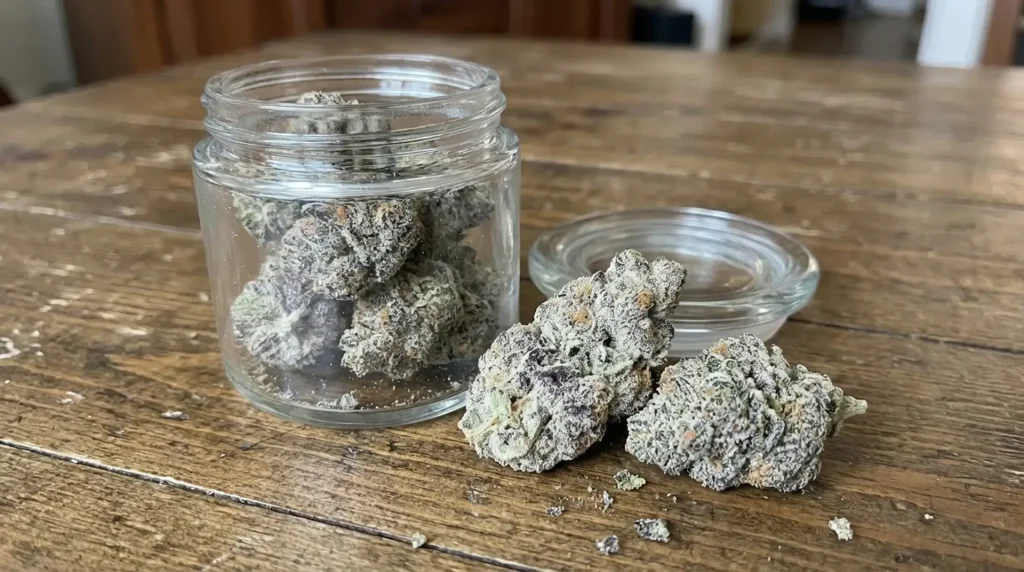
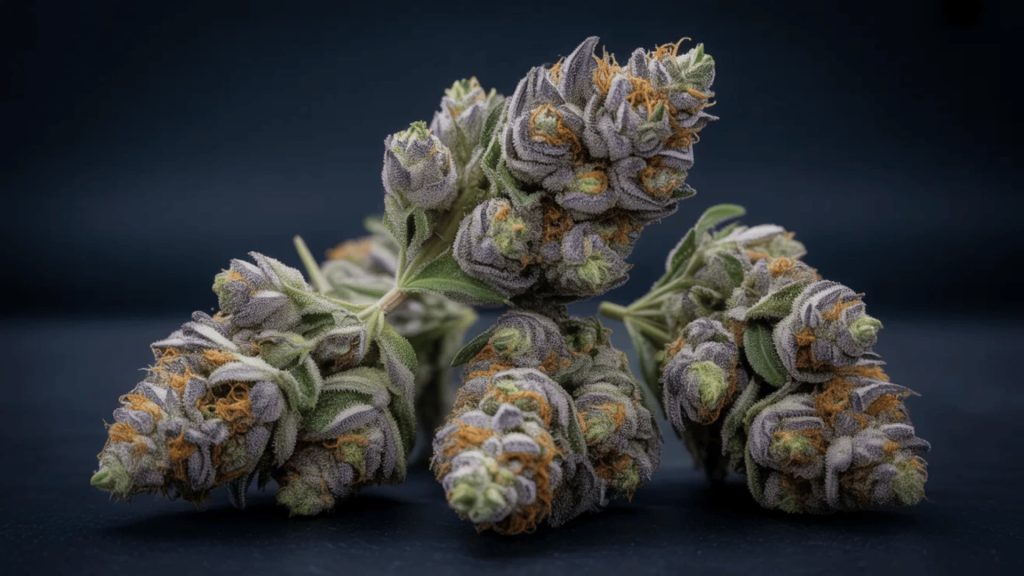
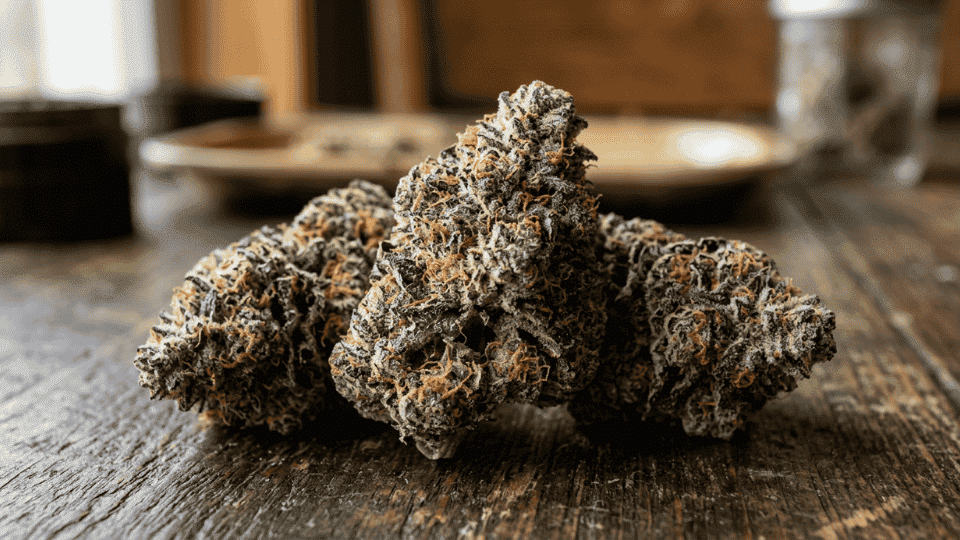
Weed often smells skunky, earthy, piney, or sweet, depending on the strain. Burned weed has a smoky, strong scent, while unburned buds are milder. Vape pens and edibles may have little to no smell.
Synthetic versions can change the scent completely, sometimes making it smell more chemical or fruity.
2. Cocaine
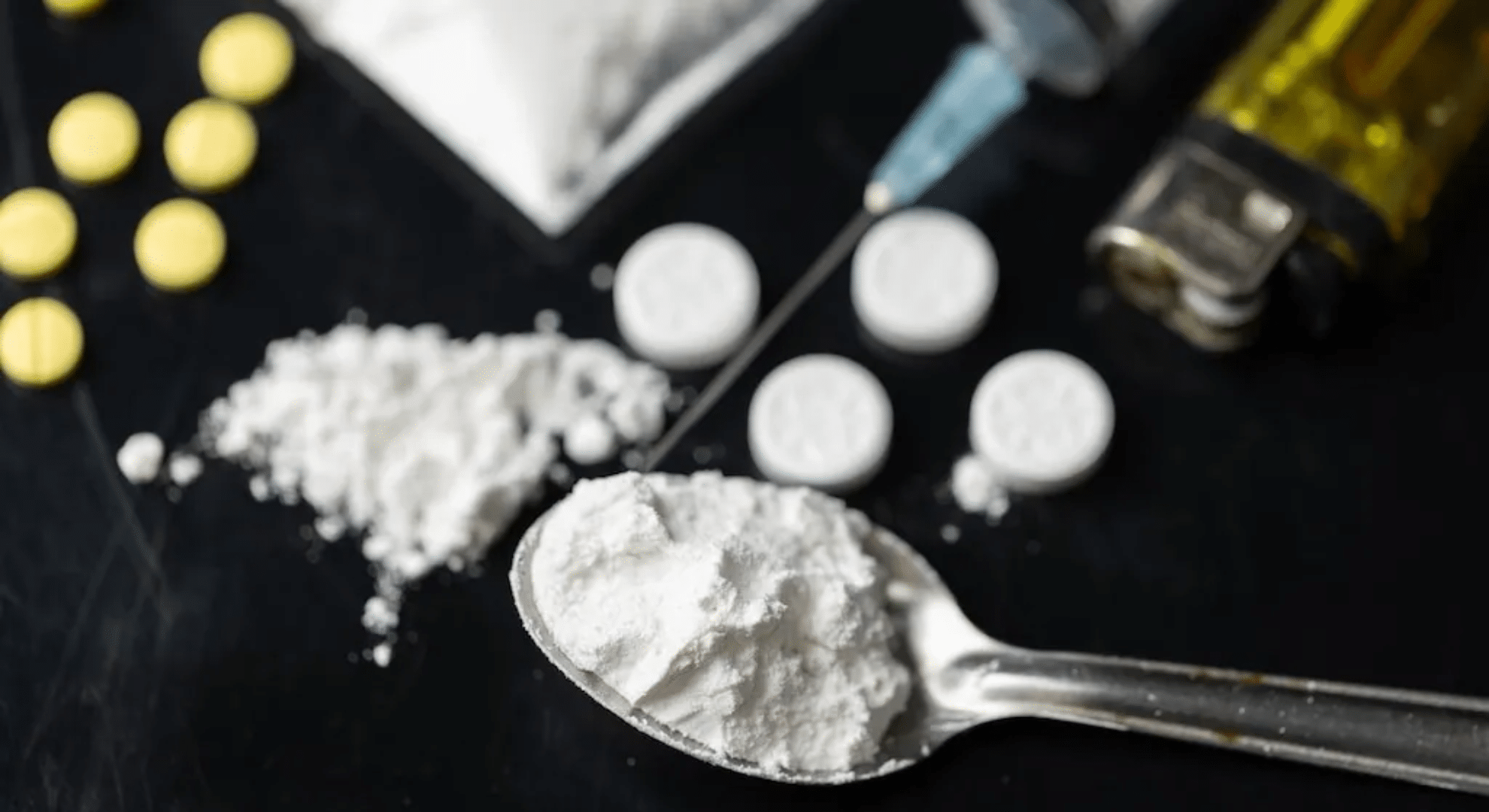
Pure cocaine has a faint sweet smell. But street cocaine often carries strong chemical odors due to solvents like ether, acetone, or gasoline.
Some batches may even smell like plastic. The smell changes depending on how it was made and what it’s been mixed with.
3. Methamphetamine
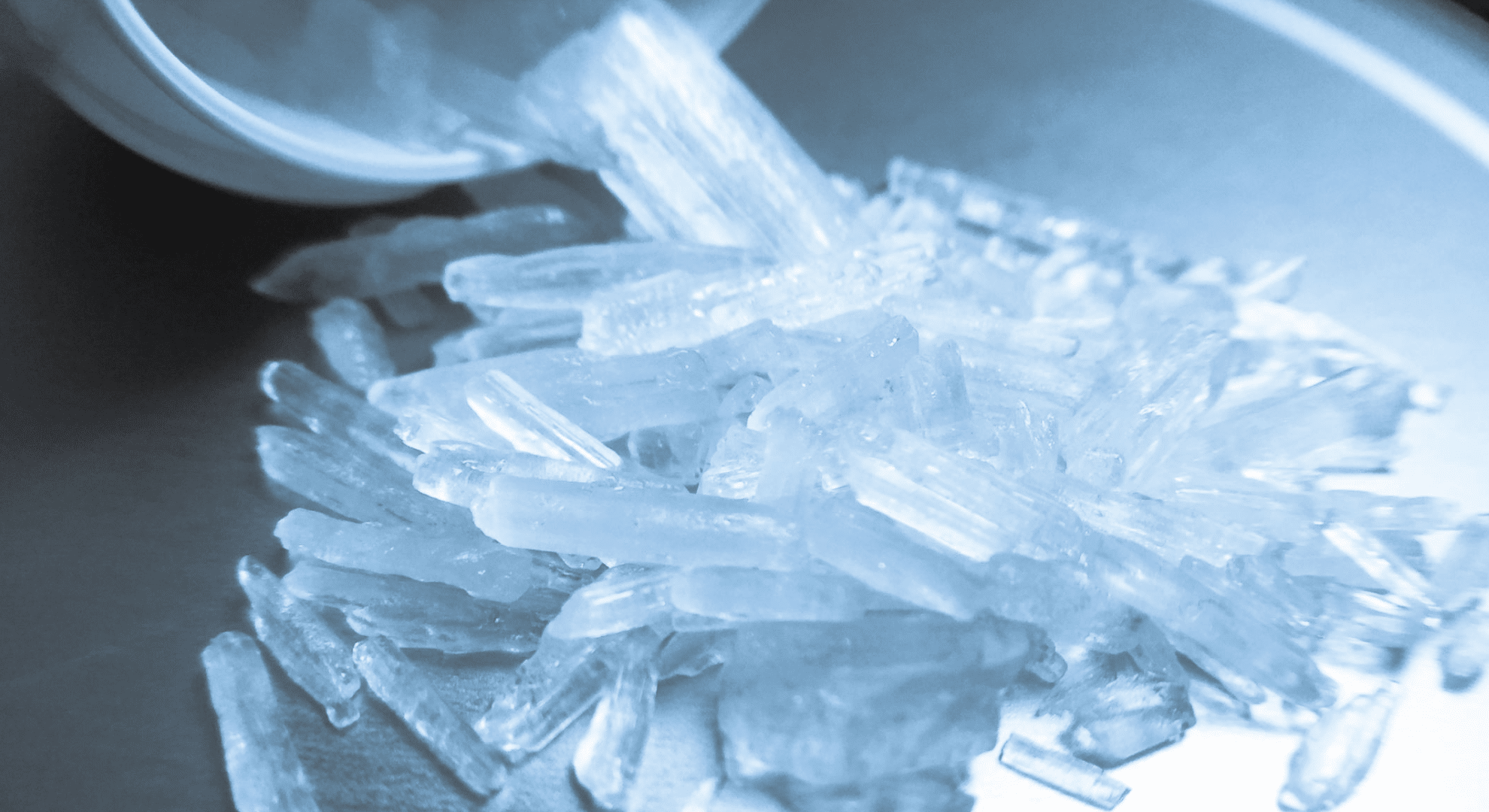
Meth has a sharp smell, often like ammonia or “cat urine.” When cooked in home labs, it gives off strong chemical fumes.
These smells can include burning plastic, solvents, or cleaning products, which stick to clothes and walls for a long time.
4. Heroin
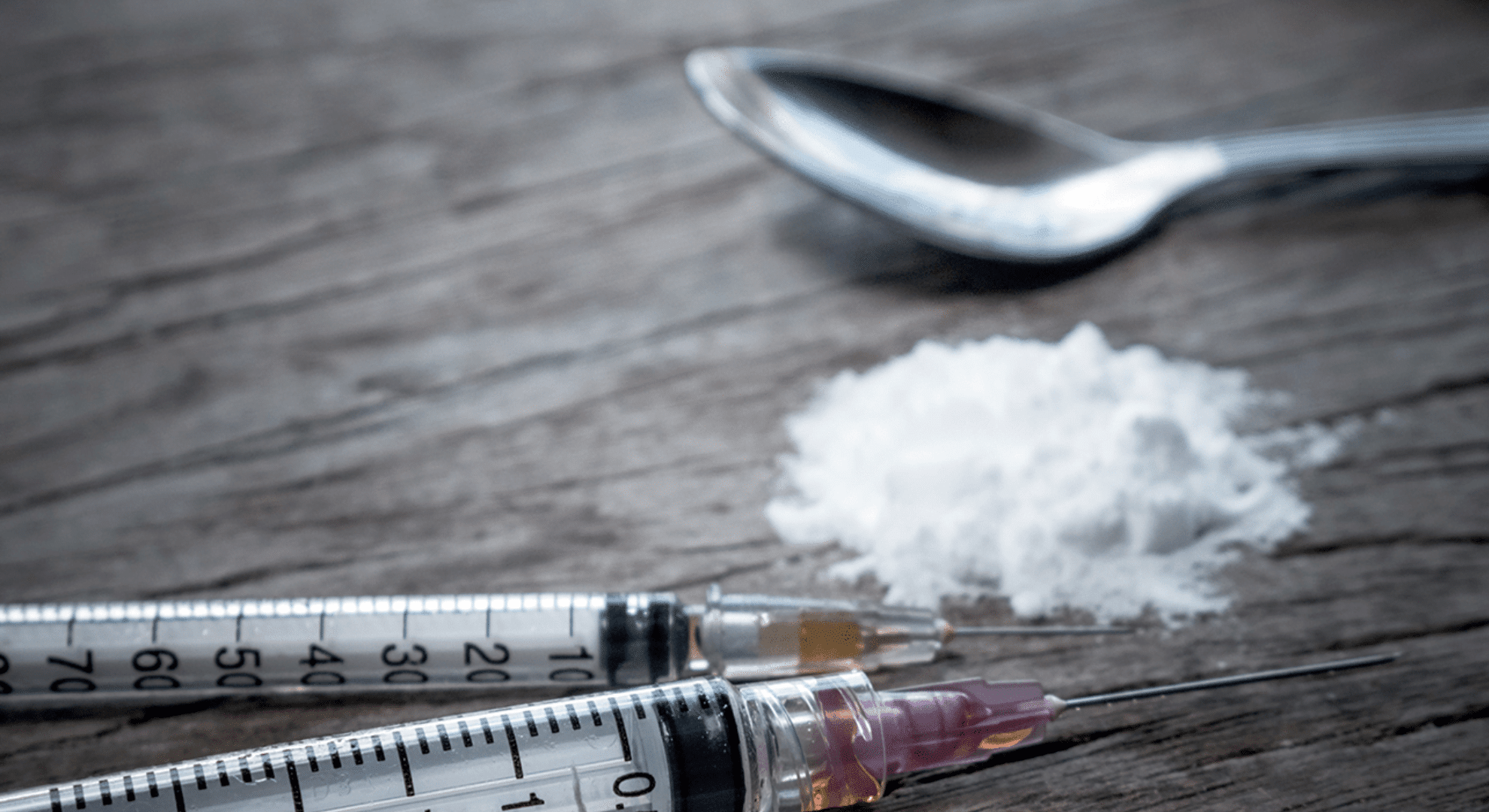
Black tar heroin smells like vinegar because of how it’s made. White powder heroin may be odorless or have a light chemical scent.
The smell changes based on the cutting agents or how pure the drug is. Some mixes may have sour or bitter chemical smells.
5. Fentanyl and Synthetic Opioids
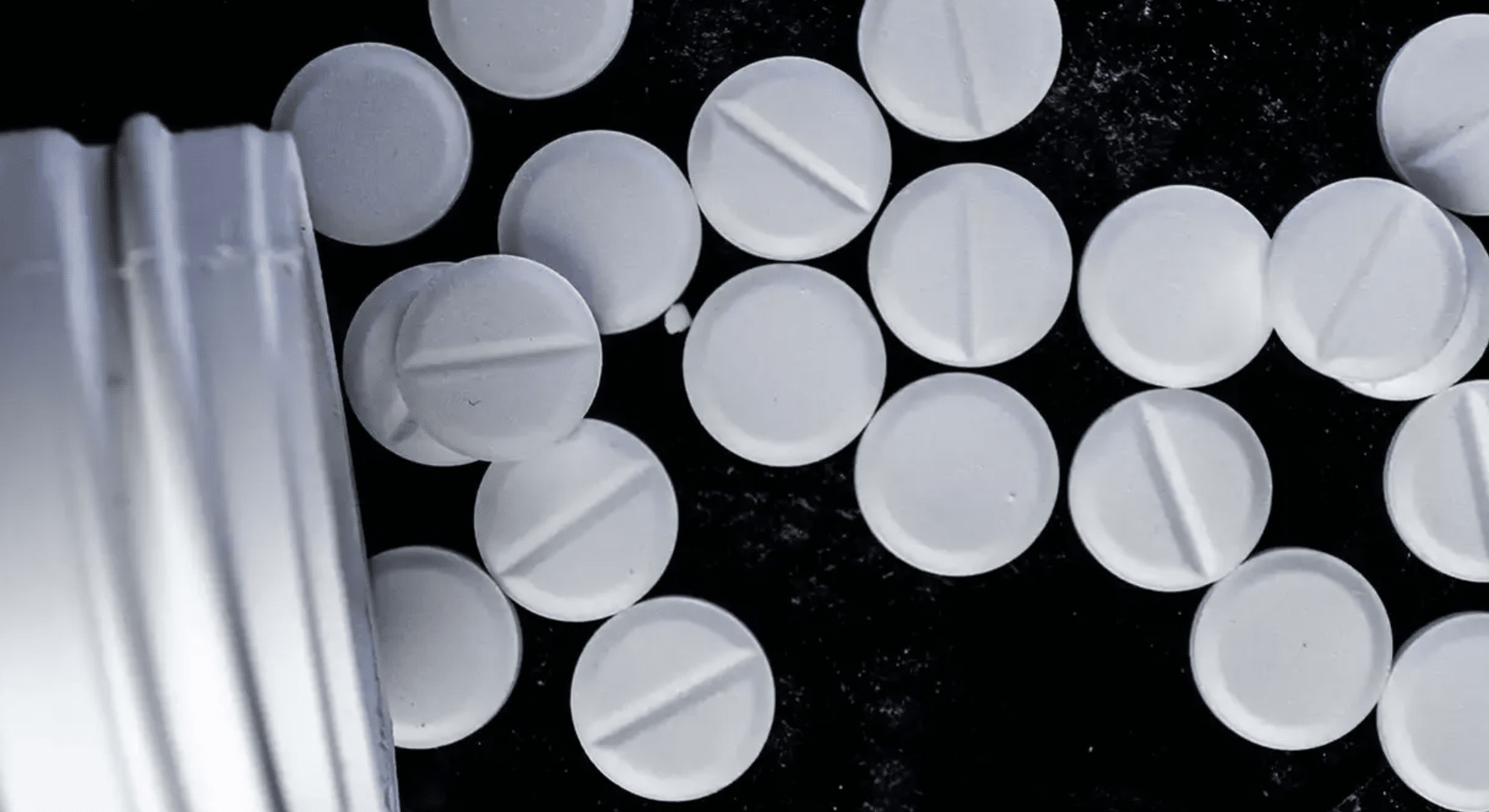
Most forms of fentanyl are completely odorless. This makes them extra dangerous because you can’t smell them, even if they’re deadly.
Fake pills with fentanyl might smell like chalk or nothing at all. This makes it hard to know they’re laced until it’s too late.
6. MDMA (Ecstasy or Molly)
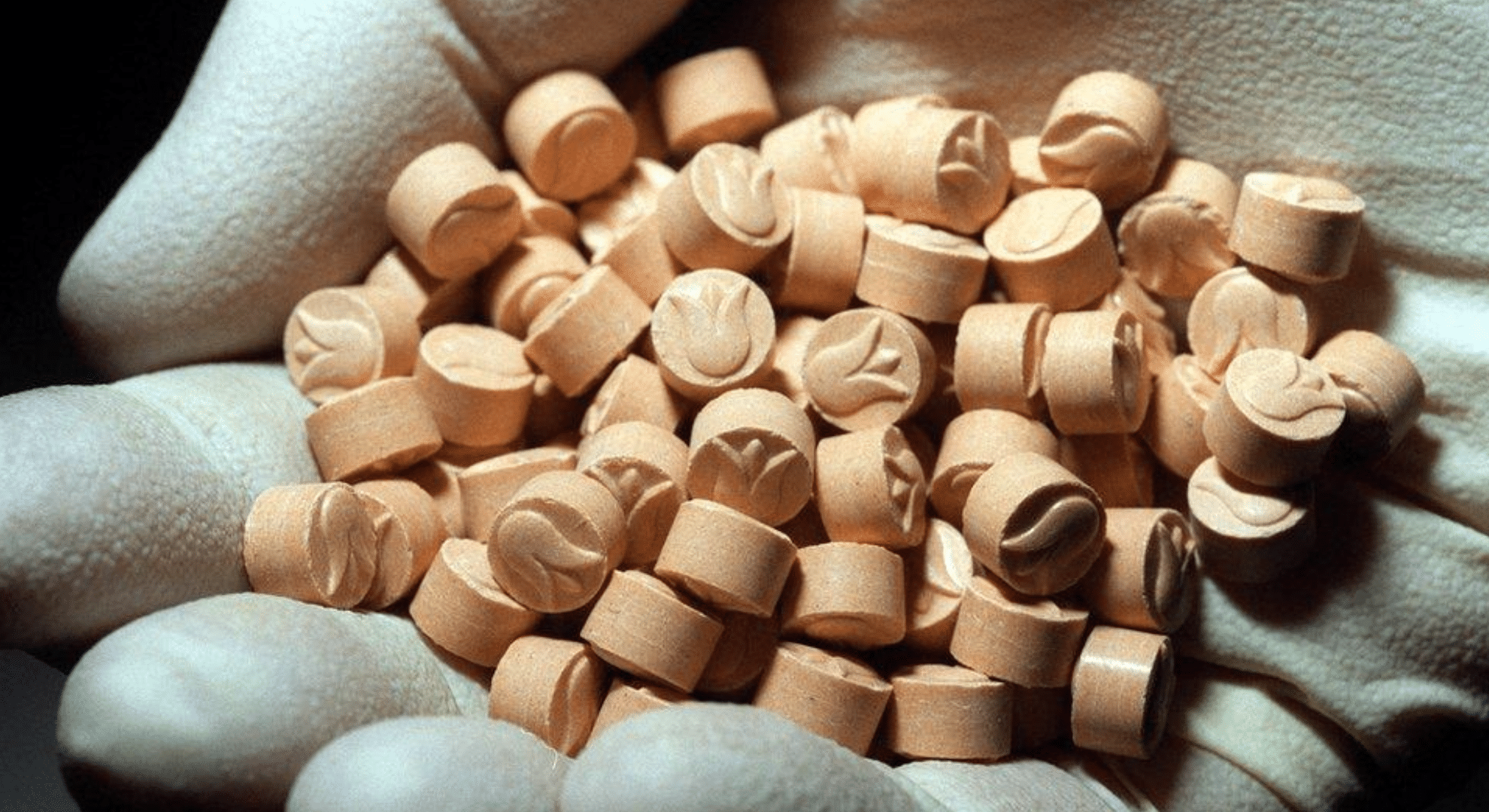
MDMA can smell like chemicals, burnt plastic, or even black licorice. The scent changes depending on the pill’s coating or added fillers.
Some batches smell sweet, while others have a bitter or sour chemical smell, especially in powdered or crystal form.
7. Crack Cocaine
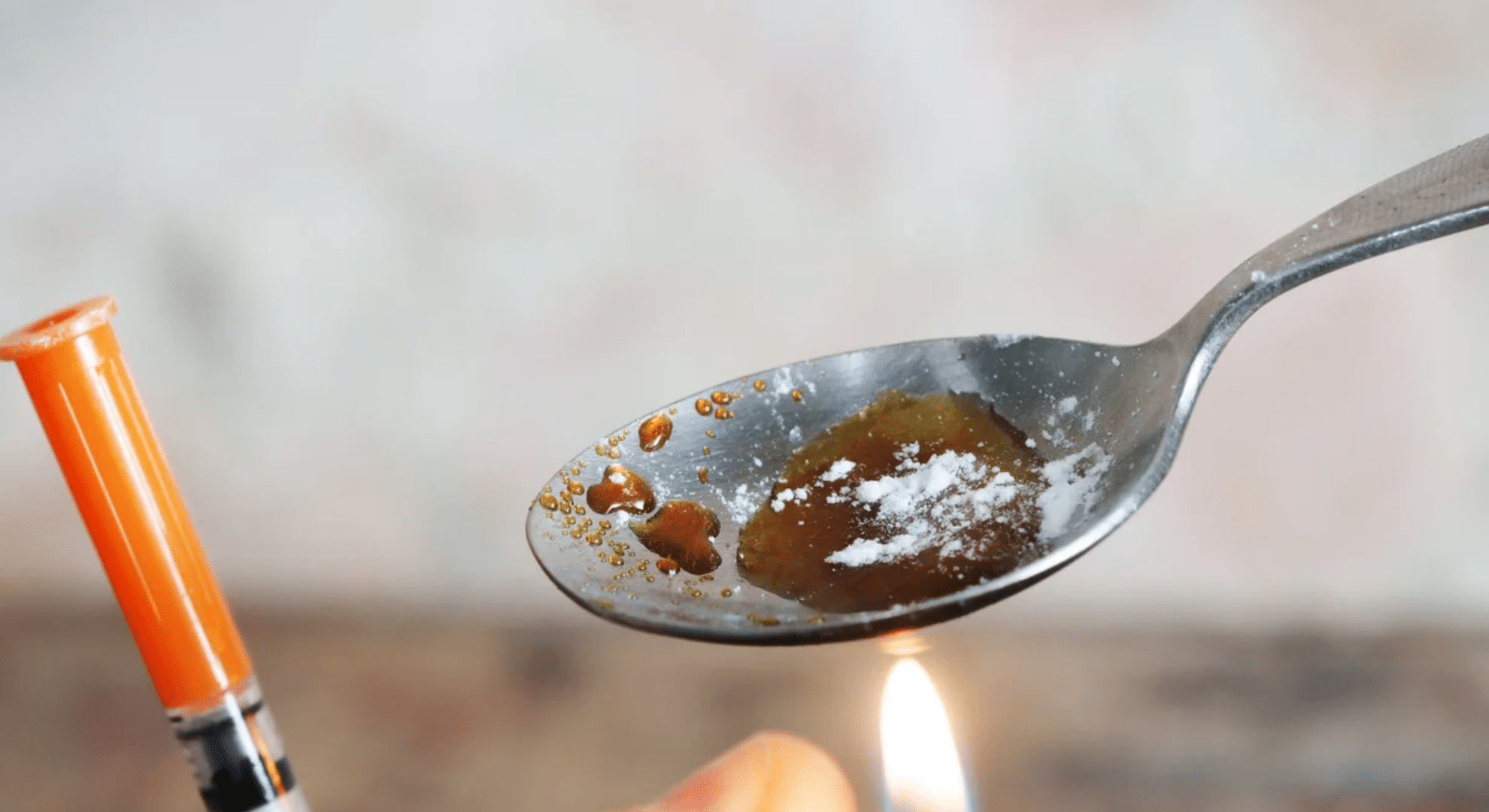
When smoked, crack gives off a strong burnt plastic or chemical smell. The odor is sharp and lingers in the air.
It’s different from powdered cocaine, especially when heated. Crack’s smell is often more intense and hard to ignore.
8. LSD
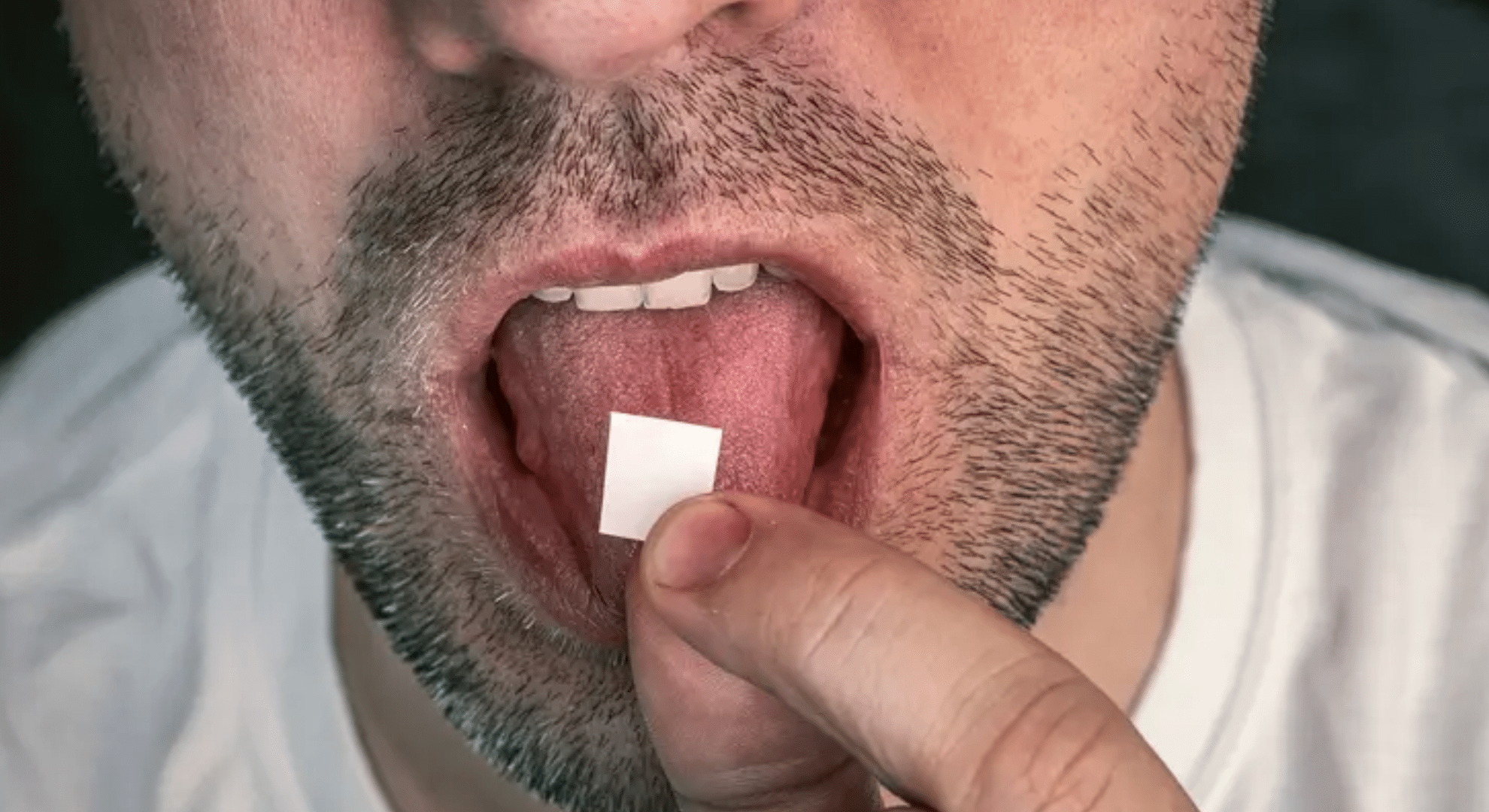
Pure LSD has no smell. But paper tabs might smell like ink, metal, or the liquid used to soak them.
Some blotter papers give off a faint chemical scent. If LSD is in liquid form, it might carry a strong alcohol or solvent smell.
9. Prescription Pills
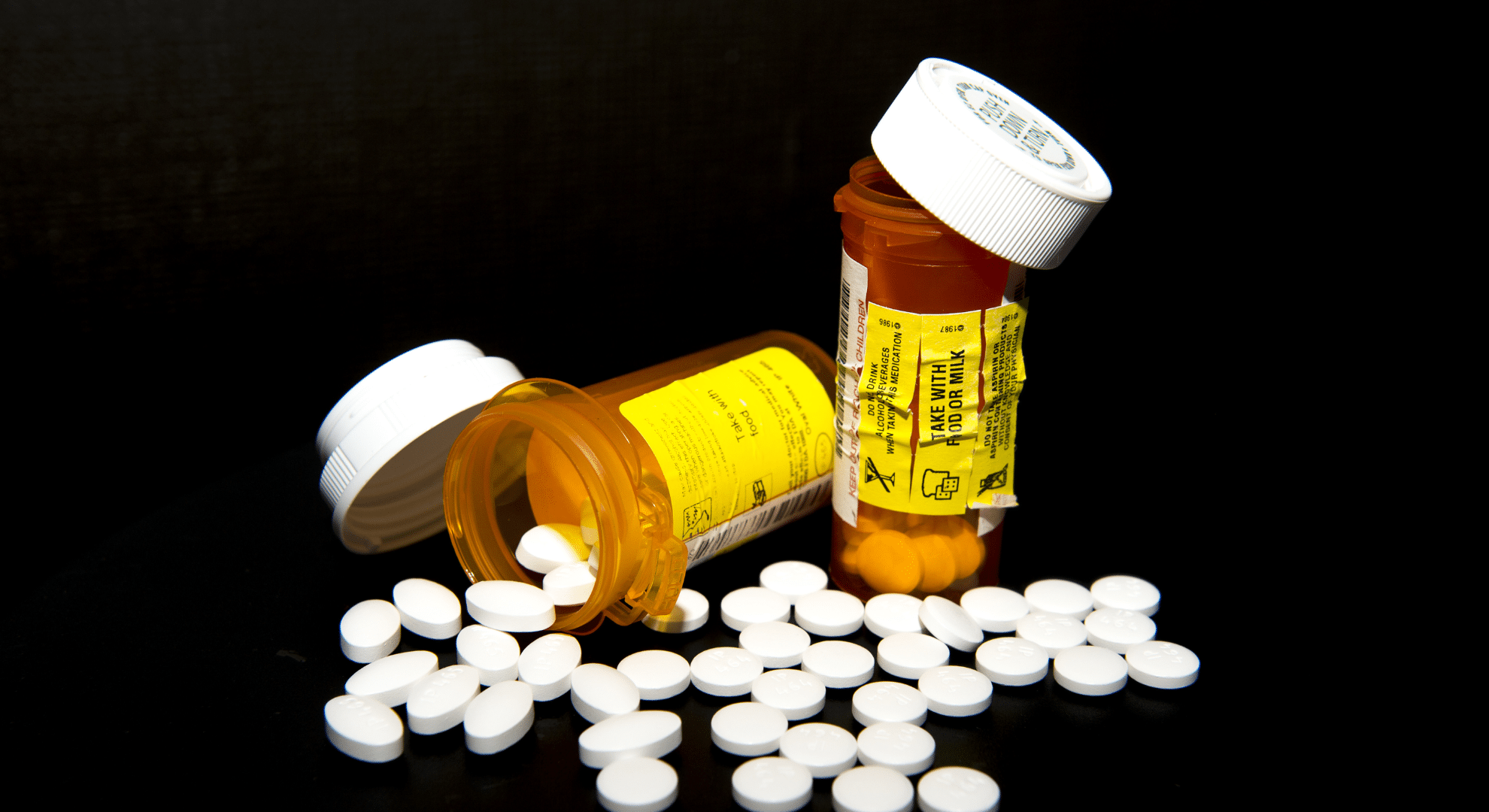
Prescription pills often smell chalky, like a school eraser. Some are sweet due to added coatings, especially opioids or anti-anxiety pills like benzos.
Others may have a bitter or sour medicine scent. The smell usually comes from fillers, not the main drug.
10. Inhalants

Inhalants smell sharp and chemical-like. Gasoline, glue, aerosol sprays, and paint thinners all give off strong fumes that hit your nose quickly.
The scent is harsh and can cause headaches or dizziness. These smells are a sign that you’re breathing in toxic stuff.
Factors That Affect a Drug’s Smell
A drug’s smell doesn’t always stay the same. Many things can change how strong or weak it smells. The way a drug is made, stored, or used can shift the scent a lot.
Even small changes in ingredients or temperature can make the smell sharper, sweeter, or more chemical-like. This can sometimes help you spot fake or unsafe drugs.
Some key factors include:
- Cutting agents: Extra stuff added to the drug can change the smell.
- Purity level: Cleaner drugs smell less harsh. Impure ones often stink more.
- Storage conditions: Heat, light, or air can break down chemicals, changing the scent.
- Form of the drug: Smoked drugs smell different than powders or pills.
In short, the smell of a drug is not just about the drug itself. It’s also about how it was handled before it reached you.
Can You Identify Drugs by Smell Alone?
Smell can give clues about certain drugs, but it’s not always reliable. Some drugs have strong, clear odors like marijuana’s skunky scent or meth’s sharp chemical smell. Others, like fentanyl or LSD, may have no smell at all.
Plus, cutting agents, storage, or how the drug is used can change the scent. This makes it hard to know exactly what a drug is just by how it smells.
Even trained professionals can’t always tell drugs apart by scent alone. Some smells overlap, and many drugs are mixed with other things that mask or change their natural odor.
Also, relying on smell can be risky. Odorless drugs might still be deadly. Smelling or handling unknown substances can expose you to toxic chemicals or dangerous fumes.
So while scent can be a hint, it should never be the only way to figure out what a drug is.
Signs Beyond Smell: Other Clues of Drug Presence
Smell isn’t the only way to tell if drugs are around. There are other signs that can give you clues. These signs can show up in the environment, on objects, or in a person’s behavior.
Paying attention to more than just scent can help you spot drug use or its presence more safely and clearly.
Look out for:
- Unusual items like small plastic bags, burnt spoons, foil, or straws.
- Powder, crystals, or residue on surfaces or clothes.
- Smoke or burn marks on walls, furniture, or clothing.
- Changes in behavior, such as sudden mood swings, odd sleep patterns, or trouble speaking clearly.
- Strong air fresheners or incense, possibly used to cover up odors.
Together, these signs can say more than smell alone. Using all your senses and observations helps paint a fuller picture of what’s going on.
Your Rights and Safety Around Illegal Drugs
Being around illegal drugs can lead to serious legal trouble. Even if you don’t use them, having them nearby or in your space can mean fines, arrest, or other legal actions. This is true for homes, cars, and even rented spaces.
If you’re a parent, landlord, or just concerned, stay alert. Look for signs and don’t ignore your instincts. If you find something suspicious, don’t touch it. Some drugs can be harmful just by touching or breathing them in.
Get help from local police, health departments, or drug hotlines. Many areas also offer drug testing services.
These resources can guide you and help keep your space safe. Don’t wait; taking action early can prevent bigger problems.
This content is for general information only. It does not replace medical, legal, or safety advice. Always contact professionals or authorities for help with drug-related concerns or emergencies.
Conclusion
Now that I’ve looked into it, I understand what it means when someone asks, “What drug smells like burnt rubber?“ I’ve learned which drugs can give off that scent and what signs come with it.
That strange smell isn’t always random; it can be a warning. Knowing this helped me stay more aware of what’s happening around me, especially when something feels off.
Now it’s your turn. If you ever notice that burnt rubber smell and can’t figure out why, don’t brush it off. Use what you’ve read here to think clearly and act smart.
And if you want to keep learning about signs like this, check out more of the blogs. They’re here to help you understand things better, one piece at a time!