The first time I smelled sage up close, I expected something soft and “leafy.” Instead, it smelled bold, green, and a little sharp.
If you are trying to figure out what does sage smell like, you might feel stuck because people describe it in totally different ways.
One person says woody, another says minty, and someone else says it smells like smoke. That can make it hard to know what you are actually smelling, especially in candles, oils, or cooking.
I will keep it simple, with clear scent notes, quick comparisons, and easy ways to test it at home, so what does sage smell like finally makes sense.
What Sage Smells Like (Quick Answer)
Sage smells herbal and earthy, with a warm, woody feel and a fresh, minty edge. On the first sniff, it can feel green and sharp, almost crisp in your nose.
After a few seconds, it settles into a drier herb smell that feels earthy and slightly sweet. As it lingers, you may notice soft wood notes with a mild musky finish.
Sometimes, there is also a light resin or smoke note in the background, even when it is not burning. If you want a simple comparison, think of crushed herb leaves mixed with dry wood.
Sage can also smell “clean,” but not like detergent or bathroom cleaner. It is more like clean outdoor air, the kind you notice after rain or in a quiet garden.
Sage Smell Cheat Sheet (In 10 Seconds)

Here is the fast version you can hold in your head:
- Herbal and green
- Dry, earthy, and slightly dusty
- Soft wood note in the background
- Light peppery bite
- Sometimes, a mint-like or camphor-like edge
- Sometimes, a mild, bitter, tea-like note
Smells most like: crushed herb leaves mixed with dry wood
Does not smell like: a sweet candy scent or a strong cleaner scent
Sage Scent Notes Explained (Top, Middle, Base)
Sage shifts fast as you smell it. You notice a sharp start, a dry herbal middle, and a soft woody finish.
Top Notes (First 1 to 3 Seconds)
In the first few seconds, sage hits your nose with a green, crushed leaf smell. It feels crisp and sharp, almost like you snapped a fresh stem. You may also notice a light mint-like lift that feels cool, but it does not stay long.
This stage is brightest when the leaf is fresh. If you rub sage between your fingers, the green part jumps out faster. Essential oils can also boost this stage since they are concentrated.
Middle Notes (After 5 to 20 Seconds)
After the first hit fades, sage settles into the main smell most people recognize. It turns drier and warmer, like opening a spice cabinet and smelling a jar of dried herbs.
The scent can feel earthy and slightly peppery, with a mild tea-like bitterness in the background. This stage gets stronger with dried sage, since drying pulls the scent into a deeper, more “herb shelf” direction. Warm skin can also bring it out. Low airflow can make it feel heavier, too.
Base Notes (What Lingers)
When sage lingers, the sharp green edge drops away, and the softer notes stay behind. This is when you may notice gentle wood notes, like a clean wooden drawer or dry wood shavings.
Some people also pick up a mild musky finish, but it is not sweet or perfume-like. The scent feels rounder and closer to skin or fabric at this stage.
Heat in the room can boost this warm finish. Sage blended with cedar leans even woodier. Smoke can cling to fabric and last longer.
Sage in Different Forms (What Changes and Why)
Sage does not smell the same in every form. Fresh leaves smell green and crisp. Dried sage smells warmer. Burning adds smoke. Oils feel stronger and more direct.
1. Fresh Sage Leaf (Rubbed or Crushed)
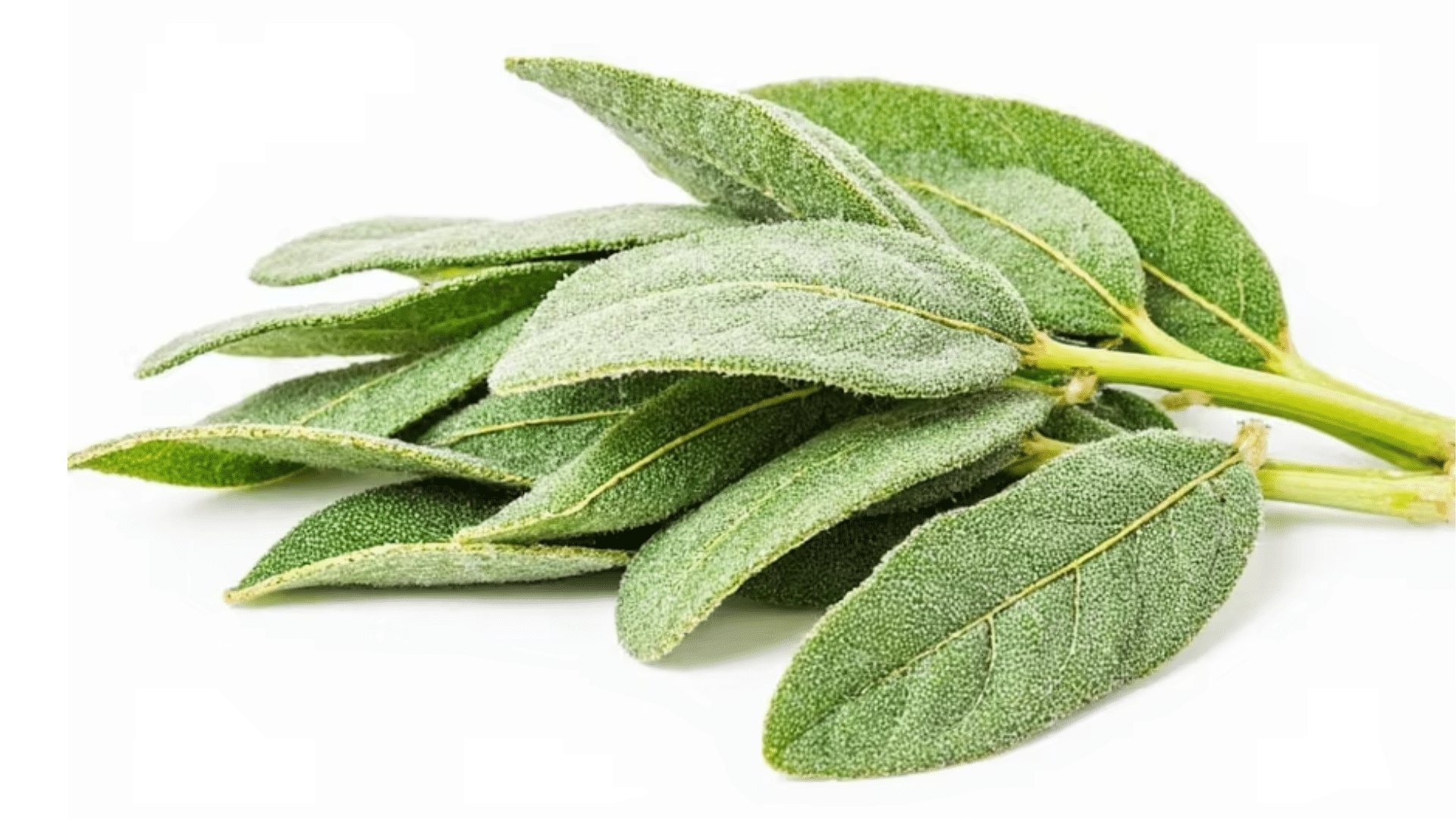
Fresh sage hits you with a bright, green smell right away. It feels crisp and slightly minty, almost like a cool herbal snap. The scent is light but clear, and it stays close to the plant, not smoky.
You may also notice a soft, clean wood note in the background as it warms on your skin. This is the best version to smell if you want the most “true herb” feel without any added smoke or product notes.
2. Dried Sage (Jar Spice or Dried Leaves)
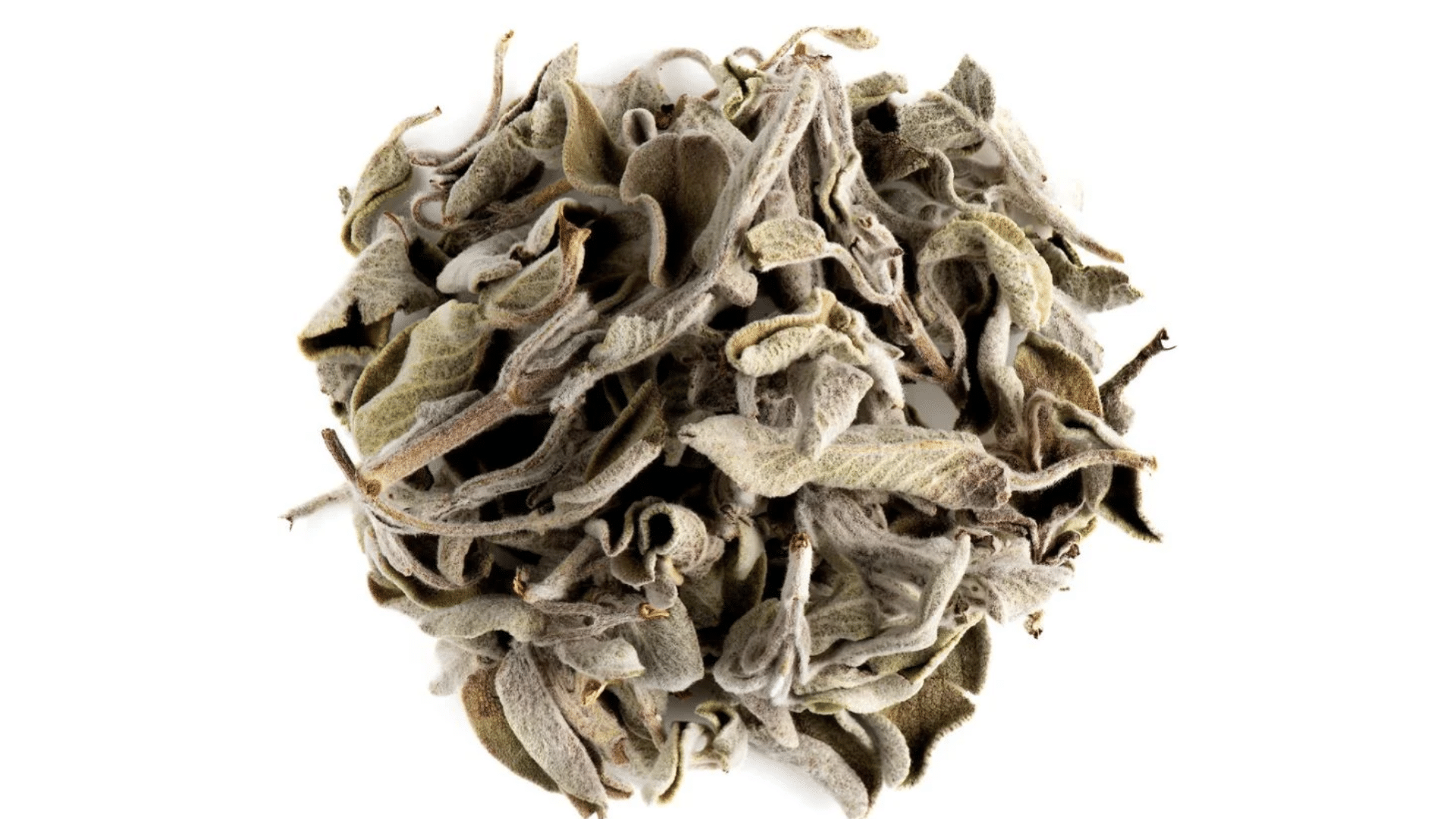
Dried sage smells deeper and warmer than fresh sage. The green sharpness fades, and the scent turns dry, earthy, and woody. It can feel a bit cozy, like a kitchen herb shelf or dried leaves.
Some people notice a mild sweetness, but it is not sugary. It is more like a soft warmth that rounds the scent out. This is the version many people recognize from cooking and spice jars.
3. Burned Sage (Smoke)
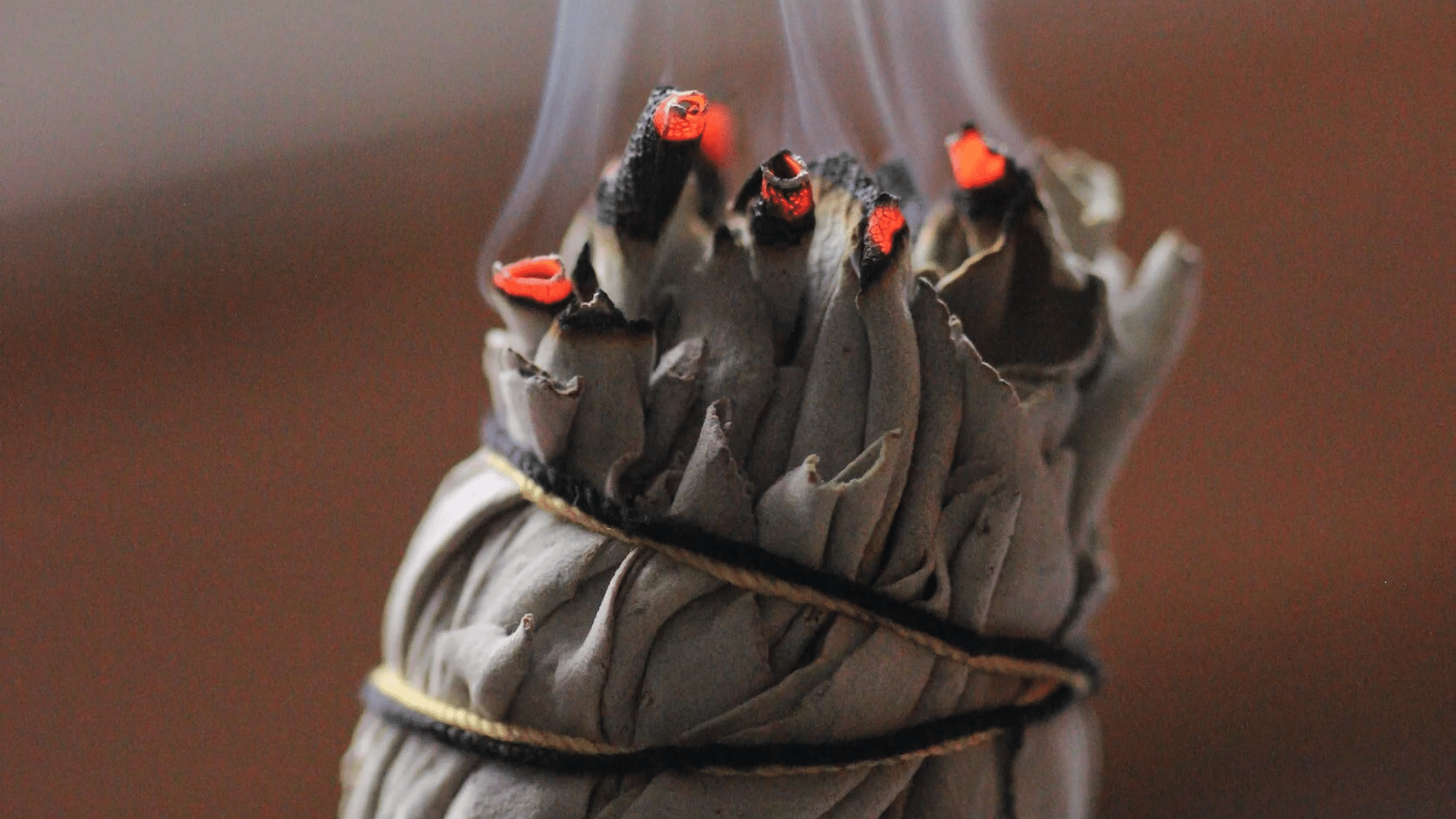
When sage is burned, smoke becomes the main smell. You may still catch the herbal note, but it sits behind the smoky, resin-like feeling. The scent can linger in the air for a long time, especially in a closed room.
Some people find it calming, while others feel it is sharp or heavy. If you only know sage from burning, it can surprise you how different fresh or dried sage smells without the smoke layer.
4. Sage Essential Oil (Diffuser or Blotter)
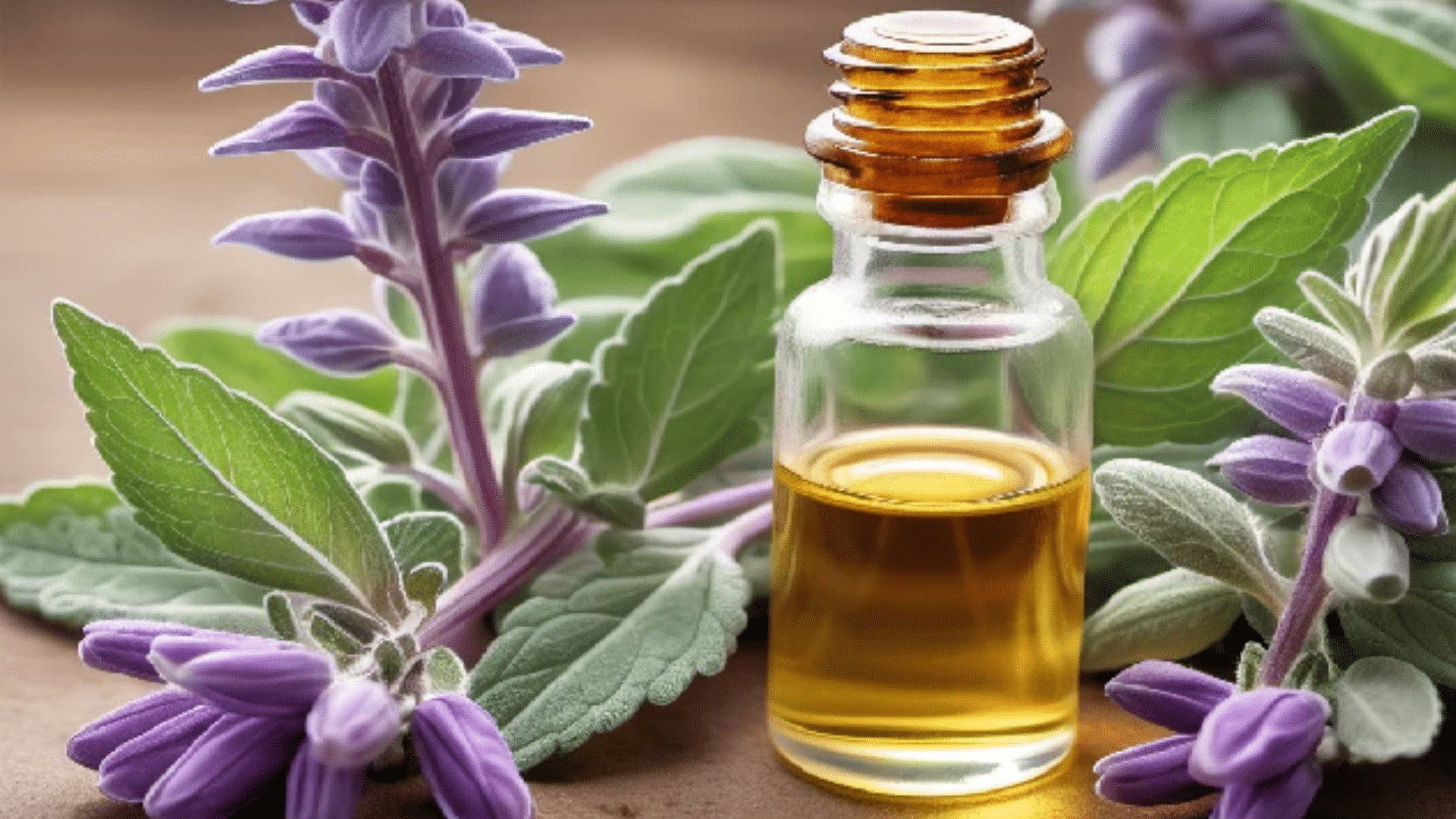
Sage essential oil smells strong and focused. It often feels cleaner and sharper than dried sage, with the herbal and minty edge coming through fast. Because it is concentrated, small amounts can smell intense.
The woody part may show up as it settles, but the first impression is usually crisp and herbal. In a diffuser, the smell can fill a room quickly and may feel more “fresh” than the spice jar version.
Which Sage are You Smelling? (Common Types)
Not all “sage” smells the same, and labels can be confusing. These quick profiles help you match the scent you notice.
Culinary Sage
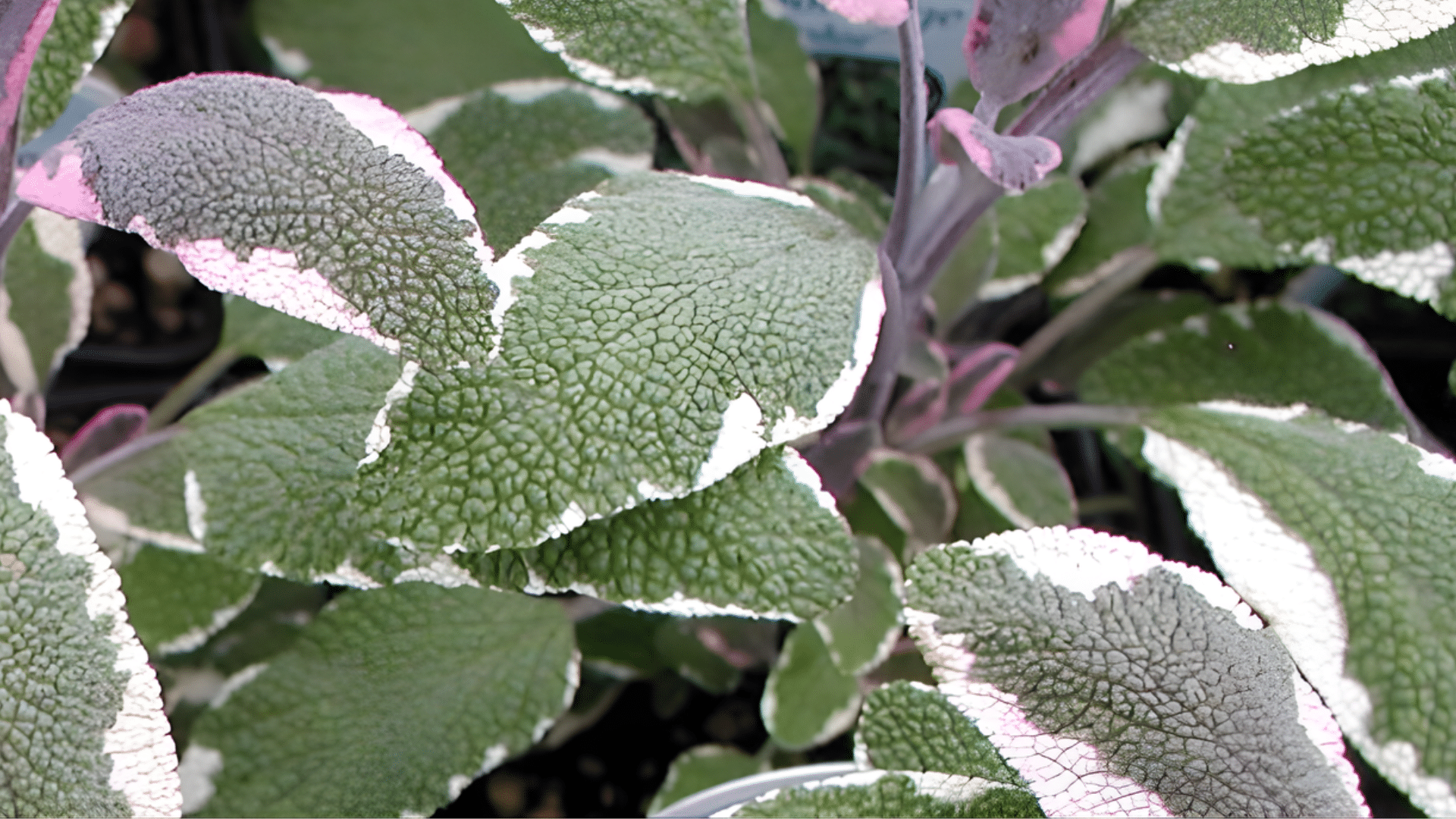
This is the classic sage smell you know from stuffing, sausage, and roasted dishes. It smells herbal and dry, with an earthy base and a mild peppery bite. If you rub a fresh leaf, it starts greener and sharper, then settles into a warm “kitchen herb” smell.
After a minute, you may notice a soft wood note that makes it feel cozy and grounded. If you only know sage from food, this is usually the scent you mean.
- Strength: medium
- Leans: herbal and woody
- Smells most like: dried herb and warm leaf
White Sage
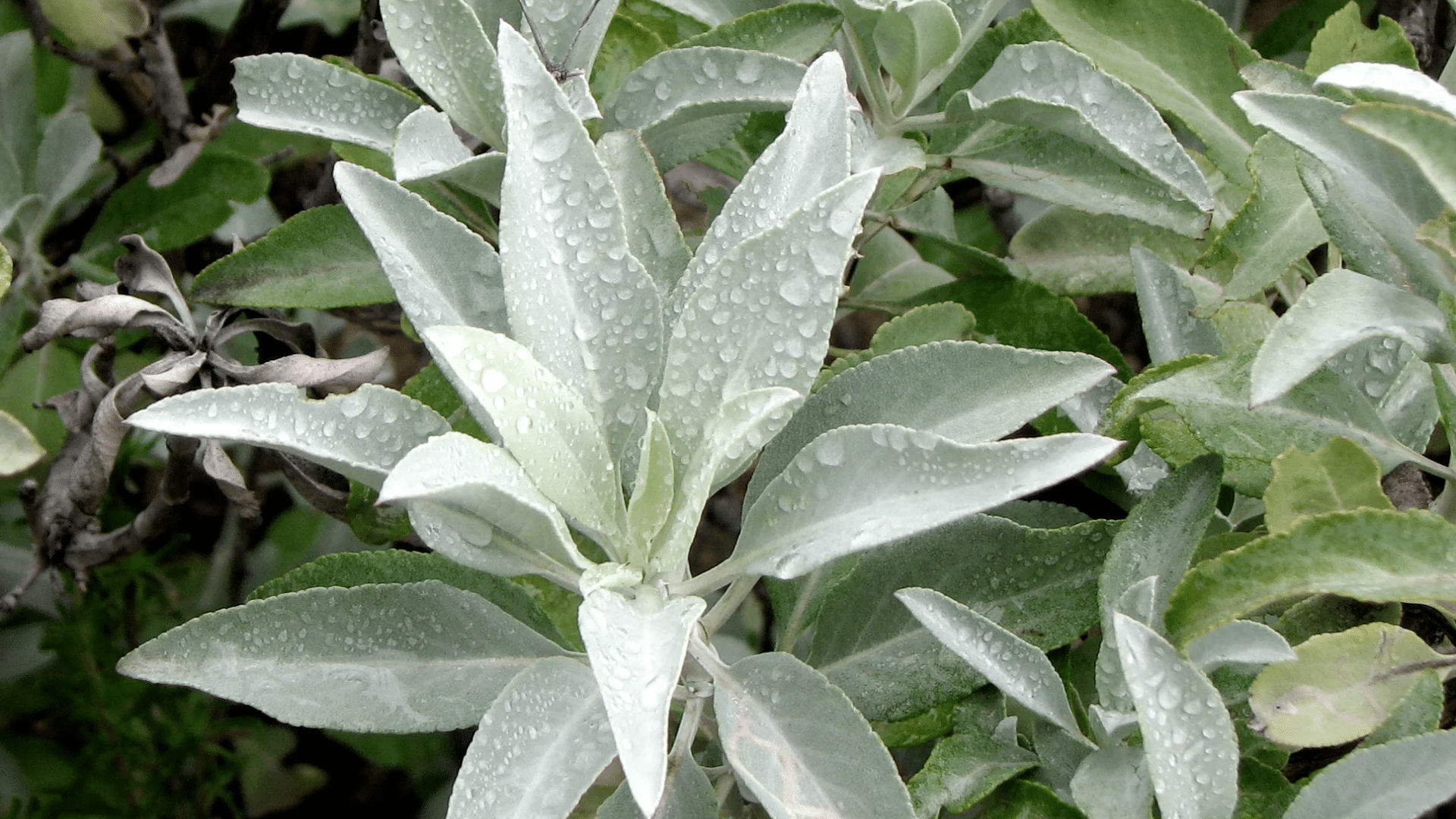
White sage often smells drier and stronger than culinary sage, even before you burn it. The leaf smell can feel more crisp and resin-like, with less of that “kitchen spice jar” vibe.
When burned, the smoke becomes the main scent fast, and the herb note sits behind it. Some bundles smell sharper, while others feel deeper and more heavy, depending on how old they are and how tightly they are packed. If your main memory of sage is smoke, it is usually white sage.
- Strength: medium to strong
- Leans: dry herb and smoke
- Smells most like: herb plus smoke
Clary Sage
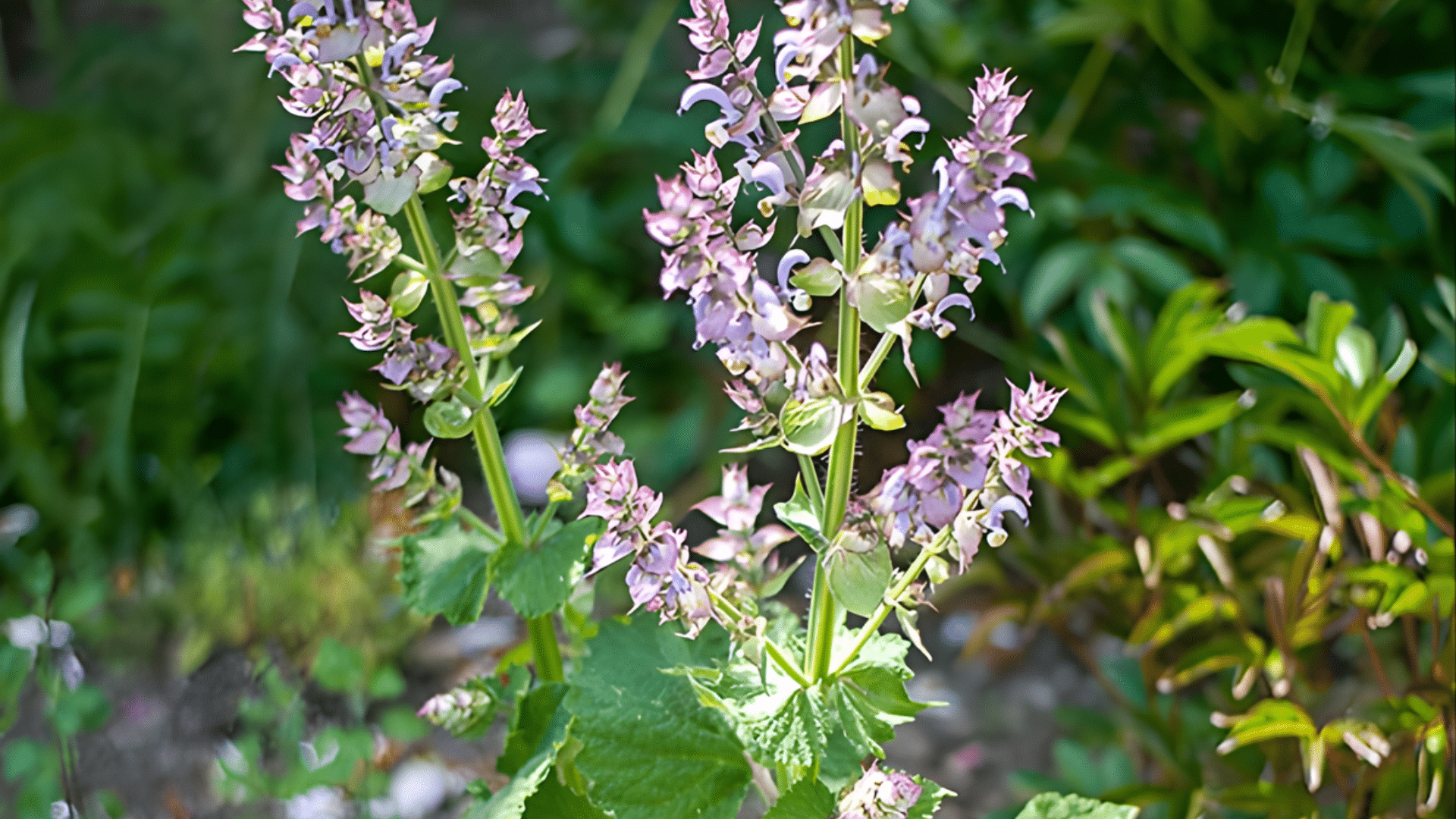
Clary sage reads smoother and “cleaner” to many people. It can feel soft, airy, and slightly sweet, but not in a sugary way. The herbal note is there, but it feels more polished than culinary sage, and less dusty than dried spice.
In oils and perfume blends, clary sage often supports fresh notes like citrus, lavender, or light woods, so it may come across more like a spa herb than a cooking herb. If a product says “sage” and smells fresh and clean, it may be clary sage.
- Strength: medium
- Leans: clean herbal
- Smells most like: airy herb with a soft warmth
Pineapple Sage
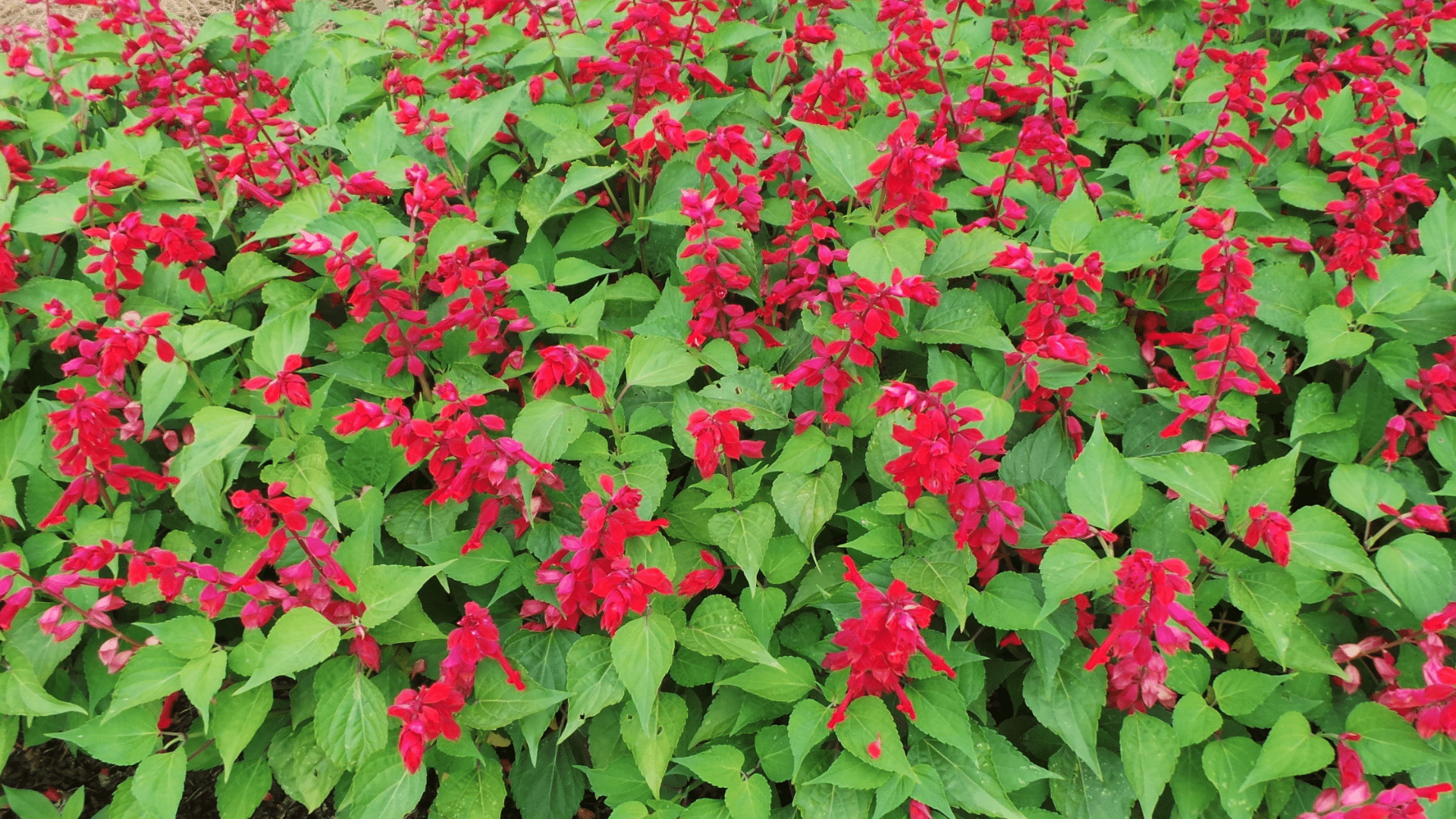
Pineapple sage is still sage, but it has a lighter, brighter smell than kitchen sage. It can carry a mild fruity twist that some people describe as sweet or almost tropical, especially when the leaf is crushed.
You still get a green herb base, but it feels less peppery and less woody. It is often grown as a garden plant, so you might notice it outdoors more than in a spice jar. If your “sage” smells fresh, green, and faintly fruity, this could be it.
- Strength: light to medium
- Leans: green and fruity
- Smells most like: herb with a mild fruit note
How Strong is Sage? (1 to 10 Scale)
Sage strength depends on the form you use and how the scent spreads in the air. A fresh leaf in your hand usually lasts around 4 to 6, since the smell stays close unless you crush it.
A jar of dried sage often feels stronger at 6 to 8, because dried herbs release a concentrated scent when you open and shake the jar.
When you smell sage while cooking in butter or oil, it often drops to 3 to 6 because heat rounds off the sharp edge, though high heat can make it smell punchier.
Sage essential oil on a blotter is usually 7 to 10, since it is concentrated and easy to overdo. Burning sage in a room is also 8 to 10, because smoke spreads fast and clings to surfaces.
For lasting power, sage can stay on hands for 10 to 60 minutes, in a diffused room for 30 minutes to a few hours, and as smoke on fabric for hours to a full day.
Sage Compared to Similar Smells (Quick “Same / Different / Tell”)
Use this table to compare sage with other familiar smells. It helps you explain the sage clearly.
| Comparison | Same | Different | Quick tell |
|---|---|---|---|
| Sage vs. Rosemary | Both smell herbal and outdoorsy. | Rosemary is sharper and pine-like. | Rosemary feels “needle-green.” Sage feels “leafy and dry.” |
| Sage vs. Lavender | Both can feel calm and herbal. | Lavender is clearly floral and sweeter. | Lavender says “flower.” Sage says “herb and earth.” |
| Sage vs Mint / Eucalyptus | Both can feel crisp and fresh. | Mint/eucalyptus feels colder and stronger. | Sage warms into wood. Mint stays cool and bright. |
| Sage vs. Pine / Cedar | Both have a woody outdoors feel. | Pine/cedar is more straight-grained. | Sage keeps a savory herb note. |
| Sage vs. Incense / Palo Santo | Both can feel calm and smoky. | Incense is more resin-heavy and sweet. | Sage still smells like a plant under the smoke. |
Now you can match what you smell to the closest reference. This also helps you describe sage without repeating the same words.
Why Sage Smells Different (The 4 Main Reasons)
Sage can smell different based on the plant type, the form you use, product strength, and even your room’s heat or humidity.
The Type of “Sage” You’re Smelling
Not all “sage” is the same plant, and that changes the smell a lot. Common culinary sage is the scent most people know from cooking. It smells herbal, earthy, and a bit woody.
Clary sage is used a lot in oils and home scent items, and it can feel smoother, softer, and sometimes a little sweeter. Sage sold for burning can vary by source, drying, and age, so the smell may shift from strongly herbal to more smoke-forward.
The Form Changes Everything
Sage changes a lot depending on how you use it. A fresh leaf smells greener and sharper, with a crisp edge. Dried sage smells warmer and more earthy, like a deep herb smell that feels dry and cozy.
Burned sage leans heavily smoky, and the herbal note sits behind that smoke. Sage essential oil is strong and direct, so the minty and herbal parts stand out fast. In candles, soap, or perfume, sage is mixed with other notes, so it may smell cleaner, softer, or sweeter.
Strength and Quality Differences
Two sage products can smell very different even if both say “sage” on the label. One big reason is strength. A stronger oil level can make sage smell sharper, greener, or more intense. A lower level can make it feel light and airy.
Quality also matters. Better oils often smell clearer and more natural, while cheaper ones can smell flat or harsh. Add-on notes also change the final smell. Woods can pull sage warm. Citrus can make it feel bright. Sweet notes can make it feel soft.
Your Space and Timing
Where and when you smell sage can change what you notice. In a warm room, sage can smell warmer and slightly sweeter, and the woody side may stand out more. In cooler air, the sharp green edge can feel stronger.
Humid air can soften the herbal bite and make it feel smoother. Airflow matters too. With more airflow, the smell can feel lighter and cleaner. With little airflow, it can feel heavier, especially if smoke is involved. Even time matters since the sage shifts as it settles.
Why “Sage” Candles Do Not Smell Like Sage Leaves
When you see “sage” in a candle, soap, or spray, it is usually sage plus other notes. It might not smell like a leaf at all.
Here is how common pairings change it:
- Sage + citrus (lemon, bergamot): brighter, cleaner, sharper
- Sage + woods (cedar, pine): warmer, deeper, more “dry wood.”
- Sage + lavender: softer, more calming, more rounded
- Clary sage blends: smoother, fresher, less kitchen herb
If you want “leaf sage,” your best bet is smelling fresh leaves or dried culinary sage first. Then you can decide if a product matches your idea of sage.
Does Sage Smell Good?
Sage can smell good, but it depends on what you like. If you enjoy herbal smells, woody notes, and fresh “green” scents, sage often feels pleasant and calming.
It can come across clean in a natural way, like dry herbs and outdoor air, not like soap or cleaner. Some people also like the slightly minty edge because it makes the scent feel awake and clear.
If you prefer sweet smells only, sage may feel too dry or earthy at first. If you are smelling burned sage, the smoke can change everything.
Smoke can feel cozy to some people, but too sharp or heavy to others, especially in a closed room. The best way to judge sage is to smell it in more than one form.
How to Smell-Test Sage at Home (So You Know For Sure)
Try these quick checks to confirm the scent. You will notice how sage shifts between plant, spice, and products. Do these three small tests back-to-back. Keep your nose a few inches away, and take short sniffs.
- Fresh leaf test: crush a leaf (or rub dried leaves in your palm)
- Spice jar test: smell culinary sage in a jar
- Product test: compare a candle/soap/perfume with a sage note
Final Thoughts
Sage has a clear pattern once you know what to notice. It often starts green and crisp, then turns dry, earthy, and slightly peppery. After that, it can sit warmer, with soft wood notes that linger on your hands or in the air.
The form matters a lot too: fresh feels brighter, dried feels deeper, cooking makes it rounder, and burning adds a strong smoke layer. If you ever feel unsure, a quick smell test with a leaf and a spice jar can help you name it fast.
If you still keep wondering what does sage smell like, try comparing it side by side with rosemary. Want more scent breakdowns like this? Check out my other blogs and tell me which scent you want next.