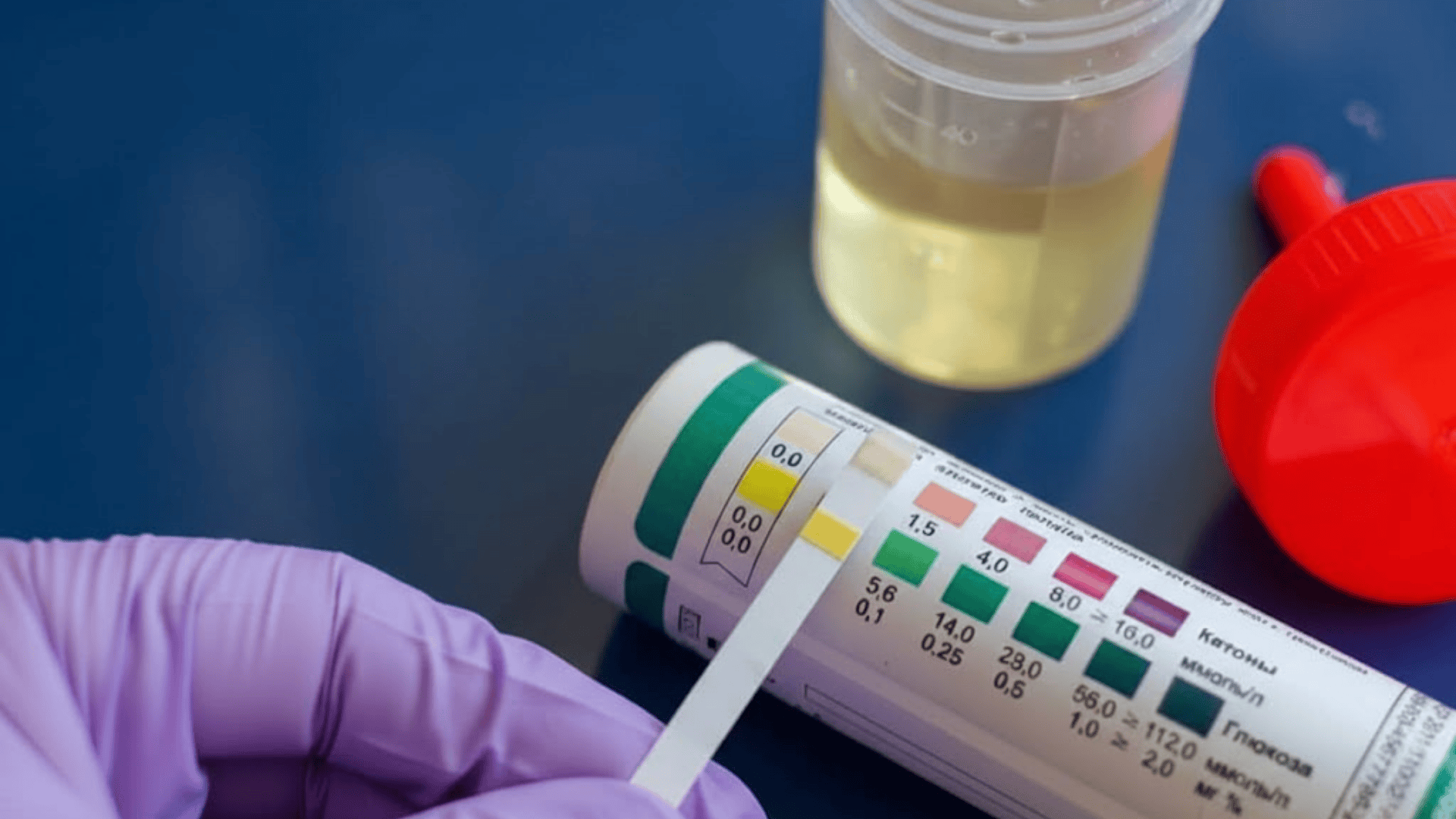
Seeing KET on a lab report can make you stop and worry. I get it, those short codes can feel confusing. So, what does ket mean on a urine test? It depends on the type of test and why you had it done.
If you’re looking at a drug test, KET can refer to ketamine. If you’re looking at a medical urine test, it often points to ketones in urine, which are linked to how your body uses fat for energy.
In this blog, I’ll walk you through both meanings in simple words. You’ll also learn how long ketamine may show up, what can change detection time, and when ketone levels may need quick medical care.
This article is for general information only and does not replace medical or legal advice. Test results and health concerns can vary, so it’s always best to talk with your healthcare provider, lab, or testing authority about your specific situation.
What Does KET Mean on a Urine Test?
KET on a urine test can have two different meanings, which is why it often causes confusion. On a urine drug test, KET usually stands for ketamine, a medication and recreational drug.
On a standard medical urinalysis, KET typically refers to ketones, which are substances the body makes when it burns fat for energy.
The purpose of the test helps clarify the meaning. Workplace, legal, or rehab testing usually points to ketamine. Hospital visits, diabetes monitoring, or routine lab work usually indicate ketones.
If the report lists drug codes like THC, AMP, OPI, or BZO, KET likely means ketamine. A positive result shows detection above the lab cutoff, not current impairment.
Ketamine vs Ketones: Key Differences
This table helps clear up the most common confusion.
| Feature | Ketamine (Drug Test KET) | Ketones in Urine |
|---|---|---|
| Test type | Drug screen | Medical urinalysis |
| What it shows | Drug presence | Fat metabolism |
| Is it normally found | No | Sometimes (trace) |
| Main concern | Safety and misuse | Ketoacidosis risk |
| Related to diet | No | Yes |
If “KET” shows up on a report, checking the test type and the other items listed on the page usually makes it clear whether it refers to ketamine or ketones.
Does Ketamine Show Up on Standard Drug Tests?
Whether ketamine shows up on a standard drug test depends on the type of panel used, because many common tests do not automatically include it.
Most basic screenings focus on widely used substances and may miss ketamine unless it is specifically added.
Key points:
- Most 5-panel tests do not include ketamine
- Ketamine may appear on expanded panels (9, 10, 12, 15, or 18-panel tests)
- More common in safety-sensitive jobs, healthcare, rehab programs, and legal testing
Overall, ketamine is usually detected only when the drug panel is designed to test for it specifically.
How Long Does Ketamine Stay in Your System?
Ketamine doesn’t stay in the body forever, but urine tests can detect it for different lengths of time depending on how often it’s used.
| Type of Use | Typical Detection Time |
|---|---|
| Single or rare use | Up to 3 days |
| Occasional use | 3–5 days |
| Frequent or heavy use | 5–7 days (sometimes longer) |
Urine testing is the most common way to check for ketamine because it’s a practical method for spotting recent use.
What Affects How Long Ketamine is Detectable?
Ketamine detection time can change based on personal and testing factors, so the same drug use pattern may not look identical for everyone.
- Amount used: Higher amounts may take longer to clear from the body.
- How often it’s used: Frequent use can build up effects and extend detection time.
- Body metabolism: Faster metabolism may clear ketamine sooner, while slower metabolism may extend it.
- Hydration level: Hydration can affect urine concentration, which may influence test results.
- Liver and kidney health: These organs help process and remove substances, so issues can slow clearance.
- Test sensitivity and cutoff levels: Some tests detect smaller amounts than others, depending on lab settings.
Because these factors differ from person to person, ketamine may stay detectable for shorter or longer periods across different people.
Ketamine Detection by Test Type
Each test checks for ketamine in a different way, so the detection time can range from a few hours to several months, depending on the method used.
1. Urine Test
Urine testing can detect ketamine for days and is the most common choice. It’s used often because it’s simple to collect, usually has a lower cost, and works well for spotting recent use.
Many workplaces, healthcare programs, and treatment centers rely on urine tests when ketamine screening is included in the panel.
2. Saliva Test
Saliva tests usually detect ketamine for hours to 1 day. This makes them helpful for checking very recent use, such as the same day or the day before.
The short detection window also means saliva testing may miss ketamine use that happened earlier, even if it was only a couple of days ago.
3. Blood Test
Blood testing has a very short detection window, usually only hours. It’s less common for routine screening because the collection is more invasive and may require trained staff.
Blood tests are more likely to be used when timing is important, such as in certain medical situations or legal cases tied to a specific event.
4. Hair Test
Hair testing can detect ketamine for weeks to months, depending on hair growth and the lab method used. It’s not meant for checking very recent use, since hair takes time to grow.
This test is usually used in special cases where a longer history is needed, such as certain investigations or long-term monitoring programs.
Normal vs Dangerous Ketone Levels in Urine
Not all ketones in urine are a problem. The amount matters.
| Level | mg/dL Range | Meaning |
|---|---|---|
| Negative | None detected | No ketones present. |
| Trace | ~5 mg/dL | Usually normal and safe for most people. |
| Small | 5–20 mg/dL (or | Monitor, especially if diabetic; low risk otherwise. |
| Moderate | 30–40 mg/dL (or 40–80) | Potentially dangerous; seek medical advice promptly. |
| Large | >80 mg/dL (or ≥80–160) | Medical emergency, go to the ER (Emergency Room), as it risks DKA (Diabetic Ketoacidosis). |
If results show moderate or large ketones, especially with symptoms or high blood sugar, medical help may be needed right away.
When Ketones Become Dangerous?
High ketone levels can make the blood too acidic. This condition is called ketoacidosis and needs urgent medical care.
Warning signs include:
- Extreme thirst
- Frequent urination
- Nausea or vomiting
- Stomach pain
- Deep or fast breathing
- Fruity-smelling breath
- Confusion or extreme tiredness
People with diabetes should take ketone results seriously, especially when blood sugar is high.
Key Takeaways
Now you know what ket means on a urine test, and why it can point to two very different things.
I covered how KET can show up as ketamine on a drug screen, and how it can also mean ketones in urine on a medical urinalysis.
You also saw how long ketamine may be detected, what can change that timing, and why test type matters. On the ketone side, you learned what “trace” can mean and when higher levels may need fast medical help.
If your report still feels confusing, you can ask the lab or your provider to explain it in plain terms.
For more helpful guides like this, check out my other blog posts on this site and comment your thoughts below!