You’ve probably heard the warnings about fentanyl, and understanding what fentanyl smells like has become a critical safety question. I wish I could tell you that identifying fentanyl by smell is possible, but the reality is far more dangerous than that.
Pure fentanyl has no smell. It’s odorless, colorless, and tasteless. This invisible nature makes it one of the deadliest substances on our streets today.
The reports you’ve heard about chemical smells or burnt popcorn come from cutting agents and manufacturing residue, not the fentanyl itself.
Relying on your nose could be fatal. I’ll walk you through what you need to know to detect and protect yourself from this silent killer.
This blog does not endorse drug use. If you or someone you know is using substances, please seek immediate medical attention or contact 911 for assistance.
What is Fentanyl?
Fentanyl is a powerful synthetic opioid, originally developed for legitimate medical purposes. In hospital settings, doctors use it to manage severe pain, particularly for cancer patients or during surgery. It’s incredibly potent, up to 50 times stronger than heroin and 100 times stronger than morphine.
But when we talk about what fentanyl smells like in street drugs, we’re dealing with something entirely different from the pharmaceutical version. The illicit fentanyl flooding communities has become a silent killer precisely because you can’t detect it with your senses.
In its pure form, fentanyl provides no warning signs. You can’t see it, taste it, or smell it. This invisibility makes it terrifying when mixed with other drugs.
Fentanyl withdrawal usually begins 12 to 24 hours after the last dose. Symptoms then get stronger and often peak between 2 and 4 days.
The Dangerous Myth of Scent Detection
I need to be absolutely clear about this: you cannot safely identify fentanyl by smell alone. This is critical information that everyone needs to understand.
The odorless nature of fentanyl means that contaminated drugs look, smell, and taste like their uncontaminated counterparts. You might think you’re taking pure heroin, cocaine, or a legitimate pill, but you could be ingesting a lethal dose of fentanyl without any warning.
The statistics are sobering. Synthetic opioids like fentanyl are now involved in more than 60% of all drug overdose deaths in the United States. The numbers keep rising because people can’t detect what they’re actually taking.
When someone asks what fentanyl smells like, they’re usually hoping for a way to protect themselves. But the harsh reality is that smell won’t save you.
What Does Fentanyl Smell Like?
While researching what fentanyl smells like, you might come across various reports from users or people who’ve encountered contaminated drugs. These descriptions can be misleading and dangerous to rely on.
1. Chemical or Acetone-Like Odors
Some users report a sharp chemical smell, similar to nail polish remover, when handling suspected fentanyl-contaminated drugs. This acetone-like scent likely comes from the solvents and chemicals used during illegal production, not the fentanyl itself.
Manufacturing processes for illicit drugs often involve harsh chemicals that leave residual odors. However, these smells vary widely depending on production methods and aren’t consistent enough to serve as warning signs.
2. Sweet or Bitter Notes
Occasionally, people describe faintly sweet or bitter odors when fentanyl is mixed with other substances. These subtle scent profiles come from the other drugs or cutting agents in the mix, not from fentanyl.
Different cutting agents, ranging from sugars to baby powder to more dangerous substances, can introduce various smells. The problem is that these same odors appear in drugs without fentanyl contamination, making them useless for detection purposes.
3. The “Burnt Popcorn” Myth
You might have heard rumors about fentanyl smelling like burnt popcorn. This widespread myth is particularly dangerous because it gives people false confidence in their ability to detect the drug. This description probably relates to other chemicals or cutting agents used in drug production or distribution.
Some manufacturing byproducts or adulterants might produce unusual odors, but fentanyl itself remains completely odorless regardless of how it’s processed or presented.
Any odor you detect isn’t a reliable indicator of fentanyl’s presence or absence. Relying on smell puts you in serious danger and could cost you your life.
Safe Ways to Detect Fentanyl
Since your nose can’t help you identify what fentanyl smells like, what can? Thankfully, there are tools that provide real protection when your senses fail you completely. Here are reliable detection methods:
- Fentanyl test strips are your best defense. Dissolve a small amount in water, dip the strip, and wait for results. Many harm reduction organizations distribute them for free.
- Find test strips at local health departments, harm reduction organizations, some pharmacies, and online retailers.
- Look for visual warning signs in pills, such as inconsistent coloring, uneven edges, or incorrect markings. Powders may vary in texture or color.
- Understand limitations because test strips can give false negatives, and visual cues aren’t foolproof either.
These strips aren’t perfect, but they’re far more reliable than your senses. Visual warning signs help, but aren’t reliable enough to bet your life on. Always combine multiple safety strategies for the best protection.
Fentanyl metabolites are excreted into the urine, extending the detection window to 24–72 hours. This is why urine tests can show fentanyl use long after its immediate effects have worn off.
How is Fentanyl Different from Other Hard Drugs?
Understanding what makes fentanyl uniquely dangerous compared to other substances helps explain what fentanyl smells like. Let’s compare fentanyl to other commonly used drugs. Here’s how fentanyl stacks up:
| Drug | Potency vs Morphine | Detectability | Overdose Risk |
| Fentanyl | 100x stronger | Odorless, colorless, tasteless | Extremely high – 2mg is lethal |
| Heroin | 2-5x stronger | Vinegar-like smell, brown/white powder | High but predictable |
| Cocaine | N/A (stimulant) | Chemical smell, white powder | Moderate alone, high when mixed |
| Methamphetamine | N/A (stimulant) | Strong chemical odor, crystalline | Moderate to high |
| Prescription Opioids | Varies (weaker) | Identifiable pills with markings | Lower when authentic |
Fentanyl’s complete lack of sensory indicators combined with its extreme potency creates a perfect storm of danger. While other drugs have warning signs, fentanyl offers none, making accidental overdoses far more common.
How Dealers Mix Fentanyl Into Other Drugs?
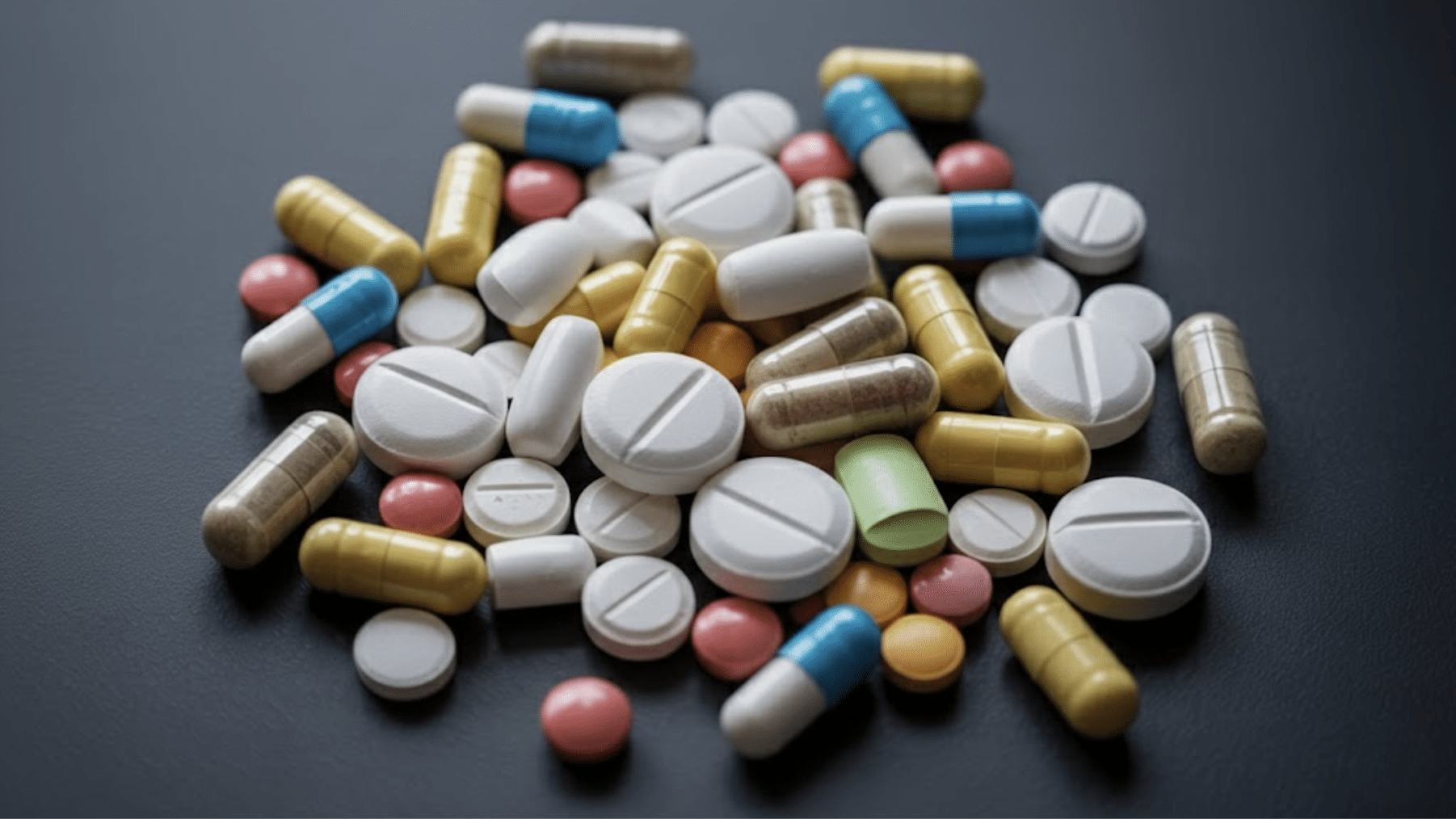
The fentanyl you might encounter isn’t typically sold on its own. Drug dealers mix it into heroin, cocaine, methamphetamine, and even counterfeit prescription pills. Why? Because it’s cheap to produce and incredibly addictive. Users often have no idea they’re taking it.
When dealers cut their products with fentanyl, they’re playing Russian roulette with people’s lives. The substance is so powerful that an amount equivalent to just 10-14 grains of salt can kill you. Think about that for a moment, a few tiny grains could be fatal.
The cutting agents and adulterants mixed with street fentanyl sometimes introduce odors, but these smells aren’t from the fentanyl itself. They come from whatever else is in the mixture.
Recognizing and Responding to Overdose
Because you can’t tell what fentanyl smells like or reliably detect it otherwise, knowing overdose symptoms becomes critical.
These signs require immediate action; they could mean the difference between life and death. Watch for these overdose symptoms:
- Extremely small pupils (pinpoint pupils)
- Unconsciousness or inability to wake up
- Slow or stopped breathing
- Choking or gurgling sounds
- Limp body
- Cold or clammy skin
- Blue or purple lips and fingernails
If you see these signs, call 911 immediately. Then, if available, administer naloxone (Narcan). This medication can reverse opioid overdoses and has saved countless lives. Many states allow you to get naloxone without a prescription, and keep it on hand if you or anyone you know uses drugs.
How to Protect Yourself and Others from Fentanyl
Knowing what fentanyl smells like won’t keep you safe, but taking the right steps can. Since your senses can’t detect this substance, your best line of defense is practical tools and smart strategies.
Here’s what you can do right now:
- Get naloxone and learn how to use it. Keep it accessible at all times.
- Use fentanyl test strips if you use drugs. Never use alone.
- Start small with substances from new sources. Contamination varies batch to batch.
- Stay informed about local overdose trends through your local health department.
- Talk openly about these risks. Shame and stigma prevent lifesaving conversations.
These simple steps can mean the difference between life and death. Taking action today protects not just you, but everyone in your community who might face these risks.
FinalThoughts
What does fentanyl smell like? It’s a question that reflects a genuine desire for safety. The frustrating answer, that it has no detectable smell, should concern all of us. This crisis touches every community, regardless of background, income, or location.
Your best protection isn’t your nose; it’s knowledge and the right tools. I strongly encourage you to get test strips, carry naloxone, and avoid usage altogether.
Fentanyl’s invisibility makes it uniquely dangerous, but you’re not powerless. Armed with accurate information, you can reduce your risk and potentially save lives.
Please share this with people you care about. If you have questions, leave a comment below.