When I started looking into drug facts out of curiosity, one question kept popping up: What color is meth? I learned that meth doesn’t have just one color.
It can be white, clear, yellow, or even brown. The color changes depending on how it’s made and what other stuff gets added to it. Pure meth is often clear or white, but that’s not always the case.
The more I read, the more I realized how much the look of it can change.
If you’re trying to understand what meth looks like, this blog will help.
You’ll learn why the color matters, how it connects to what’s inside, and what to watch for. I’ll keep it simple and easy to follow.
Why Meth’s Appearance Can Be Confusing
Meth doesn’t always look the same, and that’s what makes it confusing. The way it’s made plays a big part in how it turns out.
Some people cook meth in homemade labs using different chemicals and tools. Because of that, every batch can come out looking a little different.
Sometimes, people mix in other things called cutting agents to make it look like there’s more meth than there really is. These can change the color, texture, and even smell.
In some cases, dyes are added on purpose, either to make it seem stronger or to hide what it really is. Even how meth is stored can change how it looks.
Heat, light, or moisture might make the color fade or change over time.
Some people think clear or white meth means it’s pure, but that’s not always true. Color isn’t a reliable way to judge purity. That idea can be risky and misleading.
What Color is Meth?
Meth doesn’t always look the same, and that’s why color can be misleading. Its appearance depends on how it’s made, what it’s mixed with, and even where it’s sold.
Below are the most common colors you might come across and what each one can mean:
Clear or Transparent (Crystal Meth)
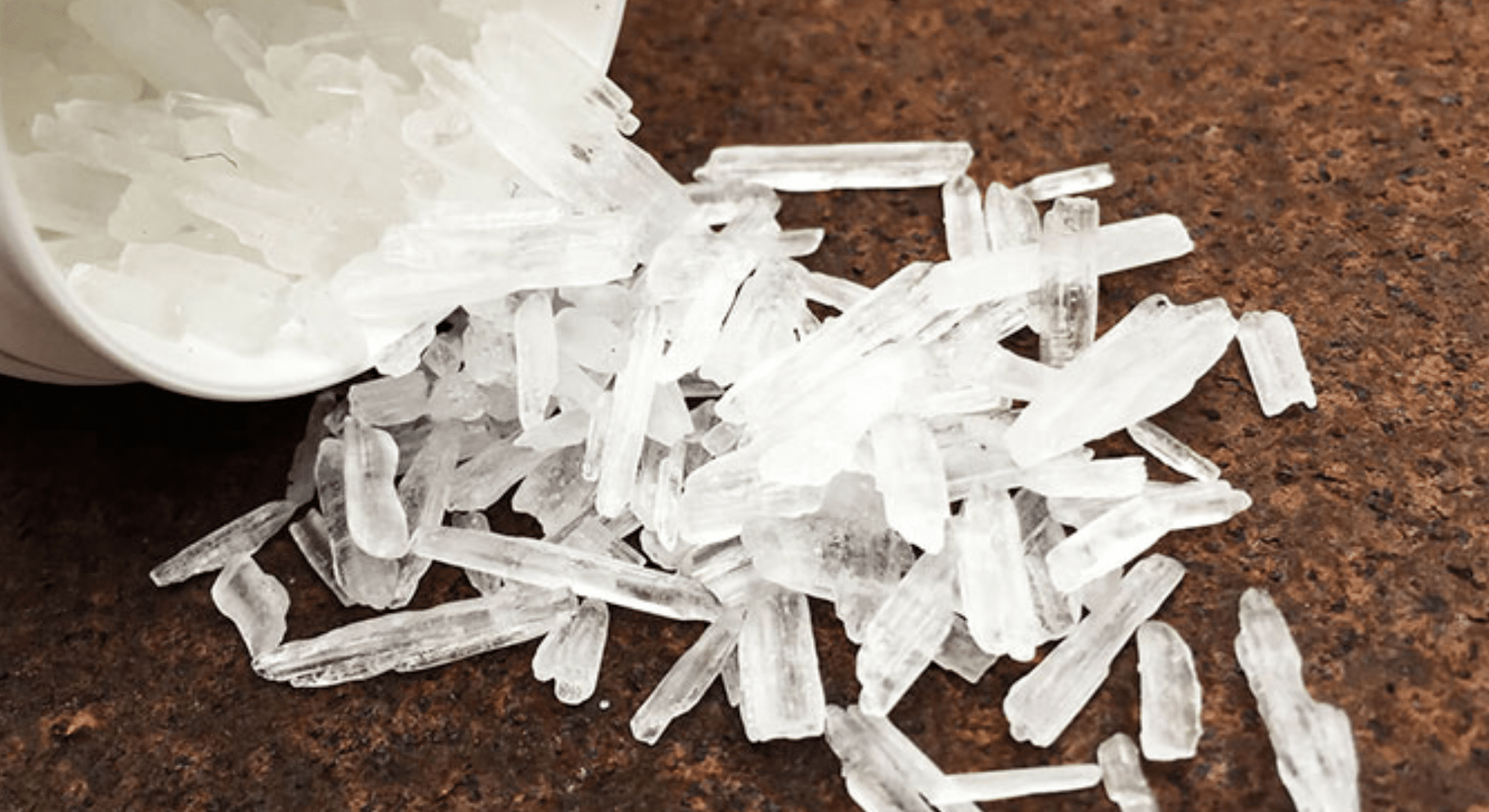
Clear or transparent meth is often called “crystal meth.” It looks like small, sharp pieces of glass or ice. This form is usually the purest and is often smoked or injected.
The clear look comes from how it’s made and how few extra substances are mixed in. This version is usually strong, but its appearance alone still doesn’t guarantee how pure or powerful it really is.
White or Off-White Powder
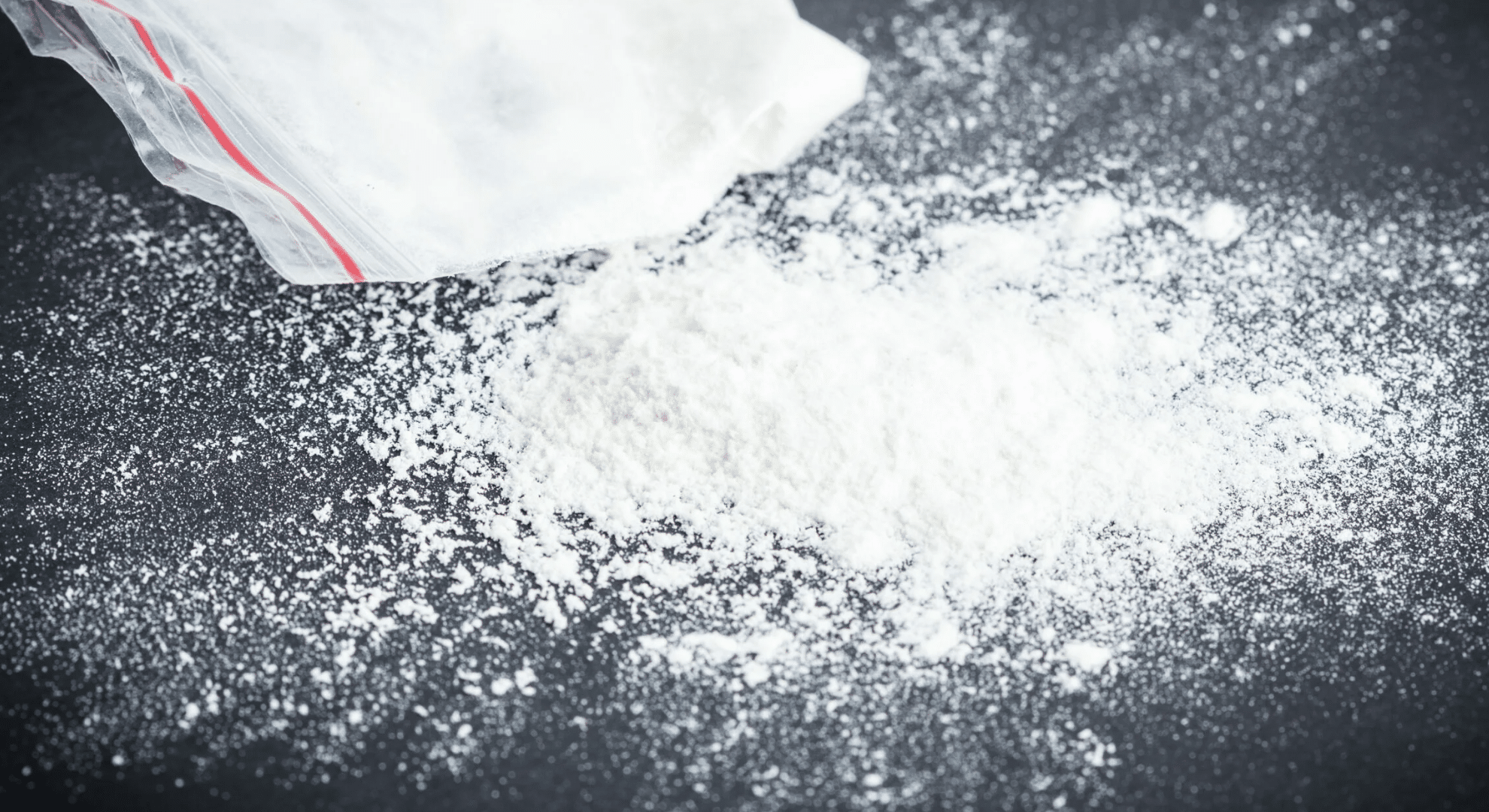
This is one of the most common street versions of meth. It looks like flour, sugar, or baking soda. It’s usually crushed into powder and snorted or swallowed.
Most of the time, this kind of meth is mixed with other powders like caffeine, sugar, or even crushed medicines. These added fillers make it weaker and harder to tell how strong it really is just by looking at it.
Yellow, Brown, or Tan Meth

Sometimes meth comes out yellow, brown, or tan. This can happen when the cooking process isn’t clean or when low-quality ingredients are used.
These colors often show leftover chemicals that weren’t removed well. The texture might be sticky, oily, or gritty.
While it still might be active, the dirty look can mean it’s less pure and could have more risks from extra unwanted chemicals.
Pink or Red Meth (“Strawberry Quick”)
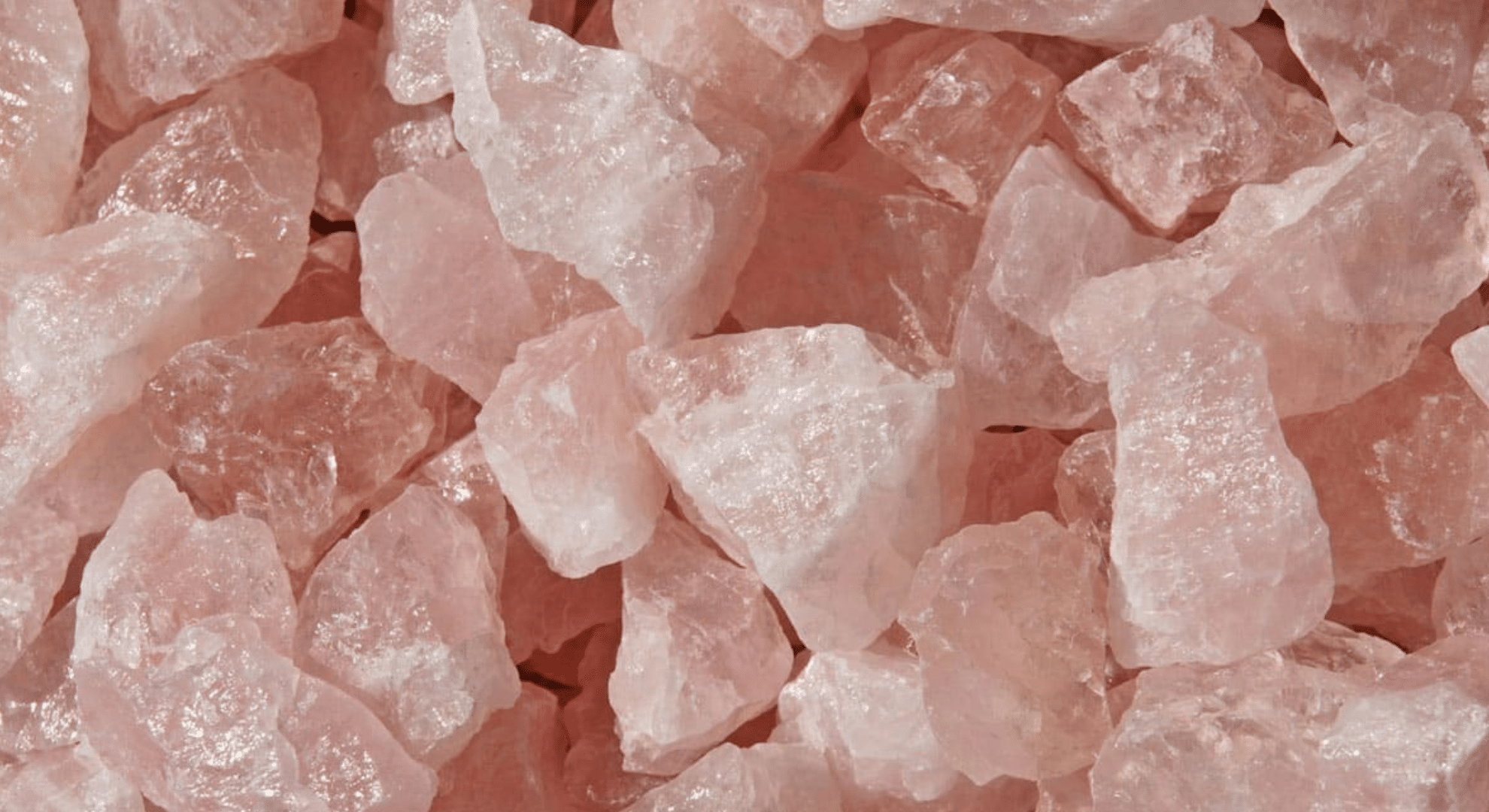
You might’ve heard of “Strawberry Quick” meth, a rumor that meth was made pink and flavored like candy to trick kids.
This story spread online, but there’s no strong proof it was real. Still, sometimes color is added to meth on purpose, either to stand out or confuse people.
These color changes don’t always mean anything about strength or safety and are usually done to get attention.
Blue Meth
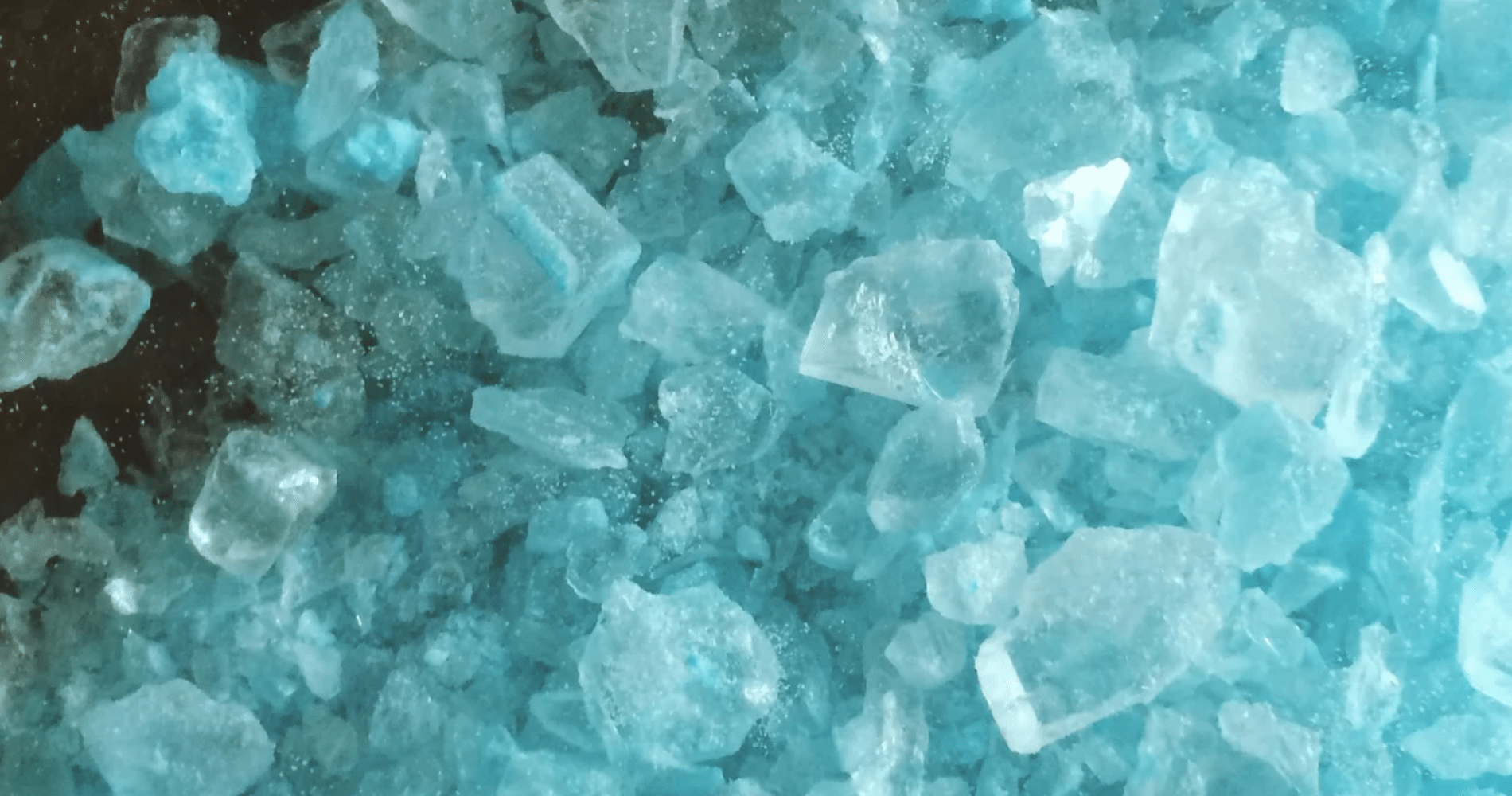
Blue meth became popular in pop culture because of the show Breaking Bad. In the show, the blue color was linked to high purity.
But in real life, meth isn’t naturally blue. When blue meth does show up on the streets, it’s because someone added dye.
The color doesn’t mean it’s better or cleaner. It’s just a way to copy what people saw on TV or to make it look different.
Green or Other Colors
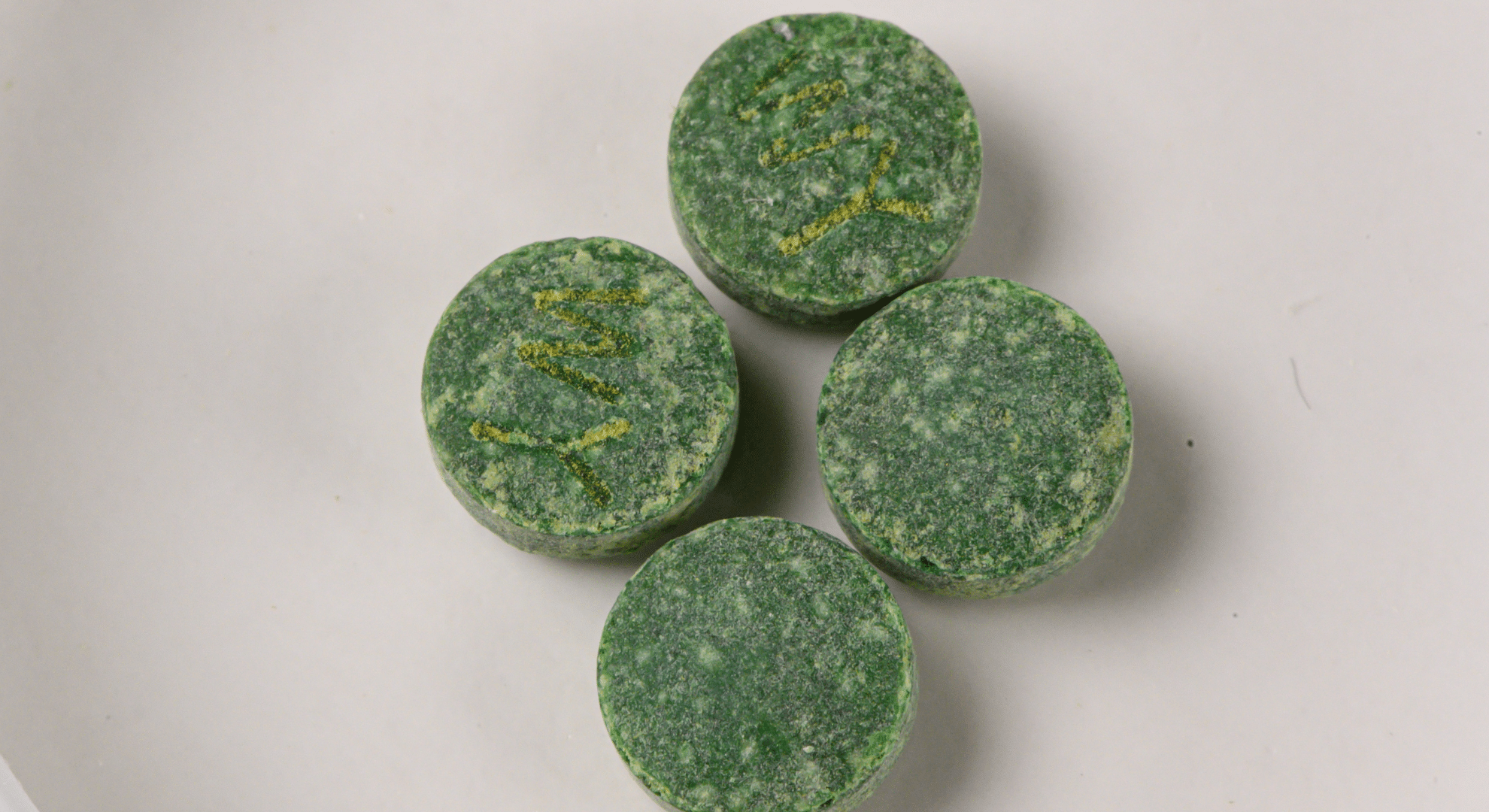
In some parts of Southeast Asia, like Thailand, meth often comes in colorful pills. One type, called yaba, is a mix of meth and caffeine.
These pills can be green, orange, or red. They’re usually swallowed or smoked. The color doesn’t show how strong they are; it’s just how they’re made.
Pills like these are often used in that region and may look totally different from meth found elsewhere.
What Does Meth Look Like?
Meth can look different depending on how it’s made and what’s added to it. One common form is crystal meth, which looks like clear or shiny glass shards, kind of like rock salt or broken ice.
Another form is a white or off-white powder, which may look like flour or baking soda. In some cases, meth comes in pills, often colored and pressed, especially in places like Southeast Asia.
It can also appear yellow, brown, or tan if it was made with poor chemicals or in an unclean setting.
Sometimes, dyes are added to make it pink, red, or blue. Because meth isn’t made in one standard way, its appearance can change from batch to batch.
Does Color Reveal Meth’s Purity or Strength?
No, the color of meth doesn’t accurately show how strong or pure it is. Even if it looks clean or bright, that doesn’t mean it’s safer or better.
Some batches may appear clear or light-colored but still have leftover toxins that aren’t visible. In the same way, darker or off-colored meth might still be strong; it just means the process wasn’t as clean.
Real purity depends on what’s in the mix, not what it looks like. The only way to know the actual strength is through proper testing, which most users don’t have access to.
Street meth can vary a lot, and judging it by color can lead to false ideas. That’s why relying on looks is risky; it doesn’t show what’s really going on chemically.
Color might give clues, but it’s never a sure sign of what’s in the drug or how it will affect someone.
How to Identify Meth Safely?
If you think you’ve come across meth, it’s important to be careful. Never touch or handle something just because it looks suspicious. Here are some ways people can spot meth without putting themselves at risk:
Look at the form: Meth can show up as shiny, glass-like shards (crystal meth), fine white or off-white powder, or small, colorful pressed pills, especially in places like Southeast Asia.
Check for smell: Some forms of meth have a strong chemical smell, kind of like nail polish remover or cleaning products. This odor may come from the way it was made.
Watch for strange packaging: Meth is often wrapped in small plastic baggies or hidden in everyday items. Powder might leave behind a white, sticky residue.
Don’t try to taste, smell closely, or touch unknown substances. If you suspect it’s meth, step away and call your local police or a trained professional right away.
Health Risks Linked to Colored Meth

Colored meth is more than just a visual difference. It often means more additives or leftover chemicals, which can make it more dangerous.
When meth is made in unsafe places, it usually contains harsh or toxic substances that were not properly removed. Dyes and fillers like caffeine, powdered milk, or cleaning products can make the drug even riskier.
Using meth that has been mixed with these substances can lead to:
- Skin infections or open sores
- Burns in the nose, throat, or lungs from smoking or snorting
- Chemical poisoning that harms the liver, kidneys, or brain
- Tooth decay, also called “meth mouth.”
- Mental health issues like paranoia and hallucinations
The National Institute on Drug Abuse (NIDA) explains that meth use can cause heart attacks, strokes, and brain damage.
The U.S. Department of Justice also warns that street meth often contains harmful fillers that raise health risks. The more additives present, the more damage it can do.
What to Do If You Find or Suspect Meth
If you come across something and think it might be meth, don’t try to move or clean it. Avoid touching anything near it and step away calmly.
Close off the space if you can, but don’t trap yourself inside. Let someone you trust know and contact local law enforcement. If you’re unsure who to call, dial 1-800-222-1222 (Poison Control) for quick advice.
You don’t need to handle this on your own. It’s better to ask questions and stay safe than take a chance with a substance that can be harmful even without direct use.
For Parents and Educators
Stay alert for unknown powders, pills with unusual colors, or sharp crystal-like bits in backpacks, clothing, or hidden spaces. Watch for behavior shifts like skipping meals, sudden secrecy, or avoiding family and school.
Programs like Natural High and NIDA for Teens offer free, age-appropriate drug education tools.
Creating open, honest conversations about substances helps students feel supported rather than judged.
Conclusion
When I started learning about what color is meth, I was surprised by how many myths were out there.
I found out that color doesn’t mean purity or safety, it just shows how messy and unregulated meth really is. That changed how I looked at drug facts.
Now that you’ve read this, you can spot the signs more clearly and know what not to trust. Stay aware, trust facts over guesses, and don’t try to figure it out alone.
One more thing: if something seems off, it probably is.
Keep learning, stay sharp, and check out the other blogs for more real info!