I know how overwhelming it feels when you’re trying to pick the right weed pen. You’ve got so many choices, disposables, refillables, dab pens, and each one comes with different costs and effects.
You might call it a weed pin, a THC pen, or a marijuana vape pen; they all fall under the same category of device. But the differences between weed pen types matter far more than the name. The pen you choose shapes your sessions, your budget, and even how certain strains feel.
By the end of this guide, you’ll know exactly which type of vape pen for weed makes sense for your lifestyle. So, what kind of experience do you want?
There are 5 main weed pen types: oil cart pens (disposable and rechargeable), dab pens, dry herb pens, pod systems, and dual-use pens. THCa pens are a fast-growing sixth category. The right pick depends on your tolerance, budget, and preferred cannabis format. Keep reading for the full breakdown.
Understanding Weed Pens
Weed pens are small, portable vaporizers that heat cannabis oils, concentrates, or flower without burning them. You might call it a marijuana vape pen, a THC pen, or a vape pen for weed, but the core design is the same: a battery, a heating chamber, and a cartridge or pod that holds your material.
They’ve become popular because they’re simple, discreet, and offer smoother sessions with lower toxin exposure than smoking. Some are disposable and ready to use. Others are rechargeable and work with interchangeable parts.
THCa pens use THCa extract, which converts to THC when the coil heats it, a go-to in states where delta-9 products face restrictions.
If you want quick relief, stronger effects, or better flavor, weed pens deliver.
I’ve personally used disposable pens, 510-thread batteries, and a dab pen for concentrates across different sessions. The difference in experience between types is real, and it goes beyond just price
Weed Pen Types
Each weed pen type works with different cannabis materials. The right choice depends on your budget, tolerance, and how you prefer to vape.
1. Oil Cartridge Pens: Disposable and Rechargeable Options for Everyday Vaping
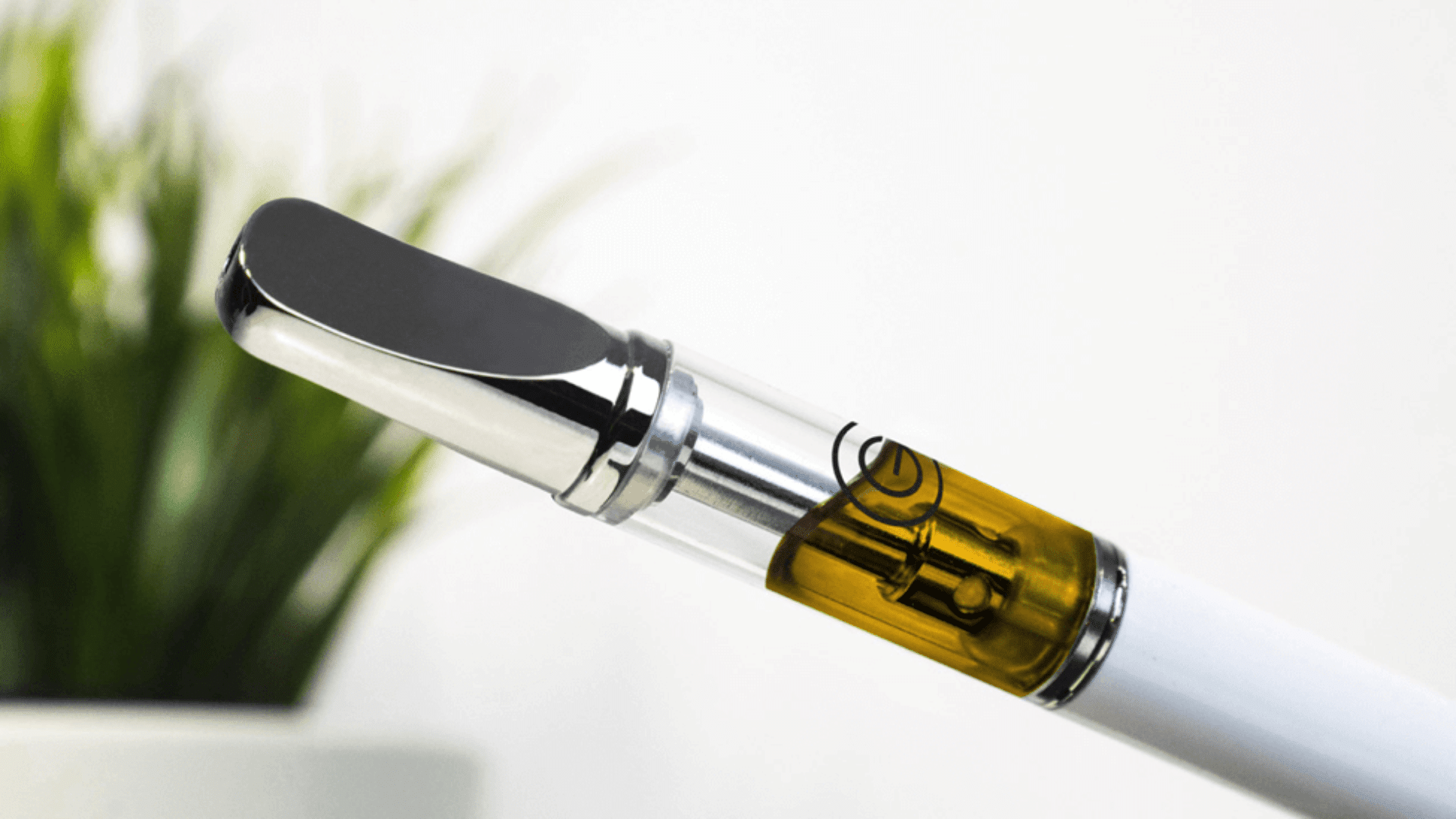
Oil cartridge pens are the most popular because they’re simple and easy to use. Disposable versions are pre-filled and cost $20–$40. Rechargeable 510 pens run $30–60 and work with interchangeable carts, saving money over time.
Popular options include Truffle carts for mellow relaxation and Platinum Truffle carts for stronger euphoria. The 510-thread is the universal standard. THC pens and THCa pens both use it, so one battery covers both.
Who should skip this: Anyone who prefers natural flower flavor or wants maximum potency from concentrates.
In my experience, 510 pens are the easiest starting point. I’ve gone through three different batteries and the rechargeable models always outlast the savings from going disposable.
2. Dab Pens (Wax Pens): Stronger Highs with Cannabis Concentrates
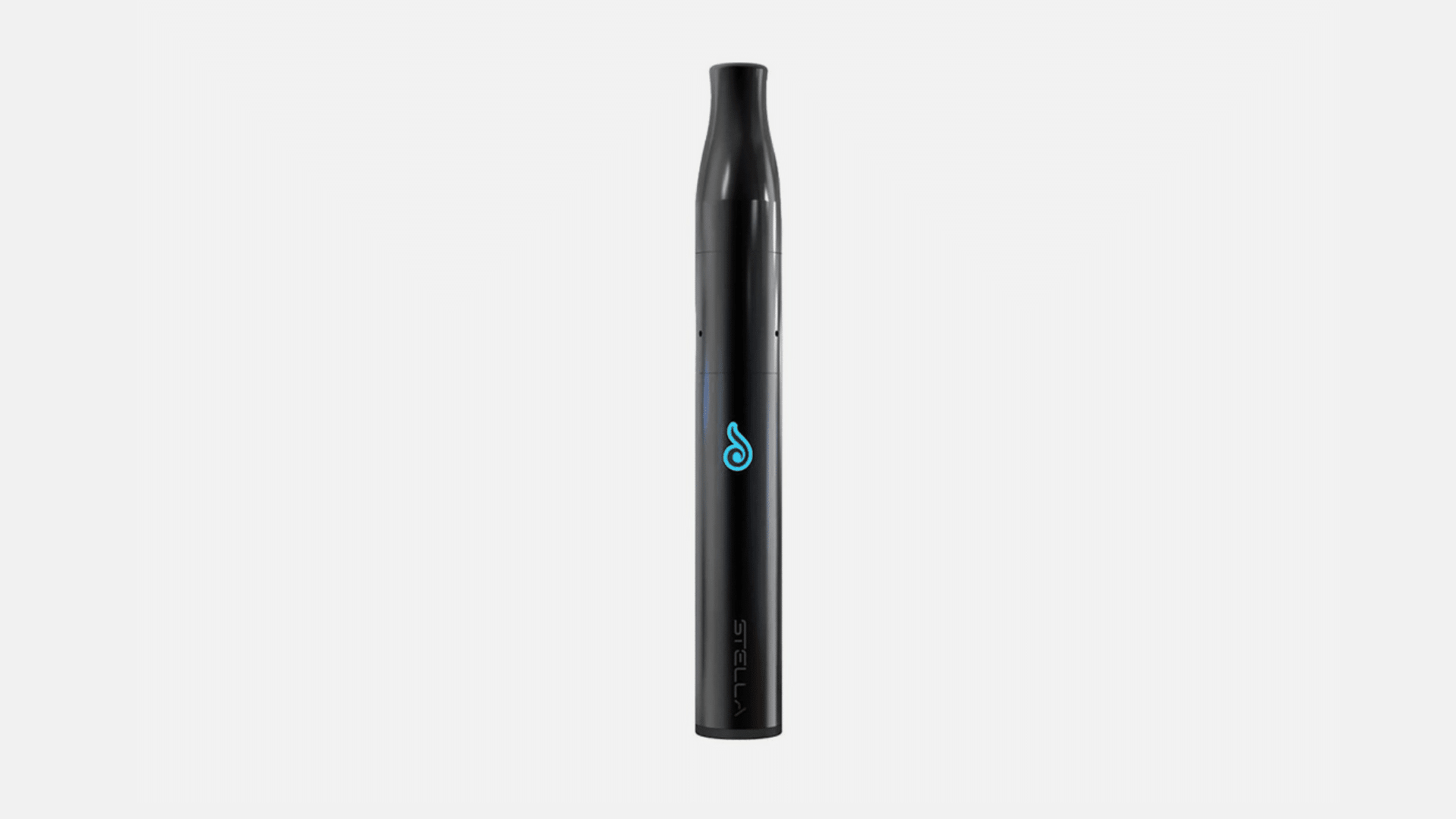
Dab pens, also called wax pens, work with shatter, wax, live resin, and liquid diamonds, a premium mix of THCa crystals and live resin. They heat concentrates at higher temperatures for potent hits, costing $60–$120 plus concentrates.
They need more upkeep and suit experienced users with high THC tolerance. White Truffle live resin is a popular choice, offering a smooth, powerful, balanced high.
Who should skip this: Beginners and anyone sensitive to high THC levels.
Dab pens hit harder than anything else in this list. If you’re newer to cannabis, start somewhere else first, the potency jump from oil carts to concentrates is significant.
3. Dry Herb Pens: Vaporizing Cannabis Flower for Natural Flavor
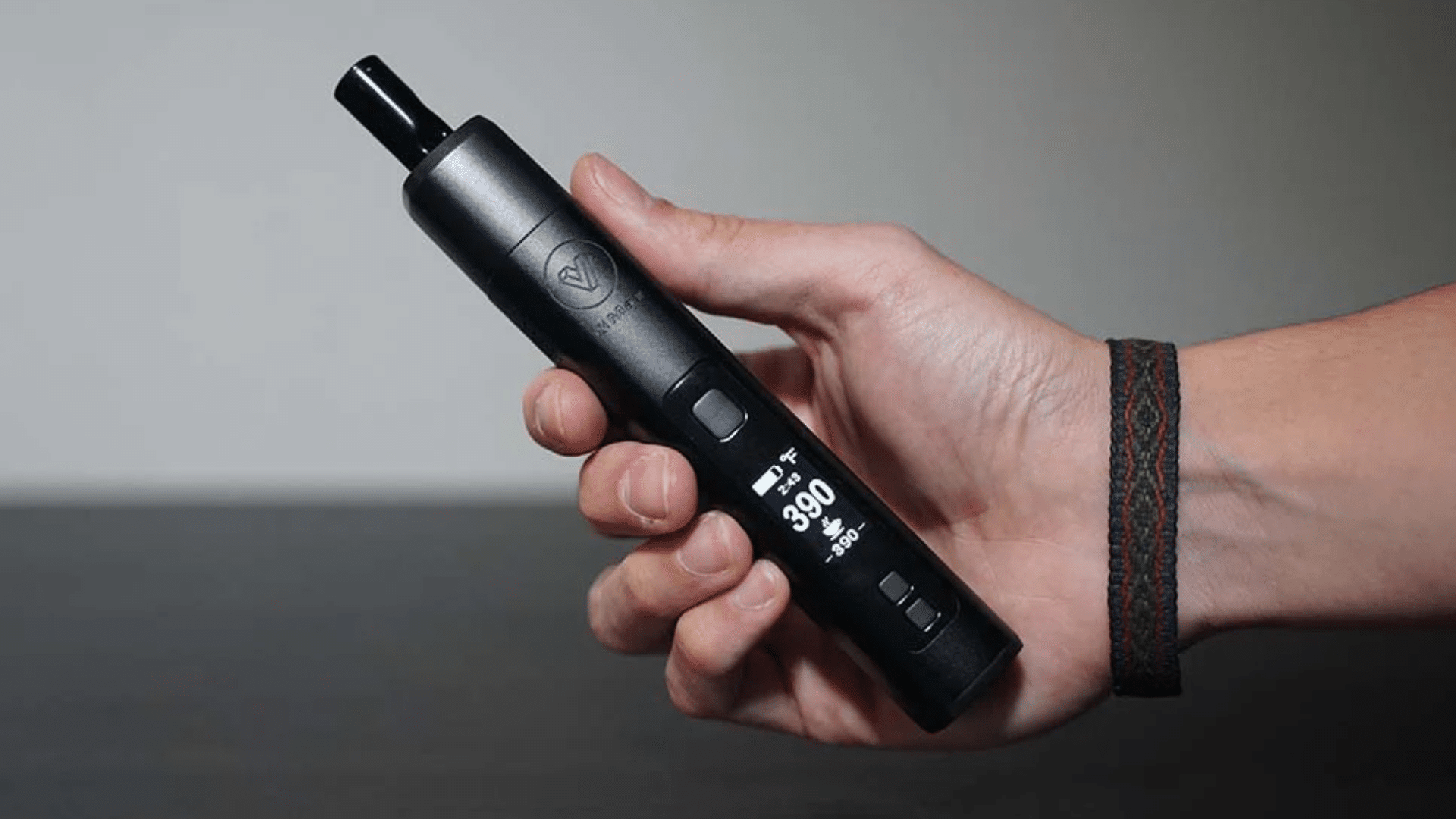
Dry herb pens vaporize ground cannabis flower without combustion, which means it reduces combustion-related toxins compared to smoking a joint or bowl. Prices typically range from $80 to $150.
These pens are bulkier but offer a more natural taste and feel than oils. They’re ideal for traditionalists and flavor-focused users. With proper care, dry herb pens can last several years.
Who should skip this : Anyone who values convenience over flavor, oil carts are faster and easier.
Dry herb pens give you the fullest flavor of any pen type. The tradeoff is more cleaning and a slightly longer warm-up time compared to oil carts.
4. Dual-Use Pens: Flexibility for Flower and Oil Together
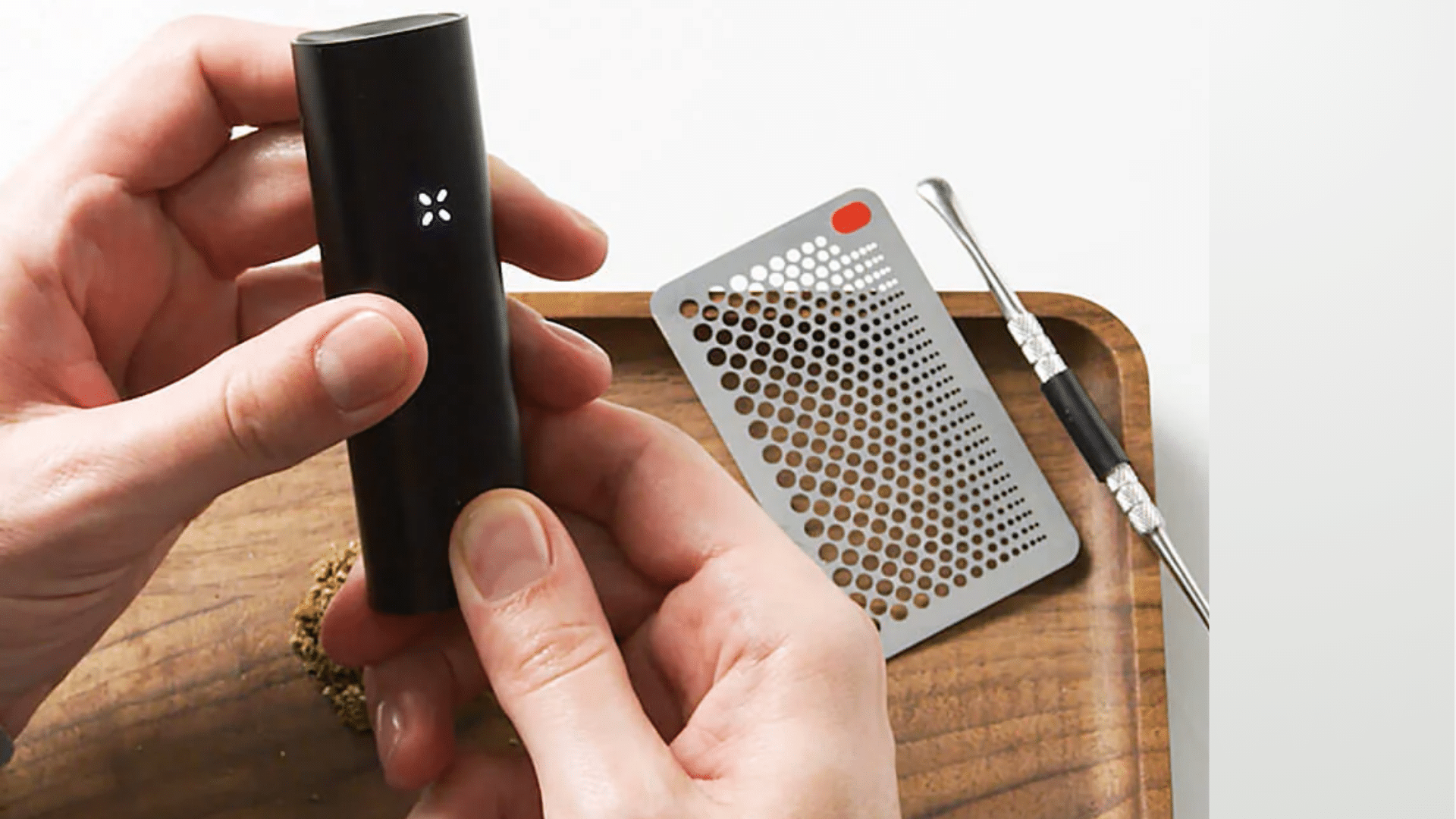
Dual-use pens are versatile devices that allow you to vape both cannabis flower and oils. These pens are more costly, usually between $100 and $180, but they offer flexibility for people who enjoy switching between forms.
While slightly bulkier, they’re convenient for those who don’t want to carry multiple devices. Best suited for mixed-use cannabis fans who want both concentrated effects and natural flower flavor in a single device.
Who should skip this: Anyone who wants a simple, streamlined setup, as carrying one mode is easier than managing two.
Dual-use pens are great in theory. In practice, most users still end up gravitating toward one mode. Worth it if you genuinely switch between flower and oil week to week.
5. Pod System Pens: Brand-Specific Pods for Simplicity
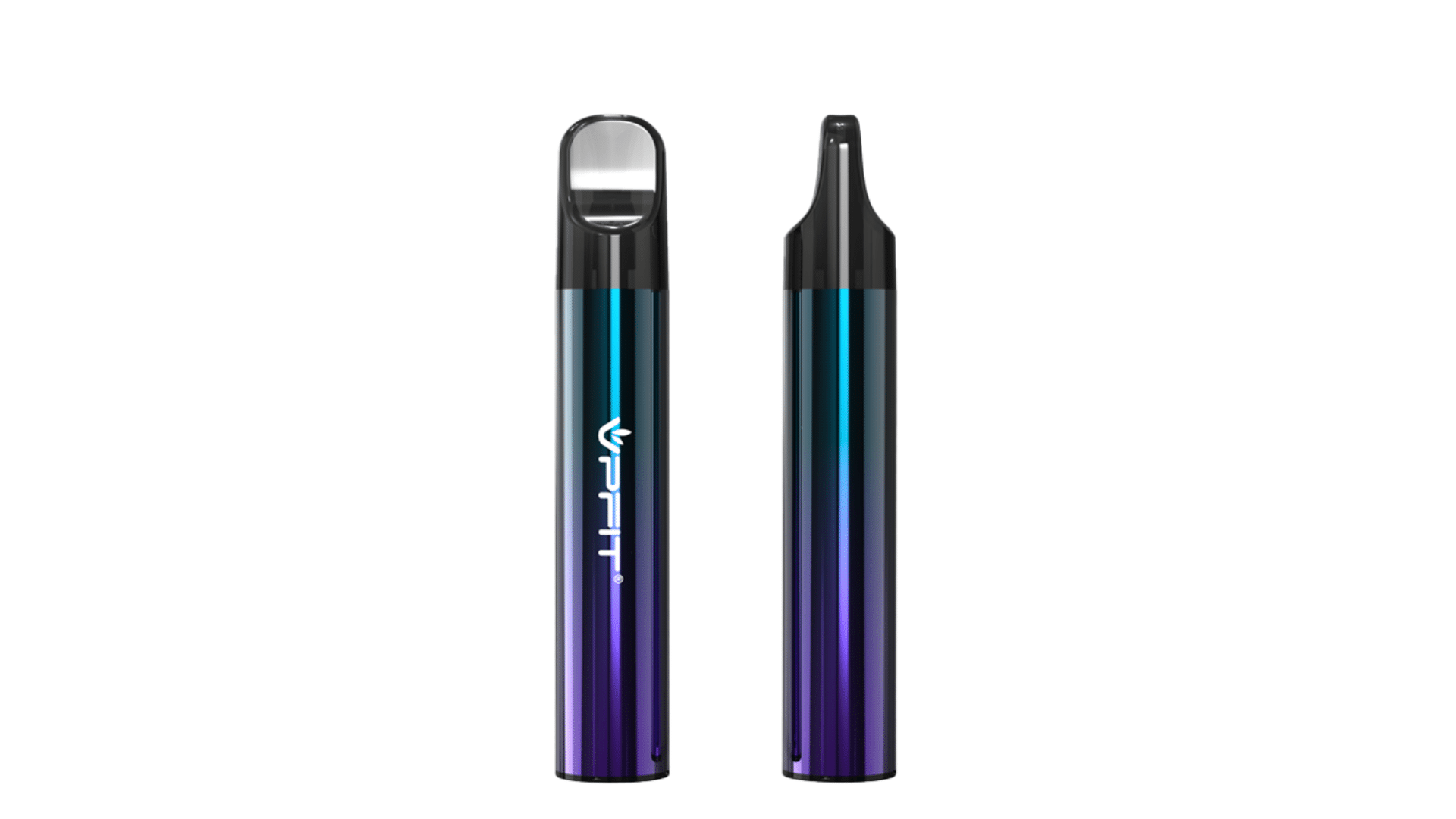
Pod systems use proprietary pods instead of universal 510 carts, offering a sleek, user-friendly setup. They cost $40–80, plus the price of pods, which usually run $30–50. While limited to certain brands, pod systems are compact and easy to carry.
Ideal for loyal brand enthusiasts like Stiiizy or Pax, seeking effortless swapping. Great for simple use and consistent performance, though with fewer options compared to standard 510-thread pens.
Who should skip this: Anyone who wants flexibility, you’re locked into one brand’s pods and pricing.
If you’re loyal to one brand and hate dealing with loose carts, pod systems are genuinely convenient. Just know you’re locked in, switching brands means buying a new battery.
6. CBD, THC, and Hybrid Pens: Different Effects for Medical and Recreational Use
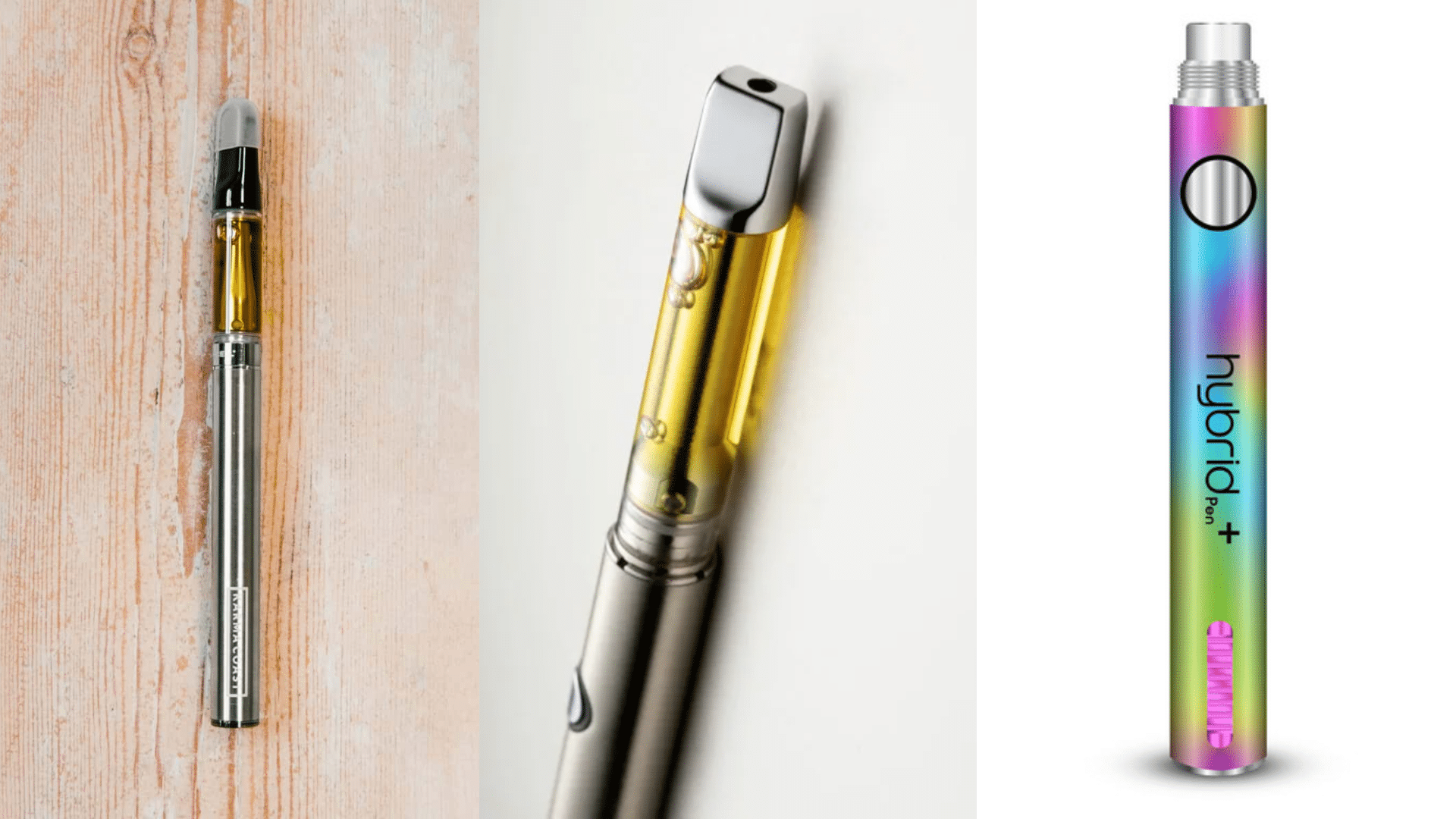
THC pens and CBD pens are the same device; the only difference is what’s in the cartridge. A standard marijuana vape pen can run either a THC cart or a CBD cart, depending on what you load.
CBD pens are ideal for relief without intoxication, and research exploring CBD’s potential for anxiety relief shows why they appeal to medical users. THC pens serve recreational users seeking stronger effects.
Hybrid pens combine both benefits, making them versatile for mixed users and everyday relief.
Who should skip this: Anyone chasing a strong recreational high, CBD pens won’t deliver that experience.
510-Thread vs. Proprietary Pod, Which Should You Choose?
This is the most overlooked decision new buyers make. It affects which carts you can use, the level of flexibility you have, and your long-term costs.
| Feature | 510-thread | Proprietary pod |
|---|---|---|
| Cart compatibility | Works with most brands | Brand-locked only |
| Cart selection | Very wide | Limited to one brand |
| Design | Varies by battery | Sleek, compact |
| Leak risk | Moderate | Lower (sealed design) |
| Long-term cost | More flexible | Higher if the brand is premium |
| Best for | Shoppers who want variety | Brand-loyal users |
If you’re not sure which brand you’ll stick with, start with a 510-thread battery. You can always switch to a pod system later once you know your preferences.
Comparison Table: Weed Pen Types at a Glance
Before you dig deeper, here’s a clear side-by-side comparison of weed pen types so you can quickly weigh your options.
| Cartridge / Concentrate | What It Is | Flavor | Effects | Best Example |
|---|---|---|---|---|
| Distillate | Pure THC extract, high potency, low flavor complexity | Mild, neutral | Strong psychoactive | Any THC-heavy cart |
| Live Resin | Flash-frozen flower extract, terpenes preserved | Rich, aromatic | Full-bodied, strong high | White Truffle live resin |
| Live Rosin | Solvent-free, heat-pressed. Premium option | Smooth, clean | Potent, natural feel | Top-shelf rosin carts |
| Liquid Diamonds | THCa crystals in live resin. Ultra-premium | Intense, terpy | Very potent, euphoric | Top-shelf dab pens |
| Full-Spectrum | Full cannabinoid + terpene profile retained | Complex, strain-dependent | Entourage effect | Mixed carts |
| CO2 Oil | CO2-extracted, no solvents. Clean option | Light, natural | Moderate, balanced | Mid-range carts |
| CBD Oil | High-CBD, non-intoxicating extract | Light, herbal | Relaxation, pain + anxiety relief | Hemp-derived carts |
| Truffle Strain Oils | Earthy, balanced oils from Truffle genetics | Earthy, rich | Truffle = mellow, Platinum = sedating | Truffle, Platinum Truffle |
This overview shows where each weed pen stands in terms of cost, potency, and convenience, making it easier to choose one that matches your lifestyle.
Key Components of Weed Pens Every User Should Know
Understanding the main parts of weed pens helps you choose reliable, safe, and comfortable options for everyday cannabis use.
1. Battery: Disposable or Rechargeable Options
The battery powers the pen and affects how reliable it feels. Disposable batteries are pre-charged and last until the oil runs out. Rechargeable ones connect by USB or magnetic chargers and can be reused with new cartridges.
Some offer voltage settings, letting you adjust vapor strength. A solid battery ensures consistent performance and dependable sessions.
2. Heating Chamber: Conduction or Convection
Understanding how vaporizer temperature affects cannabis delivery matters here, conduction chambers heat material directly on a surface for fast results, but sometimes uneven vapor, while convection chambers pass hot air through cannabis for a smoother, more balanced flavor
Some pens use both methods. The type of heating chamber impacts taste, vapor density, and efficiency, so it’s worth checking before buying.
3. Mouthpiece: Airflow and Comfort
The mouthpiece is simple but important. It shapes airflow and comfort when inhaling. A wider mouthpiece allows for bigger clouds, while a smaller ones focuses more on taste.
Some pens have replaceable designs, but disposable pens usually have fixed tips. Comfortable airflow makes sessions smoother, especially if you vape often or for longer periods.
4. Cartridge or Pod: Pre-Filled or Refillable
Cartridges and pods store the cannabis oil or concentrate. Pre-filled options are ready to use and easy for beginners. Refillable cartridges allow flexibility, letting you choose your own oils or extracts.
Pod systems are tied to specific brands, while 510-thread cartridges work across many pens. Size and capacity also matter, as larger cartridges last longer between changes.
Types of Cartridges & Concentrates
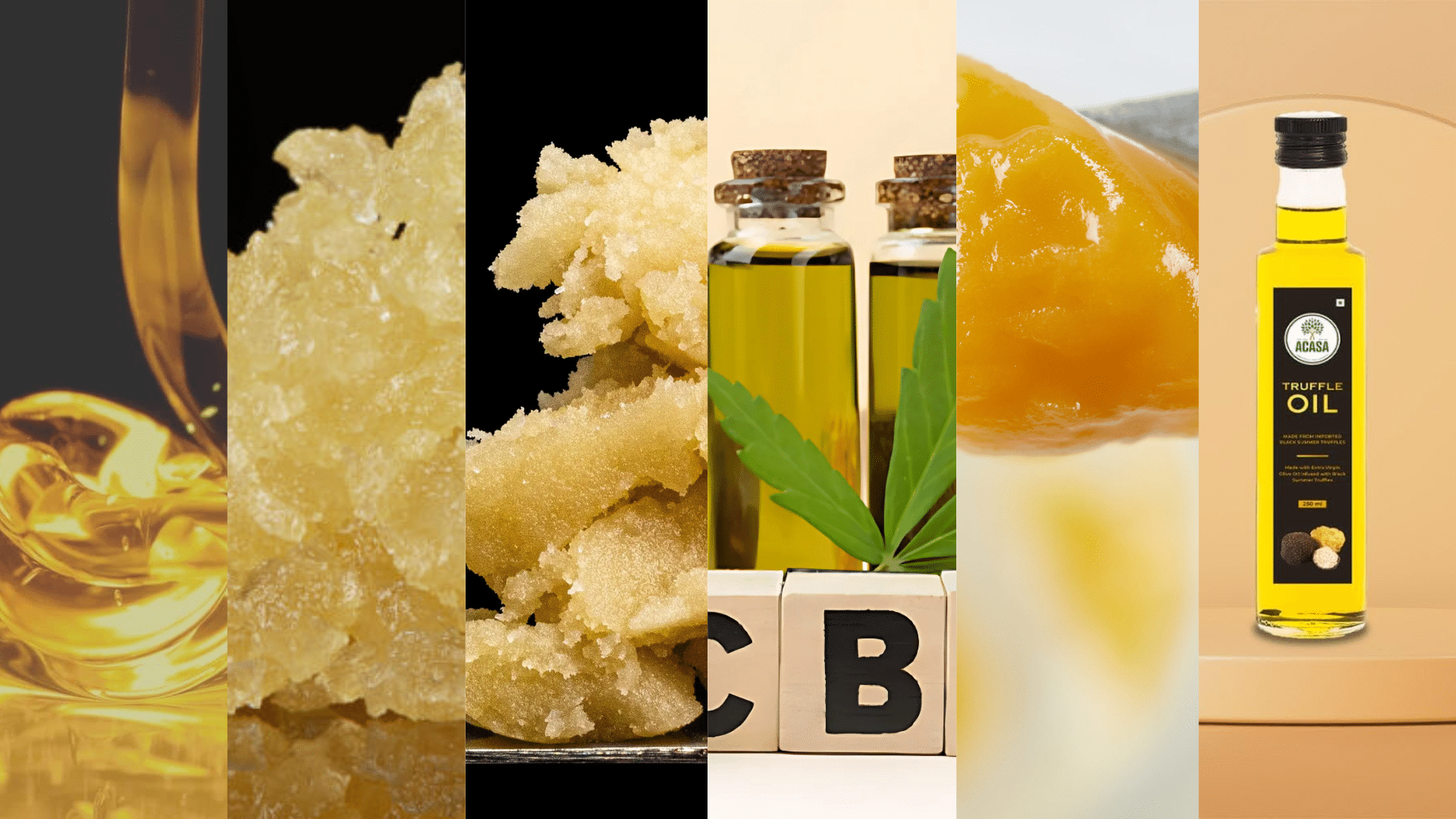
Different cartridges hold unique cannabis extracts, each offering varied taste, strength, and effects. Knowing the differences helps match your preferences.
| Cartridge / Concentrate | Description | Flavor Profile | Effects | Example Strains |
|---|---|---|---|---|
| Distillates | Pure THC extract with high potency but less flavor complexity. | Mild, sometimes neutral | Strong psychoactive effects | Any THC-heavy cart |
| Live Resin | Extracted from flash-frozen flower, preserving terpenes. | Rich, aromatic, flavorful | Stronger, full-bodied high | White Truffle live resin |
| Live Rosin | Solvent-free, pressed with heat and pressure. Premium option. | Smooth, clean | Potent yet natural effects | Top-shelf rosin carts |
| CBD Oil | Non-intoxicating, high-CBD extract for relief. | Light, herbal | Relaxation, pain, and anxiety relief | Hemp-derived carts |
| Full-Spectrum Extracts | Retains cannabinoids and terpenes for balanced results. | Complex, strain-dependent | The entourage effect is a more natural experience | Mixed carts |
| Truffle Strain Oils | Earthy, balanced flavor with varied effects. | Earthy, rich | Platinum Truffle = sedating, Truffle = mellow relaxation | Truffle, Platinum Truffle |
Choosing the right cartridge depends on desired effects, flavor preference, and strain strength, making it easier to match personal needs. Vitamin E acetate has been linked to vaping-related lung injury by the CDC, found in lung fluid samples of hospitalized patients across multiple states.
How to Spot a Safe Weed Cart
Not all carts are equal. Low-quality cartridges, especially from unlicensed sources, can contain harmful additives. Here’s what to check before you load any vape pen for weed.
- Buy from licensed dispensaries only. Gas stations and unlicensed shops don’t require lab testing.
- Look for a COA (Certificate of Analysis). Reputable brands post third-party lab results on their website. It confirms potency and shows whether harmful additives are present.
- Avoid these additives: Vitamin E acetate, polyethylene glycol (PEG), and MCT oil. All three have been linked to lung irritation or worse.
- Check state compliance labels. Legal carts in regulated states carry a batch number, THC percentage, and harvest date.
- If the price seems too low, it usually is. Premium live resin and liquid diamonds cost more because the extraction process is more involved.
A few seconds of label-checking can protect you from a bad experience, or worse. This applies to all types of weed pens, from disposables to dab pens.
Temperature and Voltage Guide
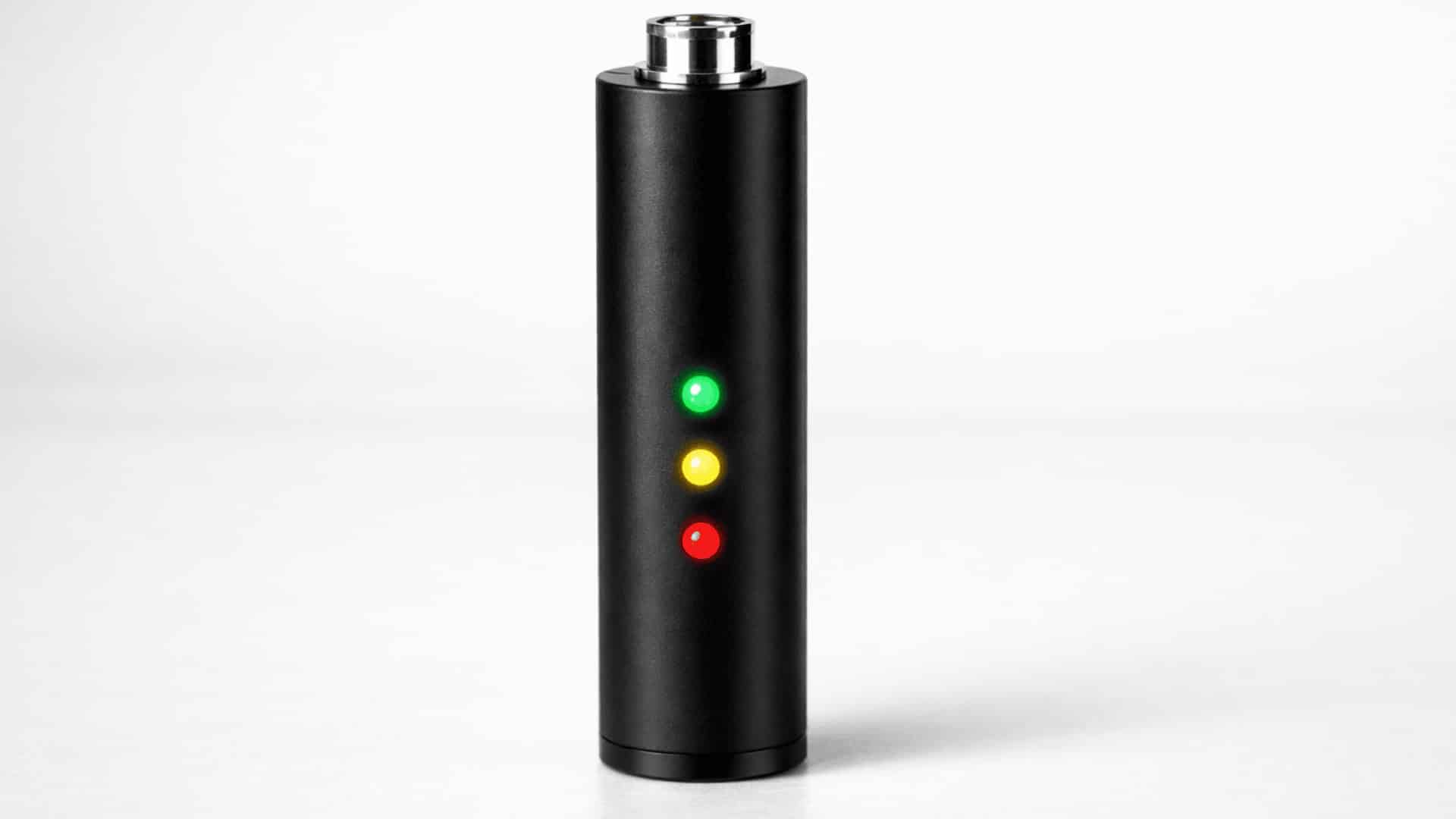
Most oil cart pens let you adjust the voltage. Getting this right changes everything: flavor, vapor density, and how strong the effects feel.
| Voltage | Vapor type | Best for | Risk |
|---|---|---|---|
| 2.0–2.4V | Light, flavorful | Terpene-rich carts, CBD | Weak hits |
| 2.5–3.3V | Balanced | Most THC oil carts | Sweet spot for most users |
| 3.4–4.0V | Dense, intense | Thick distillates | Burnt taste if too high |
Always start at the lowest setting and work up. Thicker oils, such as distillates, require higher voltage to vaporize properly. Live resin and live rosin perform best at lower settings to preserve terpenes and flavor.
Pros & Cons of Weed Pens
Weed pens have benefits and drawbacks. Knowing both sides helps you decide if they fit your budget, lifestyle, and health needs.
Pros
Weed pens are popular because they’re simple, discreet, and convenient. Many people choose them as an affordable entry into vaping cannabis.
- Portable: Small and easy to carry anywhere.
- Discreet: Minimal odor and low vapor output.
- Easy to use: Inhale or press a button to activate.
- Cheaper upfront: Disposable pens cost less initially than advanced devices.
- Faster onset: Effects are felt more quickly than with edibles.
Cons
Despite convenience, weed pens also have downsides worth considering. These include waste, cost over time, and potential safety concerns.
- Disposable waste: Many single-use pens contribute to electronic and plastic waste.
- High cartridge cost: Refills and pre-filled carts can add up quickly.
- Safety risks: Low-quality carts may contain unsafe additives.
- No temperature control: Some pens limit customization for vapor strength or taste.
How to Choose the Right Weed Pen
The best weed pen is the one that fits your lifestyle, not just your budget. Use this as a quick decision guide.
- New to weed pens?→ Start with a disposable or rechargeable 510 oil cart
- Want the strongest effects?→ Go with a dab pen and concentrates
- Prefer the feel of smoking flower?→ Dry herb pen is your closest match
- Want brand simplicity?→ A pod system (Stiiizy, Pax) keeps it easy
- Use both oil and flower?→ A dual-use pen saves you from carrying two devices
- Focused on relief without a high?→ CBD oil cart pen is the right fit
- Use both THC and CBD? → A hybrid cart in a standard 510 pen covers both
- In a state with delta-9 restrictions? → A THCa oil cart pen gives comparable effects to any 510 battery
Whatever your reason for vaping, there’s a weed pen type built for it. The clearer you are on your priorities, potency, flavor, convenience, or cost, the easier the decision gets.
Beginner’s Guide: How to Use a Weed Pen
Start by charging the pen fully so the battery is ready for consistent use. A weak charge can cause uneven vapor or poor hits.
Next, attach or load your material; this could be a pre-filled cartridge, wax concentrate, or ground flower, depending on the pen type.
If your pen has voltage settings, start at the lowest and increase only if the vapor feels too light. Most users find 2.5–3.0V is the sweet spot for oil carts.
Adjust the heat settings if your device allows. Lower heat preserves flavor, while higher heat delivers stronger, more intense effects.
When inhaling, take gentle pulls instead of deep hits. Slow, steady draws give better vapor and prevent coughing or wasted cannabis.
If your pen is reusable, clean it regularly. Removing clogs, residue, and leftover material keeps the airflow smooth and extends device life.
Common mistakes include overfilling chambers, pulling too hard on the mouthpiece, and ignoring small clogs that affect vapor quality. Avoid these for smoother sessions.
Common Weed Pen Problems and Fixes
Common weed pen issues are frustrating, but most have quick fixes. Knowing the causes helps keep your sessions smooth.
Problems You Might Face
Weed pens can develop small issues that affect performance. Some common problems include:
- Pen not hitting or producing vapor
- Weak or inconsistent vapor output
- Burnt or harsh taste while inhaling
- Leaking cartridges or sticky connections
- Pen tastes burnt on the very first hit of a new cart.
Fixes That Work
Most of these issues are easy to solve. If your pen isn’t hitting, check the airflow holes and battery connection. Weak vapor usually means the cartridge is clogged; warm it gently, or unclog the mouthpiece.
A burnt taste often comes from high heat, so lower the temperature or swap the coil. If it’s a new cart, prime it first, take 2–3 short unpowered puffs to wick the oil into the coil before your first powered hit.
Leaks are reduced by storing carts upright and avoiding overtightening. For ongoing maintenance, following FDA guidance on vaping product safety means never modifying your device or adding substances not intended by the manufacturer.
Desktop vs. Portable Vaporizers: A Quick Note
Before you choose between portable and desktop, here’s a quick breakdown of how they compare across the factors that matter most.
| Feature | Weed Pen (Portable) | Desktop Vaporizer |
|---|---|---|
| Portability | Yes, pocket-friendly | No, plugs into a wall |
| Heat control | Basic to moderate | Advanced, precise |
| Chamber size | Small | Large |
| Vapor consistency | Good | Best |
| Ease of use | Very easy | Moderate |
| Best for | On-the-go use | Home sessions |
| Price range | $20–180 | $150–700+ |
For most people, a portable weed pen covers everything they need. Desktop vaporizers are worth considering only if you vape primarily at home and want the best possible session quality.
Frequently Asked Questions
What is the most common type of weed pen?
Oil cartridge pens are the most popular type. They’re easy to use, widely available, and work with the standard 510-thread connection found on most batteries. Disposable THC pens fall under this category and are the go-to for beginners.
What is the difference between a weed pen and a dab pen?
A weed pen typically uses pre-filled oil cartridges. A dab pen uses solid concentrates like wax, shatter, or liquid diamonds. Dab pens run hotter and deliver stronger effects, not ideal for beginners.
Are weed pens the same as THC pens?
Yes. THC pens, marijuana vape pens, and weed pens all refer to the same type of device. The name changes depending on context, but the hardware is identical.
What is a weed pin?
“Weed pin” is a common misspelling of “weed pen.” They’re the same thing: a small, portable vaporizer for cannabis oil, concentrate, or flower.
Are weed pens safe?
Pens from licensed dispensaries using clean, lab-tested extracts carry a lower risk than smoking. The main danger comes from unregulated carts containing harmful additives, such as vitamin E acetate. Always check the COA and buy from licensed sources.
How long does a THC pen cartridge last?
A 0.5g cart typically delivers 75–150 puffs, depending on draw length and voltage. A 1g cart roughly doubles that. Higher voltage settings drain carts faster.
What is a THCa weed pen?
A THCa pen uses THCa extract, which converts to THC when the coil heats it. It works like a standard marijuana vape pen but uses a different extract. Popular in states where delta-9 products face restrictions.
What is the best vape pen for weed for beginners?
A disposable THC pen or a rechargeable 510 oil cart pen. Both require no loading, no maintenance, and minimal setup. Start at a low voltage (2.0–2.5V) and work up from there.
The Bottom Line
Now you’ve seen how every weed pen type stacks up, from disposable oil carts to dab pens, dry herb vaporizers, and THCa pens. Whatever you call it, a weed pen, THC pen, marijuana vape pen, or even a weed pin, the right choice comes down to your format preference, tolerance, and lifestyle.
If you want something simple, a disposable or rechargeable THC pen is a solid start. If you care more about long-term value, refillables win. And if stronger effects are your goal, dab pens with concentrates are hard to beat.
Whatever you choose, prioritize safety: buy from licensed sources, check for a COA, and avoid carts with harmful additives. Ready to go deeper? Check out my other guides on vape pens for weed, specific strains, and concentrate types to keep building your knowledge.