
If you’ve been struggling with depression or restless nights, you might have turned to trazodone for relief.
I know how tough it can be to find a solution that works, and trazodone is often prescribed to help rebalance brain chemistry, lift your mood, and promote peaceful sleep.
While it’s not typically considered addictive, it’s still important to be aware of the possibility of dependence, especially if you’ve been using it for a while.
Let’s learn what trazodone withdrawal really involves, what symptoms you might experience, when they usually start, and how long they last, so you can raise this process with confidence and clarity.
Understanding Trazodone and How It Works
Trazodone is an atypical antidepressant primarily used to treat major depressive disorder, anxiety, and insomnia. It works by increasing serotonin levels in the brain, a neurotransmitter that helps regulate mood and sleep.
By blocking the reuptake of serotonin, Trazodone raises its availability, which can improve symptoms of depression and anxiety while promoting better sleep.
Though not a first-line treatment for depression, it’s often prescribed when other antidepressants are ineffective or poorly tolerated.
Trazodone is also used off-label for conditions like PTSD, fibromyalgia, and sleep disorders, providing relief from symptoms beyond its approved uses.
Why Does Trazodone Cause Withdrawal?

Trazodone causes withdrawal symptoms due to the way it influences serotonin levels in the brain. The drug works by increasing serotonin levels, which help regulate mood and sleep.
When you suddenly stop taking Trazodone, your brain experiences an imbalance in serotonin levels, as it has become dependent on the drug to maintain higher levels of this neurotransmitter. This imbalance can lead to withdrawal symptoms such as anxiety, irritability, and insomnia.
To minimize these effects, it’s recommended to gradually taper off the medication under the guidance of a healthcare provider.
Slowly reducing the dosage allows your brain to adjust to the change in serotonin levels, helping to avoid the intense withdrawal symptoms that can occur with abrupt cessation.
Detailed Withdrawal Timeline of Trazodone
The timeline for Trazodone withdrawal can vary, but here’s a general overview of what to expect as symptoms progress.
| Withdrawal Phase | Duration |
|---|---|
| Early Withdrawal (Days 1-2) | Headaches, dizziness, irritability (1-2 days) |
| Acute Withdrawal (Week 1) | Nausea, mood swings, and insomnia worsen (3-7 days) |
| Peak Withdrawal (2-3 Weeks) | Most intense effects: mood swings, anxiety, brain zaps (2-3 weeks) |
| Subacute Withdrawal (3-6 Weeks) | Gradual reduction of effects; psychological issues may linger (3-6 weeks) |
| Complete Resolution (6 Weeks Onward) | Most effects resolve, though some may linger for a small group (6+ weeks) |
The withdrawal experience is unique to each individual, and the duration of symptoms can vary based on several factors, including the length of use and tapering method.
What Symptoms Can You Expect During Trazodone Withdrawal?
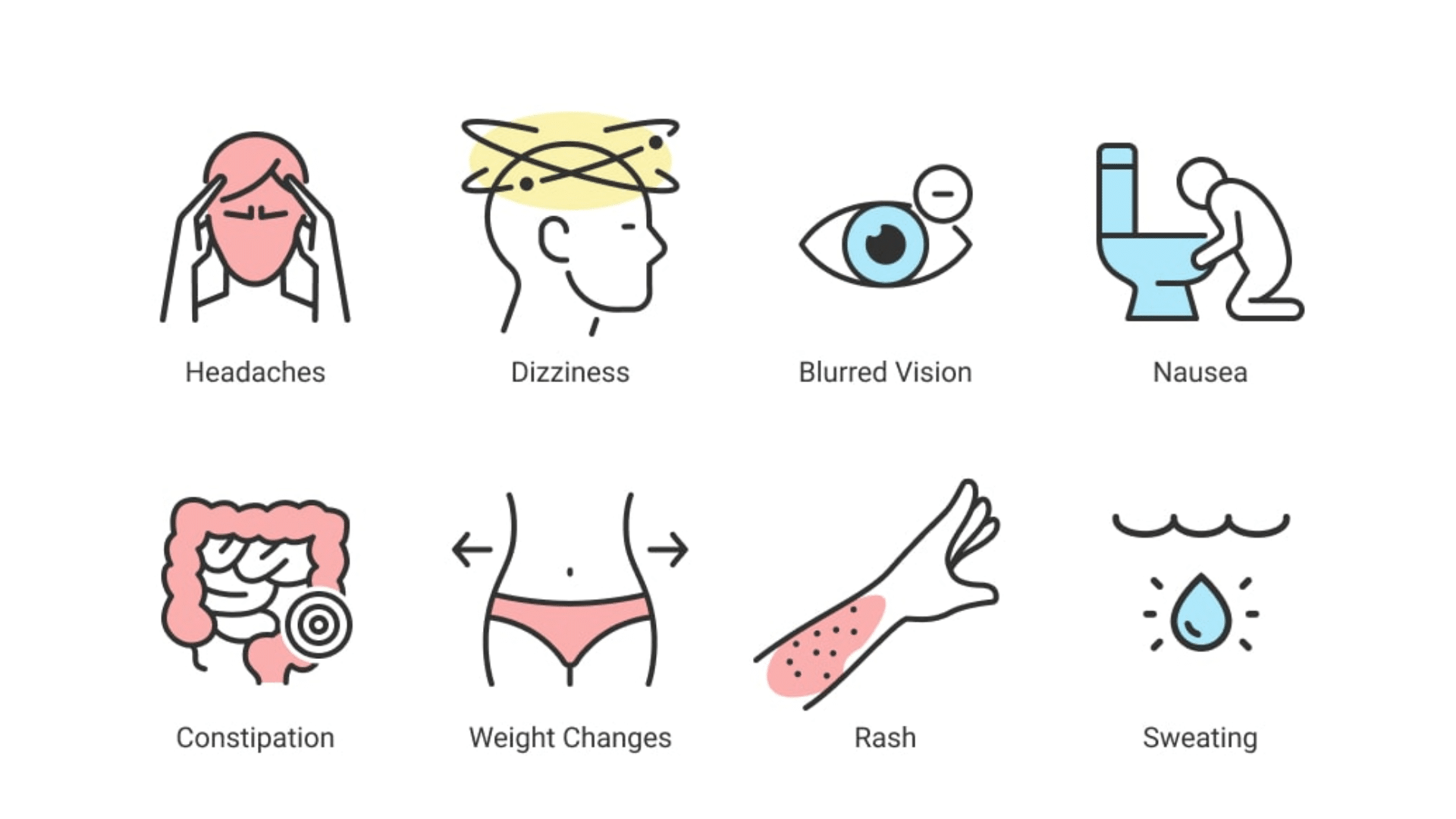
Trazodone withdrawal can cause both physical and psychological symptoms as the body adjusts to the absence of the drug.
Physical Symptoms
When discontinuing Trazodone, the body may experience several physical symptoms as it adjusts.
- Headaches: Many people report headaches as a common withdrawal symptom. These can range from mild to severe.
- Dizziness: Feeling lightheaded or dizzy, especially when standing up quickly, is common during withdrawal.
- Nausea: Some individuals experience nausea, which may be accompanied by a lack of appetite.
- Fatigue: Feeling unusually tired or drained, even after adequate rest, is a frequent symptom.
- Muscle Aches: Muscle soreness or generalized body aches may occur as the body goes through withdrawal.
- Brain Zaps: Brief, electric shock-like sensations in the head can happen during withdrawal, though not everyone experiences them.
- Flu-like Symptoms: Withdrawal can feel similar to having the flu, including symptoms like chills, fever, and fatigue.
Psychological Symptoms
Trazodone withdrawal can also significantly affect mental and emotional well-being.
- Irritability: Many people feel easily irritated or frustrated during withdrawal, especially in the first few days.
- Anxiety: Increased anxiety or nervousness is a common psychological symptom during this time.
- Depression: Some individuals may experience a return or intensification of depression symptoms after stopping Trazodone.
- Mood Swings: Rapid shifts in mood, from extreme irritability to sadness, are often reported.
- Insomnia: Difficulty sleeping is a key symptom, especially for those who use Trazodone to treat insomnia.
- Vivid Nightmares: Disturbing or vivid dreams can become more frequent during withdrawal.
- Brain Fog: Mental sluggishness, difficulty concentrating, and poor memory are common during this period.
Managing Trazodone Withdrawal Effectively
Tapering off Trazodone gradually is the most effective way to reduce withdrawal symptoms, allowing your body to adjust to lower serotonin levels.
A healthcare provider can help create a personalized tapering plan. Medical supervision is crucial, especially for long-term users, to ensure safe withdrawal and monitor progress.
For symptom management, address common effects like insomnia and anxiety. Avoid caffeine, create a calming bedtime routine, and consider breathing exercises or therapy.
Staying hydrated, eating well, and engaging in light physical activity can also help reduce fatigue and muscle aches.
When to Seek Professional Help for Trazodone Withdrawal
If Trazodone withdrawal symptoms become unmanageable, it’s important to seek professional help. Symptoms such as severe mood swings, suicidal thoughts, or extreme agitation should never be ignored. If you experience these, immediate attention from a healthcare provider is essential.
For those undergoing severe withdrawal or using multiple substances, medical detox may be necessary. Medical professionals can safely guide you through the withdrawal process, manage complications, and provide medications or other interventions to ease the experience.
Even after the acute withdrawal phase, long-term support is crucial. Therapy or counseling can help address the underlying mental health conditions that may have contributed to Trazodone use. Ongoing treatment ensures a smoother recovery process and reduces the risk of relapse.
Alternative Therapies to Aid Withdrawal
Holistic approaches, such as acupuncture, meditation, and yoga, can help manage withdrawal symptoms by promoting relaxation and reducing stress.
Herbal remedies like valerian root may aid sleep and ease anxiety, offering a natural option for those struggling with insomnia.
Clinical studies have shown that these therapies can be effective in reducing symptoms of withdrawal. For instance, a study published in the Journal of Alternative and Complementary Medicine found that acupuncture significantly reduced anxiety and physical discomfort in individuals undergoing withdrawal.
Similarly, research in the Journal of Clinical Psychology highlights that mindfulness techniques can effectively manage emotional stress and improve focus during withdrawal, aiding in the emotional regulation necessary for recovery.
Additionally, peer support groups and therapy are crucial during this process. Engaging in a support group provides shared experiences and emotional support, helping individuals stay motivated and connected as they steer away from withdrawal.
Comparing Trazodone Withdrawal to Other Antidepressants
Withdrawal experiences from Trazodone and other antidepressants, like SSRIs and SNRIs, vary based on individual factors such as dosage.
| Antidepressant | Duration of Withdrawal | Key Differences |
|---|---|---|
| Trazodone | 3-6 weeks, with peak effects at 2-3 weeks | Unique brain zaps, longer timeline for some |
| SSRIs | 2-4 weeks | Faster onset of withdrawal, can be more intense |
| SNRIs | 2-3 weeks | More intense physical effects, like dizziness |
The withdrawal experience varies for everyone, even when taking the same medication. Factors such as dosage, duration of use, and individual health conditions significantly impact how symptoms manifest and how long they last.
It’s crucial to approach withdrawal with professional guidance, as each person’s response can differ, regardless of the medication type.
Bottom Line
Trazodone withdrawal can feel confusing, but you’re not powerless in this process. I always remind you that understanding what may happen helps reduce fear and gives you more control.
Your symptoms might include sleep changes, mood shifts, or headaches, but with proper tapering and support, they usually improve over time. The safest step you can take is working closely with your doctor instead of stopping suddenly.
A gradual plan allows your brain to adjust more smoothly. If symptoms feel overwhelming, reach out for help right away. You deserve steady support during this transition.
If this helped you, take a moment to read my other guides on medication withdrawal and recovery support for more clear, practical information