Recently, I thought of my kidneys as quiet heroes, silently keeping my body in balance. Earlier, I used to think kidneys only mattered if someone was really sick.
Turns out, they work every single day to clean our blood, remove waste, and keep fluids balanced. What surprised me the most was learning that some common medicines can quietly hurt them over time.
Pain relievers, antibiotics, and even stomach or heart meds can cause kidney problems when they’re taken too often, at high doses, or without enough water.
Here, I’m going to talk about the top 10 drugs that cause kidney damage, explain how they affect the kidneys, and share the risks. I’ll also cover ways to protect kidney health while still taking needed medication.
Kidney Health: Why It Matters & Risky Drugs
Your kidneys act like filters. They remove waste products from the blood, remove excess water, and maintain healthy levels of salt and minerals.
When the kidneys work well, the whole body feels better. When they don’t, waste can build up and cause serious health problems.
Some medicines can put stress on the kidneys. This is called Nephrotoxicity, which simply means kidney damage caused by drugs. This damage may happen slowly, especially with long-term use or high doses.
According to research published in the National Center for Biotechnology Information (NCBI), drug-induced toxicity accounts for approximately 20% of all cases of acute kidney injury. That makes it one of the most common and preventable causes of kidney damage.
Certain people face a higher risk, including older adults, those who don’t drink enough water, and anyone with existing kidney problems.
How Drugs Damage Kidneys: Three Main Mechanisms
Not all kidney-damaging drugs work the same way. Understanding the mechanism helps you understand why certain precautions (like drinking water) matter for some drugs but not others:
- Reduced blood flow: Some drugs (especially NSAIDs and certain blood pressure medications) constrict the blood vessels supplying the kidneys, depriving them of oxygen and reducing their filtering capacity.
- Direct tubular injury: Some drugs (like certain antibiotics and chemotherapy agents) are filtered through the kidney tubules and directly damage the tubule cells during that process.
- Crystal formation: Some drugs (such as certain antivirals) are poorly soluble in urine and can crystallize in the kidney tubules, blocking urine flow and causing injury. This is why hydration is especially important with these medications.
A fourth mechanism, acute interstitial nephritis, involves an immune/allergic reaction to a drug that causes inflammation inside the kidney tissue. This can occur with antibiotics, PPIs, and NSAIDs.
Know Your eGFR
Your estimated glomerular filtration rate (eGFR) is the primary measurement of kidney function. It’s calculated from a routine blood test and tells your doctor how well your kidneys are filtering waste. A normal eGFR is above 60 mL/min/1.73m².
If your eGFR is below 60, many standard drug doses become unsafe and will need adjustment. If you take any of the medications on this list regularly, ask your doctor to include an eGFR check in your next blood work.
Drugs that Cause Kidney Damage
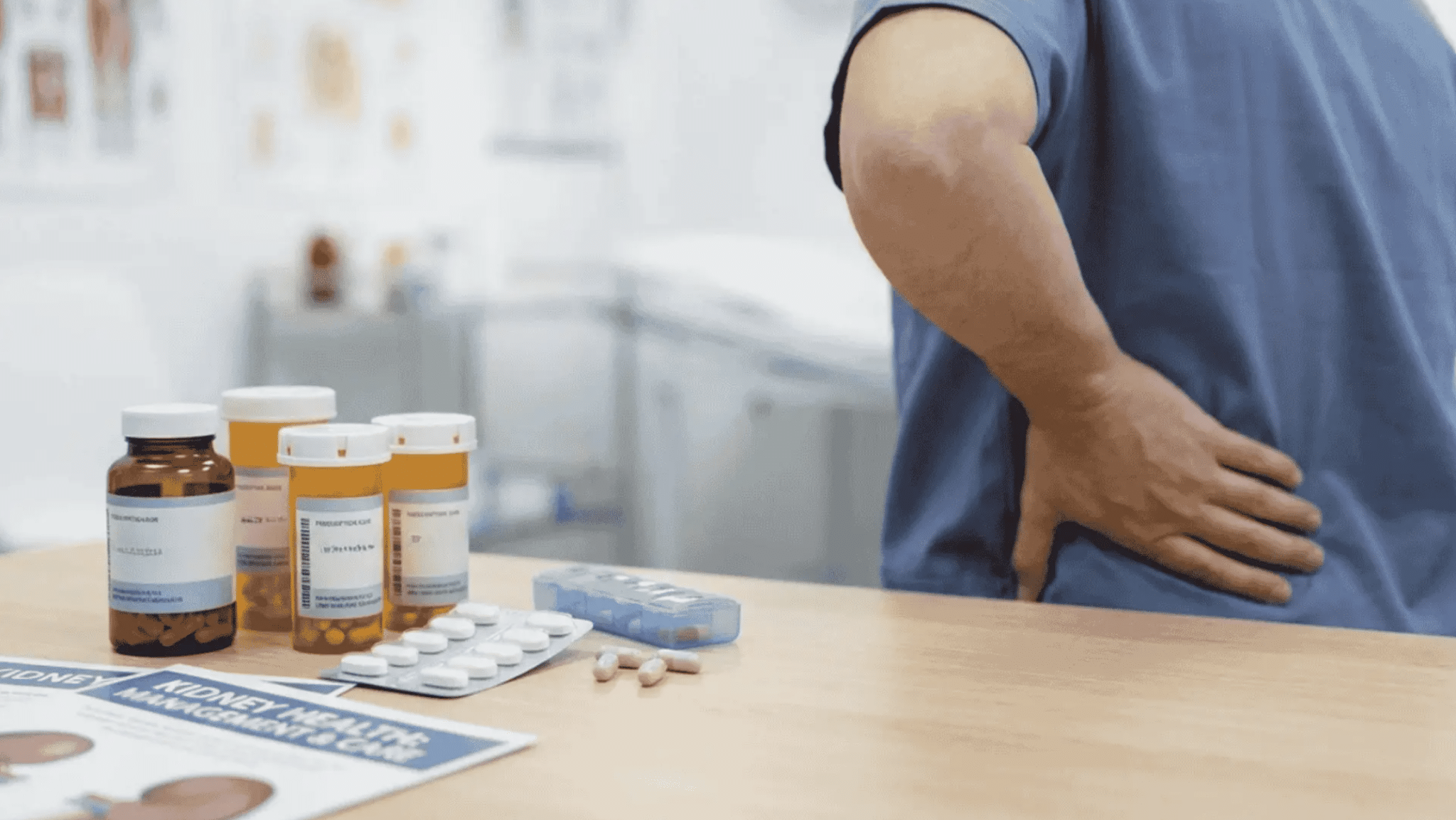
1. NSAIDs (Ibuprofen, Naproxen, Aspirin)
These are pain relievers you probably see in many homes. They help with headaches, muscle pain, or swelling.
But using them too often or in large doses can reduce blood flow to the kidneys, making it harder for them to filter waste. Over time, this can cause long-term kidney damage.
NSAIDs work by blocking prostaglandins, hormones that, among other things, help maintain blood flow to the kidneys.
This is why they’re particularly dangerous in people who are already dehydrated, elderly, or taking other medications that affect kidney blood flow.
The National Kidney Foundation recommends avoiding regular long-term NSAID use regardless of whether they’re prescription or over-the-counter.
Safety tip: Only take them as needed, never overuse, and drink plenty of water. Avoid combining NSAIDs with ACE inhibitors or diuretics without medical guidance.
2. Acetaminophen (Tylenol) – Overuse Risk
Acetaminophen is widely considered safer on the kidneys than NSAIDs when used as directed. However, taking more than the recommended dose, or taking it regularly over long periods, can cause serious kidney damage.
Chronic high-dose acetaminophen use has been linked to a condition called analgesic nephropathy, where the kidney tissue gradually breaks down.
People with existing kidney disease are at higher risk. The maximum recommended dose is 3,000–4,000 mg per day for healthy adults, but lower limits apply to older adults, those with liver issues, and anyone who drinks alcohol.
Safety tip: Never exceed the recommended dose. Check all your medications for acetaminophen content, it’s hidden in many combination cold and flu products, which can lead to accidental overconsumption.
3. Antibiotics (Vancomycin, Aminoglycosides, Cephalosporins)
Antibiotics fight bacterial infections, but some strong ones can stress or irritate kidney cells, especially when given in high doses or for a long time. This can sometimes cause inflammation in the kidneys.
Aminoglycosides (such as gentamicin and tobramycin) are among the most kidney-toxic antibiotics available and are typically reserved for serious infections in hospital settings where kidney function can be closely monitored.
Vancomycin nephrotoxicity risk rises significantly when it’s combined with other nephrotoxic agents.
Some people also have allergic reactions to antibiotics that trigger acute interstitial nephritis, an immune-driven kidney inflammation that can progress silently.
Safety tip: Always take antibiotics exactly as prescribed. Never skip doses or take leftover medicine without a doctor’s advice.
4. Proton Pump Inhibitors (Omeprazole, Pantoprazole)
These drugs reduce stomach acid and are often used for heartburn or acid reflux. While they are safe for short-term use, long-term use has been linked to slow kidney damage in some people.
Research has linked chronic PPI use to acute interstitial nephritis (kidney inflammation), acute kidney injury, and possibly chronic kidney disease with long-term use.
The National Kidney Foundation advises people with chronic kidney disease to avoid over-the-counter PPIs without medical supervision.
If you need a PPI regularly, H2 blockers (like Pepcid or Tagamet) are generally considered less harmful to the kidneys and may be worth discussing with your doctor.
Safety tip: Don’t use PPIs for months or years without checking in with a doctor. Get your kidney function tested regularly if you take them often.
5. ACE Inhibitors & ARBs (Lisinopril, Losartan)
These medicines help control blood pressure and protect the heart. They are generally safe but can strain the kidneys if you’re dehydrated or already have kidney problems.
Importantly, ACE inhibitors and ARBs can also raise potassium levels in the blood (a condition called hyperkalemia), which poses its own cardiovascular risks in people with reduced kidney function.
The risk of kidney strain with these medications multiplies when they are combined with NSAIDs or diuretics, a common combination in older adults being treated for multiple conditions simultaneously.
Safety tip: Stay hydrated, and your doctor may check your blood regularly to monitor kidney function and potassium levels.
6. Diuretics (Furosemide, Hydrochlorothiazide)
Also called “water pills,” these help your body get rid of extra salt and water. If you take too much or don’t drink enough fluids, your kidneys can dry out, making it hard for them to do their job.
Diuretics are especially risky when combined with NSAIDs or ACE inhibitors. This triple combination, sometimes called the “triple whammy” in nephrology, dramatically reduces blood flow to the kidneys and is a well-documented cause of acute kidney injury in older adults.
Safety tip: Take only the prescribed dose and drink enough water unless your doctor tells you otherwise.
7. Chemotherapy Drugs (Cisplatin, Ifosfamide)
These are powerful drugs used to treat cancer. They work by killing cancer cells, but can also hurt kidney cells if not carefully monitored.
Cisplatin is one of the most nephrotoxic chemotherapy agents known. It can cause direct tubular injury and may lead to irreversible kidney damage in some cases.
Ifosfamide can cause proximal tubule dysfunction, including a condition called Fanconi syndrome, where the tubules lose their ability to reabsorb key nutrients.
Doctors typically use aggressive hydration protocols during cisplatin treatment to protect the kidneys.
Safety tip: Doctors usually check kidney function before and during chemotherapy and adjust the dose if needed.
8. Lithium
Lithium helps treat mood disorders like bipolar disorder. Long-term use can slowly damage the kidneys, especially if blood levels get too high.
One of the most common kidney problems associated with lithium is nephrogenic diabetes insipidus, a condition where the kidneys lose their ability to concentrate urine properly, causing the body to expel large amounts of water and leaving the person constantly thirsty.
With decades of use, lithium can also lead to more serious structural kidney damage. Because the benefits of lithium for bipolar disorder are significant, stopping it abruptly is not the answer, but regular monitoring is essential.
Safety tip: Your doctor will check your blood and kidney function regularly to keep lithium safe.
9. Antivirals (Acyclovir, Tenofovir, Indinavir)
These medicines fight viral infections. In some cases, they can form tiny crystals in the kidneys that block small tubes, causing kidney stress or injury. This usually happens when you don’t drink enough water.
Tenofovir, widely used to treat HIV and hepatitis B, is worth highlighting specifically. It can cause proximal tubular dysfunction, a condition where the kidney tubules lose their ability to reabsorb key nutrients including phosphate and amino acids. Clinicians monitor kidney function closely in patients on long-term tenofovir therapy.
Safety tip: Drink plenty of water while taking antivirals, and follow your doctor’s instructions carefully.
10. Antifungals (Amphotericin B)
This strong medicine is used for serious fungal infections. It can injure the kidney tubes, which slows down their filtering ability. Doctors give this medicine slowly and monitor the kidneys closely to prevent damage.
Amphotericin B is considered one of the most nephrotoxic drugs in clinical use. It damages kidney tubule cells directly and can cause a significant drop in kidney function even after short courses.
Liposomal formulations (a modified delivery form) were developed specifically to reduce kidney toxicity while maintaining the drug’s effectiveness against serious fungal infections.
Safety tip: If you’re on antifungal treatment, regular kidney tests are very important.
11. Herbal Supplements and Contrast Dyes
Contrast dyes (used in CT scans and X-rays) can cause contrast-induced nephropathy, sudden kidney stress or temporary kidney failure, particularly in people with pre-existing CKD, diabetes, or dehydration. Always tell your doctor if you have any kidney issues before any imaging scan.
Herbal supplements and creatine are an often-overlooked kidney risk. The National Kidney Foundation notes that over 15 herbs and supplements have been reported to cause kidney problems, including chromium, creatine (in very high doses), wormwood oil, and certain traditional herbal remedies.
Because supplements are not required to undergo safety testing before being sold, this category carries unique risk. Always tell your doctor about every supplement you take.
Colonoscopy prep solutions containing oral sodium phosphate (OSP) are another notable risk – they can cause acute kidney damage in people with CKD, older adults, or anyone on NSAIDs, ACE inhibitors, or diuretics. Polyethylene glycol (PEG)-based preps are generally considered safer.
Warning Signs of Kidney Damage
Recognizing early kidney damage signs is important, especially with regular use of the medications above.
Importantly, mild nephrotoxicity often causes no symptoms at all, which is why regular monitoring matters more than waiting for signs.
When the kidneys do struggle, symptoms may include:
- Swelling in the hands, feet, ankles, or face: Occurs when the kidneys can’t remove excess fluid.
- Reduced urine output or dark urine: Changes in urination patterns may indicate the kidneys are not filtering effectively.
- Fatigue, nausea, or confusion: Toxin buildup in the blood causes persistent tiredness, stomach discomfort, or difficulty concentrating.
- High blood pressure that’s harder to control: The kidneys play a central role in regulating blood pressure. When they are damaged, blood pressure often rises and becomes more difficult to manage.
- Foamy or bubbly urine: This can be a sign of protein in the urine (proteinuria), an early indicator of kidney damage before other symptoms appear.
- Persistent itching: When waste builds up in the blood due to poor kidney filtering, it can cause generalized itching, a less-known but consistent symptom of declining kidney function.
If you notice any of these symptoms, especially after frequent or long-term use of any medications on this list, consult a healthcare professional promptly.
How to Protect Your Kidneys from Medicines
- Drink plenty of water: Water helps your kidneys wash out waste and reduces crystal formation risk from certain drugs.
- Use medicines carefully: Avoid taking pain relievers like ibuprofen, aspirin, or naproxen for too long unless a doctor says it’s okay.
- Know your eGFR: Ask your doctor to include kidney function (eGFR and urine albumin) in your annual blood work, especially if you take any of the medications listed above regularly. Many kidney problems are caught only through testing before symptoms appear.
- Be careful with multiple medicines: Combinations are more dangerous than single drugs. The NSAIDs + ACE inhibitors + diuretics combination is particularly risky. Ask your pharmacist or doctor to review your full medication list for potential kidney-risky interactions.
- Stay hydrated during illness or heat: Vomiting, diarrhea, or heavy sweating can stress your kidneys, so drink fluids when needed.
- Tell your doctor about all supplements: Many people don’t consider supplements “medications,” but some can damage kidneys or interact dangerously with nephrotoxic drugs.
Final Thoughts
Learning about the top 10 drugs that cause kidney damage was eye-opening for me. I realized that even drugs we think of as safe, like ibuprofen or certain heart medicines, can be risky if used too long or without proper monitoring.
The bigger picture: drug-induced kidney damage accounts for roughly one in five cases of acute kidney injury – most of them preventable.
The biggest risk factors aren’t usually the drugs themselves but the conditions around them: dehydration, high doses, long duration, and dangerous combinations.
Your kidneys work hard every day, and protecting them means being mindful of the medications you take, staying hydrated, and checking in with your doctor regularly.
Knowing your eGFR and asking your doctor to review your medications for kidney risk are two of the most practical steps you can take.
Want to learn more tips on keeping your kidneys and body healthy? Check out my other blogs, join the conversation in the comments, or enable the notifications for updates you won’t want to miss!