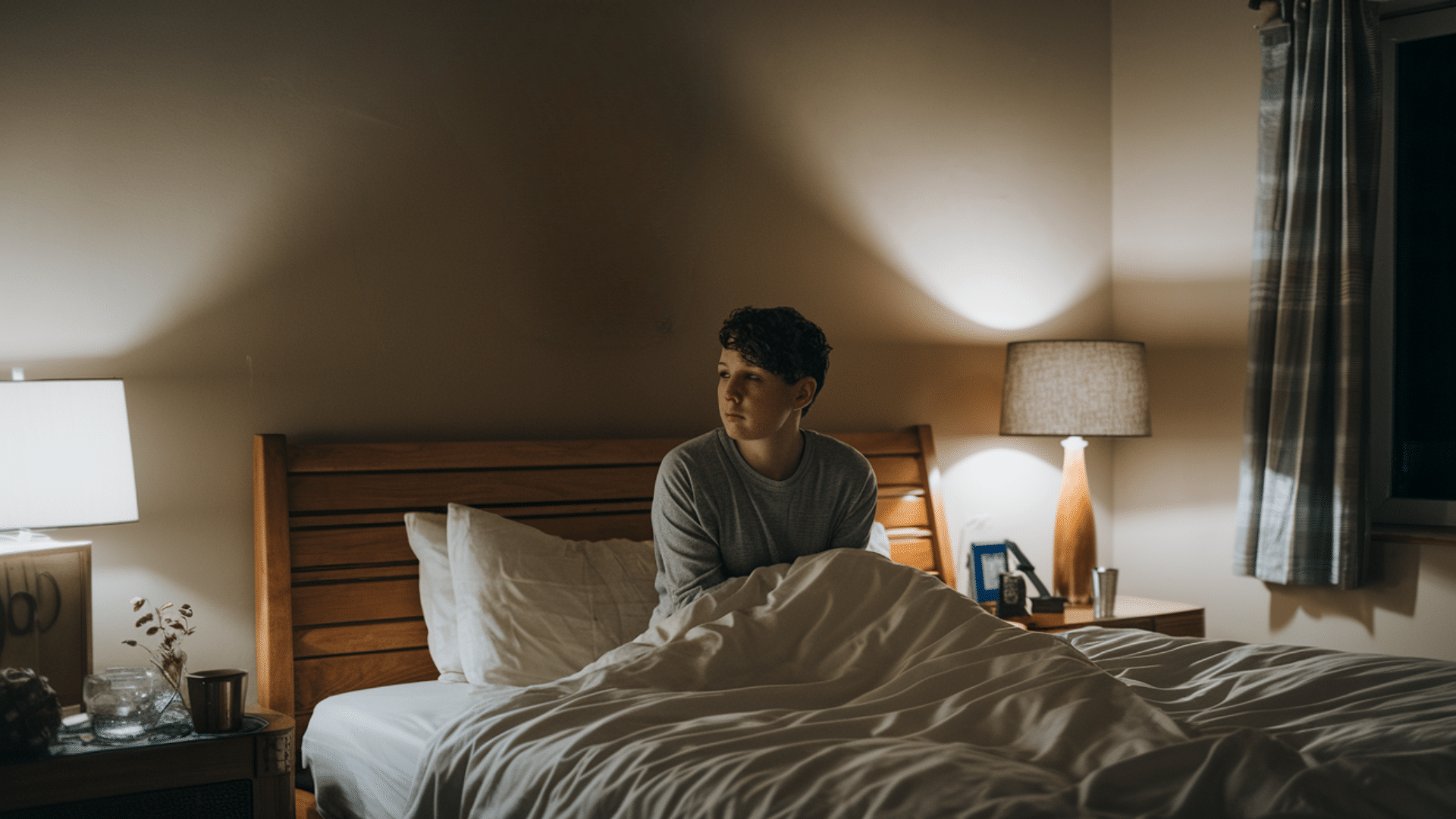
Some nights, sleep feels impossible; your body is tired, but your thoughts keep spinning. It’s no surprise that many people start looking into alprazolam for sleep as a possible fix.
It’s known for easing anxiety, so the idea of it helping with rest makes sense. But is it safe? Could it make things worse over time?
This blog answers those questions clearly. You’ll learn how alprazolam affects the brain, why it’s sometimes used for sleep even though it’s not made for that, and the risks that come with it.
You’ll also get a look at other sleep aids, both medical and natural, and learn which options are safer for the long run.
Why People Use Anxiety Medications to Sleep
Many people use anxiety medications to help them sleep because anxiety often keeps their minds too busy at night. Worry and stress can make it hard to relax or fall asleep.
These medications calm the brain, lower stress levels, and help the body feel more at ease.
When people have trouble sleeping for days or weeks, it can affect their health, mood, and energy. Anxiety meds can help reset their sleep schedule and give their body a break.
Some people may also have physical symptoms, such as a racing heart or a tight chest, which these medicines can help calm.
Doctors usually give these medications for short-term use. They’re not meant to be the only fix. Many people also work on stress management, breathing exercises, and better bedtime habits.
Using anxiety meds can give quick relief, but it’s best to mix them with healthy routines for long-lasting sleep improvement.
What is Alprazolam and How Does It Work for Sleep?

Alprazolam is a type of medicine used to treat anxiety. It works by increasing the effects of a brain chemical called GABA.
GABA slows down brain activity, which helps you feel calm and relaxed. When your brain is less active, it becomes easier to fall asleep.
Even though alprazolam can make people sleepy, it is not approved by the FDA as a sleep medicine. It is mainly used for treating anxiety or panic problems.
However, since anxiety often makes it hard to sleep, the calming effect of alprazolam can help people fall asleep faster.
The feeling of calmness it gives can reduce racing thoughts, tense muscles, and worry. That’s why some people may take it before bed when anxiety is high.
Still, doctors are careful when giving it for sleep, as it’s not meant for long-term use and can be habit-forming if not used the right way.
The Truth About Alprazolam for Sleep
Some people take alprazolam before bed when they feel restless or uneasy. It can help settle the body and slow down the nervous system, making it easier to drift off.
For those who struggle with sudden stress or panic at night, it can bring quick relief.
Alprazolam acts fast, so it’s sometimes used when sleep problems happen without warning. People who wake up often due to worry may also find it helps them return to sleep more easily.
It may reduce tension in the body, slow breathing, and make thoughts feel less intense.
Even though it’s not a sleep medicine, its calming effects can lead to better rest in some cases. But using it regularly for sleep isn’t usually advised.
It’s not meant for long-term use, and your body can get used to it. Doctors may suggest other sleep options that are safer for long-term use.
Side Effects and Safety Concerns to Know
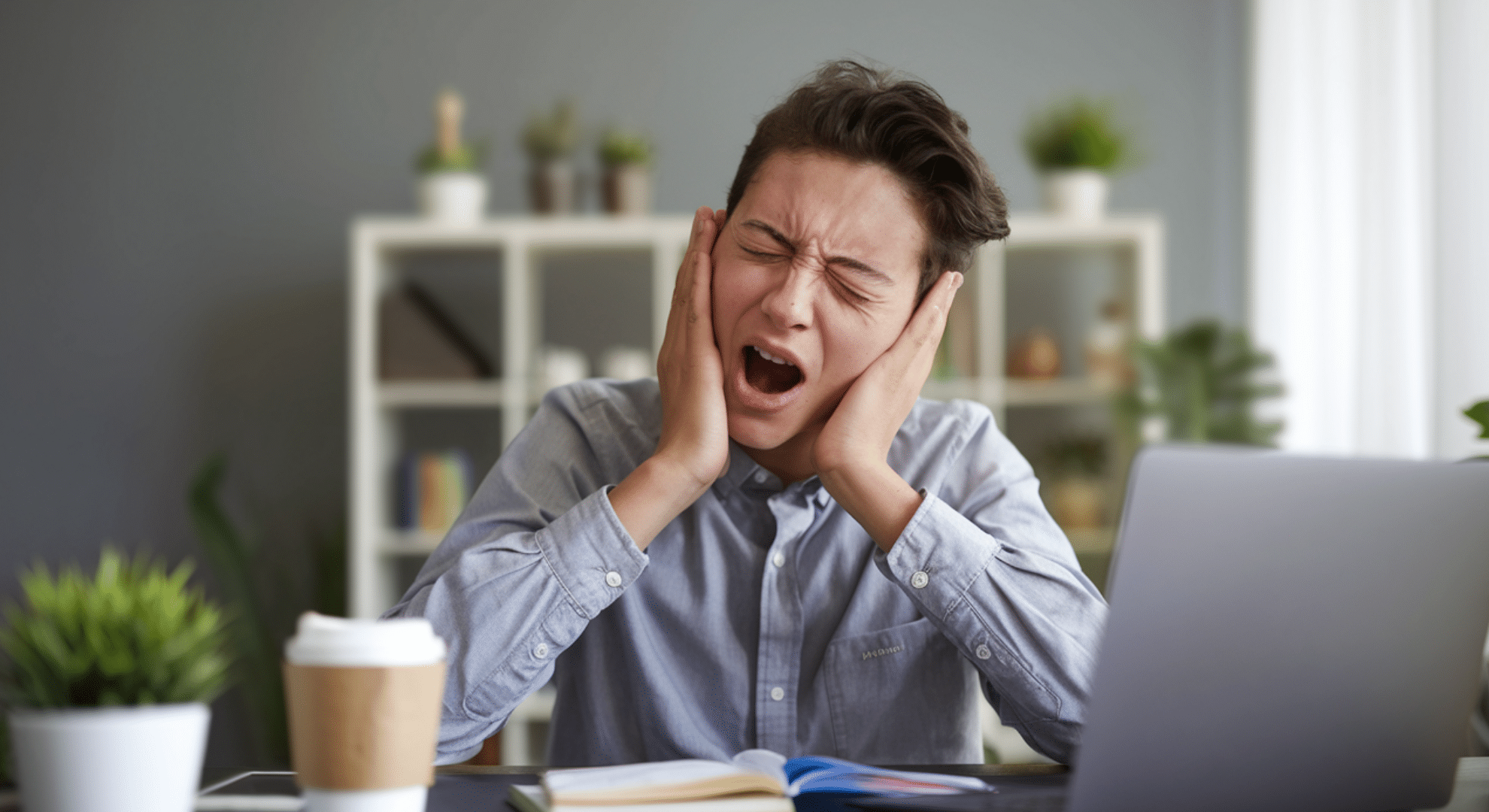
Before using alprazolam for sleep, it’s important to understand how it might affect your body and mind. While it can help you fall asleep, it can also cause unwanted effects that may show up during the day.
Some common side effects include:
- Feeling sleepy during the day
- Trouble focusing or paying attention
- Slower thinking
- Poor balance or coordination
These side effects can make school, work, or daily activities harder. You might feel off or less sharp even after getting sleep.
But the risks don’t stop there. There are more serious concerns that come with this medicine.
Major risks to watch out for include:
- Dependency: You may need more of the drug over time to get the same result
- Withdrawal: Stopping suddenly can cause shaking, anxiety, and sleep problems
- Breathing issues: Mixing alprazolam with alcohol or other drugs can slow your breathing and be life-threatening
Because of these risks, doctors usually don’t suggest using alprazolam for sleep over a long time. In fact, long-term use can make sleep and anxiety worse instead of better.
Why Doctors Avoid Long-Term Use of Alprazolam for Sleep
Doctors often avoid giving alprazolam for sleep over a long period because of how the body reacts to it with time.
One main reason is tolerance; this means the same dose stops working as well, and you may need more to get the same effect.
This can lead to rebound insomnia, where your sleep gets even worse once you stop taking the medicine.
Alprazolam is sometimes used off-label for sleep. This means it’s not officially approved for sleep problems but may still be used in special cases. Even then, it’s usually only for short-term help.
Stopping alprazolam suddenly can lead to withdrawal symptoms, such as shaking, sweating, strong anxiety, and poor sleep.
That’s why doctors recommend tapering, which means slowly lowering the dose instead of quitting all at once. This helps your body adjust safely and lowers the chances of feeling worse before getting better.
Comparing Alprazolam to Other Sleep Aids
When looking for ways to sleep better, many people wonder how alprazolam stacks up against other options.
It’s important to know how it compares to both prescription and natural sleep aids before choosing what’s right for you.
Prescription Medications

Alprazolam is sometimes used to help with sleep, but it’s not approved by the FDA for that purpose. In contrast, medicines like Ambien (zolpidem) and Lunesta (eszopiclone) are approved for treating insomnia.
Trazodone, an antidepressant, is also often prescribed off-label for sleep. These drugs are preferred over alprazolam because they carry less risk of dependency and are designed specifically for sleep issues.
Alprazolam, on the other hand, is mainly for anxiety and is more likely to cause addiction if used long-term.
Here’s a quick comparison:
| Medication | Approved for Sleep | Onset Time | Habit-Forming Risk | Common Use Duration |
|---|---|---|---|---|
| Alprazolam | No (off-label use) | 30–60 minutes | High | Short-term only |
| Ambien | Yes | 15–30 minutes | Moderate | Short-term |
| Lunesta | Yes | 20–30 minutes | Moderate | Short-term |
| Trazodone | No (off-label use) | 30–60 minutes | Low | Often longer use |
Doctors usually choose these sleep-specific drugs because they better match the body’s natural sleep cycles and have fewer long-term risks.
Alprazolam is not a first choice because it doesn’t target sleep directly and can lead to serious side effects with ongoing use.
Natural and Over-the-Counter Options
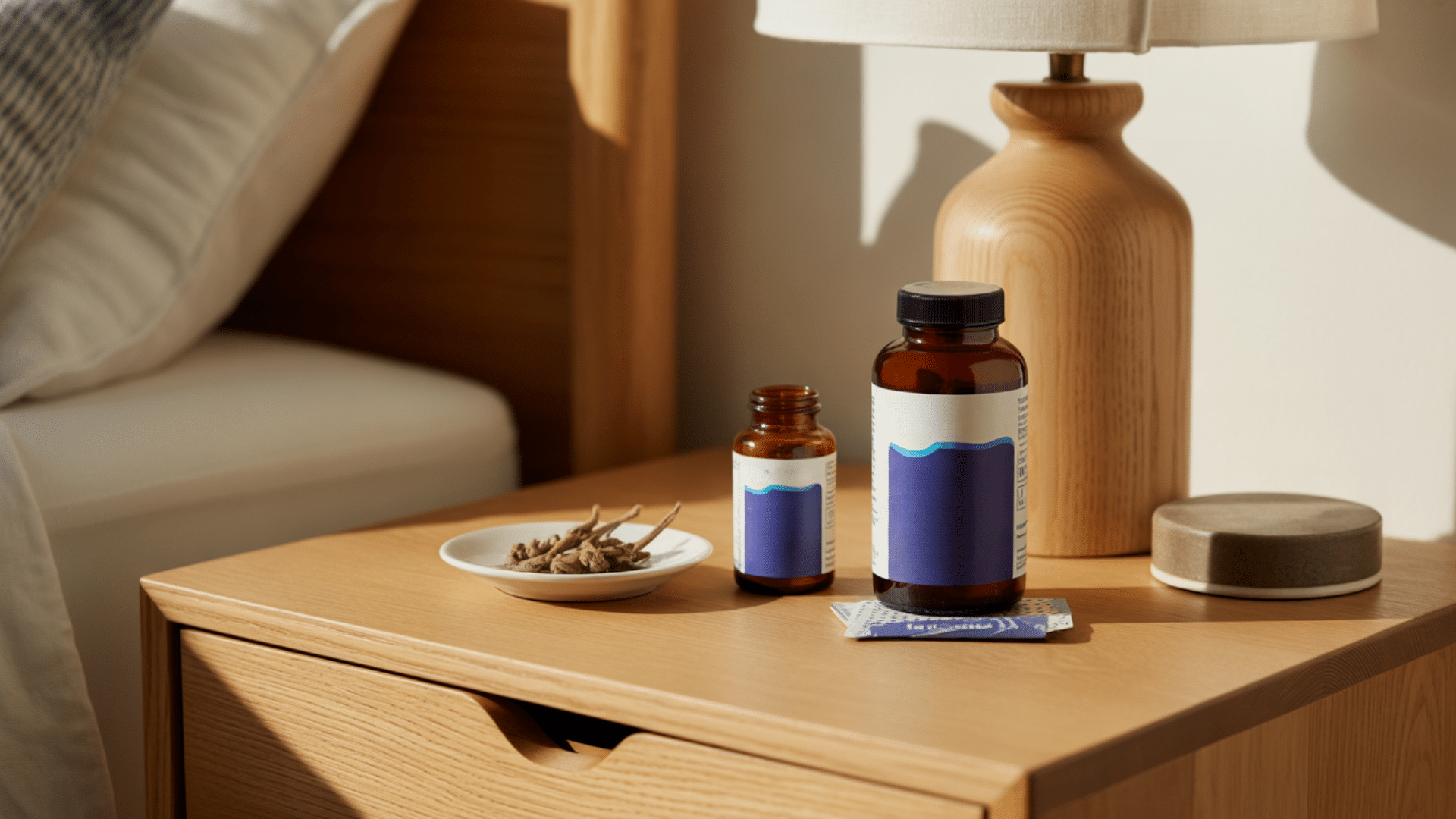
Some people prefer more natural or gentle sleep aids. Melatonin, a hormone that controls the sleep-wake cycle, is one of the most common. It works best for jet lag, shift work, or adjusting sleep times.
Valerian root is an herbal option that may help some people relax, though studies are mixed.
Magnesium is a mineral that helps calm the nervous system and may support better sleep, especially in those who have low levels.
These natural choices are generally safer, with fewer side effects, but they may not work for everyone. They are better for short-term use and are not strong enough for serious sleep problems.
Still, they can be a good first step before turning to stronger medications.
This is for general information only. It is not medical advice. Always talk to a doctor before starting, stopping, or changing any medication or supplement for sleep. What works for one person may not be safe or right for another. Your health provider knows what’s best for your needs.
How to Stop Taking Alprazolam Safely
If you’ve been using alprazolam, it’s important not to stop it suddenly. Quitting too fast can lead to strong withdrawal symptoms like shaking, sweating, trouble sleeping, and extreme anxiety.
To stop safely, you need to taper, which means slowly lowering your dose over time.
This should always be done under a doctor’s care. Your doctor will create a plan to reduce the medicine little by little. This gives your body time to adjust and helps lower the risk of withdrawal.
Trying to stop on your own can be risky, especially if you’ve used it for a long time or at a high dose. It’s also helpful to add other supports during this time, like breathing exercises, therapy, or non-habit-forming sleep aids if needed.
Remember, stopping the right way is just as important as how you start. Always talk to your doctor before making any changes to your medication.
When to Talk to a Doctor
You should talk to a doctor if you’re using alprazolam for sleep more than once in a while. It’s especially important if you notice it’s not working as well, or if you feel like you need more to get the same effect.
Also, reach out if you feel sleepy during the day, have trouble focusing, or feel anxious when you don’t take it.
If you want to stop using alprazolam, don’t try to quit on your own. A doctor can help you stop safely and may suggest other treatments that are better for long-term sleep and anxiety.
Anytime you’re unsure about your sleep or medication use, it’s always smart to check in with your doctor.
Safer, More Effective Ways to Improve Sleep
Getting better sleep doesn’t always mean turning to medication. There are safer, long-term habits that can make a real difference.
These simple changes can help your body relax and fall asleep more easily over time:
- Go to bed and wake up at the same time every day
- Keep your bedroom dark, quiet, and cool
- Avoid screens at least an hour before bedtime
- Limit caffeine and heavy meals in the evening
- Get regular exercise, but not too close to bedtime
- Try calming activities like reading, stretching, or breathing exercises before bed
These habits may take time to show results, but they’re much safer and more effective in the long run. Healthy sleep starts with consistent routines and simple changes you can stick with.
Conclusion
Many people turn to alprazolam for sleep because it seems like a quick fix. It might help for a short time, but it often brings more problems later like daytime tiredness, habit-forming use, and worse sleep down the road.
That’s why it’s important to know the risks and understand other options that are safer and more lasting.
Now it’s your turn to think about your own sleep habits. Are there small changes you can make to feel more rested without depending on a pill?
Building a bedtime routine, staying active during the day, and managing stress can go a long way.
Good sleep should help you feel better, not cause more worry. If this blog helped clear things up, take the next step. Check out other posts for real, simple tips to help you sleep naturally and feel more in control!