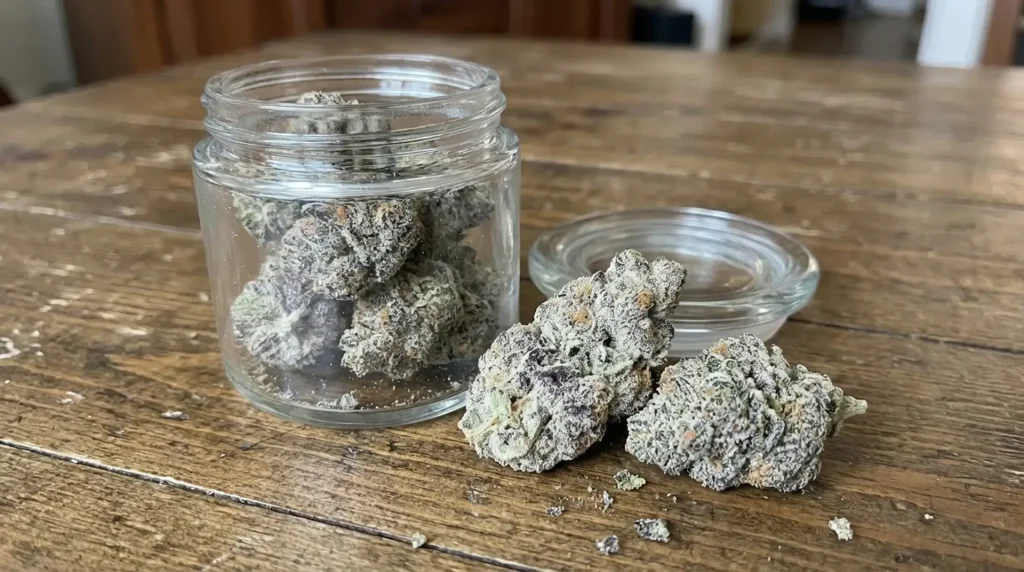
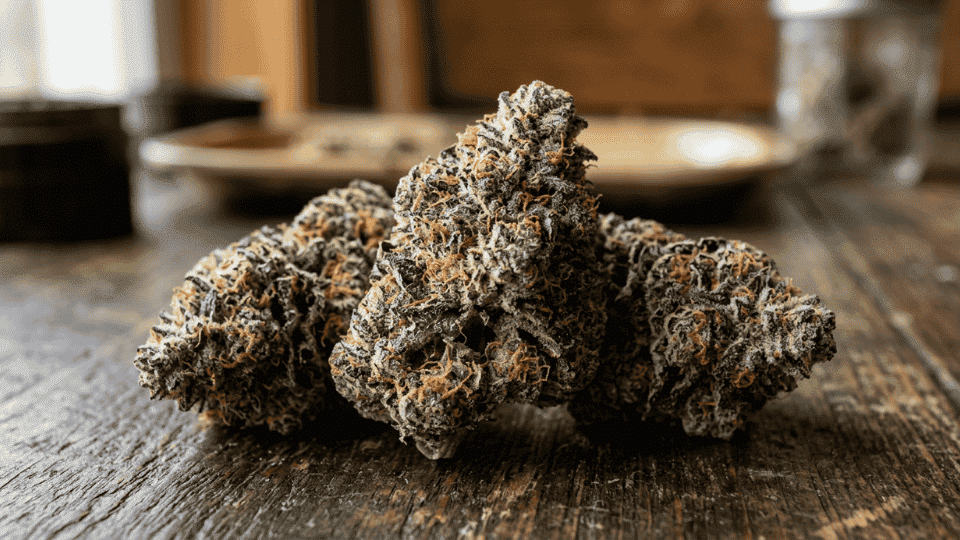
When comparing THC vs THCV, it’s crucial to understand how each cannabinoid affects the body differently. THC is well-known for its psychoactive effects, producing the classic “high” that many associate with cannabis.
On the other hand, THCV, though similar in structure, offers a more subtle experience. It’s often sought for its appetite-suppressing properties and ability to boost mental clarity and energy.
I’ll dive into the key differences between THC vs THCV, exploring their effects on the body, their medicinal benefits, and the most common ways people use them.
By the end, you’ll be able to make an informed decision on which one best suits your needs, whether for relaxation, focus, or overall wellness.
THCV VS THC: Quick Comparison
When comparing THCV vs. THC, it’s helpful to understand how each affects the body differently. Though they share some similarities, their effects vary based on dosage and individual response. Here’s what sets them apart:
| Feature | THC (Delta-9-THC) | THCV (Tetrahydrocannabivarin) |
| Psychoactivity | Strongly psychoactive; produces a “high” | Mostly non-psychoactive at low doses; mild effects at higher doses |
| Appetite | Increases hunger | Reduces hunger; helps control appetite |
| Energy & Focus | Can cause relaxation or drowsiness | Increases energy, focus, and clarity |
| Duration of Effects | 4–6 hours | 2–3 hours |
| Abundance in Plants | Common in most cannabis strains | Found in smaller amounts, especially in African sativas |
| Molecular Structure | Pentyl (five-carbon) side chain | Propyl (three-carbon) side chain |
| CB1 Receptor Interaction | Activates CB1: relaxation and appetite | Blocks CB1 at low doses; can activate at higher doses |
| Best Use | Relaxation, sleep support, appetite stimulation | Daytime use, clarity, and appetite management |
While both THCV and THC have their unique properties, understanding how they affect the body can help you choose the right one based on your needs.
What is THC?
THC, or delta-9-tetrahydrocannabinol, is the main compound in cannabis responsible for the “high” people experience. It naturally occurs in the flowers and leaves of the plant and is the reason cannabis has psychoactive effects.
THC works by binding to CB1 receptors in the brain and central nervous system, affecting mood, memory, appetite, and coordination. This interaction triggers euphoria and relaxation, often causing heightened sensory experiences and a sense of calm. THC also stimulates appetite, leading to the “munchies.”
The comparison of THC vs THCv shows that THC is a powerful cannabinoid that directly influences both mind and body, making it useful for relaxation, appetite support, and some medicinal purposes like pain relief.
What is THCV?
THCV, or tetrahydrocannabivarin, is a lesser-known cannabinoid found in cannabis, often associated with unique effects that differentiate it from THC. Though it shares a similar chemical structure to THC, it has its own distinct properties.
Unlike THC, which produces strong psychoactive effects, THCV is much milder at lower doses, offering subtle, clearer effects. At higher doses, it can produce mild euphoria with more focus and clarity. THCV also suppresses appetite, making it useful for those managing weight or hunger.
Additionally, it is known to boost energy and support mental clarity. When looking at THCV vs THC, THCV is a unique cannabinoid, offering a more focused, energizing experience without the intense “high” commonly associated with THC.
Effects of THCV vs THC
When comparing THC vs. THC, it’s clear that while both are cannabinoids, their effects on the body and mind differ significantly.
| Effect | THC (Delta-9 THC) | THCV (Tetrahydrocannabivarin) |
| Psychoactivity | Strongly psychoactive, it induces a “high.” | Mild effects at low doses |
| Appetite | Increases hunger | Suppresses appetite, helps control it |
| Energy | Can cause sedation at higher doses | Increases focus, energy, and alertness |
| Duration | Lasts 4-6 hours | Lasts 2-3 hours |
| Medicinal Uses | Used for discomfort, anxiety relief | Supports metabolism, blood sugar balance |
| Common Uses | Recreational, relaxation | Daytime use, appetite control, focus |
In conclusion, understanding the distinct effects of THCV vs THC can help you make a more informed choice based on your desired experience or health goals.
Potential Benefits of THC VS THCV
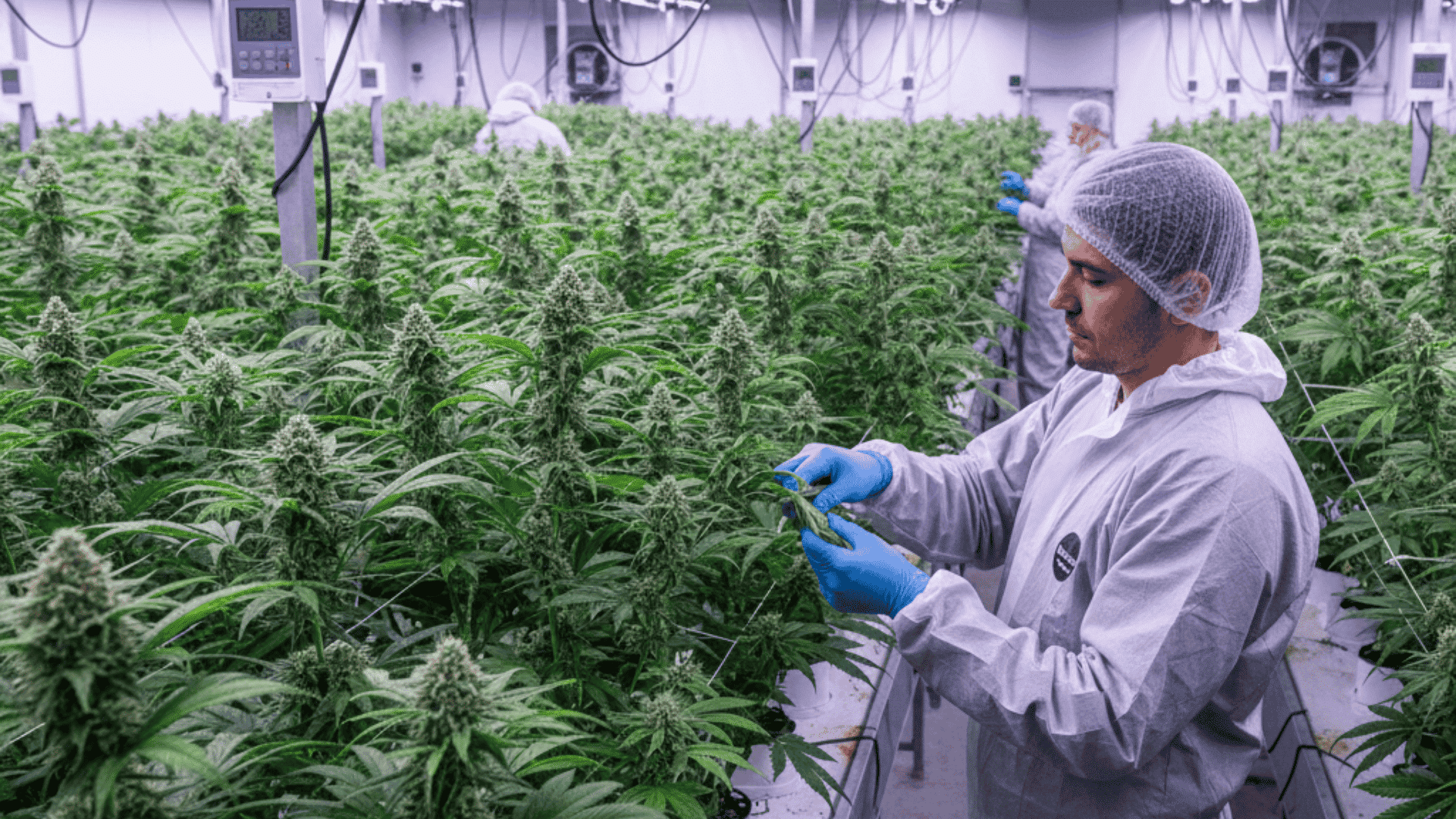
THC Benefits
According to the report from the National Academies of Sciences, Engineering, and Medicine (2017), research shows that cannabis, including THC-based cannabinoids, offers therapeutic potential for various conditions.
- Chronic Pain Relief: Studies indicate that THC can effectively reduce chronic pain in adults, offering relief for conditions like arthritis and multiple sclerosis.
- Chemotherapy-Induced Nausea: THC and its derivatives, like dronabinol, have been shown to help cancer patients manage nausea and vomiting caused by chemotherapy.
- Multiple Sclerosis Spasticity: Short-term use of THC has been reported to improve muscle stiffness and spasticity symptoms in adults with multiple sclerosis.
- Appetite Stimulation in Wasting Syndromes: THC may help increase appetite and weight in patients with conditions like HIV-associated wasting or anorexia nervosa.
THCV Benefits
Studies from sources like Diabetes Care (Jadoon et al., 2016) and the Journal of Cannabis Research (Abioye et al., 2020) highlight THCV’s potential benefits for metabolic health.
- Glycemic Control: THCV has been shown to reduce fasting blood glucose levels, potentially helping manage blood sugar in type 2 diabetes patients.
- Pancreatic Function: Research suggests THCV can enhance pancreatic $\beta$-cell function, important for insulin production and secretion.
- Appetite Suppression and Weight Loss: Unlike THC, THCV suppresses appetite, offering potential for weight loss and better energy metabolism regulation.
- Metabolic Marker Support: THCV improves key metabolic markers like adiponectin, helping the body process fatty acids and maintain glucose balance.
- Neuroprotection and Safety: THCV is well-tolerated, offering neuroprotective effects without producing strong psychoactive effects.
Note: THCV research is ongoing, and its benefits have not been fully validated or FDA-approved. Always consult a healthcare provider before using cannabinoids for medical purposes.
THCV vs THC Side Effects
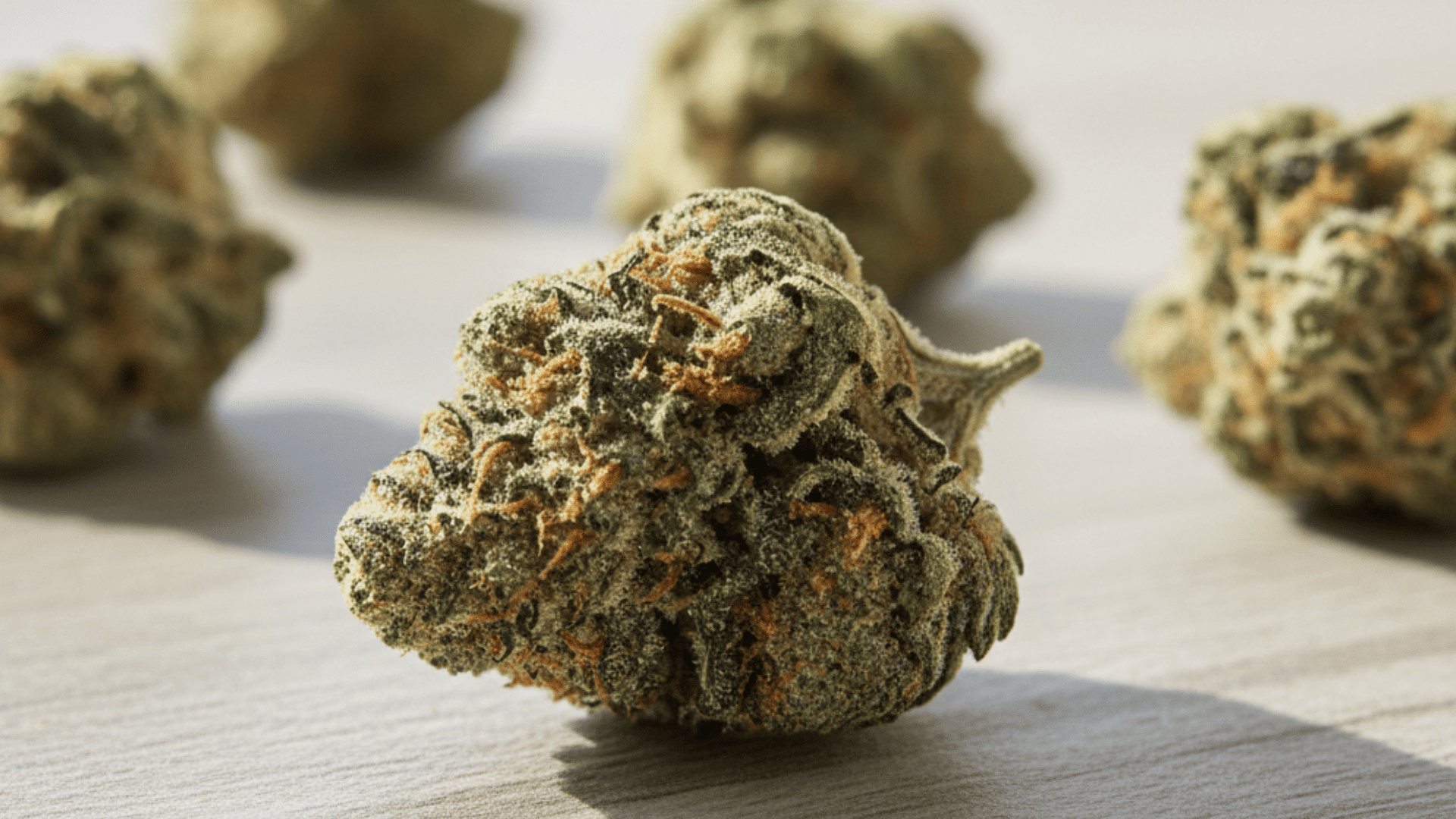
Both THC and THCV can cause side effects, though they differ in intensity and nature. Both cannabinoids may cause dry mouth, red eyes, or dizziness, particularly at higher doses. Users may also experience slight mood changes or cognitive effects, depending on their sensitivity.
THC’s psychoactive effects are stronger and may lead to anxiety, confusion, or paranoia. At higher doses, THC can impair coordination and motor skills, making it risky to drive or operate machinery.
THCV generally has a milder impact at lower doses, but higher doses can cause effects similar to THC, like anxiety or restlessness. Those with lower cannabis tolerance should start with small amounts to minimize discomfort.
In the context of THCV vs THC, THCV is less likely to induce anxiety or coordination issues than THC, but both should be used cautiously based on individual tolerance.
Can You Take THCV and THC Together?
Yes, THCV and THC can be combined, and many users intentionally pair them for a customized experience. Here’s why:
THC and THCV can complement each other. THC tends to relax the body and mind, while THCV enhances focus and mental clarity. Together, they provide a more balanced experience.
THC is known to stimulate appetite, while THCV suppresses it. When used together, THCV can reduce THC’s hunger-inducing effects, letting users enjoy THC benefits without the increased appetite.
Some users find combining the two cannabinoids helps maintain relaxation and euphoria while staying mentally sharp. THCV supports focus, making it ideal for those who want clarity with their “high.”
In summary, combining THC vs THCv helps users customize their experience, improving benefits while minimizing any unwanted side effects.
The Bottom Line
After diving into THC vs THCV, it’s clear each cannabinoid has its own set of strengths.
THC is best known for relaxation, euphoria, and appetite stimulation, making it perfect for those seeking stress relief or a boost in appetite. On the other hand, THCV shines for its ability to help with focus, energy, and appetite control, offering a more functional experience without the strong psychoactive effects of THC.
Both cannabinoids have their place, depending on personal needs and preferences. Before trying either, always ensure you check local laws and consult a healthcare provider for guidance.
Feel free to share your thoughts in the comments or reach out with any questions about these compounds!