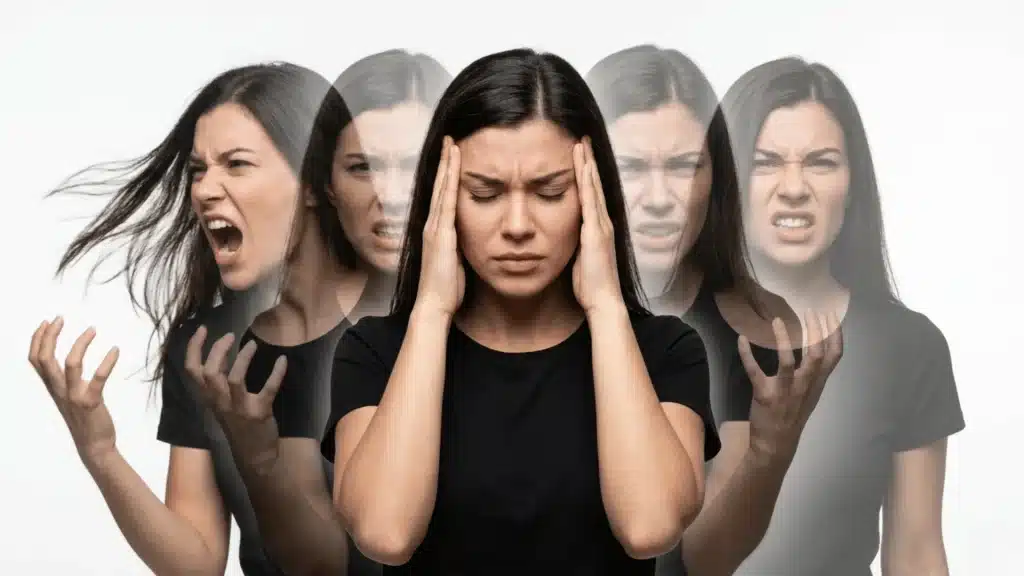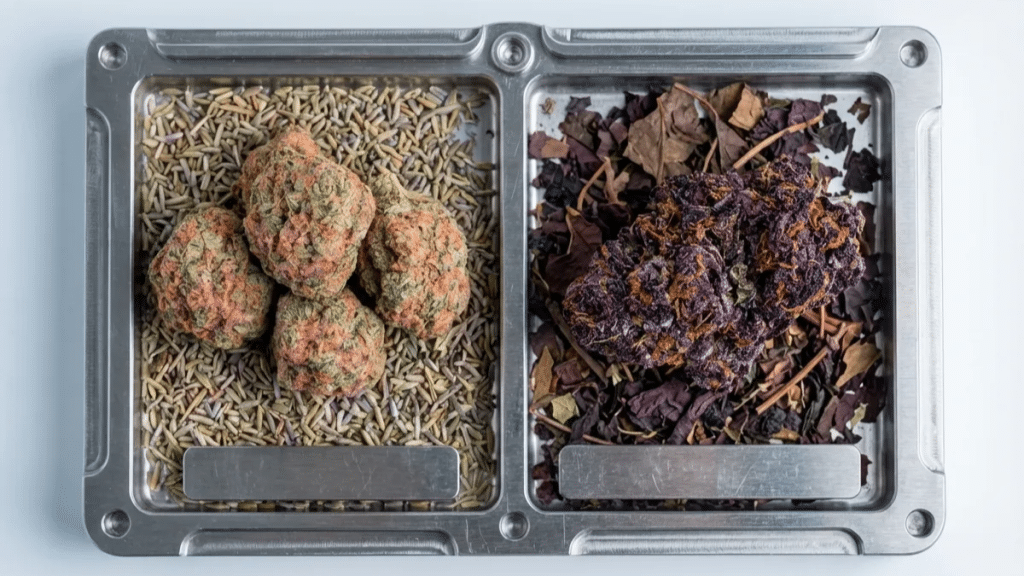
Every day, people use substances that change how their brains and bodies feel. Some drugs speed everything up, making hearts race and minds sharp and alert. Other drugs slow everything down, creating calm feelings and drowsiness.
Studies show that stimulants and depressants both carry real risks when misused, something I have witnessed in my own surroundings and deepened through my own reading and research.
This knowledge may help people make better choices about prescription medications, spot warning signs in friends or family members, and understand the real dangers of drugs that might seem harmless.
Because the line between helpful medicine and dangerous addiction can be surprisingly thin. Recognizing the warning signs early could be what saves someone who desperately needs help.
What Are Stimulants?
Stimulants are drugs that speed up the brain and body. They increase brain activity, make the heart beat faster, and boost alertness by increasing chemicals in the brain, such as dopamine, which makes people feel more awake and energetic.
Some stimulants are legal and used every day, like caffeine in coffee and energy drinks, and nicotine in cigarettes and vapes.
Doctors prescribe stimulants like Adderall and Ritalin to help people with ADHD focus better. However, illegal stimulants like cocaine and methamphetamine are extremely dangerous and highly addictive.
Even legal stimulants can cause serious problems when someone uses too much or uses them the wrong way.
What Are Depressants?
Depressants are substances that slow down brain activity and body functions. They work by calming the brain, reducing anxiety, and inducing feelings of relaxation.
While this might sound helpful, depressants can be very dangerous because they slow down important functions like breathing and heart rate.
Alcohol is the most widely used depressant. Doctors prescribe depressants like benzodiazepines (Xanax, Valium) for anxiety and sleep problems.
Barbiturates are older medications that doctors rarely prescribe anymore because they’re so dangerous. Opioids, which are painkillers, also work as depressants.
The research also shows that many over-the-counter sleep aids contain depressants, too. Just because something is legal or prescribed by a doctor doesn’t mean it’s safe to misuse.
Stimulant vs Depressant: Key Differences
Stimulants speed up the central nervous system, increasing heart rate, alertness, and energy. Depressants slow down the central nervous system, creating relaxation, drowsiness, and reduced breathing.
1. Brain Activity
Stimulants: boost dopamine and other brain chemicals, making the brain hyperactive and alert with feelings of excitement, confidence, and high energy that can last for hours.
Depressants: increase GABA, a chemical that slows down brain activity and creates calm, relaxed feelings, reducing worry and stress, but also causing confusion and poor judgment.
2. Physical Effects
Stimulants: make the heart race dangerously fast, blood pressure rise to unsafe levels, breathing speed up rapidly, and body temperature increase, causing sweating and restlessness.
Depressants: slow the heart rate down significantly, lower blood pressure sometimes to dangerous levels, make breathing shallow and slow, and cause extreme drowsiness with poor coordination and balance.
3. Medical Use
Stimulants: treat ADHD and narcolepsy by improving focus, attention, and alertness, helping people stay awake and concentrate on tasks throughout the day without distraction.
Depressants: treat anxiety disorders, insomnia, and seizures by calming the nervous system, reducing panic and worry, helping people relax, fall asleep more easily, and stay calm.
4. Addiction Risks
Stimulants: create a strong psychological addiction where people develop intense cravings for the energy boost and good feelings, making it mentally difficult to stop using them.
Depressants: create both psychological and physical dependence, where the body actually needs the drug to function normally, making withdrawal symptoms potentially deadly without proper medical supervision.
Examples of Stimulants and Depressants in Daily Life
Stimulants and depressants are more common in everyday life than most people realize—many are legal and seem harmless, but all carry risks when misused.
Stimulants in Daily Life
Stimulants are present in daily routines more often than people realize. These everyday stimulants include:
- Caffeine in coffee, tea, soda, and energy drinks
- Prescription stimulants like Adderall and Ritalin for ADHD
- Nicotine in cigarettes, vapes, and chewing tobacco
- Diet pills and workout supplements for energy boosts
Problems develop when people consume too much or misuse these substances.
Depressants in Daily Life
Depressants are equally common in social and medical situations. Common depressants people encounter include:
- Alcohol at parties, dinners, and social gatherings
- Prescription drugs for anxiety, like Xanax, Valium, and Ativan
- Over-the-counter sleep aids from drugstores like Benadryl
- Prescription painkillers after surgery or injury recovery
Just because something is legal or prescribed doesn’t automatically make it safe to misuse.
How to Use Stimulants and Depressants Safely
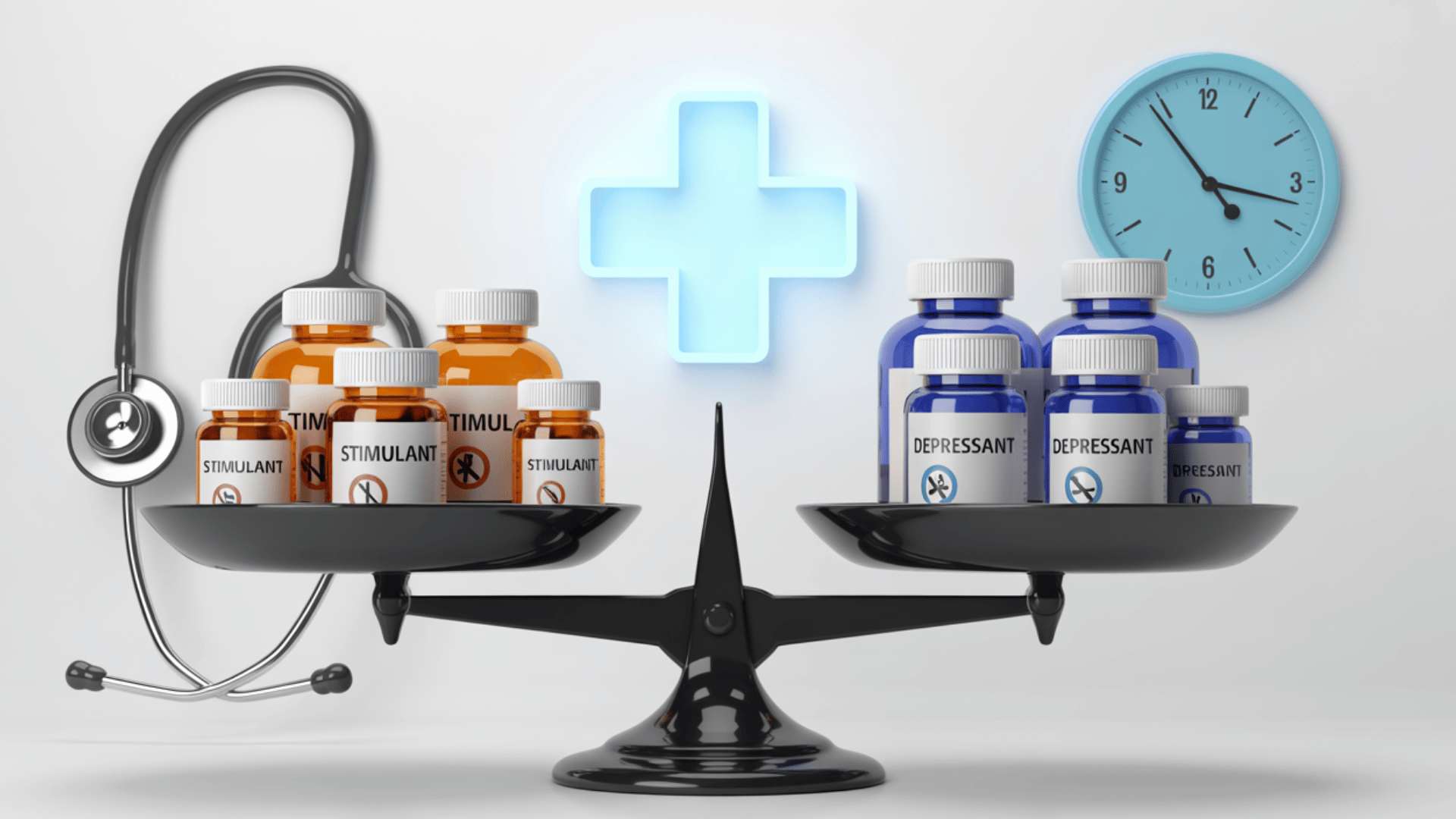
While both stimulants and depressants carry serious health risks when misused, following proper safety guidelines can help prevent dangerous situations and protect overall health.
Using Stimulants Safely
Study says that using stimulants can help boost focus and energy, but using them responsibly is key to avoiding health risks and potential dependence.
- Follow your doctor’s prescription instructions exactly as written.
- Never share ADHD medications or stimulants with others.
- Limit daily caffeine intake to 2-3 cups maximum.
- Avoid mixing energy drinks with alcohol or other drugs.
Always follow medical advice and be mindful of how stimulants affect your body to ensure safe and effective use.
Using Depressants Safely
Depressants, while useful for managing anxiety and sleep issues, require careful use to avoid serious side effects or addiction.
- Take only the prescribed dose, never more than ordered.
- Never mix alcohol with prescription depressant medications.
- Don’t drive or operate machinery after taking sleep aids.
- Store all medications away from children and teenagers.
Be sure to use depressants under professional guidance and monitor their effects to maintain both safety and well-being.
How Stimulants and Depressants Affect the Body Over Time
I have noticed that people often have questions about stimulants and depressants, especially when they’re trying to help someone they care about or understand their own situation better.
| Effect Duration | Stimulant Effects | Depressant Effects |
|---|---|---|
| 1-4 Hours (Immediate) | Rapid heartbeat, high energy, alertness, elevated body temperature | Slowed breathing, drowsiness, relaxation, impaired coordination |
| 4-12 Hours (Short-term) | Increased blood pressure, restlessness, decreased appetite, and insomnia | Continued sedation, slurred speech, memory problems, reduced reaction time |
| 24-48 Hours (Crash) | Extreme fatigue, depression, strong cravings, irritability | Hangover symptoms, confusion, headaches, and continued drowsiness |
| Weeks to Months | Anxiety disorders, weight loss, irregular heartbeat, paranoia | Physical dependence, tolerance, liver damage, and cognitive impairment |
| Long-term (Years) | Heart disease, severe mental illness, permanent brain changes, psychosis | Organ failure, permanent memory loss, severe depression, life-threatening withdrawal |
When someone misuses stimulants or depressants for longer time, they’re putting their health and life at serious risk, and the consequences can happen faster than anyone expects.
Wrapping It Up
Understanding the difference between stimulants and depressants is not just textbook knowledge; it can genuinely save lives.
Stimulants push your heart and mind to dangerous extremes, while depressants can silently shut your breathing down. Both are powerfully addictive, and both destroy lives when misused.
But here is the hopeful part: recovery is real. Every single day, people reclaim their lives through the right medical support, therapy, and community. I have seen it happen, and it is nothing short of remarkable.
If someone you love is struggling, do not wait. Reach out to a doctor or treatment center today because tomorrow might be too late.
Drop a comment below on what you have personally witnessed or experienced regarding drug use in your surroundings. Let’s talk.