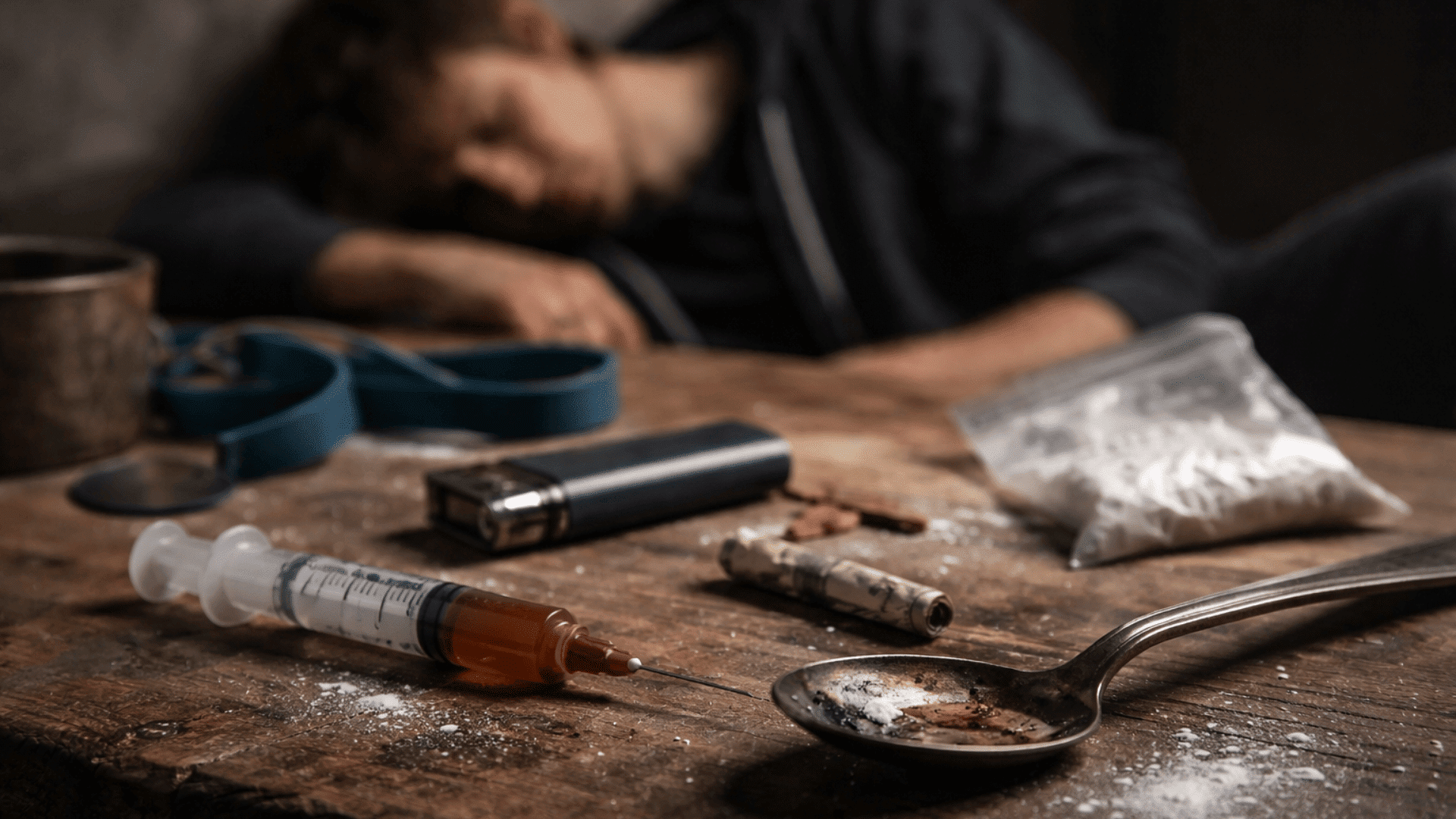
Have you noticed someone acting differently and wondered if they might be using heroin? Recognizing the signs of heroin use early can literally save a life.
I know how scary and confusing this situation feels when you’re worried about someone. You want to help but aren’t sure what to look for, or trust your gut. I’ve been around people struggling with addiction, and heroin leaves behind clear warning signs.
I’m going to walk you through what I’ve learned about spotting these red flags. Understanding these signs means you can step in before it’s too late.
Your awareness could be the difference that saves someone’s life. Let me share what I know with you.
Getting Real About Heroin
Heroin is a powerful opioid drug that comes from morphine, which is made from poppy plants. It’s illegal almost everywhere because it’s extremely dangerous. When someone uses heroin, it enters their brain fast and creates an intense rush of pleasure.
That’s why I’ve seen people get hooked so quickly. Their brain starts craving that feeling again and again. Even trying heroin once can lead to addiction. It can be a white or brown powder, or a sticky black substance called black tar heroin.
People inject it, smoke it, or snort it. No matter how they use it, heroin is incredibly addictive. I’ve watched it destroy lives around me. It’s one of the most dangerous drugs out there.
Physical Signs of Heroin Use

I’ve learned that heroin leaves clear physical marks on someone’s body that are hard to hide. These signs show up in their appearance, eyes, skin, and overall health. Here’s what I’ve noticed:
1. Changes in Appearance
When someone uses heroin regularly, their appearance often changes dramatically. I’ve seen people lose weight fast because the drug kills their appetite. They stop caring about how they look or smell.
Basic hygiene, like showering or brushing teeth, gets ignored. Their skin might look really pale or sometimes flushed red. These changes happen because heroin takes over their life. Everything else becomes less important than getting and using the drug.
2. Eye and Facial Signs
The eyes tell a big story with heroin use. One of the most obvious signs is pinpoint pupils. Their pupils get incredibly tiny, even in dim light. Their eyelids often look heavy and droopy.
You might notice them blinking very slowly or struggling to keep their eyes open. I’ve watched people nod off mid-conversation because their eyes just won’t stay open. These eye changes happen because heroin affects the nervous system directly.
3. Skin and Injection Marks
People who inject heroin will have visible needle marks on their bodies. You might see these tracks on their arms, legs, hands, or feet. Fresh marks look like small puncture wounds. Old marks leave scars and dark spots.
Scabs and open sores often appear around injection sites. Skin infections are common because needles aren’t clean. Some people wear long sleeves year-round to hide these marks from family and friends.
Behavioral Signs of Heroin Use

Beyond physical changes, heroin dramatically shifts how someone acts and lives their daily life. I’ve watched these behavioral changes destroy relationships and futures. Here’s what typically happens:
4. Changes in Daily Habits
Someone using heroin stops showing up for work or school regularly. They miss deadlines and forget important responsibilities. Hobbies they once loved don’t matter anymore. I’ve seen people give up sports, music, and activities they were passionate about.
Their sleep schedule becomes completely messed up. They might sleep all day and stay awake all night. Nothing follows a normal routine anymore. The drug becomes their only priority in life.
5. Social and Relationship Changes
Heroin users often pull away from family and old friends who care about them. They stop answering calls and avoid family gatherings. Instead, they hang out with new people who also use drugs.
I’ve noticed they become extremely secretive about where they go and who they’re with. They lie about their plans and hide their activities.
Trust breaks down completely. These relationship changes happen because they’re trying to hide their addiction from people who might intervene.
6. Risky or Unusual Behavior
Desperate for money to buy heroin, people start lying and stealing from loved ones. They take cash, jewelry, or anything they can sell quickly. Bank accounts get drained, and bills go unpaid. Credit cards max out fast.
Some get arrested for theft or drug possession. Legal problems pile up because heroin is expensive and illegal. These risky behaviors show how addiction takes complete control over someone’s judgment and values.
Mental and Emotional Signs of Heroin Use

Heroin doesn’t just affect the body; it completely changes how someone thinks and feels emotionally. I’ve seen these mental changes become just as damaging as the physical ones. Here’s what happens:
7. Mood Changes
People using heroin experience intense mood swings throughout the day. They might seem calm one minute, then angry or irritable the next. Anxiety becomes a constant problem, especially when they can’t get the drug.
Depression sets in deep, making everything feel hopeless and dark. I’ve watched people cry over small things or explode in anger without warning.
When they’re high, they seem happy and relaxed. But when the drug wears off, they crash emotionally. These extreme ups and downs make them unpredictable and hard to be around.
8. Cognitive Effects
Heroin seriously messes with someone’s ability to think clearly and remember things. They struggle to focus on conversations or simple tasks. Their attention span becomes really short. Memory problems get worse over time they forget appointments, conversations, and important events.
Confusion becomes normal for them. I’ve noticed they have trouble making decisions or solving basic problems. Their thinking slows down dramatically. These cognitive issues make it nearly impossible to work, study, or handle daily responsibilities effectively.
Signs Someone Is Going Through Withdrawal
When someone stops using heroin, their body goes through painful withdrawal. These symptoms can start just hours after the last use:
- Muscle aches: Severe pain throughout the body, especially in the legs and back, that feels like a bad flu.
- Sweating: Excessive sweating even in cool rooms, soaking through clothes and sheets constantly.
- Restlessness: Unable to sit still or get comfortable, constant moving, pacing, and fidgeting.
- Strong cravings: Intense mental obsession with getting more heroin that feels impossible to ignore.
I’ve seen how brutal these withdrawal symptoms can be for people trying to quit. The physical pain and mental cravings make it incredibly hard to stop without professional help.
Short-Term and Long-Term Effects of Heroin Use
Heroin creates immediate effects that feel good at first but become dangerous quickly. I’ve seen how these short-term highs lead to devastating long-term consequences that destroy health permanently:
Short-Term Effects
The immediate effects of heroin happen within seconds or minutes after use. These effects might seem pleasurable, but they’re actually extremely dangerous:
- Euphoria: An intense rush of pleasure and warmth that floods the body and makes all problems disappear temporarily
- Slowed breathing: Breathing becomes dangerously slow and shallow, which can lead to oxygen deprivation and death
- Impaired judgment: Thinking becomes cloudy, and decision-making skills disappear, leading to risky and dangerous choices
These short-term effects only last a few hours. Then the body crashes and craves more of the drug desperately.
Long-Term Effects
Continued heroin use over months or years causes permanent damage to the body and mind. The longer someone uses its, the worse these problems become:
- Organ damage: The heart, liver, kidneys, and lungs get seriously damaged and may stop working properly over time
- Mental health disorders: Depression, anxiety, and other psychiatric problems develop and often become permanent even after quitting
- Increased overdose risk: The body needs more heroin to feel the same effects, pushing doses higher until overdose becomes likely
These long-term effects can be irreversible. Many people never fully recover even after they stop using heroin completely.
How to Tell if Someone You Love is Using Heroin?
I’ve learned that spotting heroin use isn’t about jumping to conclusions from one behavior. It requires careful observation of patterns and multiple warning signs over time:
| Key Principle | What to Look For | What This Means |
|---|---|---|
| Patterns to watch over time | Consistent changes lasting weeks or months | One bad day doesn’t mean heroin use, so look for ongoing behavioral shifts |
| Importance of observing multiple signs | Several warning signs appear together | Physical, behavioral, and emotional changes are happening at the same time |
| Why one sign alone isn’t proof | Individual signs could have other causes | Mood swings or weight loss alone might be stress, depression, or illness |
If you notice several of these patterns together, it’s time to have a caring conversation. Trust your instincts but approach with love and concern, not accusations.
When to Seek Help Regarding Heroin Use?
If you notice multiple signs of heroin use in someone you love, don’t wait to get help. Immediate action is needed if they overdose, have trouble breathing, or seem unresponsive. Talk to a healthcare professional right away for guidance and support.
Doctors can recommend treatment options that fit your loved one’s specific situation. Substance use treatment includes detox programs, inpatient rehab, outpatient counseling, and medication-assisted treatment.
The sooner someone gets help, the better their chances of recovery become. Don’t try to handle this alone; addiction is a medical condition that needs professional treatment. Reach out today because every moment counts when someone’s life is at stake.
Treatment and Recovery Options from Heroin Addiction
Recovery from heroin addiction is possible with the right treatment and support. Multiple options exist to help someone break free from addiction:
- Detox programs: Medical supervision during withdrawal to manage symptoms safely and reduce physical dependence on heroin
- Medication-assisted treatment: Prescription medications like methadone or buprenorphine that reduce cravings and ease withdrawal symptoms long-term
- Counseling and therapy: One-on-one or group sessions that address the mental and emotional roots of addiction
- Support groups: Peer-led meetings like Narcotics Anonymous, where people share experiences and encourage each other in recovery
I truly believe recovery is within reach for anyone willing to take that first step. The path is challenging, but with professional help and support, lasting recovery is absolutely achievable.
That’s a Wrap!
Now you know the key signs of heroin use and what they mean for someone you care about. I hope what I’ve shared helps you recognize the warning signs around you.
Remember that addiction is a medical condition, not a moral failing. Your loved one needs compassion and professional treatment to recover. Don’t wait if you see multiple red flags showing up together.
The sooner you act, the better their chances become. I’ve learned to trust my instincts when something feels off.
Recovery is absolutely possible with the right support. Have you noticed these signs in someone you love? Share your story in the comments below.