If you’ve ever mixed up naloxone with naltrexone, you’re not alone. The names sound nearly identical, and both address opioid-related challenges.
But their roles couldn’t be more different. One restores breathing during overdoses in a matter of minutes.
The other blocks cravings and euphoria over weeks and months, supporting long-term sobriety. Confusing them isn’t just a vocabulary mistake; it can create dangerous assumptions about when and how each should be used.
I’ll break down what sets naloxone vs naltrexone apart, why each matters, and how to know which situation calls for which medication.
Why Knowing the Difference Matters
The names sound nearly identical, and both naltrexone and naloxone interact with opioid receptors in the brain, but that’s where the similarities end.
The confusion between these two medications isn’t just about pronunciation. It carries real consequences. One medication is an emergency lifeline designed to reverse overdoses within minutes.
The other serves as a long-term shield against relapse, working steadily over weeks and months. Mixing up their purposes can create dangerous assumptions during critical moments.
Understanding what sets naloxone vs naltrexone apart isn’t medical trivia; it’s essential knowledge for anyone navigating opioid addiction treatment or preparing for potential emergencies. Getting this distinction right could literally save a life.
Comparing Naloxone vs Naltrexone
Here’s everything that separates these two medications in one place. This breakdown clarifies their distinct roles in opioid-related emergencies and long-term addiction treatment.
| Feature | Naloxone | Naltrexone |
|---|---|---|
| Core Purpose | Reverse opioid overdose | Prevent relapse in addiction recovery |
| When It’s Used | Emergency situations | Ongoing treatment plan |
| How Fast It Works | 2–5 minutes | Days to weeks |
| How Long Effects Last | 30–90 minutes | 24 hours (daily) or 30 days (injection) |
| Route of Administration | Nasal spray, injection | Oral tablet, monthly injection |
| Alcohol Use Disorder | No | Yes |
| Who Gives It | Anyone trained (bystanders, EMTs) | Prescribed by healthcare providers |
Both medications address opioid-related challenges, but their timelines, delivery methods, and applications place them in entirely different categories of care and intervention.
What Naloxone and Naltrexone Have in Common
Despite serving completely different purposes, naloxone and naltrexone share three important characteristics:
- Both block opioid receptors – Naloxone acts temporarily during emergencies, while naltrexone provides continuous long-term blocking for relapse prevention.
- Both can trigger precipitated withdrawal – If administered while opioids are still in the system, both medications can cause sudden, severe withdrawal symptoms.
- Neither is addictive – Unlike some addiction treatments that replace one dependency with another, naloxone and naltrexone work without creating new cravings or causing withdrawal when stopped.
These shared traits explain the name confusion, but they shouldn’t overshadow the fundamental difference: one saves lives in minutes, the other supports recovery over months.
Why Naltrexone Works for Alcohol Use Disorder
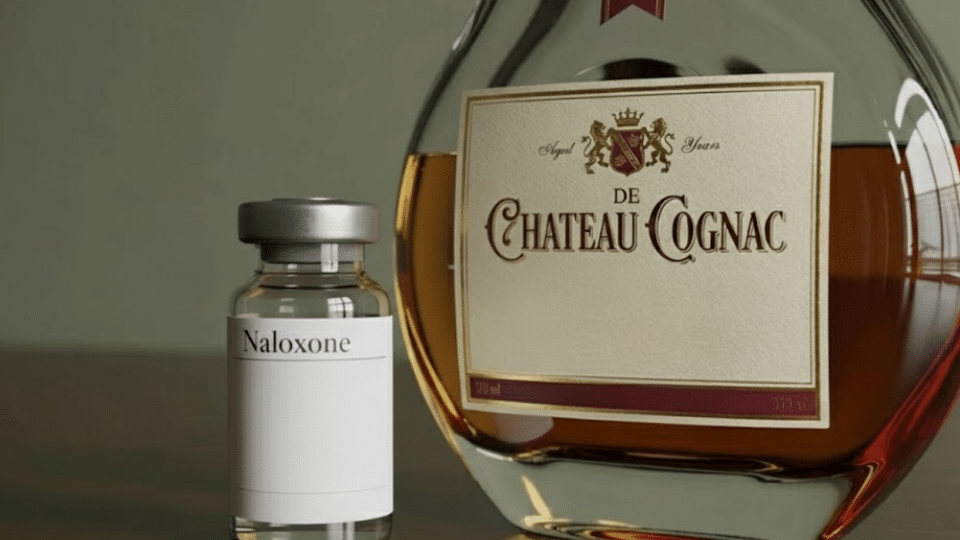
Naltrexone doesn’t just target opioids, it also reduces alcohol cravings through the same receptor-blocking mechanism.
How It Works for Alcohol
- Dampens the rewarding “buzz” from drinking
- Weakens the brain’s pleasure association with alcohol over time
- Reduces heavy drinking days and overall consumption
Who Benefits Most
- People motivated to cut back (not necessarily quit immediately)
- Those who’ve completed detox and want maintenance support
- Individuals without active liver disease (monitoring required)
Important limitation: Naltrexone doesn’t prevent alcohol poisoning or treat withdrawal, it’s a long-term tool, not an emergency fix.
What Naloxone Does in Critical Moments
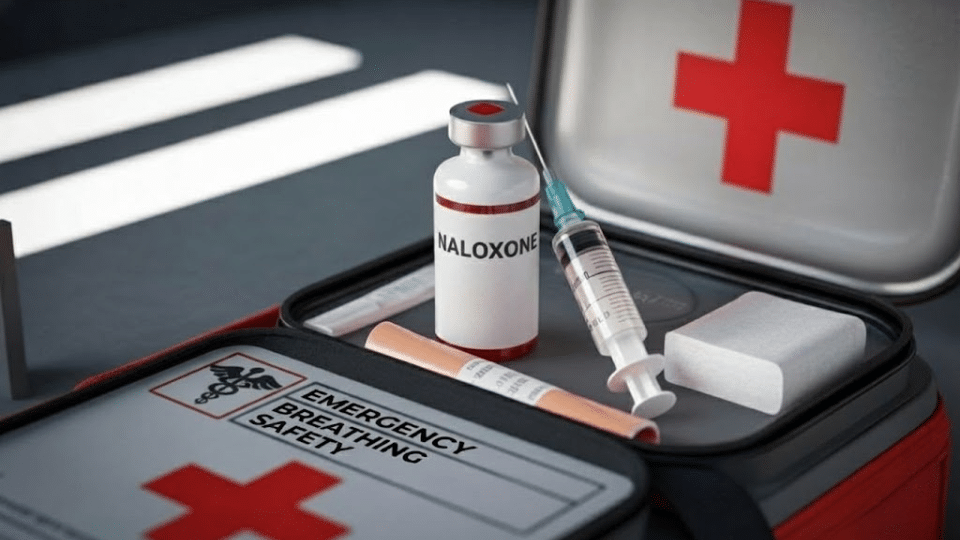
When breathing stops: An opioid overdose can quickly stop breathing. Naloxone doesn’t reverse intoxication but temporarily displaces opioids from brain receptors, restoring breathing.
The brief window between administration and a gasp of air can feel endless, but the medication works fast because seconds matter when oxygen isn’t reaching the brain.
The clock keeps ticking: Naloxone’s effects last 30 to 90 minutes, but many opioids stay active much longer. This creates a dangerous gap, as once naloxone wears off, the drug can cause a second overdose. Monitoring doesn’t end after waking, just beginning.
What bystanders face: After administration, expect confusion, agitation, or anger as withdrawal begins. These reactions show the medication works, not failure. Call 911, even if stable; the emergency ends only when professionals say so.
What Naltrexone Does Over Time
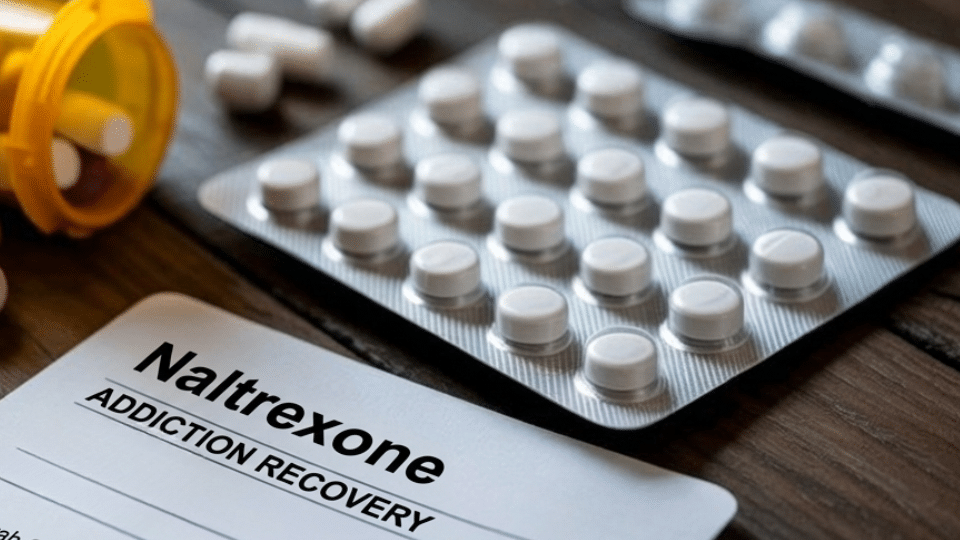
The detox requirement: Naltrexone can’t be started while opioids remain in the system. Introducing it too early triggers precipitated withdrawal, a sudden, severe reaction far worse than typical withdrawal.
The body needs 7 to 10 opioid-free days before naltrexone becomes safe. Unlike naloxone’s emergency action, naltrexone requires a clean slate.
Rewiring the reward system: Naltrexone blocks opioid receptors continuously, eliminating euphoria from drug use.
Over weeks and months, the brain stops linking opioids with pleasure. This isn’t willpower, it’s neurochemistry doing the work.
The same mechanism helps with alcohol use disorder by reducing drinking’s rewarding effects, making relapse less appealing.
Who shouldn’t take it: Anyone requiring opioid pain management can’t use naltrexone, it blocks necessary relief. People with liver issues need medical clearance, as the medication requires monitoring.
What People Get Wrong About These Drugs
Misunderstanding these medications can lead to false confidence, delayed emergencies, or dangerous recovery decisions. These three misconceptions show up repeatedly, and carry serious consequences.
Myth 1:“I’m on naltrexone, so I can’t overdose.” Naltrexone blocks euphoria, not overdose risk. Some people escalate doses, trying to overcome the blockade.
If naltrexone is stopped suddenly, tolerance drops, but taking that same elevated dose without protection can cause fatal respiratory depression. Blocking pleasure doesn’t equal blocking danger.
Myth 2: “Naltrexone replaces the need for naloxone.” Recovery isn’t linear, and relapse happens. Naltrexone offers zero emergency protection during overdose.
Everyone in opioid recovery benefits from having naloxone available, regardless of current naltrexone use. One medication prevents cravings; the other reverses life-threatening emergencies when they occur.
Myth 3: “Naloxone works for any overdose.” Naloxone only reverses opioid overdoses. It does nothing for alcohol, benzodiazepines, cocaine, or other substances.
Assuming it’s a universal antidote wastes critical time. Knowing what someone took matters, naloxone has one specific job, and it can’t substitute for emergency medical care.
The Bottom Line
The distinction between naloxone vs naltrexone isn’t academic; it shapes how we respond to crises and support long-term recovery.
Naloxone belongs in every emergency toolkit, ready to restore breathing when seconds count. Naltrexone belongs in treatment plans, quietly working to rebuild a life free from cravings.
Neither replaces the other, and both deserve understanding beyond their similar names. The right tool at the right time, that’s what saves lives and sustains recovery.
Ready to learn more about building a safety plan or understanding other addiction treatment options? Browse our library for more.