When I first started researching the long-term effects of depressants, I was surprised by how much misinformation exists, and how many people don’t realize they’re even using these medications or substances long-term until problems emerge.
Depressants slow down your central nervous system, and while they can provide relief in the short term, prolonged use fundamentally changes how your brain and body function.
In this article, I’ll walk you through what actually happens to your body over time with depressant use, from the first few weeks to years down the line.
We’ll cover the most common long-term risks like tolerance and dependence, cognitive changes, and emotional effects.
I’ll also explain why mixing depressants is so dangerous, what withdrawal looks like after extended use, and the warning signs that suggest it’s time to reassess your relationship with these substances.
Quick Answer: What Happens with Long-Term Depressant Use
Depressants slow your central nervous system. With repeated or long-term use, your body adapts, and not in helpful ways:
- Tolerance builds: You need more to feel the same effect
- Physical dependence develops: Your body expects the drug to function normally
- Cognitive problems emerge: Memory gaps, slower thinking, attention issues
- Mood changes: Increased anxiety between doses, emotional numbness, low motivation
- Withdrawal becomes dangerous: Stopping suddenly can cause seizures or life-threatening symptoms
- Overdose risk multiplies: Especially when depressants are combined with alcohol or other sedatives
What Counts as a Depressant

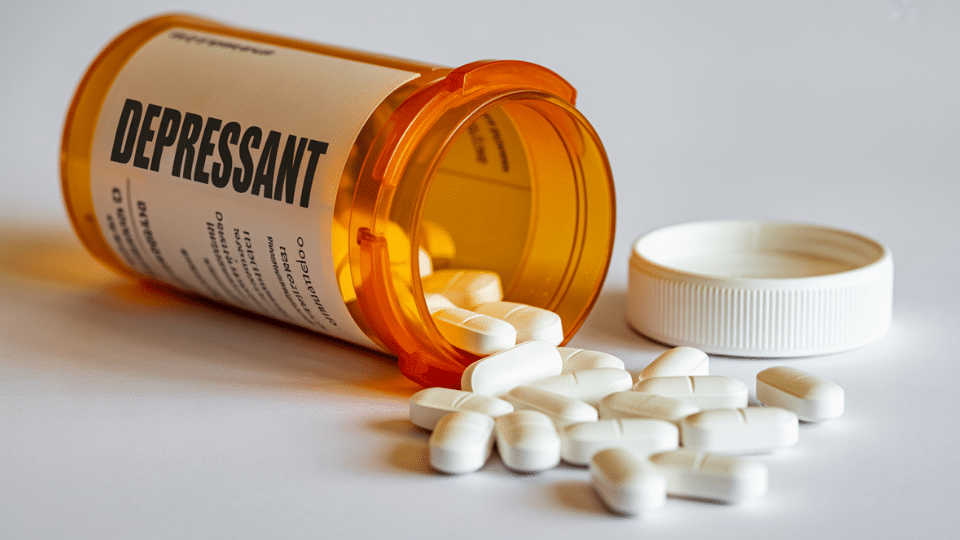
Depressants are substances that slow down your central nervous system, the network that controls everything from your breathing to your thoughts.
When that system slows, you feel relaxed, drowsy, or less anxious. But with repeated use, that slowing effect becomes a problem. Common depressants include benzodiazepines like Xanax, Valium, Ativan, and Klonopin.
Alcohol is also a depressant, despite how it might make you feel initially. Barbiturates (less common now), sleep medications like Ambien and Lunesta, and certain muscle relaxants like Soma fall into this category too.
Medications like Prozac, Zoloft, or Lexapro work completely differently and don’t slow your nervous system. The confusion happens often, but they’re unrelated drug classes.
Long-Term Effect of Alcohol and Its Reversibility
Your brain adapts to depressants by becoming more excitable to compensate. This creates escalating problems, some temporary, some lasting.
1. Tolerance and Dependence
How it progresses: Within weeks, your brain reduces calming receptors and ramps up excitatory signals. You need higher doses for the same effect. After months, your brain expects the drug to function normally, physical dependence sets in, and withdrawal emerges if you miss doses.
Can it be reversed? Yes, through careful tapering. Your nervous system recalibrates over weeks to months. Abrupt stopping is medically dangerous.
- Happens with prescribed use: Following the doctor’s orders doesn’t prevent tolerance or dependence
- Dose escalation is common: Original doses stop working; you gradually increase the amount or frequency
- Cross-tolerance develops: Tolerance to one depressant often means tolerance to others in class
2. Cognitive and Memory Effects
How it progresses: Early forgetfulness becomes noticeable as memory gaps after weeks. Months of use bring persistent brain fog, blackouts during use, and slower thinking. Long-term use causes a decline in attention, processing speed, and decision-making that persists between doses.
Can it be reversed? Mostly. Most people recover significantly within 6 months. Older adults and long-term high-dose users may have lasting memory deficits.
- Age accelerates damage: Older adults experience more severe decline and slower recovery after stopping
- Blackouts signal serious impairment: Unable to remember what happened during use is a red flag
- Executive function suffers: Planning, organizing, and problem-solving become harder, even when not using
3. Mood and Emotional Effects
How it progresses: Initial calm gives way to rebound anxiety between doses within weeks. Emotional numbness develops, reduced pleasure, connection, and motivation. Long-term use worsens the exact symptoms it was meant to treat, creating a paradox.
Can it be reversed? Usually, within 3-6 months. Your brain rebalances gradually. You might feel worse during tapering before improving.
- Rebound symptoms worsen gradually: Increasingly anxious or depressed as each dose wears off
- Anhedonia develops: Loss of interest in previously enjoyed activities; emotionally flat daily
- Depression can emerge: Long-term use can trigger depressive symptoms even without a prior history
Mixing Depressants: Where Long-Term Use Becomes Life-Threatening
When you combine depressants, their effects don’t just add up; they multiply. Your body gets overwhelmed from multiple angles at once, and respiratory failure can happen fast.
| Combination | Why It’s Dangerous | Common Scenario |
|---|---|---|
| Alcohol + Benzodiazepines | Both suppress breathing; moderate amounts together can cause respiratory failure | Xanax or Valium with drinks at dinner |
| Opioids + Alcohol | Intensifies respiratory depression dramatically; highly lethal combination | Pain medication with wine or beer |
| Opioids + Benzodiazepines | Double respiratory suppression causes the majority of depressant overdose deaths | Percocet and Klonopin on the same day |
| Sleep Meds + Alcohol | Creates unpredictable sedation and breathing suppression | Nightly wine with prescribed Ambien |
| Multiple Prescriptions | Effects stack even without alcohol or opioids | Xanax, Flexeril, and Ambien from different doctors |
Most fatal overdoses involving depressants include more than one substance. Long-term tolerance makes this worse; you’re taking higher doses of your prescription, then adding “just one drink,” and your margin for error disappears.
Withdrawal Risks After Long-Term Use

Your brain adapted to the drug’s presence. When you stop, it’s overactive with nothing to calm it, withdrawal begins. Why withdrawal from depressants is medically serious:
- Seizure risk: Benzodiazepines and alcohol withdrawal can cause seizures without warning, even in people with no seizure history
- Timeline varies: Symptoms can start within hours or take days to peak, depending on the specific depressant
- Severity escalates with use: Longer duration and higher doses create more dangerous withdrawal; months or years of use significantly increase risk
- Physical symptoms: Anxiety, panic attacks, insomnia, tremors, sweating, rapid heartbeat, nausea, and muscle tension are common
- Life-threatening complications: Delirium tremens (DTs), severe blood pressure spikes, hallucinations, and confusion require emergency medical care
Never stop using depressants abruptly after regular use. Tapering under medical supervision is essential for safety.
What to Do If You’re Concerned
If you’re worried about your depressant use or want to stop, follow these steps.
Safe Next Steps
☐ Don’t stop suddenly, talk to your prescriber or pharmacist first
☐ Ask about a tapering schedule to reduce withdrawal risk
☐ Avoid mixing depressants, especially alcohol, during any changes
☐ Consider CBT or sleep hygiene changes as non-drug alternatives
☐ Document your current use: dose, frequency, duration, symptoms
Get Emergency Help If You Experience
☐ Seizures, confusion, or hallucinations
☐ Difficulty breathing or loss of consciousness
☐ Severe tremors or rapid heartbeat after missing doses
SAMHSA National Helpline: 1-800-662-4357 (free, confidential, 24/7)
Final Advice
Understanding the long-term effects of depressants isn’t about fear; it’s about making informed decisions.
I’ve shown you how your brain adapts over time, why tolerance and dependence develop even with prescribed use, and which cognitive and emotional changes are reversible versus permanent.
The dangers of mixing depressants aren’t theoretical; they’re the leading cause of overdose deaths involving these substances.
If you’re using depressants long-term, whether prescribed or otherwise, you now have a clearer picture of what’s happening in your body and what steps matter most for safety.
The earlier you address concerns, the better your chances of full recovery. Have questions or experiences to share? Drop a comment below, I’d like to hear what resonated or what you’re still wondering about.