I remember hearing people talk about sleep troubles and mood swings, and trazodone often came up in the conversation.
You may have seen the same thing and wondered what makes this medicine so common. Many people rely on it for rest or a steady mood, and that can raise real concerns about how safe it is to use long-term.
The topic of trazodone addictive questions shows up a lot, and it’s easy to feel unsure about what’s true and what isn’t.
I wrote this to give you clear, steady guidance you can use right away. So let’s walk through the facts together in a simple way
Understanding Trazodone?
Trazodone is a medicine that helps with mood and sleep problems. Doctors often use it for depression because it affects a chemical in your brain called serotonin. This chemical plays a role in how you feel, how well you rest, and how your body handles stress.
At lower doses, trazodone can make you feel sleepy. That’s why many people receive it for sleep issues, even though that use is not part of its original approval. It also tends to cause fewer problems than some stronger sleep medicines.
People who need support for both mood and rest may get trazodone because it can help with each area without the stronger risks seen in other drugs.
Is Trazodone Addictive?
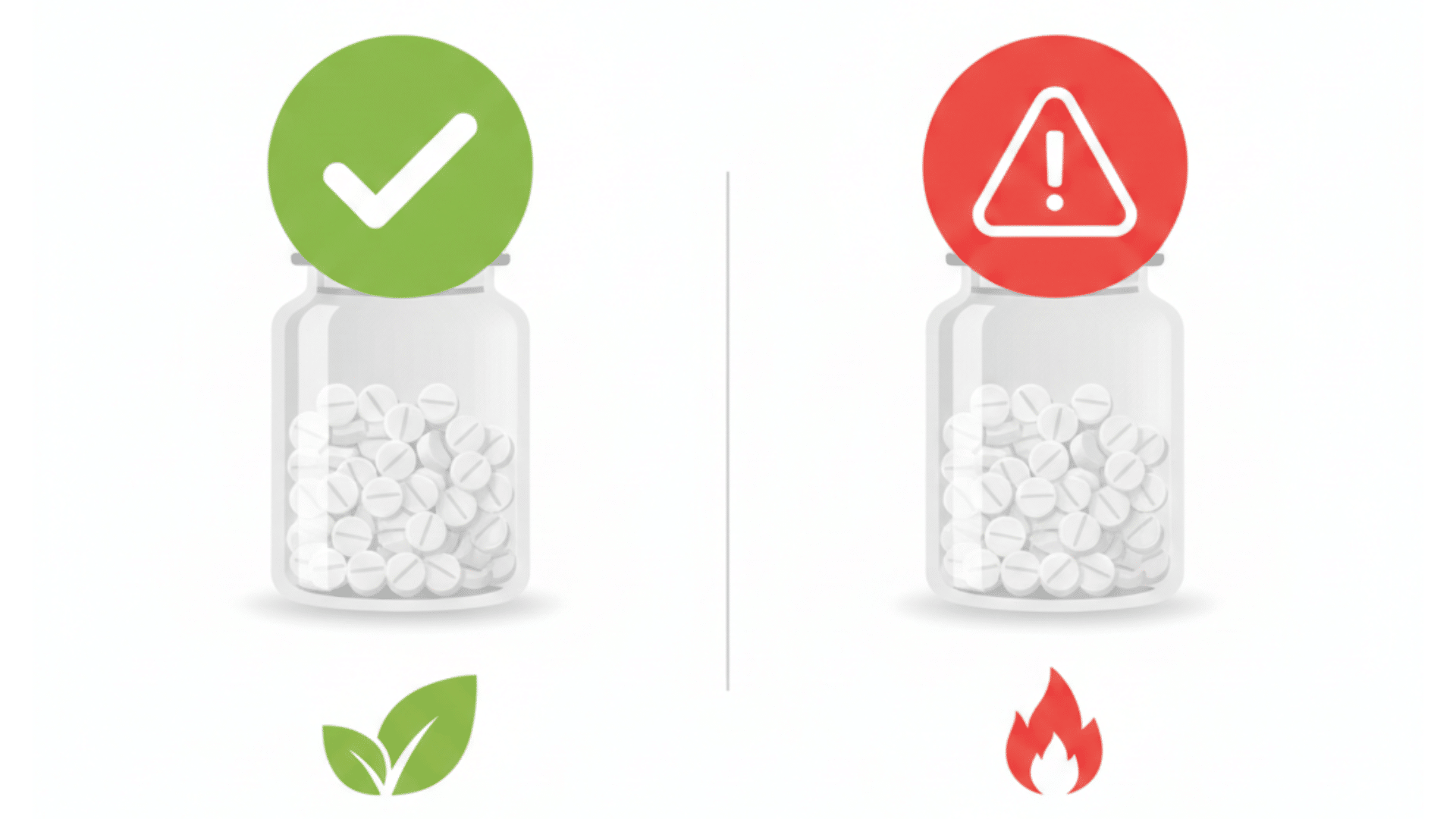
Trazodone has a low risk of addiction because it does not activate strong “reward” signals in the brain. Addiction includes cravings, loss of control, and using a drug even when it causes harm. Dependence is different.
Physical dependence means your body adjusts to the medicine, so stopping suddenly may cause discomfort. Psychological dependence means you feel you need the medicine for sleep or a steady mood, even if your dose has not changed.
Several studies support the lower addiction risk.
A 2018 review in the Journal of Clinical Psychopharmacology found no signs of drug-seeking behavior in patients treated with trazodone.
A 2023 safety study in the Journal of the Neurological Sciences reported fewer abuse-related events with trazodone compared to benzodiazepines.
Trazodone is also not listed as a controlled substance under U.S. law, which reflects its lower misuse potential. Even with this, long-term use, using higher doses, or mixing it with alcohol or other sedating drugs can raise your risk.
Using the dose your doctor gives and paying attention to changes in your sleep, mood, or habits makes the medicine safer for you.
When Trazodone Dependence Becomes More Likely
Dependence can happen when the body slowly adapts to regular use. These points help you understand when the risk becomes higher for you.
- Using higher doses than prescribed
- Taking it every night for long periods
- Mixing it with alcohol or other sedating drugs
- Having a history of substance misuse
- Stopping suddenly instead of slowing down the dose
- Using it only for sleep without other sleep habits
- Taking extra tablets on stressful nights
- Relying on it to stay calm during the day
These patterns do not guarantee dependence, but they increase the likelihood. Careful use and steady habits can lower your overall risk.
Signs of Misuse, Dependence, or Problematic Use
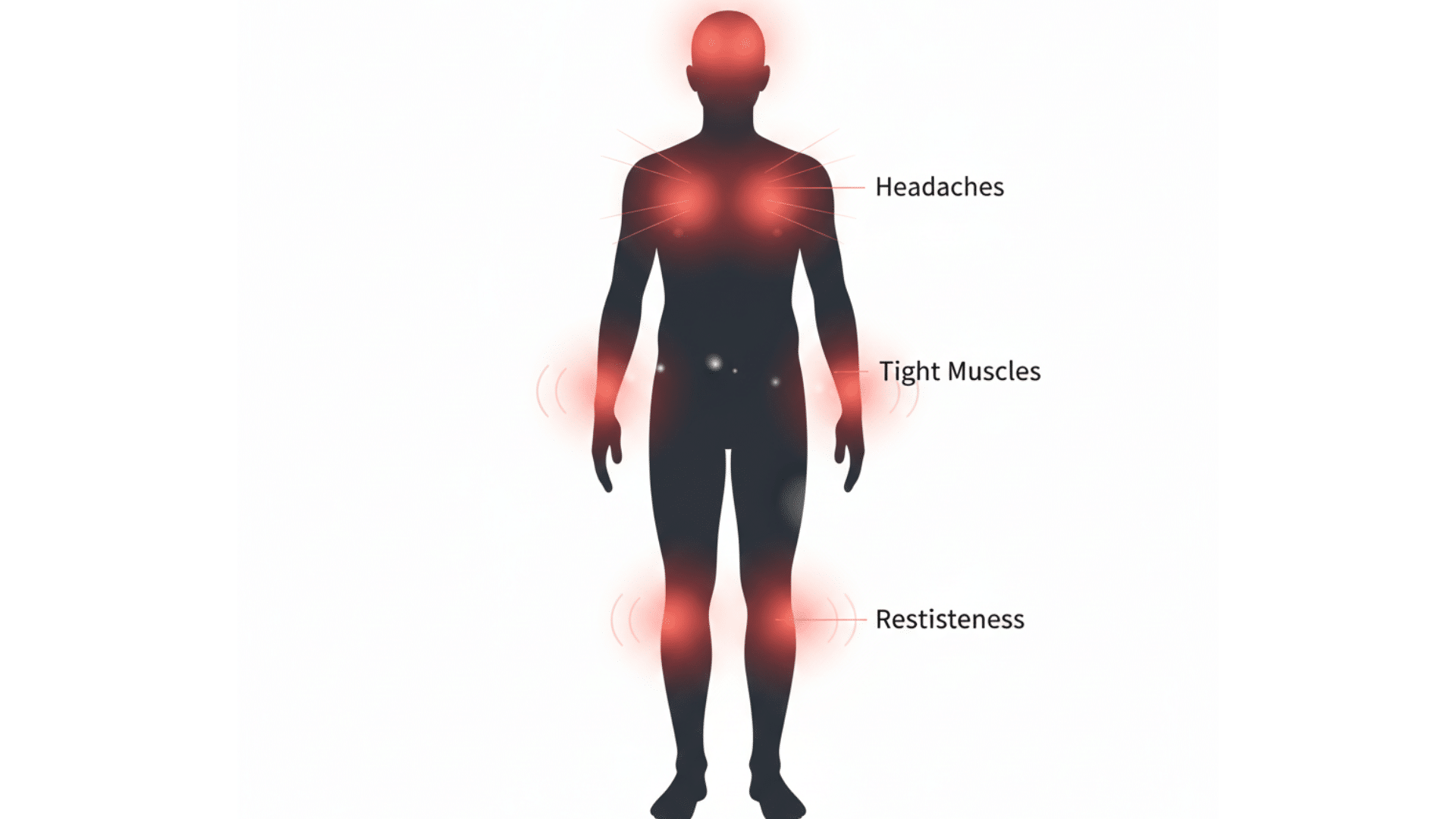
Knowing the early signs helps you understand when trazodone use may be shifting into a pattern that needs attention or medical guidance.
Behavioral Signs
These actions show that your habits around the medicine may be changing in a way that suggests growing reliance rather than planned use.
- Asking for refills early
- Taking more than prescribed
- Saving tablets for extra nights
- Hiding how much you use
- Using someone else’s tablets
Physical Signs
Your body can show signals when it begins to depend on the medicine or reacts when the dose changes too quickly.
- Trouble sleeping after missed doses
- Restlessness
- Headaches
- Sweating
- Tight muscles
- Feeling “off” when you skip a dose
Emotional or Psychological Signs
These feelings can appear when you begin to rely on the medicine for comfort, sleep, or steady emotions.
- Feeling unable to sleep without it
- Worrying about running out
- Thinking about the next dose
- Using it to cope with stress
- Feeling uneasy if the dose changes
How Trazodone Use Differs for Sleep vs. Depression
Trazodone works in both areas, but the dose, timing, and goals change. This table helps you see the main differences clearly.
| Use Case | Typical Dose Range | How It Works in This Range | Why Doctors Choose It | Key Risks to Watch |
|---|---|---|---|---|
| Sleep Support | Often 25–100 mg at night | Calms certain receptors that make you sleepy | Helps when other sleep options cause stronger side effects | Morning grogginess, habit-forming sleep routine, mixing with alcohol |
| Depression Support | Often 150–300 mg in divided doses | Adjusts serotonin levels to help steady mood | Useful when sleep and mood both need guidance | Dizziness, low blood pressure, feeling tired during the day |
| Combined Mood + Sleep Needs | Dose varies by person | Supports mood while also helping rest | Chosen when poor rest worsens mood issues | Taking too much at night, daytime tiredness |
This comparison shows how dose and purpose change the overall effect. Knowing the difference helps you use the medicine more safely.
Personal Risk Factors: Who is More Vulnerable?

Certain personal situations can raise your chance of developing dependence. Understanding these areas helps you use the medicine with more care and awareness.
1. Age Factors (Elderly Sensitivity)
Older adults often feel stronger effects from many medicines, including trazodone.
The body clears the drug more slowly with age, which can increase tiredness, dizziness, and balance problems. These changes may lead someone to rely on the medicine more than planned, especially if sleep problems are ongoing.
Lower doses are often used for safety, but even then, close monitoring helps prevent issues. Talking with a doctor about daily habits, fall risk, and overall health can reduce problems linked to age and long-term use.
2. Mental-Health History or Co-Conditions
People who live with depression, anxiety, trauma, or chronic stress may lean on trazodone more heavily during difficult times.
When mood problems rise and sleep drops, the medicine can feel like a steady solution, which may lead to gradual dependence. Extra care is needed if someone has rapid mood swings or past episodes of deep sadness.
Working with a provider on therapy, lifestyle habits, and coping tools helps lower the risk of relying on trazodone as the main support for emotional strain or sleep trouble.
3. Past Substance Misuse
Anyone with a history of misusing alcohol, pills, or other substances may be at higher risk.
Even though trazodone does not create strong cravings, someone with a past pattern of self-medicating may start using it for relief in stressful moments. This can build a routine that becomes harder to stop.
Sharing your full history with a provider helps them choose safer dosing, offer extra support, and watch for early signs of overuse. Honest communication makes long-term use safer and more balanced.
4. Poly-Medication Use (Drug Interactions)
People who take several medicines at once may face extra risks.
Trazodone can interact with drugs used for mood, blood pressure, pain, or sleep. These combinations may increase tiredness, dizziness, or confusion, which can push someone to use the medicine more often for comfort or rest.
When many medicines affect the same systems in the body, dependence can build slowly. Reviewing your full medication list with a provider helps prevent unsafe combinations and keeps your overall treatment plan steady.
5. Shift Work / Chronic Insomnia Cases
People who work nights, rotate schedules, or struggle with long-lasting sleep issues face unique challenges.
Irregular hours and constant fatigue make trazodone feel helpful, and this can turn into nightly reliance. When sleep is disrupted for months or years, the medicine may become part of a routine that feels necessary.
Using sleep habits, light control, and stable routines alongside trazodone lowers the chance of long-term dependence. A provider can help build a plan that keeps rest steady without relying only on the medicine.
Trazodone vs. Other Sleep and Mood Medications
Many medicines help with rest or mood, but they work differently. This table shows how trazodone compares so you can understand your options clearly.
| Medication Type | Common Use | Addiction or Dependence Risk | Key Differences From Trazodone | When It May Be Used Instead |
|---|---|---|---|---|
| Benzodiazepines (example: lorazepam) | Short-term sleep or anxiety | High risk with long use | Stronger sedation; faster habit risk | Severe anxiety or short sleep crisis |
| Z-Drugs (example: zolpidem) | Sleep support | Moderate to high risk | Quick sleep effect; stronger rebound issues | When rapid sleep onset is needed |
| SSRIs (example: sertraline) | Mood support | Low dependence risk | Helps mood only; no sleep sedation | Long-term depression treatment |
| SNRIs (example: venlafaxine) | Mood and anxiety | Low to moderate risk | Can raise energy; may affect sleep | When low mood and fatigue appear together |
| Over-the-counter sleep aids | Occasional sleep trouble | Low addiction risk | Often causes morning tiredness | Short-term sleep problems |
This comparison shows where trazodone fits among common choices. The best option depends on your symptoms, daily needs, and how your body responds.
Special Populations: Different Considerations
Some groups may react differently to trazodone. These points explain how certain health situations can change safety, dosing needs, or overall response.
Older Adults
Older adults often process medicines more slowly, which can make the effects of trazodone stronger. This can raise the chance of dizziness, confusion, or balance problems, especially at night. These issues may lead to falls or daytime tiredness.
Because of this, doctors often begin with lower doses and check in more often. Good hydration, steady routines, and monitoring for light-headed moments help reduce risk.
Sharing any changes in sleep, alertness, or movement with a provider makes treatment safer.
Pregnant or Breastfeeding Women
Information on trazodone in pregnancy and breastfeeding is limited. Some studies suggest low transfer through breast milk, but the long-term effects are unclear.
Sleep and mood changes are common during pregnancy, which may increase interest in medicine support.
Any decision to use trazodone in these stages should be guided by a provider who can check symptoms, timing, and risks. It is important to talk about all medicines, supplements, and sleep struggles to create a safe plan.
People With Heart or Blood-Pressure Issues
Trazodone can affect blood pressure and heart rhythm in some people. Those with existing heart conditions or a history of fainting should be watched more closely.
Even small dose changes can influence how the heart responds during rest or movement. Doctors may check heart tests, blood pressure readings, and overall response before raising a dose.
Reporting chest tightness, unusual tiredness, or sudden drops in energy helps catch problems early and keeps treatment safer.
People With Complex Sleep Disorders
Some people live with sleep problems linked to pain, breathing issues, or irregular schedules. In these cases, trazodone may help, but it might not fix the root cause.
People with sleep apnea, restless legs, or shift-work sleep trouble often need a mix of tools, not just medicine. Using light control, steady routines, and other supports often makes treatment more effective.
Working with a provider helps find the right balance and avoids relying only on trazodone for nightly rest.
Conclusion
I hope this helped you understand how trazodone works, when dependence becomes more likely, and how you can use it with more confidence.
The main idea is simple: careful use, steady habits, and honest check-ins with your provider make a real difference. Many people use the medicine safely, and knowing the signs of trouble helps you stay ahead of any concerns.
As you think about your own routine, keep the key points in mind and pay attention to how your body responds.
If you want to keep learning, check out more topics related to trazodone addictive and other health questions. I’d love to hear what you want to read next.