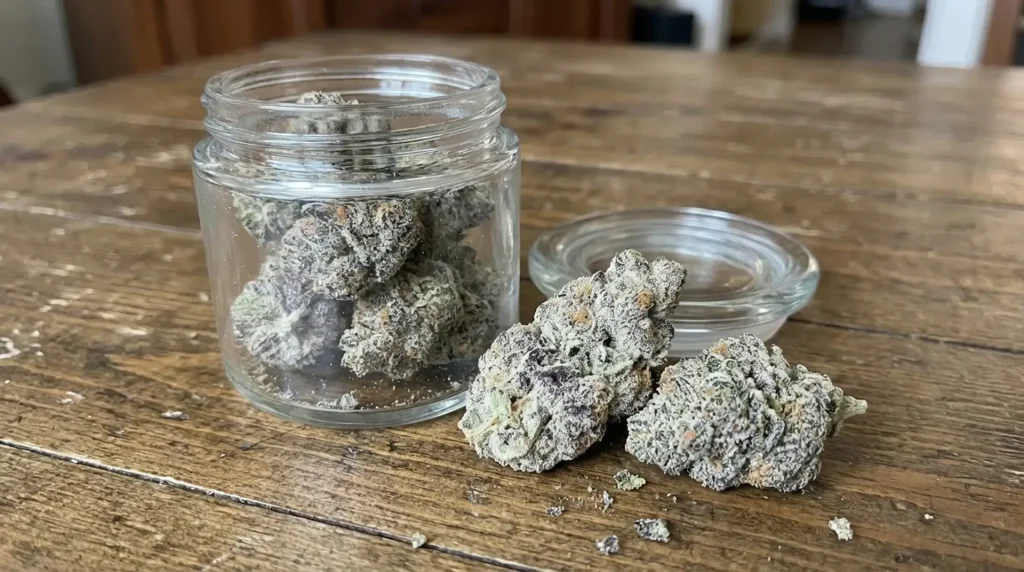
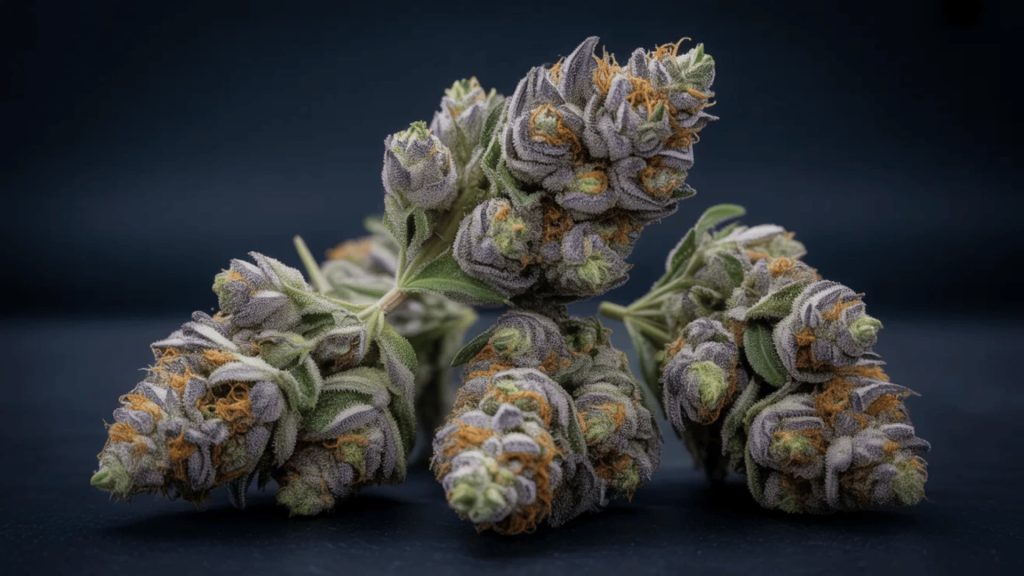
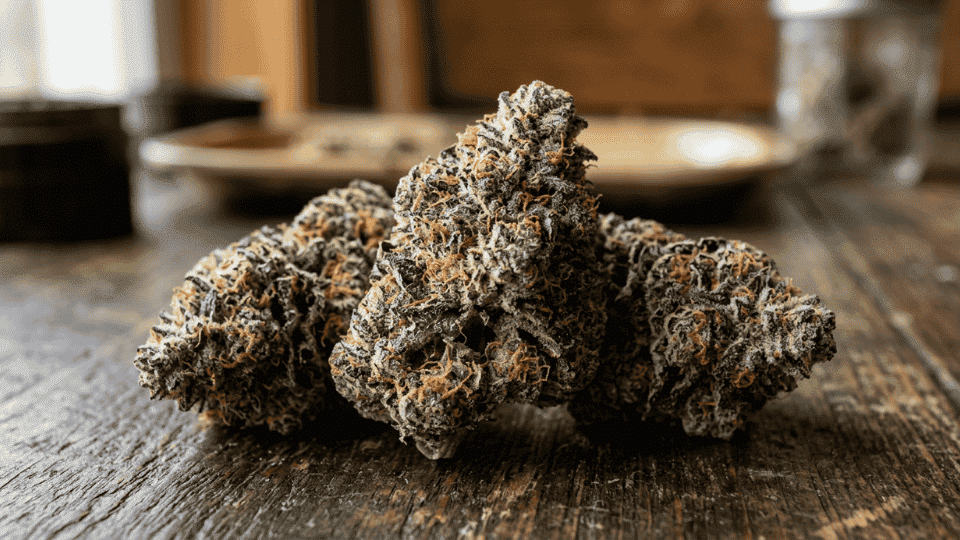
Wondering if THCA is legal? You’re in the right place. THCA, the non-psychoactive precursor to THC, doesn’t get you high unless heated, which creates a legal gray area.
This blog will help you understand its legal status at both the federal and state levels, and how recent legislative changes affect its legality.
I’ll walk you through the ins and outs of THCA, explain where it’s legal, and highlight the state-specific nuances you should be aware of.
If you’re curious about the rules surrounding THCA products or need to stay updated on legal shifts, this guide will give you the answers you need.
Disclaimer: This content is for general information only and is not legal or medical advice. Laws vary by state and change over time. Always check current regulations and consult a qualified professional before buying, selling, or using THCA products.
Understanding THCA
THCA (tetrahydrocannabinolic acid) is the raw, non-psychoactive precursor to THC found in cannabis plants. Unlike THC, THCA doesn’t produce a high on its own.
However, when heated through processes like smoking, vaping, or cooking, it undergoes decarboxylation, which converts it into psychoactive THC.
This chemical transformation is why THCA is often found in raw cannabis and why it’s gaining interest.
Beyond its potential to convert to THC, THCA is also recognized for its wellness benefits, includinganti-inflammatory and neuroprotective properties.
As a result, more people are turning to THCA for its therapeutic effects without the mind-altering effects of THC.
However, THCA’s legal gray area makes it a tricky substance to navigate, as some states have laws that prohibit its use once it changes into THC. Understanding these nuances is key to staying compliant with local laws.
Federal Legal Status of THCA in the U.S.
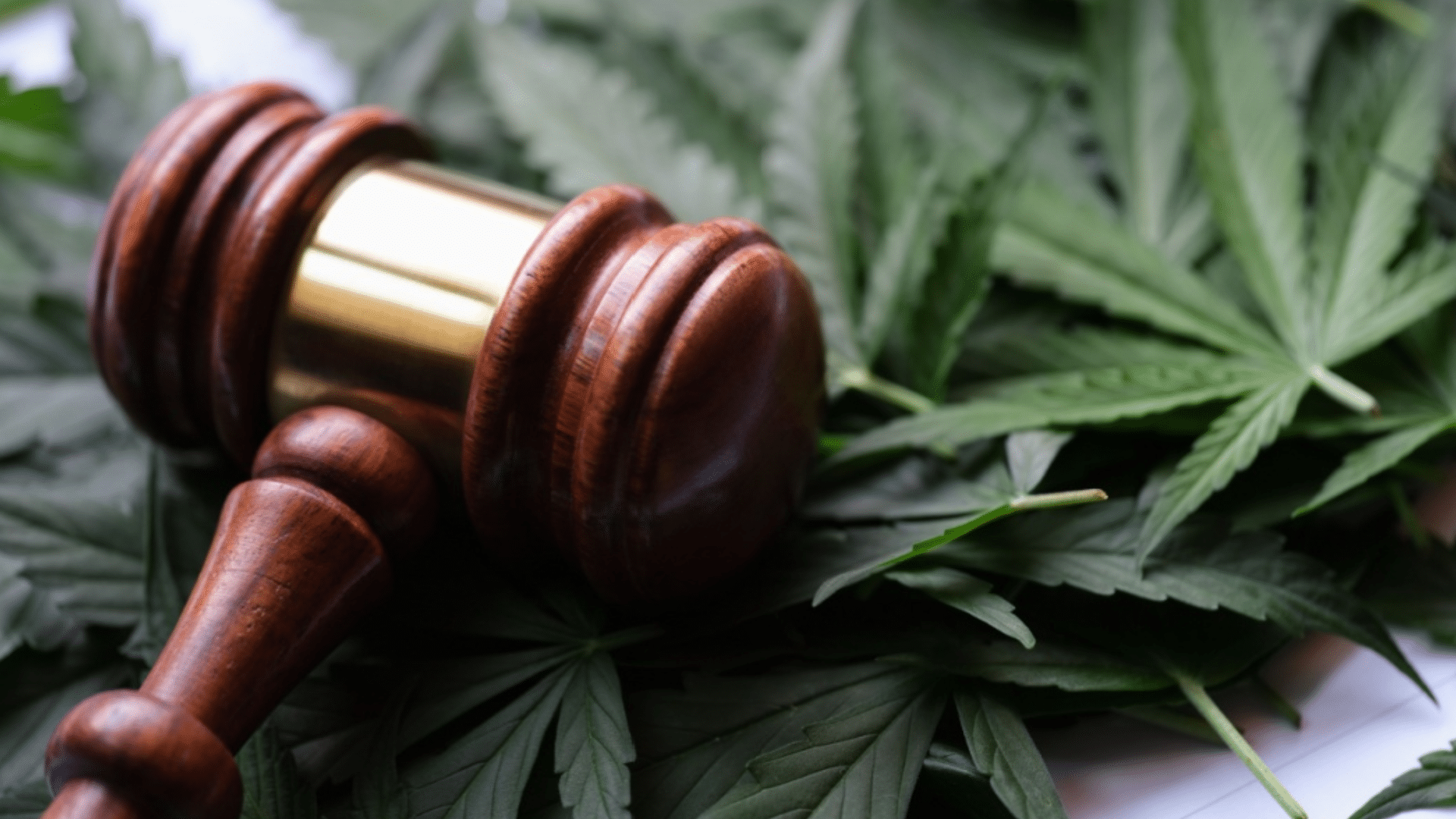
At the federal level, THCA is not specifically listed as a controlled substance. However, legality depends on how THC content is measured and interpreted.
Under the 2018 Agricultural Improvement Act (Farm Bill), hemp is defined as cannabis containing no more than 0.3% delta-9 THC by dry weight. Hemp derivatives, extracts, and cannabinoids are included under that definition.
On paper, this creates a pathway for THCA products to exist legally, as long as delta-9 THC stays below the limit.
Federal agencies increasingly rely on “Total THC” testing, not just delta-9 THC alone.
Total THC includes:
- Existing delta-9 THC
- Plus, the THC that THCA can convert into
This means a product can technically comply with the delta-9 rule but still be treated as illegal marijuana once Total THC is considered.
So while THCA isn’t federally banned by name, it exists in a narrow and unstable legal window that depends on testing methods and regulatory interpretation.
State-by-State Legal Status of THCA
THCA’s legal status can be complex because federal and state laws interpret its legality differently. Below is a table summarizing the current legal status of THCA in key states:
| State | Legal Status | Details |
|---|---|---|
| California | Fully Legal | Legal for both recreational and medical use, with no restrictions on the decarboxylation process. |
| Colorado | Fully Legal | Legal for recreational and medical use, including THCA products, with no restrictions. |
| Illinois | Fully Legal | Legal for recreational and medical use, including THCA, with comprehensive cannabis legislation. |
| Georgia | Gray Area | SB 494 includes THCA in the total THC calculation, making some high-THCA products illegal after heating. |
| Texas | Gray Area | Inconsistent enforcement; hemp-derived THCA is allowed, but local authorities may regulate decarboxylated THC. |
| Tennessee | Gray Area | Legal ambiguity varies by jurisdiction, with potential issues if THCA is converted to THC. |
| Idaho | Illegal | Bans all THC-related cannabinoids, including THCA, even if derived from hemp. |
| South Dakota | Illegal | Bans THCA, treating it the same as marijuana, regardless of origin. |
Consumer and Retailer Safety: How to Stay Compliant
While THCA offers potential wellness benefits, there are several risks associated with its use and sale that both consumers and businesses need to be aware of:
For Consumers
As a consumer, it’s essential to stay informed and cautious when purchasing THCA products. Here are a few steps to help you stay compliant with state laws and avoid any legal complications.
- Verify Legality: Always check your state’s laws before purchasing THCA products, especially online. Laws can vary widely, so confirm that THCA is legal in your state and avoid issues when buying across state lines.
- Check Lab Results: Request a Certificate of Analysis (COA) to verify THC content. Ensure the product is within legal limits (under 0.3% Delta-9 THC) through third-party testing to avoid buying illegal products.
- Avoid Heated Products: In gray area states like Georgia or Texas, avoid THCA vapes or flower that may convert to THC when heated. These products could exceed the legal 0.3% THC limit once heated, leading to potential legal issues.
For Retailers
If you’re a retailer, ensuring compliance with THCA laws is vital for staying legal and protecting your business from penalties. Here’s what you need to do.
- Lab Testing Compliance: Ensure all THCA products undergo total-THC testing (THCA + Delta-9 THC ≤ 0.3%). Use reputable third-party labs to confirm legal compliance with both federal and state laws.
- Clear Labeling: Label all THCA products with detailed lab results and COAs. Make them easily accessible to consumers, ensuring transparency and trust in your compliance with legal standards.
- Geo-Restrictions: Implement state-specific sales restrictions and geo-blocking features to prevent shipping products to states where THCA is banned or unclear, ensuring legal compliance and reducing risk.
Real-Life Legal Challenges with THCA Products
Learn real-life examples of consumers and retailers facing legal challenges due to THCA products in varying state laws.
Case Study 1: The Confusion in Georgia Over High-THCA Flower
In Georgia, a consumer purchased high-THCA flower under the assumption it was legal federally.
However, with the passage of SB 494 in 2024, which includes THCA in the total THC calculation, the product exceeded the 0.3% THC threshold once heated, making it illegal under state law. This shift caused confusion, as the total THC testing method was unclear.
According to the NCIA’s report, this change illustrates how quickly legal frameworks can shift, leaving consumers at risk.
The “patchwork of cannabis laws” described in their analysis highlights the ongoing challenges for consumers navigating the evolving legal landscape of cannabis products.
Case Study 2: Retailer Penalties for Shipping THCA to an Unclear State
A Texas retailer selling THCA products online faced legal penalties after a customer in South Dakota was caught using a THCA vape cartridge.
South Dakota bans THCA outright, despite its compliance with federal guidelines. The retailer, despite using reputable lab testing and COAs, failed to consider state-specific laws.
Fined for non-compliance, the retailer was urged to implement geo-restrictions to prevent shipping to unclear jurisdictions in the future.
Summary of THCA vs. THC
| Factor | THCA | THC |
|---|---|---|
| Chemical structure | Contains a carboxylic acid group (–COOH) | Lacks the carboxylic acid group |
| Psychoactive effect | Non-psychoactive | Psychoactive (“high”) |
| Found in | Raw cannabis and hemp plants | Heated, smoked, or processed cannabis |
| Legal focus | Often treated as hemp-derived under federal law | Classified as a controlled substance |
Final Thoughts
Is THCA legal? THCA can be tricky, as its effects and legal status depend on how it’s tested, stored, and used.
In this blog, I’ve explained how federal hemp regulations apply, why state laws matter more than you might think, and how total THC testing can affect whether a product is legal.
The key takeaway is simple: never assume a product’s legality based on labels or online claims. Always review lab reports and your state’s laws before buying or selling.
Staying informed and cautious helps minimize risks and prevent unexpected issues.
For more clear information like this, check out my other blog posts on the site and keep learning. Stay informed, make confident decisions, and keep reading to stay up-to-date!