I bet you already knew that MDMA is illegal, but do you know if MDMA is legal anywhere? And why does its legality differ country-by-country? MDMA is a class 1 drug, but its usage has gone from illegal to legal for medical purposes over the years.
Turns out many class 1 drugs like MDMA are now permitted for limited medical research under strict supervision. This information isn’t just relevant for people in the medical community, but also for us.
You never know when legal knowledge might come in handy. Doesn’t hurt to be prepared. So, if you’re curious about therapeutic research, potential penalties, or the future of MDMA legalization, the following sections will enlighten you on all.
This Information is for educational purposes only. MDMA is illegal in most countries. We do not condone illegal drug use.
What is MDMA?
MDMA (3,4-methylenedioxymethamphetamine) is a synthetic substance that affects brain chemistry by releasing serotonin, dopamine, and norepinephrine, chemicals that regulate mood, energy, and emotional response.
Its combination of stimulant and psychedelic properties contributes to its unique legal classification.
MDMA is often sold as “Ecstasy” or “Molly,” but these names can be misleading. Substances labeled with these may contain adulterants or other chemicals, posing significant health and legal risks.
MDMA was examined therapeutically during the 1970s and early 1980s before gaining recreational popularity in music and club culture.
Increased media coverage and public awareness eventually drew regulatory attention, leading to current legal restrictions worldwide.
Is MDMA Legal in the United States?
MDMA is classified as a Schedule I controlled substance under federal law in the United States, making it illegal to manufacture, possess, or distribute outside approved research settings. Violations can result in serious fines and prison time.
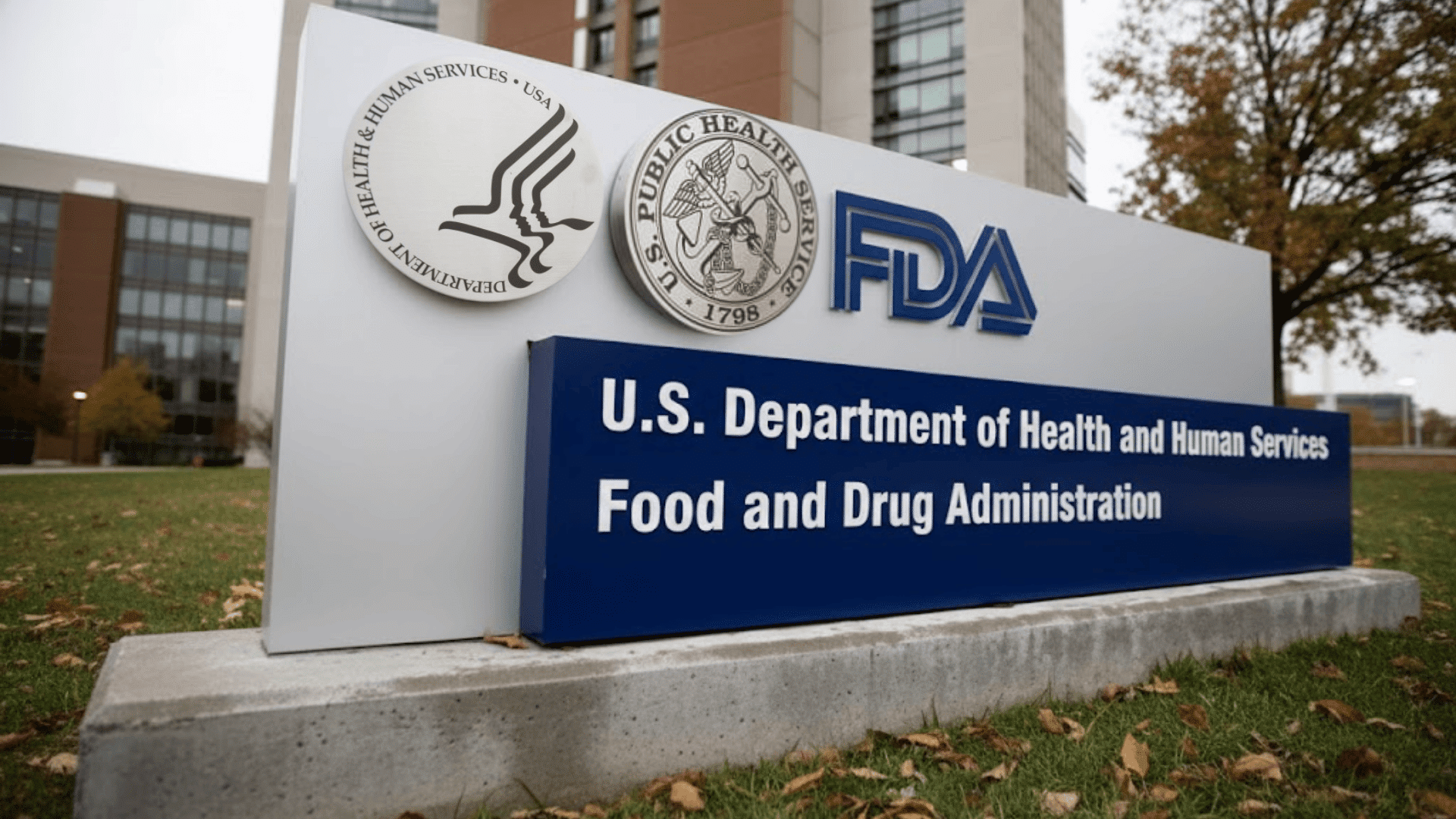
While not available to the general public, the FDA has granted MDMA-assisted therapy a special research status, though it is not yet legally usable for PTSD in standard medical practice outside of approved clinical trials.
No U.S. state has legalized MDMA for recreational or medical use. Since federal law overrides state law, states cannot independently legalize a Schedule I substance.
While some states have explored broader drug policy reform, none permit the legal possession or sale of MDMA. Any meaningful legal change would require federal action and comprehensive regulatory approval.
Is MDMA Legal Anywhere: Global Status and Exceptions
MDMA laws vary by country, but only a small number of nations play a major role in current debates over its legality or medical research. The sections below focus on the countries most often referenced in relation to MDMA law, enforcement, or clinical studies.
1. Countries Where MDMA Is Illegal
MDMA is fully Illegal under National Law in these countries:
- United Kingdom – MDMA is classified as a Class A drug. Possession, production, or sale can result in severe criminal penalties.
- Canada – MDMA is illegal under federal law. Unauthorized possession or distribution is a criminal offense.
- Most European Union countries prohibit MDMA across the EU, with enforcement handled at the national level.
Under current law, MDMA has no legal path for public use in any of these countries.
2. Countries With Limited or Conditional Legal Use
Countries where MDMA is permitted only for Approved Medical Research:
- United States – MDMA may be used only in FDA-approved clinical trials under strict research conditions.
- Switzerland – MDMA-assisted therapy research is allowed through special government authorization for limited cases.
- Israel – MDMA research is permitted in regulated clinical settings focused on mental health treatment.
Recreational use remains illegal in all of these countries.
3. Countries Exploring Medical Legalization
Countries that are advancing in MDMA-Assisted Therapy:
- Australia – MDMA-assisted therapy is approved for specific mental health treatment under tight medical regulation.
- Canada – Some patients may access MDMA therapy through federal special access programs for severe conditions.
- United States – Late-stage clinical trials are underway for MDMA-assisted therapy, mainly for PTSD.
These programs do not permit public possession, sale, or non-medical use.
Global Note: MDMA is illegal worldwide except for limited research. Most countries follow international drug control treaties prohibiting recreational use.
Health Risks and Safety Concerns
MDMA use involves both immediate physical effects and longer-term health risks. Understanding these dangers is essential, especially given the lack of regulation in illegal markets.
The following table outlines the primary health concerns associated with MDMA use:
| Health Risk Category | Description | Prevention/Mitigation |
| Short-Term Effects | Elevated heart rate, blood pressure, body temperature, and mood changes | Hydration, cool environment, and monitoring |
| Physical Risks | Dehydration, overheating, cardiovascular strain, and sleep issues | Rest, temperature control, and avoid exertion |
| Mental Health Risks | Anxiety, mood changes; worse with pre-existing conditions | Mental health screening, professional support |
| Contamination & Dosing | Unknown purity, strength, and harmful additives | Testing kits, avoid unknown sources |
| Safety Concerns | Risks from lack of supervision, uncontrolled settings, and mixing drugs | Medical oversight, controlled environment |
The illegal status of MDMA means users cannot verify what they’re taking, and medical help may be delayed due to legal fears. These factors significantly amplify health dangers.
Why is MDMA Still Illegal Despite Medical Research?

Despite promising clinical studies, MDMA remains illegal in most countries due to its Schedule I classification in the U.S., established by the DEA in 1985.
Legal approval requires extensive proof of safety and effectiveness. Regulators like the FDA demand large-scale trials with consistent results, clear safety protocols, and evidence that benefits outweigh risks.
MDMA research is still building this evidence through ongoing studies. Governments worry about potential misuse, long-term health effects, and the safety of distribution systems.
The drug’s history of recreational use influences regulatory caution. Legal change requires overcoming scientific, regulatory, and public health concerns before therapeutic approval.
What is the MDMA Breakthrough Therapy Status?
In 2017, the FDA gave MDMA “Breakthrough Therapy” designation for treating PTSD after early clinical trials showed promising results. This status is reserved for treatments that may offer significant improvement over existing options for serious conditions.
It’s important to understand what this means: Breakthrough Therapy status doesn’t legalize MDMA or make it available to the public.
It simply speeds up the research and review process, allowing researchers to work more closely with the FDA through more frequent meetings and guidance.
The designation applies only to specific clinical studies for PTSD treatment under controlled medical settings with trained therapists. For more details on the FDA’s regulatory framework, you can review the official FDA briefing document.
MDMA vs Other Substances: Legal Comparison
MDMA’s legal treatment differs significantly from other psychoactive substances, even those with similar therapeutic potential. Understanding these differences helps clarify why MDMA remains more restricted.
Here’s how MDMA compares to other commonly discussed substances:
| Substance | Legal Status | Key Differences from MDMA | Factors Affecting Legal Treatment |
| Psilocybin | Schedule I: medical research | Some cities decriminalized | Expanding research; lower misuse risk |
| Marijuana | Federally illegal; state legal | Legal in many states | Cultural acceptance, extensive data; state reforms |
| Ketamine | Schedule III; FDA-approved | Legally prescribed | FDA approved; proven safety; medical distribution |
| LSD | Schedule I: illegal | Similar to MDMA | Limited research; high misuse risk |
| Cocaine | Schedule II: restricted | Medical use in procedures | Recognized clinical use; high abuse potential |
| MDMA | Schedule I: illegal | No state legalization | Building safety data; awaiting FDA approval |
MDMA has not yet met federal approval standards for general medical use, which explains its continued restriction compared to substances like ketamine that have established therapeutic applications.
A Short History of MDMA and Its Legal Status
MDMA has evolved from a pharmaceutical compound to a controversial substance with a complex legal history. Here’s how its status changed over time:
Key Historical Milestones:
- 1912 – MDMA was first synthesized by Merck Pharmaceuticals in Germany
- 1970s – Gained attention among therapists as a tool for psychotherapy sessions
- Early 1980s – Recreational use increased dramatically, particularly in nightclub and rave scenes
- 1985 – U.S. DEA classified MDMA as a Schedule I substance due to safety concerns
- Late 1980s-1990s – Most countries worldwide adopted similar restrictions following the U.S. classification
- 2000s-Present – Renewed interest in medical research for PTSD treatment despite continued illegal status
Despite decades of prohibition, ongoing clinical research continues to challenge MDMA’s Schedule I classification and study its potential therapeutic benefits.
The MDMA Legality Debate: Key Issues and Perspectives
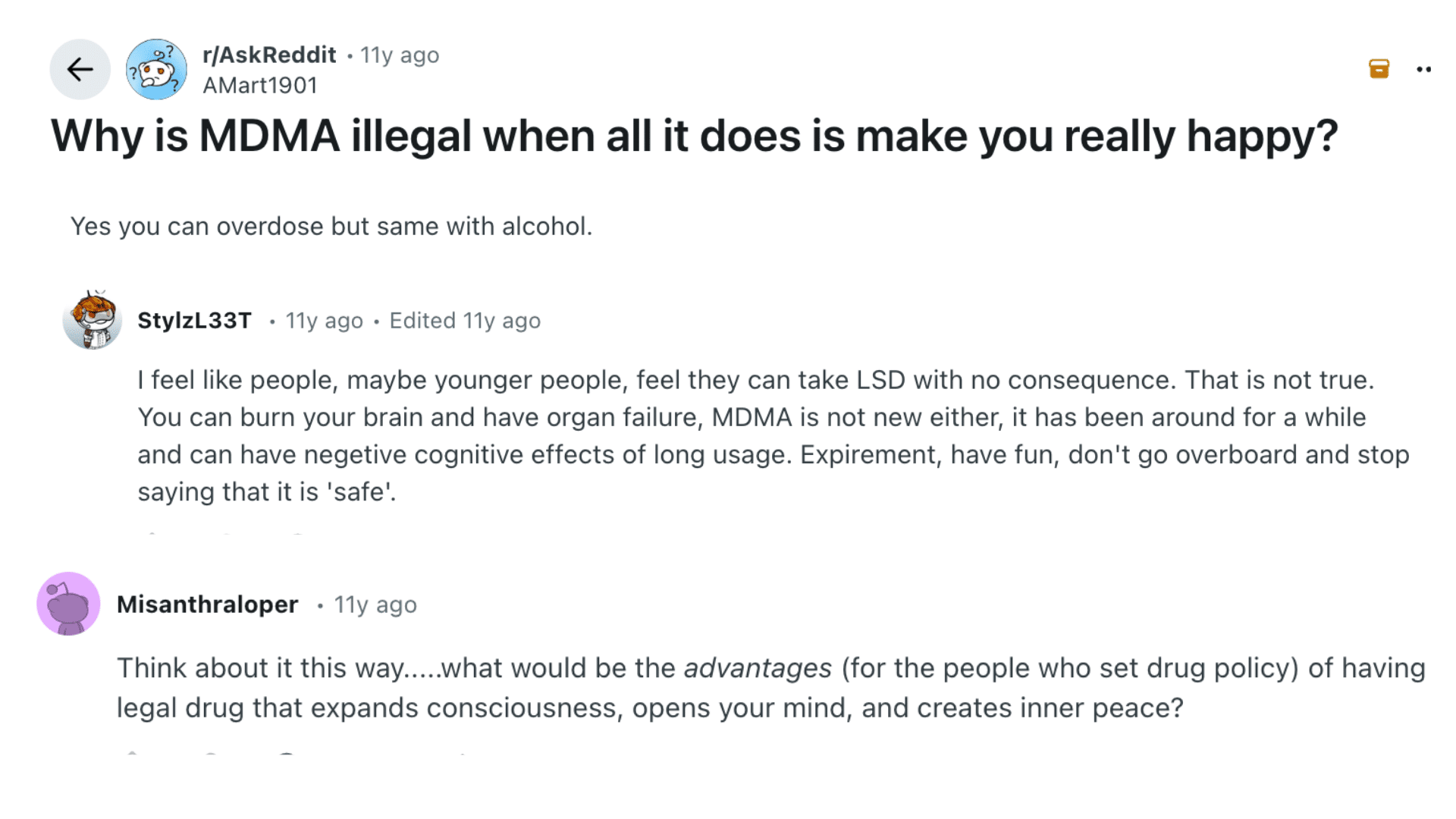
The debate around MDMA’s legal status often reflects wider questions about health risk, research promise, and how laws adapt to new evidence.
Public Health vs Medical Potential
Public policy must weigh possible therapeutic gains against known risks:
- Some studies suggest that MDMA therapy may help conditions like PTSD under supervision.
- Policymakers worry about misuse and health harms when MDMA is outside controlled settings.
- Critics say existing law still treats medical promise as outweighed by risk.
MDMA’s reputation and risk profile shape why many regulators stay cautious.
Recreational Use vs Clinical Use
Legal frameworks treat these separately because context matters:
- Clinical settings use measured doses with medical screening and oversight.
- Recreational use often lacks quality controls and monitored environments.
- Street supplies can contain unknown or different substances, raising risk.
This difference explains why research access does not mean full legality.
Reclassifying MDMA: What Viewers Say
Views differ on changing its federal status:
- Advocates argue that research data could justify a lower schedule.
- Others stress persistent concerns about abuse and long-term harm.
- Any change would need strong data and federal review under current law.
Legal change would depend on consistent clinical evidence and regulatory review before any new drug policy is adopted.
When Will MDMA Be Legal: Future Outlook and Possibilities
Ongoing clinical trials may lead to FDA approval for specific treatments like PTSD. If approved, MDMA would become legal only for prescribed medical use under strict professional supervision in controlled settings.
However, legalization differs from decriminalization. Medical approval would not change MDMA’s illegal status for recreational purposes.
Even with FDA authorization for therapy, recreational use would remain prohibited under current legal frameworks.
Any legal access would be limited to licensed healthcare providers administering treatment in clinical environments, as with other controlled medications.
Final Remarks
So I guess MDMA isn’t just “another illegal drug”. Turns out the reality involves therapeutic potential versus abuse risks, scientific evidence versus political concerns, patient access versus public safety.
You now understand that its legality depends on the context. It is illegal for recreational use everywhere, but some countries permit it under strict medical research programs.
As I established, being prepared with legal knowledge serves us all, and not just for academic purposes. Knowing the drug laws can help you use it more safely.
Whether legalization happens in five years or twenty, understanding today’s framework will help you understand tomorrow’s changes. If this information was helpful, let us know in the comment section below.