Sometimes I wondered why heroin changes people so much. I didn’t get it at first. But when I asked myself, is heroin a depressant?
I learned that it slows everything down. Your thoughts. Your breathing. Even your heartbeat. It messes with how your brain handles pain and pleasure. That hit me hard.
Now, if you’re asking the same thing, you’re already thinking deeper than most. Yes, heroin is a depressant. But that’s just the start.
In this blog, you’ll see how it really affects the brain, what it does to your body, and why it’s so dangerous. You’ll get clear facts, not opinions. If you want answers that make sense and stick with you, keep reading. This could change how you see it.
What is Heroin and Where Does It Come From?
Heroin is a drug made from morphine, which comes from the opium poppy plant.
Morphine is a natural painkiller used in medicine, but when it’s changed into heroin, it becomes much stronger and much more dangerous.
Heroin affects the brain quickly and can lead to addiction even after just a few uses.
In the past, heroin was used as a medicine to treat pain. But over time, doctors saw how addictive it was. People started using it more for the high than for help.
Because of that, it was banned in most places and is now illegal to use, sell, or make.
Heroin comes in different forms. It can be a white or brown powder or a sticky, dark version called black tar. People use it in different ways by injecting it into a vein, smoking it, or snorting it through the nose. Each method is risky.
Is Heroin a Depressant?
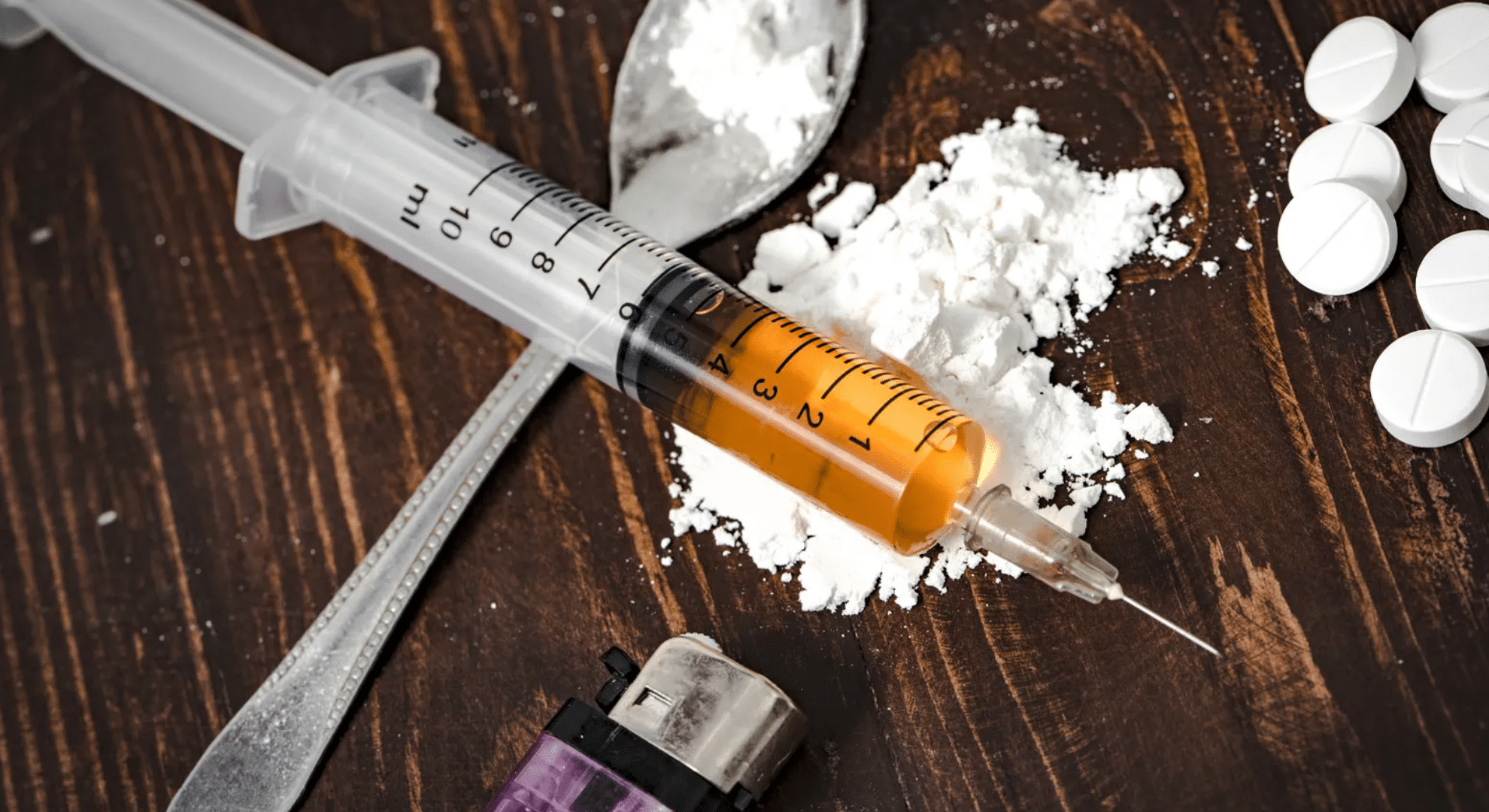
Yes, heroin is a depressant. A depressant is a type of drug that slows down the brain and the body. It affects the central nervous system (CNS), which controls breathing, heart rate, and how fast you react to things around you.
When someone uses heroin, it changes how the brain sends and receives messages. It slows everything down. Breathing becomes shallow. The heart beats slower.
Even thinking and moving can feel heavy and delayed. That’s because the drug floods the brain with chemicals that block pain and create a strong, pleasant feeling.
But that calm feeling comes with danger. If the CNS slows down too much, a person can stop breathing completely.
This is one reason why heroin overdoses are so deadly. Even though the high might feel good for a short time, what’s happening inside the body is risky and often life-threatening.
Heroin’s Role as a Drug
Heroin is a type of drug called an opioid. That means it comes from a substance found in the poppy plant. It’s known for blocking pain and creating strong feelings of pleasure.
But it’s also illegal in most places and extremely addictive. People often get hooked fast, and it’s hard to stop once that happens.
Drugs are usually put into three main groups: stimulants, depressants, and hallucinogens. Stimulants speed up your body and mind, like caffeine or cocaine.
Depressants slow things down, such as alcohol or heroin. Hallucinogens change how you see or feel things, like LSD.
Heroin can be confusing. When someone uses it, they may feel a rush that seems exciting or energizing. But that feeling doesn’t match what’s really happening.
Heroin actually slows your body’s systems. Your breathing, heart rate, and brain activity all drop. That’s why it’s classified as a depressant, not a stimulant.
How Heroin Affects the Brain and Body
Heroin changes both your brain and your body in serious ways. Some of these effects happen right after using, while others appear after regular use:
Short-Term Effects

These effects show up quickly after using heroin. They may seem harmless or even pleasant at first, but they come with serious risks that can happen fast.
1. Relaxation
Right after using heroin, your body feels very relaxed. Muscles loosen, and you may feel calm or at peace. This happens because heroin affects brain chemicals that control stress and pain.
While it may feel soothing, this kind of forced relaxation can quickly lead to mental and physical harm.
2. Drowsiness
Heroin makes you feel sleepy very fast. You might nod off without meaning to, even during conversations or daily tasks. This is often called “nodding.” It’s dangerous because you can fall asleep in unsafe places or situations. It also shows that the brain is being heavily slowed down.
3. Slowed Breathing
Heroin directly affects the brain’s breathing center. Breathing becomes shallow and slower, sometimes to the point of stopping.
This can lead to unconsciousness or even death. Slowed breathing is one of the main reasons why heroin overdoses are so deadly. The body simply doesn’t get enough oxygen.
4. Euphoria
Users often feel a strong wave of pleasure or happiness, called a “rush.” It happens quickly and fades fast. This euphoria is what many people chase after when they use heroin.
But it tricks the brain into craving more, setting the stage for addiction and long-term damage.
5. Warm, Heavy Feeling
Heroin causes a warm, full-body sensation that makes the limbs feel heavy. This feeling can seem comforting at first, but it’s a sign of the body slowing down.
It affects how you move and react, making daily tasks harder and putting you at risk for falls or accidents.
Long-Term Effects

Over time, heroin changes how your body and brain work. These long-term effects can be life-threatening and often don’t go away, even after stopping use:
6. Tolerance
After using heroin for a while, your body gets used to it. That means you need more of the drug to feel the same high. This is called tolerance.
It pushes people to take larger amounts, which increases the risk of overdose and causes more damage to the body.
7. Dependence
With regular use, the body becomes dependent on heroin. This means you can’t feel normal without it. When you try to stop, withdrawal symptoms like sweating, nausea, and pain begin.
Dependence makes quitting very hard and keeps people stuck in the cycle of using even when they want to stop.
8. Organ Damage
Using heroin for a long time harms vital organs. It can damage the liver, kidneys, and lungs, especially when injected.
Poor hygiene and dirty needles raise the risk of infections. Over time, this damage affects how the body works, leading to long-lasting health problems that can be hard to treat.
9. Cognitive Changes
Heroin affects the brain’s ability to think clearly. Memory gets worse, focus becomes harder, and decision-making skills decline.
These changes happen slowly but can last even after someone stops using. The brain rewires itself around the drug, making it harder to return to normal thinking without long-term help.
10. Risk of Overdose
As users take more heroin to get the same high, the risk of overdose grows. An overdose happens when the body slows down so much that breathing stops.
It can cause brain damage or death if not treated quickly. Many overdoses happen by accident, especially when the drug is mixed with others.
Why People Use Heroin and What Happens Next
People start using heroin for different reasons. Some try it after becoming addicted to painkillers. Others use it to escape stress, trauma, or emotional pain.
At first, heroin gives a strong rush of pleasure and calm, which makes it feel like a quick fix for problems. But that feeling fades fast, and the brain starts to crave more.
Over time, what began as a choice becomes a need. The body builds tolerance, meaning the same amount no longer works.
Then comes dependence when someone feels sick or anxious without the drug. Many users chase the high, even when it harms their health, relationships, or future.
The cycle is hard to break. What once felt like relief turns into a daily struggle just to feel normal.
Heroin doesn’t just affect the body; it changes how people think, feel, and live. And for many, it becomes a trap that’s hard to escape.
Common Misconceptions About Heroin
Many people believe things about heroin that just aren’t true. These false ideas can make the drug seem safer or easier to control than it really is.
- It’s safe if you only use it once in a while: Even one-time use can lead to addiction or overdose.
- You can’t get addicted unless you inject it: Smoking or snorting heroin can still cause serious addiction and health problems.
- Prescription painkillers are totally different: Many pain pills are opioids too and can lead to heroin use when the pills run out.
- You can quit anytime if you have strong willpower: Heroin changes how the brain works, making it very hard to quit without support.
- Heroin only harms people who use a lot of it: Even small amounts can affect your brain, body, and life.
- You’ll know when someone’s about to overdose: Overdoses can happen fast and without warning signs.
Believing these myths can lead to risky decisions. Knowing the truth can save lives.
From Addiction to Recovery
Heroin addiction is tough, but recovery is possible. Many people have gotten better with the right help and support. Treatment usually starts with detox, where the drug leaves the body.
This can be hard, but doctors can give medicine to ease the symptoms. After that, counseling and therapy help people understand their triggers and learn new ways to cope.
There are also medicines that help stop cravings and prevent relapse. These are often used along with therapy to give the best chance of success.
Support groups, like Narcotics Anonymous, let people talk to others who understand what they’re going through.
Recovery doesn’t happen overnight. It takes time, patience, and support. But it is possible. Many people who once felt trapped by heroin now live clean, healthy lives.
The key is to reach out and take the first step. Help is out there, and no one has to fight alone.
Conclusion
Learning that heroin is a depressant changed how I saw it. I used to think it just made people feel good for a while, but now I understand how deeply it affects the brain and body.
Writing this helped me see how dangerous even one use can be.
Now it’s your turn to think about what you’ve read. Use this knowledge to protect yourself or someone close to you. What you do with this info matters.
Don’t brush it off; heroin isn’t something to mess with.
If you want to stay informed and keep making smart choices, check out the other blogs. There’s always more to learn, and the more you know, the safer you are!