
When I first looked into this medication, I wondered the same thing you might be asking: Is gabapentin a benzodiazepine? It’s a confusing topic because both drugs are often used to treat anxiety and nerve pain.
However, they are definitely not the same, and knowing the difference is huge for your safety. This post breaks down exactly what gabapentin is versus benzodiazepines and how they work in your body.
I’ll explain the risks, side effects, and why a doctor might choose one over the other. My goal is to give you a clear answer so you understand exactly what you’re taking.
The information provided is for educational purposes only and is not a substitute for professional medical advice, diagnosis, or treatment. Always consult a qualified healthcare provider before starting, stopping, or changing any medication.
What is Gabapentin?
Gabapentin is a medication that helps calm overactive nerves and is mainly used to treat seizures and nerve pain.
However, it is not a benzodiazepine and does not belong to that drug group. Many people search online asking whether gabapentin is a benzodiazepine, especially after being prescribed it for pain, seizures, or anxiety.
This confusion is completely understandable because gabapentin can have calming effects very similar to benzodiazepines.
Gabapentin works by slowing down overly active nerve signals in the brain. When nerves send too many messages, it can cause pain or anxiety, and by reducing this activity, the body feels calmer and more controlled.
Common Uses of Gabapentin
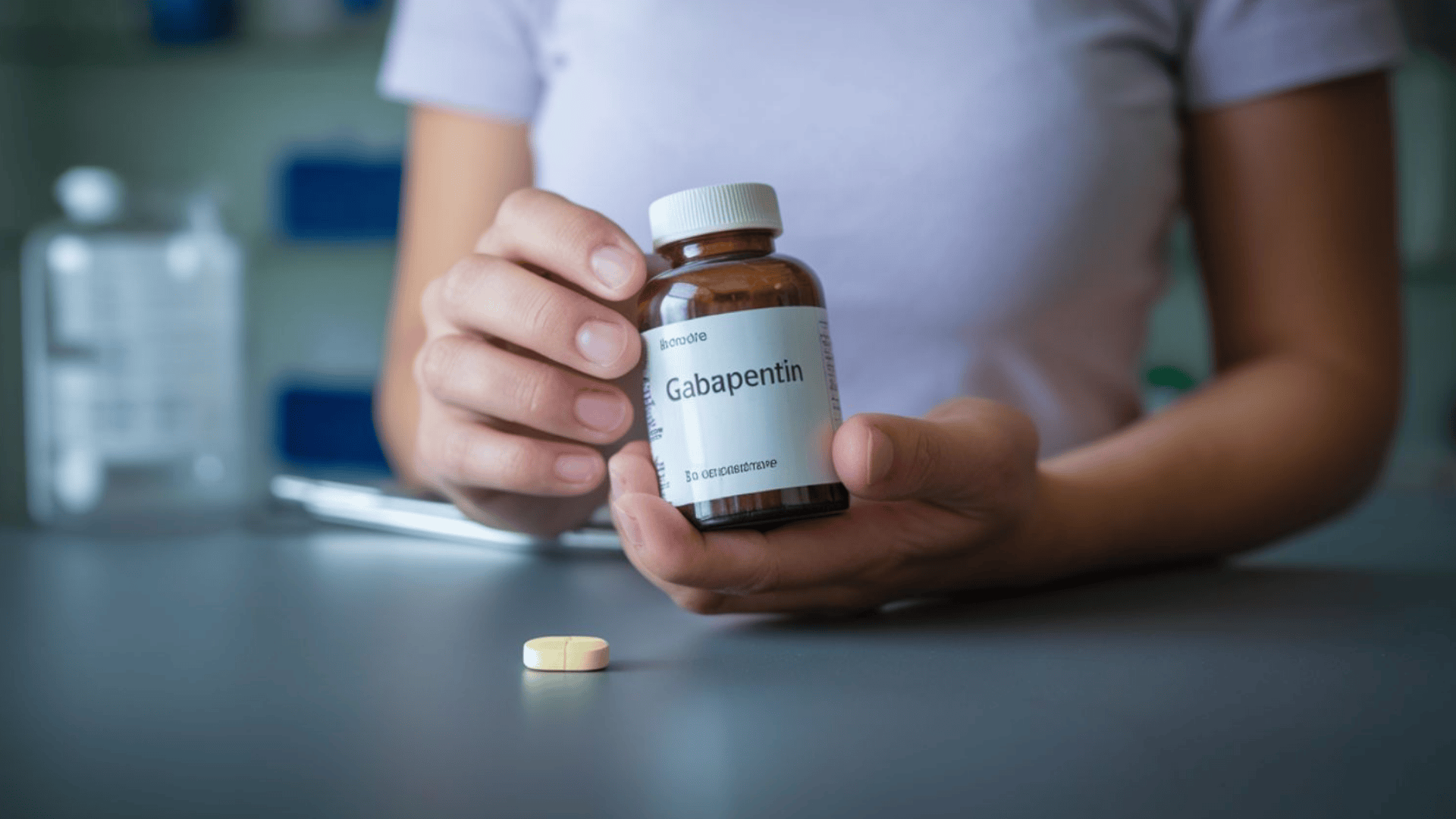
Gabapentin is commonly used to help relieve nerve pain and to treat certain kinds of seizures. In some cases, doctors may also prescribe it to help with sleep problems, hot flashes, or anxiety.
- Seizure: Gabapentin helps control some types of seizures. It works by calming unusual activity in the brain.
- Anxiety (Off-Label Use): Some doctors use gabapentin to help with anxiety. This is called “off-label use.” It may help people feel calmer when other medicines do not work well for them.
- Nerve Pain: Gabapentin is often used to treat nerve pain caused by conditions like diabetes, shingles, or nerve damage. This type of pain can feel like burning, tingling, or sharp shooting pain, and gabapentin helps calm those nerve signals.
These uses can vary from person to person, which is why it is important to always take gabapentin exactly as prescribed by a healthcare provider.
How Addictive is Gabapentin?
Gabapentin is not considered highly addictive, especially compared to drugs like Xanax or Valium, and most people do not crave it. However, the body can become used to gabapentin over time, particularly with long-term or high-dose use.
Because of this, gabapentin should not be stopped suddenly. Stopping it abruptly can cause withdrawal symptoms. To avoid this, a doctor should slowly lower the dose over time.
When gabapentin is tapered under medical supervision, most people can stop taking it safely without serious problems.
What are Benzodiazepines?
Benzodiazepines are a group of prescription medications mainly used to treat anxiety-related conditions and sleep problems.
They work by affecting a chemical in the brain called GABA (gamma-aminobutyric acid), which helps slow down brain activity.
This is why they are often prescribed for conditions such as anxiety disorders, panic attacks, insomnia, muscle spasms, and sometimes seizures. Common examples of benzodiazepines include Xanax, Valium, and Ativan.
These medications actquickly, which can be helpful during intense anxiety or panic episodes. However, because of their fast-acting nature, benzodiazepines also carry a higher risk of dependence and withdrawal when used for long periods.
What Are Benzodiazepines Used For?
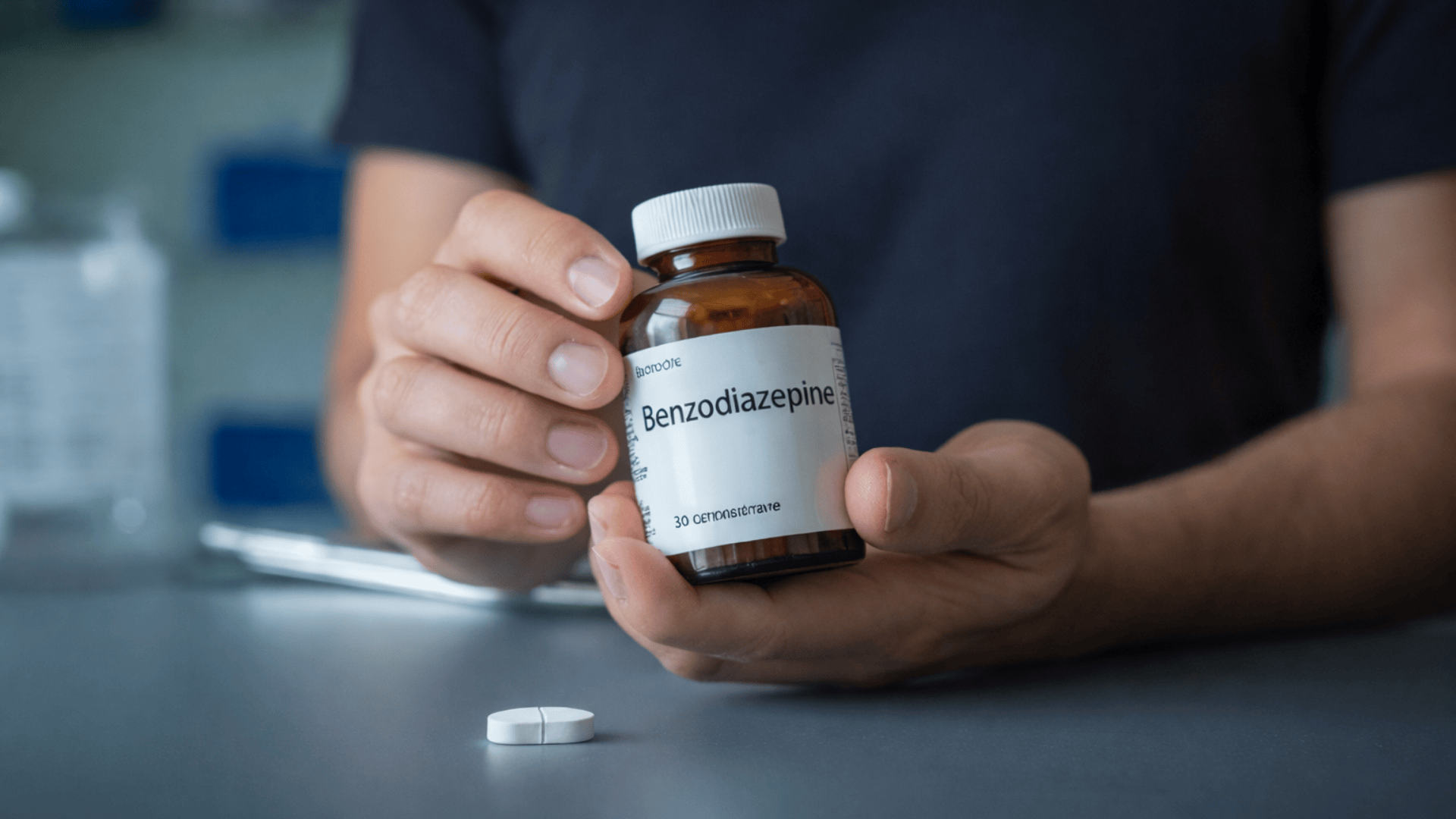
Benzodiazepines are medicines that help relax the brain and body. Doctors often prescribe them for anxiety, panic attacks, trouble sleeping, and muscle tension.
- Anxiety: Benzodiazepines are often used to help with severe anxiety. They can quickly reduce worry and fear.
- Panic Attacks: Doctors may prescribe benzos to stop panic attacks. They help calm the body and slow racing thoughts.
- Insomnia: Some benzodiazepines are used to help people sleep. They make it easier to fall asleep, but they are usually not meantfor long-term use.
Because they work quickly, benzodiazepines are usually meant for short-term use and should always be taken exactly as a doctor advises.
Why Are Benzodiazepines Tightly Controlled?
Benzodiazepines can be addictive if taken for a long time.
The body can become dependent on them. Stopping suddenly can cause withdrawal symptoms, like anxiety or shaking. Because of these risks, doctors carefully control how benzos are prescribed and used.
Key Differences Between Gabapentin and Benzodiazepines
Gabapentin and benzodiazepines are often confused, but they are not the same. Understanding their differences helps people use them more safely and correctly.
| Feature | Gabapentin | Benzodiazepines |
|---|---|---|
| Drug class | Anticonvulsant/nerve pain medication | Sedative / anti-anxiety medication |
| How they work | Slows overactive nerve signals in the brain | Boosts GABA to calm brain activity |
| Addiction risk | Lower, but still possible | High risk with long-term use |
| Dependence & withdrawal | Mild to moderate in some cases | Can be severe and difficult |
| Controlled substance | Controlled in some U.S. states | Controlled nationwide |
| Common uses | Nerve pain, seizures, restless legs, anxiety (off-label) | Anxiety, panic attacks, and insomnia |
| Typical side effects | Drowsiness, dizziness, swelling | Sleepiness, confusion, memory issues |
| Long-term use | Often allowed with monitoring | Usually not recommended long-term |
Gabapentin and benzodiazepines may feel similar, but they work very differently. Knowing this difference can help people avoid confusion and use medications more safely.
Why Doctors Choose Gabapentin Instead of Benzodiazepines?

Doctors often choose gabapentin because it can help reduce anxiety without causing as much drowsiness or strong sedation as benzodiazepines.
Benzodiazepines work very quickly but can make people very sleepy, slow their thinking, and affect memory. Gabapentin works more gently by calming overactive nerves, which can help people feel more relaxed and in control.
Because of this, gabapentin is considered a safer choice for people who need anxiety relief but want to stay alert and functional during the day.
1. Lower Risk of Misuse
Gabapentin has a lower risk of addiction or misuse as compared to benzodiazepines. Most people do not feel a “high” from it, so it is safer for patients with a history of substance use.
Doctors can prescribe it without as much worry about dependence. This makes gabapentin a preferred option for long-term therapy.
2. Better for Long-Term Use
Benzodiazepines are usually meant for short-term treatment only because long-term use can cause dependence and withdrawal problems.
Gabapentin can often be used for a longer time under medical supervision. It helps control anxiety or nerve pain steadily over months, making it a safer option for ongoing care.
3. Helps With Both Pain and Anxiety
Many people have nerve pain and anxiety at the same time. Gabapentin can help with both problems in one medication.
It calms nerve signals to reduce pain while also reducing anxious feelings. This can make treatment simpler and more convenient for patients.
Why Is Gabapentin Often Mistaken for a Benzodiazepine?
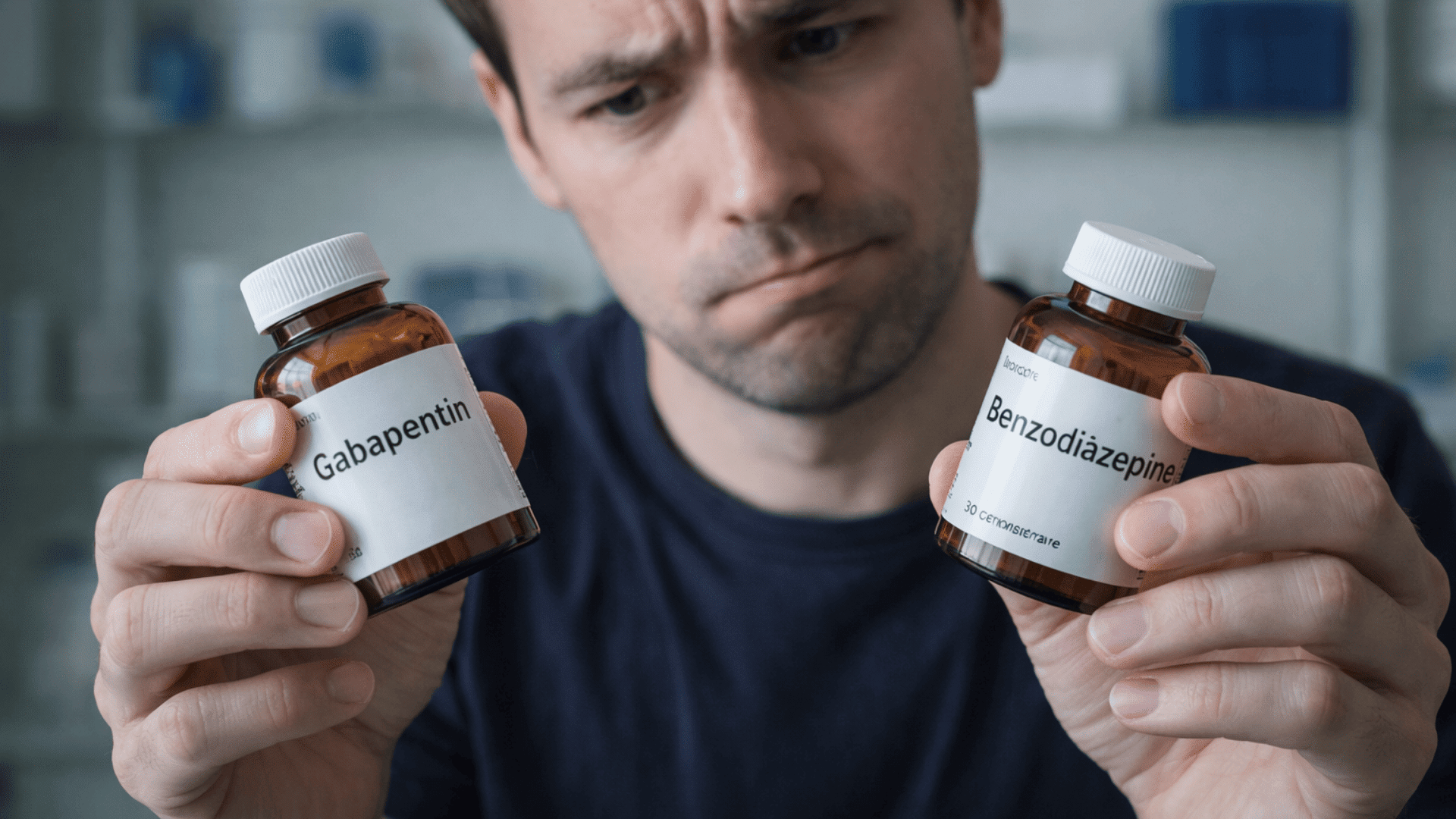
It’s common for people to mix up gabapentin with benzodiazepines. When you look at how it’s used, and how it can make people feel, the confusion makes sense.
- Similar calming and sedating effects: Gabapentin can make people feel relaxed or sleepy, especially at the start. Benzodiazepines can cause the same feelings, so people assume they’re closely related.
- Used off-label for anxiety: Even though gabapentin isn’t officially approved for anxiety, some doctors prescribe it for that reason. If it helps someone feel less anxious, they may assume it works like a benzo.
- Often prescribed instead of benzodiazepines: Providers may choose gabapentin when benzodiazepines aren’t a good fit. When it’s described as an “alternative,” people sometimes think it’s in the same drug family.
- Confusing or misleading info online: Some websites blur the differences or oversimplify them. That misinformation keeps the mix-up going.
- People compare it to Xanax: Gabapentin isn’t the same as Xanax. Gabapentin helps calm overactive nerve signals, while Xanax boosts GABA activity to slow brain activity.
Quick takeaway: Gabapentin can feel calming like a benzo, but it’s not a benzodiazepine and works differently.
Final Thought
To put it simply, the answer to the common question is gabapentin a benzodiazepine is a definite no.
Even though they are both used to treat issues like anxiety and nerve pain, I’ve learned that they are chemically distinct and carry very different risks.
Understanding that they work differently in the brain is crucial for keeping yourself safe and healthy.If you or a loved one are currently taking these medications, please never adjust your dosage without talking to a doctor first.
If you are struggling with dependence or just need guidance, remember that you do not have to handle it alone.
Let’s keep the conversation going so we can all help learn from each other leave a comment below to share your thoughts or questions.