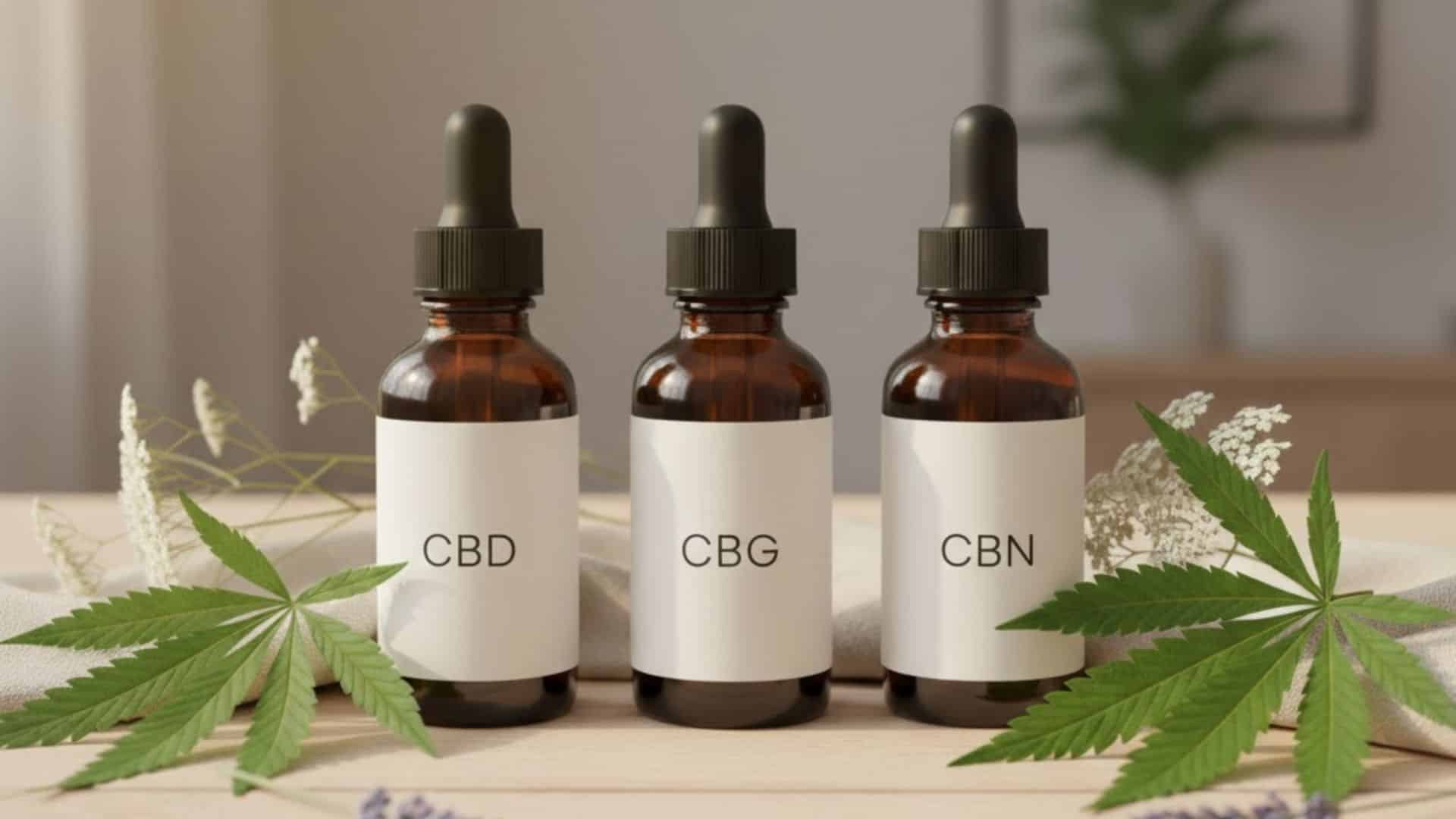
Are you interested in knowing about the different compounds found in hemp and cannabis plants today? CBD, CBG, and CBN are among the most talked-about options for natural wellness and relaxation support.
Each of these works differently in your body to create unique effects you might find helpful. You might feel overwhelmed trying to understand which one suits your specific needs best right now.
I want to help you learn what makes each one unique and how they compare. You’ll find their individual effects, potential uses, and how to choose quality products for yourself.
Understanding CBD, CBG, and CBN empowers you to make smarter choices that align with your personal goals. Let’s break down these powerful plant compounds in simple terms anyone can understand.
What Are Cannabinoids?
Cannabinoids are natural compounds found in cannabis plants that affect how your body functions. Your body also naturally produces its own cannabinoids.
These compounds work by interacting with something called the endocannabinoid system, or ECS for short. The ECS is a network of receptors spread throughout your entire body.
Think of cannabinoids as keys and the ECS receptors as locks they fit into. When cannabinoids bind to these receptors, they trigger various responses in your body.
The ECS helps regulate many important functions, such as mood, sleep, appetite, and pain sensation. There are over a hundred different cannabinoids in cannabis plants. Each one interacts with your ECS in slightly different ways.
What Is CBD (Cannabidiol)?
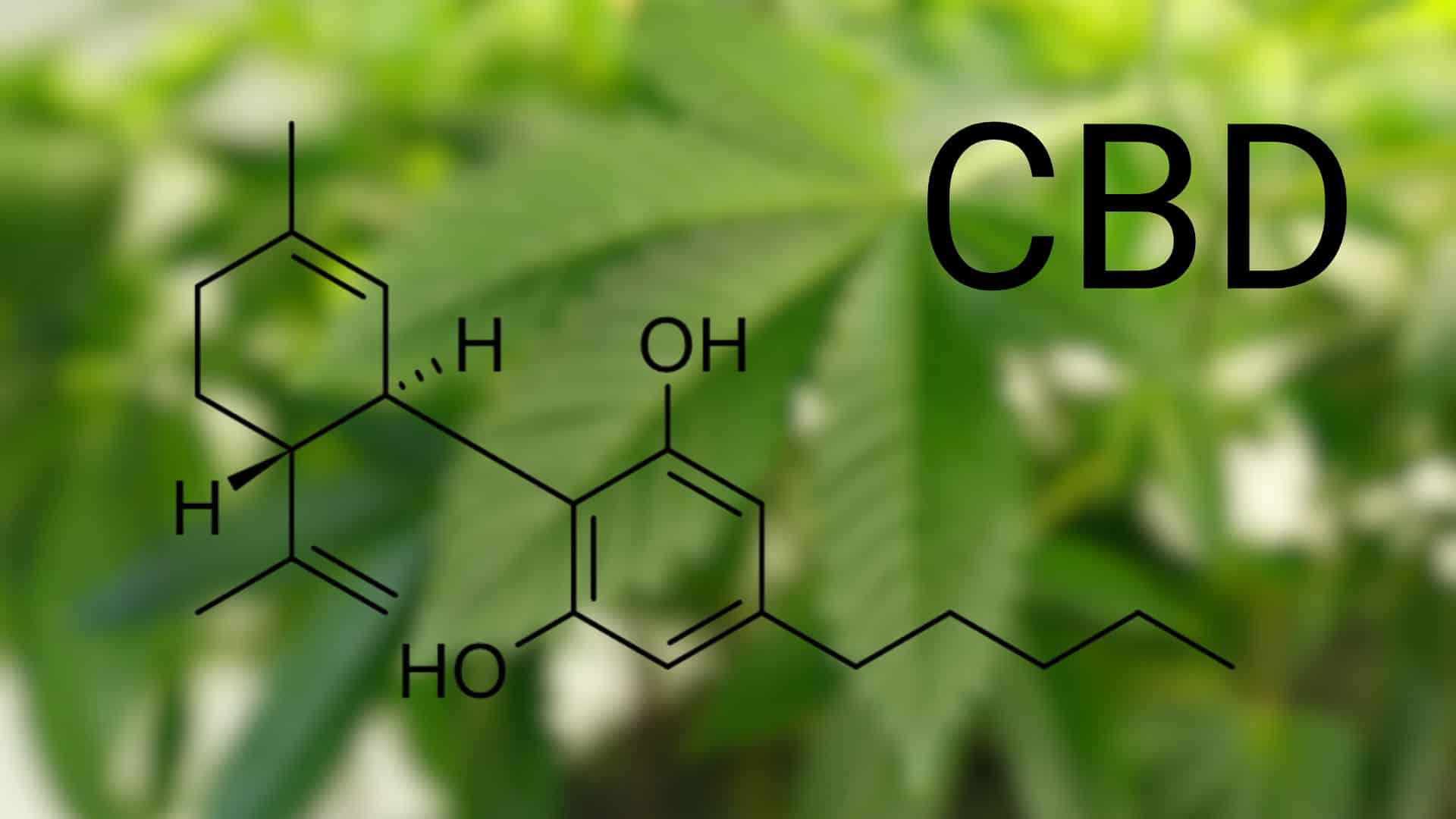
CBD, or cannabidiol, is one of the main active compounds found in cannabis and hemp plants. It’s extracted from the plant material and processed into various products you can use.
Unlike some cannabinoids, CBD doesn’t make you feel high or intoxicated at all. It works by interacting gently with your endocannabinoid system to support balance in your body.
The World Health Organization reviewed CBD research and found it safe with no abuse potential. CBD is available in many different forms depending on your preference and needs.
People use CBD for various reasons, including managing stress, easing discomfort, and supporting better sleep. It may help reduce inflammation and promote a sense of calm throughout your day
What Is CBG (Cannabigerol)?

CBG, or cannabigerol, is often called the “mother” of cannabinoids in cannabis plants. Other cannabinoids like CBD and THC start out as CBG before they change during growth.
This cannabinoid interacts with your endocannabinoid system in its own unique way compared to others. It binds directly to both types of receptors in your ECS, which may explain its effects.
The products are less common than CBD but are becoming more popular as people find them. Research suggests that CBG may help reduce inflammation, protect nerve cells, and support healthy digestion.
It’s still being studied, but early findings look promising for various wellness applications. The World Health Organization notes CBG’s presence in cannabis research.
What Is CBN (Cannabinol)?
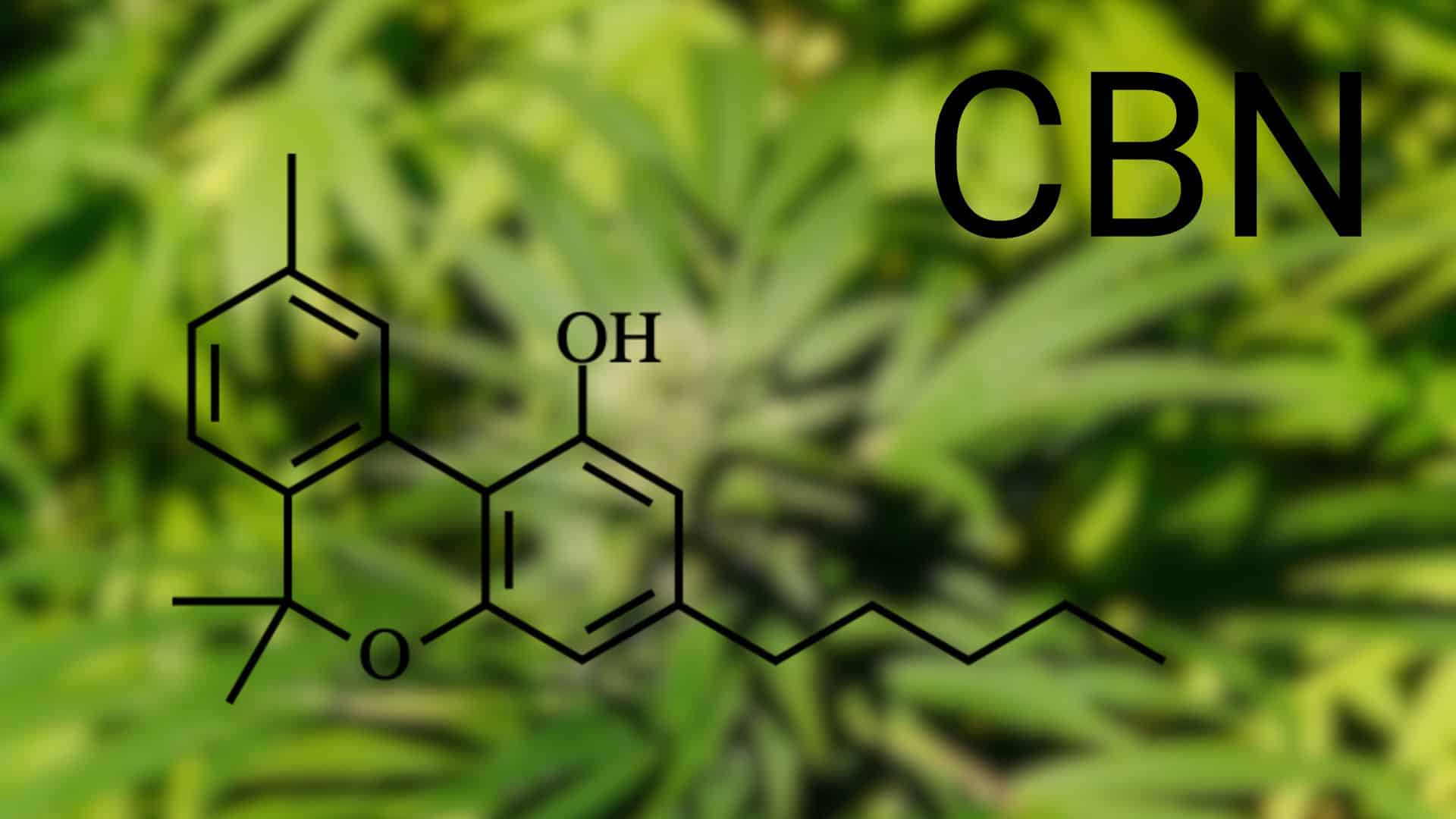
CBN, or cannabinol, forms naturally when THC breaks down over time through oxidation. It has milder effects and is known for its calming properties.
CBN binds with endocannabinoid receptors related to sleep and relaxation, helping many people feel sleepy. Research by scientists at the Salk Institute shows CBN protects brain cells from aging and nerve damage, hinting at broader health benefits.
Another study highlights how CBN reduces inflammation and supports neuroprotection. Though still under study, CBN’s therapeutic potential for sleep and brain health appears promising.
The World Health Organization recognizes cannabis components like CBN in its cannabis research overview.
Key Differences Between CBD, CBG, and CBN
Each of these cannabinoids offers unique properties and works differently in your body. Here’s a quick comparison to help you understand how CBD, CBG, and CBN differ from each other:
| Aspect | CBD (Cannabidiol) | CBG (Cannabigerol) | CBN (Cannabinol) |
|---|---|---|---|
| Chemical Structure | Non-intoxicating compound found naturally in cannabis and hemp plants | A precursor cannabinoid that converts into other cannabinoids as plants mature | Formed when THC breaks down through oxidation and aging over time |
| Common Uses | Oils, tinctures, edibles, capsules, and topical creams for daily wellness support | Oils, tinctures, and capsules for inflammation and digestive concerns | Sleep aids, nighttime oils, and tinctures designed specifically for bedtime use |
| Effects on Body | Calming without drowsiness, promotes balance throughout the day | Energizing and focusing, supports clarity and alertness | Sedating and relaxing, best used at night |
| Availability | Widely available in most markets and easy to find | Less common but growing in availability and popularity | Rarer and typically found in specialized sleep products |
| Best Time to Use | Anytime during the day or evening, as needed | Morning or daytime for focus and energy | Evening or before bed for sleep support |
I hope this comparison helps you choose the right cannabinoid based on your specific needs and goals. I recommend understanding these differences so you can make informed decisions about which product might work best for you.
How Do CBD, CBG, and CBN Work Together?

CBD, CBG, and CBN can work together through what scientists call the “entourage effect” to improve results. This means combining cannabinoids may produce stronger effects than using just one type alone.
When you use products with multiple cannabinoids, they support each other in your body’s systems. Each one brings its own strengths while boosting the benefits of the others simultaneously.
Many brands now create combinations designed for specific needs like sleep, pain relief, or inflammation management.
A common nighttime combination might include CBD for calm, CBN for drowsiness, and CBG for comfort. For daytime use, you might find CBD and CBG combined to promote focus without making you sleepy.
Legal Status of CBD, CBG, and CBN
The legal status of cannabinoids can be confusing because laws vary widely between different countries and states. CBD derived from hemp is federally legal in the United States if it contains less than 0.3% THC.
CBG and CBN follow similar rules to CBD when they come from legal hemp sources with low THC. However, some states have stricter laws that may limit or ban certain cannabinoid products completely.
Federal law differs from state law, so what’s legal nationally might not be legal where you live. Always check your local and state regulations before buying or using any cannabinoid products at all.
Some countries outside the US have very different rules about cannabinoids and may prohibit them entirely. Research the laws in your specific area to stay compliant and avoid any legal troubles.
How to Choose Quality CBD, CBG, and CBN Products
Finding high-quality cannabinoid products takes some careful attention to important details and labels. I’ll show you the key factors you should look for when shopping:
- Check for third-party lab testing: Quality brands always test their products through independent labs to verify purity and potency.
- Understand full-spectrum versus isolate products: Full-spectrum products contain multiple cannabinoids and other compounds that work together to create the entourage effect.
- Know where the plant came from: Hemp-derived products are legal in most places and contain very low THC levels naturally.
- Read labels carefully for transparency: Good labels list all ingredients, cannabinoid amounts in milligrams, batch numbers, and expiration dates clearly.
These guidelines help you find safe, effective products that deliver the results you’re looking for. Always do your research before making a purchase to ensure you’re getting genuine quality.
Potential Side Effects and Safety Considerations
While cannabinoids are generally safe for most people, you should be aware of possible side effects. Here’s what you need to know about safety and interactions:
| Cannabinoid | Common Side Effects | Medication Interactions | Safety Notes |
|---|---|---|---|
| CBD | Drowsiness, dry mouth, diarrhea, reduced appetite, fatigue | Blood thinners, seizure medications, sedatives, and heart medications | It can affect how your liver processes certain drugs |
| CBG | Dry mouth, drowsiness, changes in appetite, digestive upset | May interact with medications processed by liver enzymes | Less research is available on long-term effects and interactions |
| CBN | Strong drowsiness, dry mouth, dizziness, reduced alertness | Sedatives, sleep medications, anti-anxiety drugs, pain relievers | Avoid driving or operating machinery after use |
I recommend always consulting with your doctor before starting any cannabinoid product, especially if you take medications. Your healthcare provider can help you understand potential interactions and determine safe usage for your specific situation.
Wrapping It Up
You now understand what CBD, CBG, and CBN are and how each one affects your body differently.
I’ve shown you the key differences, quality factors, and safety tips before making any purchase decisions. You’ve learned about legal considerations and how to read product labels for transparency and accuracy.
Remember that everyone responds to these compounds differently, so start slow and pay attention to your body. Always choose products with third-party testing and clear labels to ensure you’re getting quality items.
Talk to your doctor if you take medications or have health concerns before trying anything new. Which cannabinoid sounds most helpful for what you’re dealing with right now? Let me know in the comments below!