Searching for methamphetamine withdrawal symptoms usually means you need clear answers fast. I get it. When your body and mind feel off, it is hard to tell what is normal and what is serious.
You might be dealing with sleep problems, big mood shifts, or strong urges that come and go.
You may also worry about scary signs, like confusion or feeling unsafe. That is why it helps to see symptoms grouped in plain language, with a quick safety check and a simple timeline.
Keep reading, and I will walk you through methamphetamine withdrawal symptoms in a calm, step-by-step way.
Understanding Methamphetamine Withdrawal
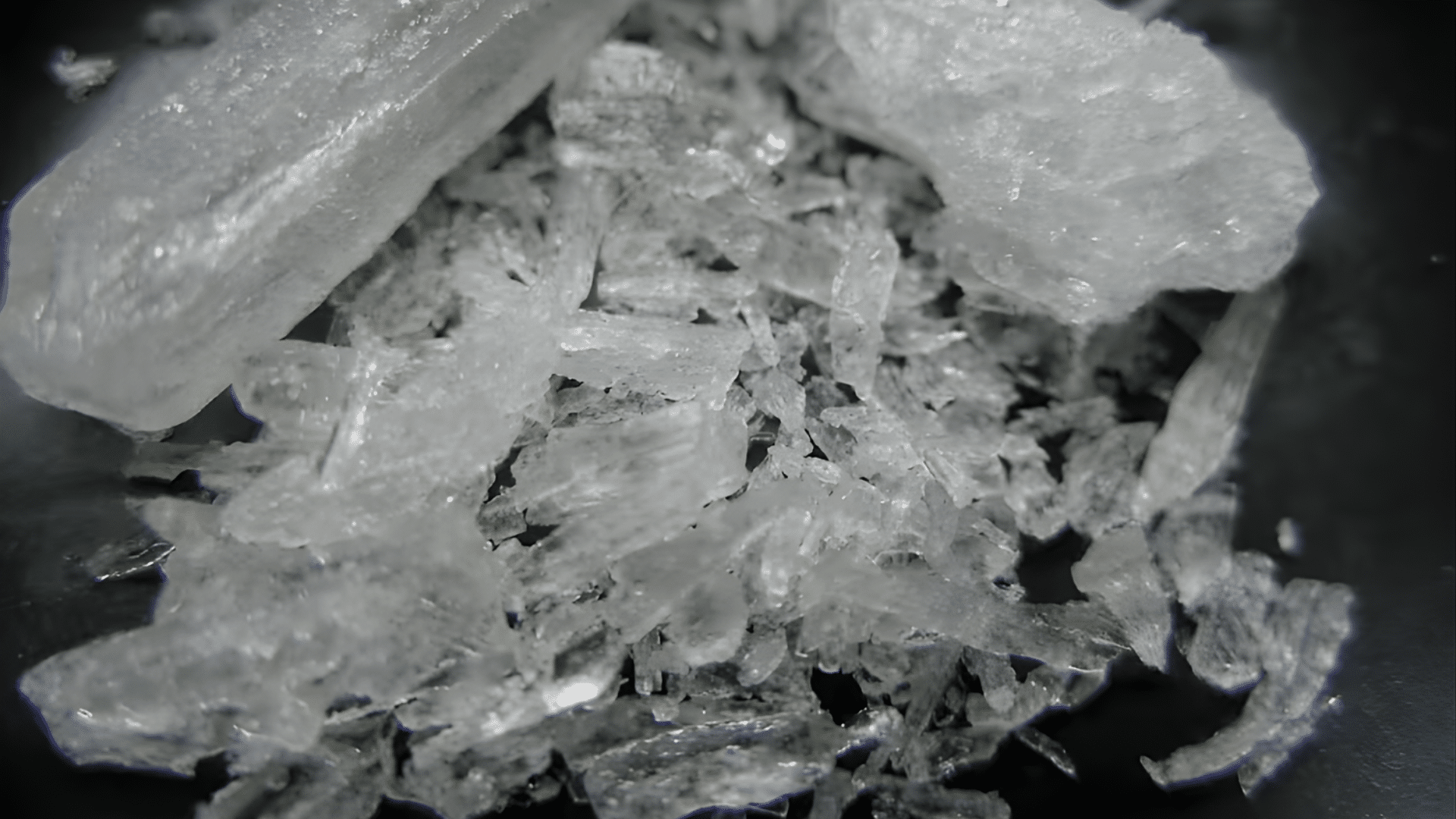
Methamphetamine withdrawal happens when your body and brain try to reset after you stop using meth.
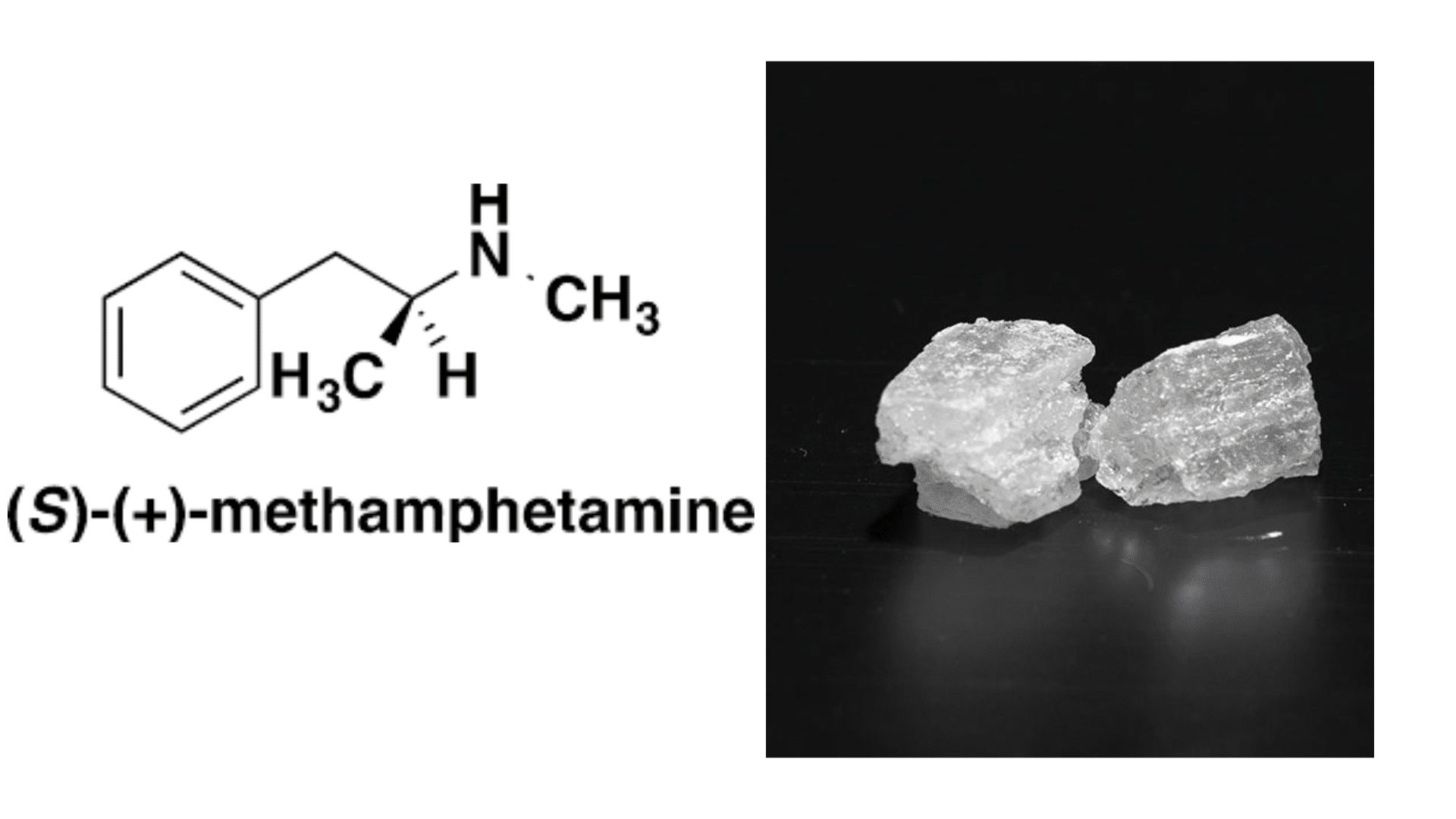
Meth strongly affects dopamine, a brain chemical tied to mood, drive, and reward. When meth use stops, dopamine activity can drop fast. That shift can leave you feeling off, both in your body and in your mind.
Withdrawal is not the same as being high, and it is not the same as an overdose. It is a set of changes that show up as your system adjusts.
How intense it feels can vary based on how long you used, how often you used, your sleep and nutrition, and whether you used other substances too. Support, rest, and medical care can all change how withdrawal plays out.
Symptoms of Methamphetamine Withdrawal
Symptoms can affect your body, feelings, and thoughts. What you notice depends on use patterns, sleep, food intake, and mental health.
1. Physical Withdrawal Symptoms
These signs often show up early and can change by day. They may feel intense, but many improve with rest and support.
- Extreme tiredness and low energy
- Sleep changes, like oversleeping or insomnia
- Appetite changes, including strong hunger
- Body aches, headaches, chills, or sweating
- Slowed movement or poor coordination for some
2. Psychological And Emotional Symptoms
These signs often feel heavier than the physical ones. Mood shifts can come in waves and may change quickly.
- Depression, emptiness, or low motivation
- Anxiety, panic feelings, or agitation
- Irritability, anger, or mood swings
- Trouble focusing or brain fog
- Strong cravings and repeated thoughts about using
3. Severe Symptoms That Need Fast Help
These signs can put you at risk. If any show up, getting urgent help is safer than trying to push through alone.
- Suicidal thoughts or feeling unsafe
- Hallucinations, paranoia, or severe confusion
- Aggression you can’t control
Quick Safety Check for Meth
Use this quick check to decide if you need emergency help, same-day care, or safe home support.
| Level | When | What to Do |
|---|---|---|
| Emergency – Call Now | Immediate danger or severe symptoms | Call emergency services for chest pain, breathing trouble, fainting, seizures, severe confusion, self-harm thoughts, violence risk, hallucinations, extreme paranoia, or inability to calm down. |
| Same-Day Care | Severe but not life-threatening | Get care if you cannot sleep for nights, anxiety keeps rising, you cannot keep fluids down, have low urination, weakness, dizziness, worsening depression, or stopped meth plus alcohol, benzos, or opioids. |
| Home Support OK | Stable and safe | Stay home if symptoms are manageable and you can eat, drink, rest, and stay safe. Have support, keep a phone nearby, and seek help if symptoms worsen. |
Meth Withdrawal Timeline
Meth withdrawal timing differs from person to person, but many people notice a similar pattern across the first days and weeks.
| Time Period | What Often Happens | What You Can Do That Helps |
|---|---|---|
| 0–24 Hours After Last Use | Energy drops fast. You may feel flat, restless, or unable to think clearly. | Drink fluids, eat something small, and keep things calm and low-pressure. |
| Days 1–3 (Crash) | Heavy tiredness is common. Sleep may swing between long sleep and broken sleep. | Let your body rest, keep meals simple, and ask someone to check in. |
| Days 4–10 (Acute Phase) | Mood shifts may feel sharp. Anxiety and cravings can spike. Sleep may stay uneven. | Stick to a basic routine, avoid triggers, and use short coping steps for cravings. |
| Weeks 2–4 | Energy may improve slowly, but sleep and mood can still feel off in waves. | Keep the same wake time, get daylight daily, and add support like counseling. |
| 1–3 Months (For Some People) | Cravings can show up during stress. Motivation may still be low at times. | Plan for trigger moments, build healthy habits, and stay connected to support. |
If symptoms worsen, feel unsafe, or include hallucinations or severe depression, getting medical help is the safer next step.
What Changes Withdrawal Severity

Withdrawal severity can vary a lot based on usage habits, health history, and other substances taken before or during quitting.
Use Pattern Factors
How you used meth often shapes how hard withdrawal feels. Longer use can affect your brain chemistry and daily functioning more deeply. Higher amounts can push your body further from its baseline, which can make the adjustment period tougher.
Binge patterns can also raise strain because they usually involve long awake periods, poor eating, and dehydration. The route of use can matter, too, because it can change how intense the drug effects are.
Recent use right up to quitting often leads to a sharper shift.
Health And Mental Health Factors
Your overall health can change how well you cope during withdrawal. Poor sleep habits, low nutrition, and dehydration can make the process harder on your body.
Long-term stress can also lower your ability to self-regulate, which can affect recovery steps. If you have a past history of depression, panic, bipolar disorder, or psychosis, withdrawal can hit your mood and thinking more strongly.
A prior episode of paranoia or hallucinations is a serious risk factor and may require closer medical support.
Other Substances
Other substances can strongly change risk and the safest level of care. Alcohol and benzodiazepines can cause dangerous withdrawal on their own if you stop suddenly, and mixing that with meth withdrawal raises concern.
Opioid withdrawal is usually not life-threatening, but it can be miserable and can drive relapse without support. Using more than one substance can also blur what is causing which problem, making it harder to judge severity at home.
If you used alcohol, benzos, or opioids regularly, getting same-day medical advice is safer.
Medications For Meth Withdrawal: What’s Proven And What Isn’t
Right now, there is no single medication shown to reliably relieve stimulant withdrawal as a whole.
SA Health states that no medication has been demonstrated to be effective for relieving amphetamine withdrawal, though some medicines may help with certain issues.
Cochrane also reports that no medications show a significant benefit over placebo for acute amphetamine withdrawal symptoms.
In care settings, a clinician may still treat specific problems that can happen during withdrawal, such as severe anxiety, agitation, sleep loss, dehydration, or poor nutrition, as part of safe withdrawal management.
A 2022 systematic review by Acheson et al. describes withdrawal phases and highlights limits in medication options studied for meth withdrawal.
Two Tracks: You vs. a Support Person
If you are going through withdrawal, your main goal is to stay safe, reduce triggers, and get through each day with basic care. Focus on fluids, small meals, rest, and a simple routine.
Keep your phone close, avoid being alone during tough hours, and plan ahead for cravings with a short list of people you can contact. If your mood drops fast, you feel unsafe, or paranoia starts, get same-day medical help.
If you are supporting someone, your role is to keep things calm and practical. Offer water, simple food, and quiet company.
Use short sentences, avoid arguments, and help remove triggers like cash, drug contacts, or stressful outings. Watch for confusion, hallucinations, or unsafe thoughts, and step up to urgent help if needed.
Conclusion
Meth withdrawal can hit your body and your mind at the same time. You now have a clear symptom list, a quick safety check, and a timeline you can use day by day.
You also saw why withdrawal can feel different depending on use patterns, health history, and other substances. The medication section matters too, because it keeps expectations realistic while still explaining how clinicians may help with specific problems.
If one thing sticks, let it be this: safety comes first, and support makes the process more manageable.
If you searched for methamphetamine withdrawal symptoms, check out my other blogs for related support topics. What would you like me to cover next?