I’ve noticed how often people ask me about the differences between LSD and psilocybin mushrooms.
Both substances have surged in popularity lately, not just recreationally but in scientific research examining their therapeutic potential.
While they’re often lumped together as “psychedelics,” their experiences can be surprisingly different. There’s a lot of confusion and misinformation floating around about their effects, what you might see and feel, and which might be safer.
That’s why I wanted to create this guide: to cut through the noise and give you a clear, evidence-based comparison so you can understand what actually sets these two apart.
Disclaimer: This guide is for informational and educational purposes only. It does not constitute medical advice or encourage illegal drug use. Always consult healthcare professionals and follow local laws.
What are LSD and Shrooms?
LSD, or lysergic acid diethylamide, is a synthetic compound first created in the late 1930s from ergot fungus.
It primarily works by binding to serotonin receptors in the brain, particularly the 5-HT2A receptor, which alters perception and consciousness. You’ll typically find it on blotter paper, as liquid drops, or in gel tabs.
Shrooms are natural fungi containing psilocybin, with species like Psilocybe cubensis being the most common. Once ingested, your body converts psilocybin into psilocin, the active compound that also targets serotonin receptors.
Potency varies significantly between species and growing conditions, making dosing less predictable than LSD.
Chemical Differences Between LSD and Shrooms

While both substances affect your brain’s serotonin system, their origins and chemical behavior create important distinctions worth understanding.
Synthetic vs. Natural Origin
LSD is a lab-created molecule with precise chemical composition, meaning each dose contains exactly what’s intended. This synthetic nature allows for consistent potency and predictable effects.
Shrooms, however, are natural organisms where psilocybin content fluctuates based on species, growing conditions, harvest timing, and storage.
Even mushrooms from the same batch can vary significantly in strength, making accurate dosing challenging without laboratory testing.
Receptor Activity and Metabolic Pathways
Both compounds target 5-HT2A serotonin receptors, but they take different routes. LSD binds directly and remains active in your system, creating longer-lasting effects.
Psilocybin acts as a prodrug; it’s inactive until your body metabolizes it into psilocin through dephosphorylation.
This conversion happens quickly in your digestive system, but the extra metabolic step contributes to shrooms’ shorter duration and slightly different onset profile compared to LSD’s direct action.
Effects Comparison: How LSD and Shrooms Feel
The subjective experience of these substances can differ dramatically, even though they work through similar brain mechanisms.
Understanding these distinctions helps set appropriate expectations.
1. Mental and Emotional Effects
The psychological landscape of each substance has distinct characteristics:
- LSD tends to produce sharper, more analytical thinking with heightened focus and mental clarity
- Shrooms typically generate deeper emotional waves and a more introspective, philosophical mindset
- Both can trigger profound euphoria or challenging anxiety, depending on the set and setting
- Introspection occurs with both, but shrooms often feel more emotionally vulnerable and raw
2. Physical Effects
Physically, the two create noticeably different body sensations. LSD often brings stimulation and energy, making you feel alert and physically active, though some experience jaw tension or restlessness.
Shrooms commonly cause initial nausea and a heavier body load; that weighted, sometimes uncomfortable feeling in your limbs and stomach.
While LSD keeps many people moving, shrooms might make you want to lie down, especially during the come-up phase.
3. Impact on Mood and Perception
How these substances alter your perceptual reality reveals interesting contrasts:
- Both dramatically alter time perception, making minutes feel like hours
- Shrooms often create a stronger sense of connection to nature and emotional openness
- LSD can produce more geometric, electric visual patterns compared to shrooms’ organic imagery
- Thought loops, repetitive mental patterns, occur with both, but may feel more intense on LSD
While individual responses vary widely, these general patterns emerge consistently across user reports and research findings.
Acid Visuals vs. Shroom Visuals
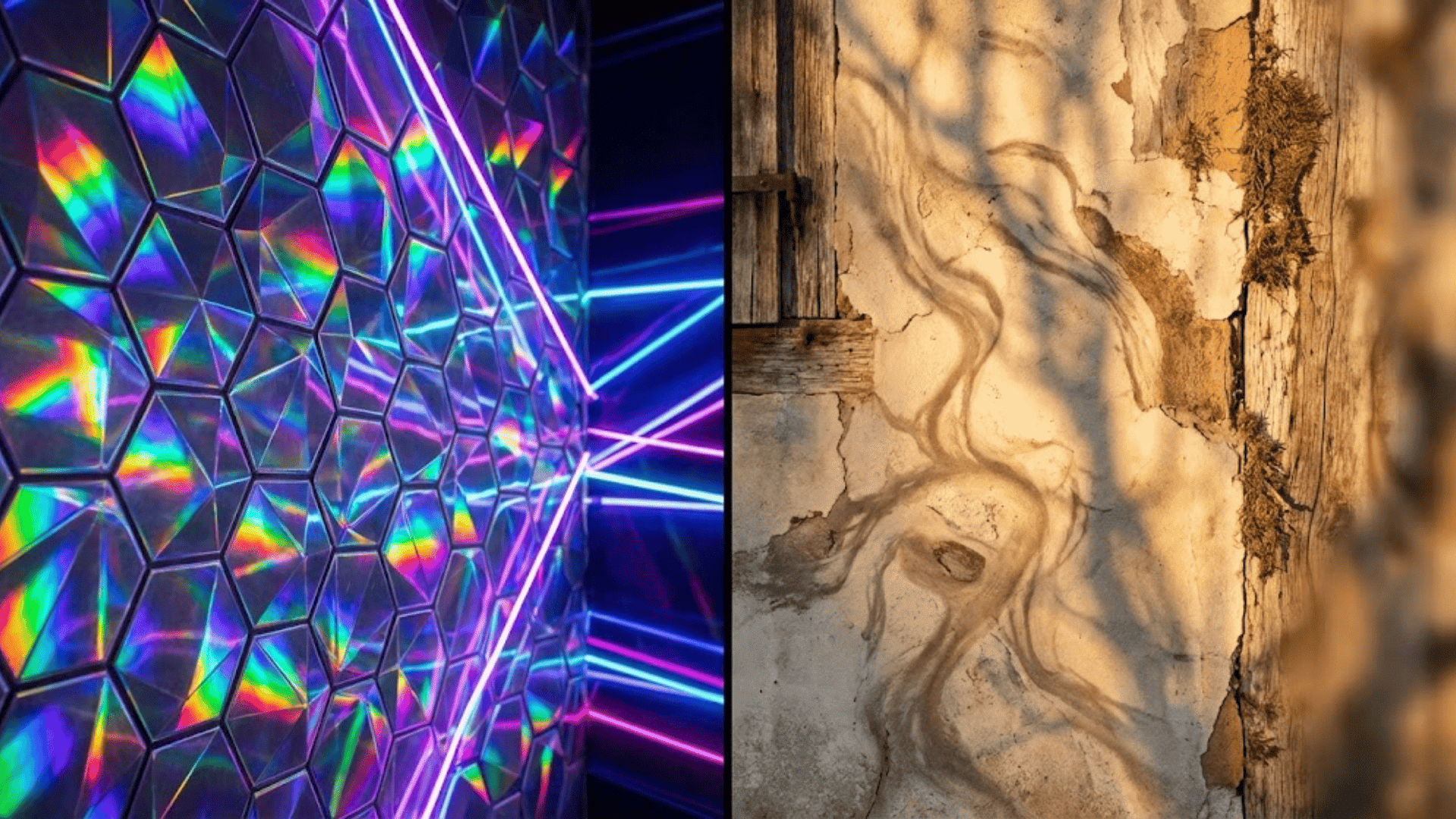
The visual hallucinations from LSD and shrooms are among their most striking differences, each creating a distinct aesthetic experience.
LSD Visuals (“Acid Visuals”)
Acid produces crisp, geometric hallucinations with sharp edges and mathematical precision. You’ll notice intensified colors that seem to vibrate with energy, intricate fractal patterns spiraling endlessly, and pronounced movement trails following objects.
Surfaces often appear covered in kaleidoscopic designs or grids. The visuals feel electric and synthetic; think neon lights, computer-generated imagery, and crystalline structures.
Everything gains enhanced detail and clarity, as if reality’s resolution has been dramatically increased, making textures and patterns you’d normally overlook become mesmerizingly vivid.
Shroom Visuals
Mushroom visuals feel softer and more organic, like nature itself is coming alive. Walls appear to breathe in and out rhythmically, patterns flow like water or smoke, and you might see nature-themed imagery: vines, eyes, or ancient symbols emerging from textures.
Colors are warmer and more earthy compared to LSD’s electric palette. The hallucinations have a dreamlike, rounded quality rather than sharp geometry.
Many people report seeing faces in objects or feeling like they’re perceiving the “living essence” of their surroundings.
LSD vs. Shrooms: Duration and Onset Comparison
Timing is one of the most practical differences between these substances, affecting everything from your scheduling to the intensity of the experience.
| Aspect | LSD | Shrooms |
|---|---|---|
| Onset Time | 30-90 minutes | 20-40 minutes |
| Peak Duration | 3-5 hours | 2-3 hours |
| Total Duration | 8-12 hours | 4-6 hours |
| Afterglow | Can last 24+ hours | 2-4 hours |
| Come-Up Experience | Gradual, smoother transition | Faster, sometimes abrupt |
| Peak Intensity | Sustained plateau with steady effects | Sharper, more concentrated peak |
Why LSD Lasts Longer? LSD molecules bind tightly to serotonin receptors and dissociate slowly, getting “trapped” in receptor pockets. Psilocin has a simpler structure and is metabolized much more quickly, leading to a shorter duration.
LSD requires clearing your entire schedule for a full day, while shrooms offer a shorter experience that might fit into an afternoon. This makes shrooms more manageable for those with limited time, though the rapid onset can surprise first-timers.
How to Take LSD and Shrooms: Ingestion Methods
How you consume these substances significantly impacts your experience, from onset speed to overall intensity and comfort.
Common Ways to Take LSD
LSD most commonly comes on blotter paper, small squares with printed designs that you place under your tongue for sublingual absorption.
Liquid drops offer precise dosing when applied to sugar cubes, candy, or directly under the tongue.
Gel tabs are another popular form, providing longer shelf life and consistent potency.
All methods work quickly since LSD absorbs efficiently through mucous membranes. The substance is tasteless and odorless, making dosing straightforward and discreet across all formats.
Common Ways to Take Shrooms
Dried mushrooms can be eaten directly, though the taste is notoriously unpleasant, earthy, and bitter.
Mushroom tea is gentler on your stomach, made by steeping ground mushrooms in hot water, often with added flavors. Many people use capsules filled with powdered mushrooms for tasteless consumption and easier dosing.
Chocolate edibles mask the flavor entirely while providing consistent portions.
Tea tends to produce a faster onset and reduced nausea, while eating whole mushrooms creates a slower, potentially more intense experience.
Side Effects and Risks of LSD and Shrooms

While both substances have relatively low physical toxicity, they carry psychological and physiological risks that shouldn’t be taken lightly.
1. Psychological Risks
The mental health risks are the most significant concern with both substances:
- Challenging trips can involve intense anxiety, panic, paranoia, or frightening hallucinations lasting hours
- People with a personal or family history of schizophrenia or psychosis face a heightened risk of triggering episodes
- Pre-existing anxiety or depression can temporarily worsen, though responses vary widely
- Loss of reality testing during the experience can lead to dangerous behavior or decision-making
2. Physical Side Effects
Both substances cause similar physical reactions, though intensity varies. You’ll likely experience increased heart rate and blood pressure, which can be concerning for those with cardiovascular issues.
Shrooms more commonly cause nausea and sometimes vomiting, particularly during the come-up. Dizziness, pupil dilation, and muscle tension occur with both.
LSD tends to produce more jaw clenching and restlessness, while shrooms create heavier body sensations. These physical effects are generally temporary and resolve as the substance wears off.
3. Potential Long-Term Concerns
Understanding the lasting effects helps you make informed decisions:
| Concern | Description | Prevalence |
|---|---|---|
| HPPD (Hallucinogen Persisting Perception Disorder) |
Visual disturbances (trails, halos, static) persisting after use | Rare; affects a small percentage of users |
| Flashbacks | Brief re-experiencing of trip sensations without taking a substance | Uncommon; usually diminishes over time |
| Emotional Integration | Difficulty processing intense experiences; lasting anxiety or mood changes | Varies; more common after challenging trips |
| Psychological Dependence | No physical addiction, but some seek repeated experiences compulsively | Low risk; neither substance is physically addictive |
The unpredictability of psychological reactions makes screening for mental health vulnerabilities and maintaining an appropriate set and setting absolutely essential for harm reduction.
Safety and Harm Reduction Tips
Taking precautions can dramatically reduce risks and improve your experience with either substance.
- Choose a safe, comfortable environment where you feel secure and won’t be interrupted or need to interact with strangers
- Have a trusted, sober trip sitter present, especially for first experiences or higher doses
- Avoid driving, operating machinery, or making important decisions during and immediately after the experience
- Don’t combine with alcohol or other drugs, as interactions can be unpredictable and dangerous
- Be aware that SSRIs and other antidepressants can significantly diminish or block psychedelic effects and may increase serotonin syndrome risk
Most negative experiences stem from poor planning rather than the substances themselves.
Preparation, proper mindset, and responsible practices make the difference between a meaningful experience and a potentially traumatic one.
Which is “Stronger”: Understanding Intensity
“Strength” is misleading because these substances affect you differently, rather than one simply being more powerful.
LSD typically produces more intense visuals and lasts significantly longer, which some interpret as stronger. Shrooms often create deeper emotional intensity and a more immersive headspace, which others find more powerful.
Dose matters enormously; a high shroom dose can far exceed a moderate LSD experience and vice versa.
Your individual brain chemistry, tolerance, mindset, and environment dramatically influence intensity. Rather than asking which is stronger, consider which type of intensity aligns with what you’re seeking from the experience.
Resources & References
This guide is supported by peer-reviewed research on psychedelic compounds.
Key studies include Nichols’ comprehensive review on hallucinogen pharmacology published in Pharmacological Reviews, Griffiths et al.’s landmark psilocybin study in the Journal of Psychopharmacology, and Carhart-Harris’ research on LSD’s brain effects in PNAS.
The National Survey on Drug Use and Health provides prevalence data, while Johnson et al.’s safety analysis examines adverse effects.
These peer-reviewed publications inform the clinical and pharmacological information presented throughout this comparison.
The Bottom Line
After comparing LSD and shrooms, it’s clear that both offer distinct experiences rather than one being universally superior.
LSD delivers longer, visually geometric trips with analytical clarity, while shrooms provide shorter, emotionally intense experiences with organic imagery.
Your choice between these two depends entirely on what you’re seeking: extended exploration or concentrated depth. Individual brain chemistry, dosage, and setting dramatically influence outcomes with either substance.
Remember that harm reduction isn’t optional; proper preparation and mindset are essential regardless of your choice. What’s your take on the LSD vs shrooms debate? Share your thoughts or questions in the comments below.