When people ask “How long does meth stay in your system?”, they’re usually feeling stressed, confused, or just trying to understand what really happens inside the body.
I wrote this blog post to explain everything clearly and calmly. In this guide, I talk about how long meth stays in urine, blood, saliva, and hair, and why these times can be different for each person.
I also cover secondhand meth smoke, what withdrawal feels like, and whether you can speed up the detox process.
If you or someone you care about is struggling, I’ll also share helpful treatment options and signs that it may be time to reach out for support.
How Long Does Meth Show Up in a Urine Sample
When someone uses meth, the body breaks it down into smaller substances called metabolites. The main one is called amphetamine. Both the original meth and these metabolites leave the body through urine.
For most people who use meth occasionally, it shows up in urine for about 72 hours (3 days). However, this isn’t the same for everyone.
People who use meth regularly or in large amounts can test positive for 5 to 7 days after their last use.
Think of it this way: your body needs time to process and eliminate the drug. The more meth in your system, and the more often you use it, the longer this cleanup process takes.
Duration of Detection Window in Each Test Type:
| Test Type | Detection Window | Best Used For |
|---|---|---|
| Urine | 3–5 days (up to 7 for heavy users) | Most common screening method |
| Blood | 1–3 days | Recent use detection |
| Saliva | 24–48 hours | Roadside or immediate testing |
| Hair | Up to 90 days | Long-term use history |
Why Meth Stays in Urine Longer Than Other Stimulants
Compared to other stimulant drugs, meth has some unique characteristics:
- Slower metabolism: Your body takes longer to break down meth compared to drugs like cocaine
- Kidney concentration: Meth and its metabolites concentrate heavily in the kidneys before being filtered into urine
- Chemical stability: The drug’s structure makes it stick around longer in bodily fluids
For example, cocaine usually clears from urine within 2 to 3 days, while meth can linger for nearly twice as long. This extended window makes meth easier to detect in standard drug screenings.
Factors Affecting Meth Detection in Your Urine Sample

Not everyone processes meth at the same rate. Several personal factors determine how long the drug remains detectable.
1. Frequency and Amount of Use
This is probably the biggest factor:
- One-Time or Occasional Use: Meth typically clears within 3 to 4 days
- Regular Use (several Times a Week): Detection window extends to 5 to 6 days
- Heavy Daily Use: Can be detected for a full week or slightly longer
The body can only eliminate meth so fast. When use is frequent, the drug builds up faster than your system can clear it out.
2. Method of Use
How meth enters the body affects how quickly it’s absorbed and eliminated:
- Smoking or Injecting: Gets into the bloodstream fastest, but also leaves traces that linger
- Snorting: Slightly slower absorption
- Oral Use (swallowing): Takes longest to feel effects, but also processes differently
While the method affects how quickly you feel the effects, the overall detection window in urine doesn’t vary much across methods.
3. Age, Weight, Hydration & Organ Health
Your body’s physical condition plays a major role:
- Kidney and Liver Function: These organs do the heavy lifting when it comes to filtering out drugs. If they’re not working at full capacity, meth stays in your system longer.
- Hydration Level: Being well-hydrated helps your kidneys function better, but don’t be fooled—drinking lots of water won’t “flush out” meth quickly enough to beat a test.
- Age and Metabolism: Younger people with faster metabolisms typically process drugs more quickly. As we age, these processes naturally slow down.
- Body Fat and Weight: Meth is water-soluble, meaning it doesn’t store in fat like some other drugs. However, overall body composition still affects how the drug is distributed and eliminated.
4. Body Chemistry and Metabolism
Everyone’s body is unique. Genetic differences mean some people naturally process drugs faster or slower than others.
There’s no way to predict exactly where you fall on this spectrum without medical testing, but it explains why two people who use the same amount might have different detection windows.
Secondhand Meth Smoke: Can It Make You Fail a Urine Test?

This is a legitimate concern, especially for people who live with someone who uses meth or work in environments where exposure is possible.
Here’s what research tells us: yes, secondhand meth smoke can potentially cause a positive drug test, though the circumstances matter a lot.
Studies have shown that people exposed to heavy meth smoke in enclosed spaces can have detectable levels in their urine. This is particularly concerning for:
- Children living in homes where meth is used or manufactured
- People in small, poorly ventilated spaces
- Residents of homes contaminated by previous meth production
However, current research has gaps. Scientists are still determining the exposure level needed for a positive test, and testing technology continues to improve at differentiating between direct use and environmental exposure.
If you’re worried about secondhand exposure, the best protection is avoiding environments where meth is being used.
If you live in a situation where this is unavoidable, documenting your concerns and seeking help from local resources can be important for your health and any potential legal situations.
What Meth Withdrawal Looks Like
Understanding withdrawal is important because it affects how long the drug stays detectable and what the body goes through during elimination.
When someone stops using meth, withdrawal symptoms typically begin within a few hours and include:
Physical Symptoms:
- Extreme fatigue and need for sleep
- Increased appetite
- Body aches and discomfort
- Slowed movements
- Dehydration
Psychological Symptoms:
- Intense cravings for meth
- Depression and anxiety
- Irritability and mood swings
- Difficulty feeling pleasure
- Paranoia or psychosis in some cases
The worst symptoms usually peak within 24 to 48 hours after the last use. This is roughly the same timeframe when meth is still very much present in the system and showing up on tests.
For most people, the acute withdrawal phase lasts about a week, but psychological symptoms like depression and cravings can persist much longer, sometimes for months.
This extended timeline is one reason why medical supervision during detox is so valuable. Professional help can make the process safer and more comfortable while addressing both the physical and mental health aspects.
Can You Get Meth Out of Your System Faster?
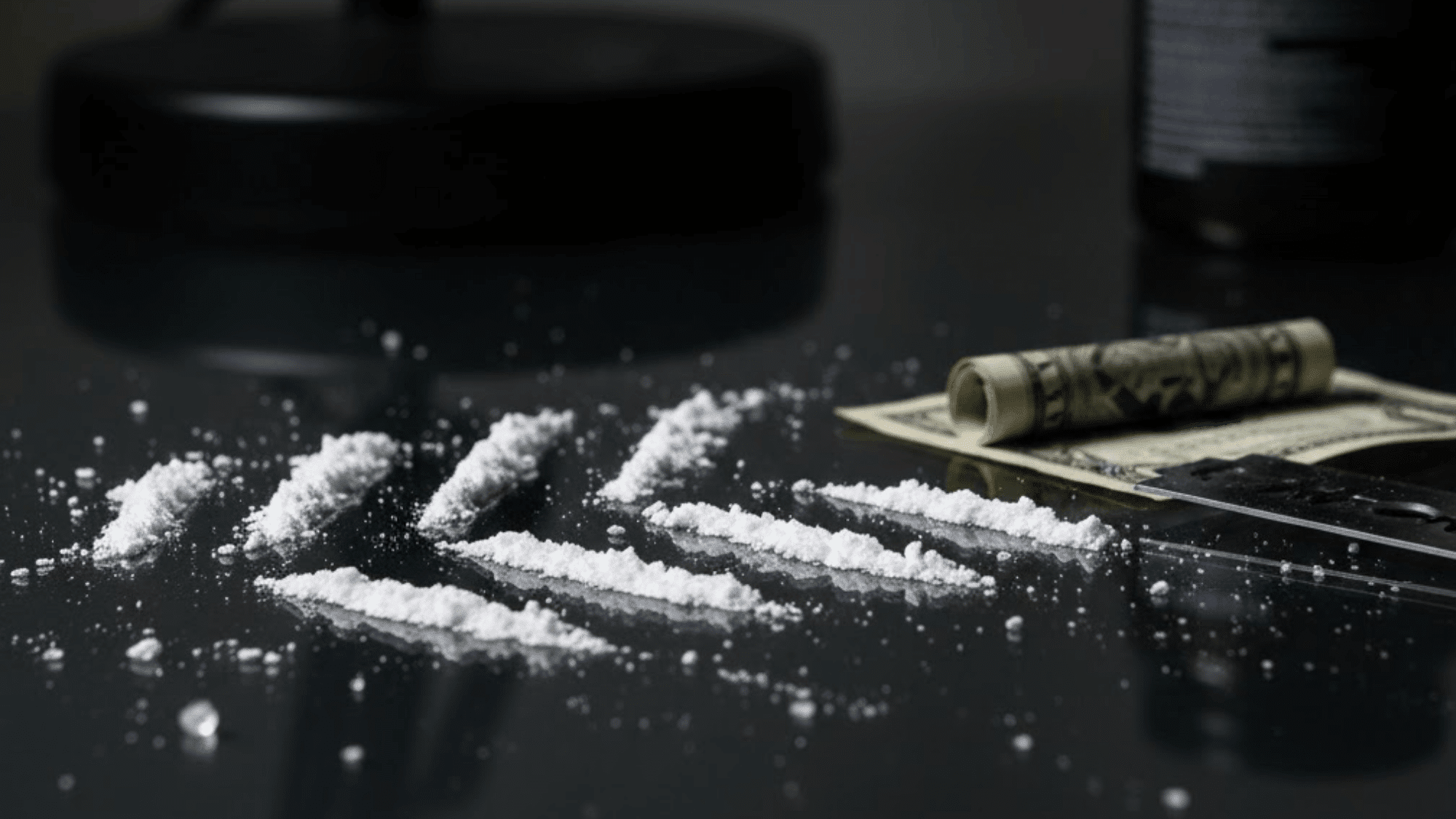
This is one of the most searched questions, so let’s be completely honest about it.
You’ll find lots of products and home remedies claiming to help you pass a drug test. Here’s the truth about the most common ones:
- Detox Drinks and Cleanses: These don’t eliminate meth from your body faster. At best, they temporarily dilute your urine, which modern tests can detect.
- Vinegar, Cranberry Juice, or Lemon Water: While staying hydrated is healthy, acidic drinks won’t speed up meth elimination.
- Niacin Supplements: There’s no scientific evidence that niacin clears meth from your system. High doses can actually be dangerous.
- Exercise and Saunas: While these are good for overall health, they won’t significantly speed up the elimination of meth from your body.
What Actually Happens During Detox
Your body has a natural, efficient system for processing and eliminating drugs. This system works at its own pace, and there’s no safe shortcut.
The Natural Timeline: Once you stop using meth, your liver and kidneys work to break it down and filter it out. This process takes the time it takes, roughly 3 to 7 days for most people.
Medical Detox Programs: These don’t speed up elimination, but they do something more important: they keep you safe and comfortable during the process. Medical professionals can:
- Monitor your vital signs
- Provide medication to ease withdrawal symptoms
- Address any mental health concerns
- Create a supportive environment
- Connect you with ongoing treatment options
The goal of detox isn’t to beat a drug test. It’s to safely stop using meth and begin the recovery process with proper support.
Treatment Options for Meth Use or Addiction
The good news is that effective treatments exist for meth addiction. Here’s what help looks like:
Behavioral therapies: These are the main treatment approaches for meth use:
- Cognitive Behavioral Therapy (CBT): Helps identify and change thought patterns that lead to drug use
- Matrix Model: A structured, 16-week program combining different therapy approaches
- Contingency Management: Uses positive reinforcement to support staying drug-free
Medical support: While there’s currently no FDA-approved medication specifically for meth addiction, doctors can prescribe medicines to help with:
- Withdrawal symptoms
- Co-occurring mental health conditions like depression or anxiety
- Sleep problems
- Cravings (research on medications for this is ongoing)
The best treatment plan is personalized. What works varies from person to person, and many people benefit from a combination of approaches. The important thing is taking that first step to reach out.
When to Seek Help
Sometimes people research meth detection times because they’re worried about themselves or someone they care about. Here are some signs that meth use has become a problem:
| Sign / Symptom | Description |
|---|---|
| Using more meth or using it more often than intended | Taking larger amounts or using more frequently than planned |
| Failed attempts to cut down or stop | Trying to quit but being unable to |
| Strong cravings or urges to use | Intense desire or urge to use meth |
| Neglecting responsibilities at work, school, or home | Missing tasks or duties because of meth use |
| Experiencing withdrawal symptoms when not using | Feeling sick, depressed, tired, or anxious without meth |
If several of these sound familiar, reaching out for help is a sign of strength, not weakness. Meth addiction is a medical condition, and like any health issue, it responds better to early treatment.
Reach out to SAMHSA’s National Helpline: 1-800-662-4357 (free, confidential, 24/7)
Final Thoughts
Meth doesn’t just affect drug tests; it affects your body, your mind, and your daily life.
I wrote this guide to help you understand what’s really going on, from how long meth stays in your system to what withdrawal feels like and why getting support matters.
If you’re reading this because you’re worried about yourself or someone you care about, that already shows you care and want something better.
You don’t have to handle this alone. Talk to a doctor, therapist, or someone you trust.
You can also call SAMHSA’s National Helpline for free, confidential help and start taking your next step toward recovery today.