Do you want to know how long does ketamine pain relief last so you can plan your treatment better? Understanding the duration helps you schedule appointments and set realistic expectations for managing chronic pain effectively daily.
I want to help you understand what affects how long the relief continues working in your body naturally. The answer varies based on your unique situation but knowing the basics puts you in control of treatment.
Multiple factors work together to influence the timeline of relief you receive after each infusion session completes. Everyone experiences different results because bodies process medications at their own pace based on individual health conditions.
I believe having clear information empowers you to make better decisions about your pain management journey ahead.
This content is for informational purposes only and should not replace professional medical advice from your qualified healthcare provider.
What is Ketamine and How Does It Work for Pain Relief?
Ketamine is a medication doctors originally used as an anesthetic during surgeries to help patients stay pain-free and relaxed. Today, medical professionals use ketamine to treat chronic pain conditions that don’t respond well to traditional pain medications anymore.
Ketamine works by blocking specific pain receptors in your brain called NMDA receptors which stop pain signals from reaching you. This blocking action helps reduce how much pain you feel and can provide relief when other treatments fail completely.
Doctors commonly use ketamine infusions to manage conditions like chronic pain, fibromyalgia, and treatment-resistant depression effectively. Ketamine infusions deliver the medication slowly through an IV for precise dosing.
How Long Does Pain Relief from Ketamine Last?
Pain relief from ketamine typically lasts anywhere from a few hours to several weeks depending on your specific condition. Most people experience immediate relief during the infusion that can continue for 24 to 48 hours after treatment ends.
Chronic pain conditions like fibromyalgia often see relief lasting one to two weeks after a single ketamine session. Acute pain situations might only get relief for a few hours while more severe chronic conditions require regular sessions.
The duration varies greatly between individuals because everyone’s body processes ketamine differently based on their unique pain condition.
Research from the National Center for Biotechnology Information shows ketamine can provide sustained pain relief for up to 12 weeks in some patients. Your overall health, pain severity, and treatment frequency all affect how long the relief actually lasts for you.
Factors Affecting the Duration of Ketamine Pain Relief
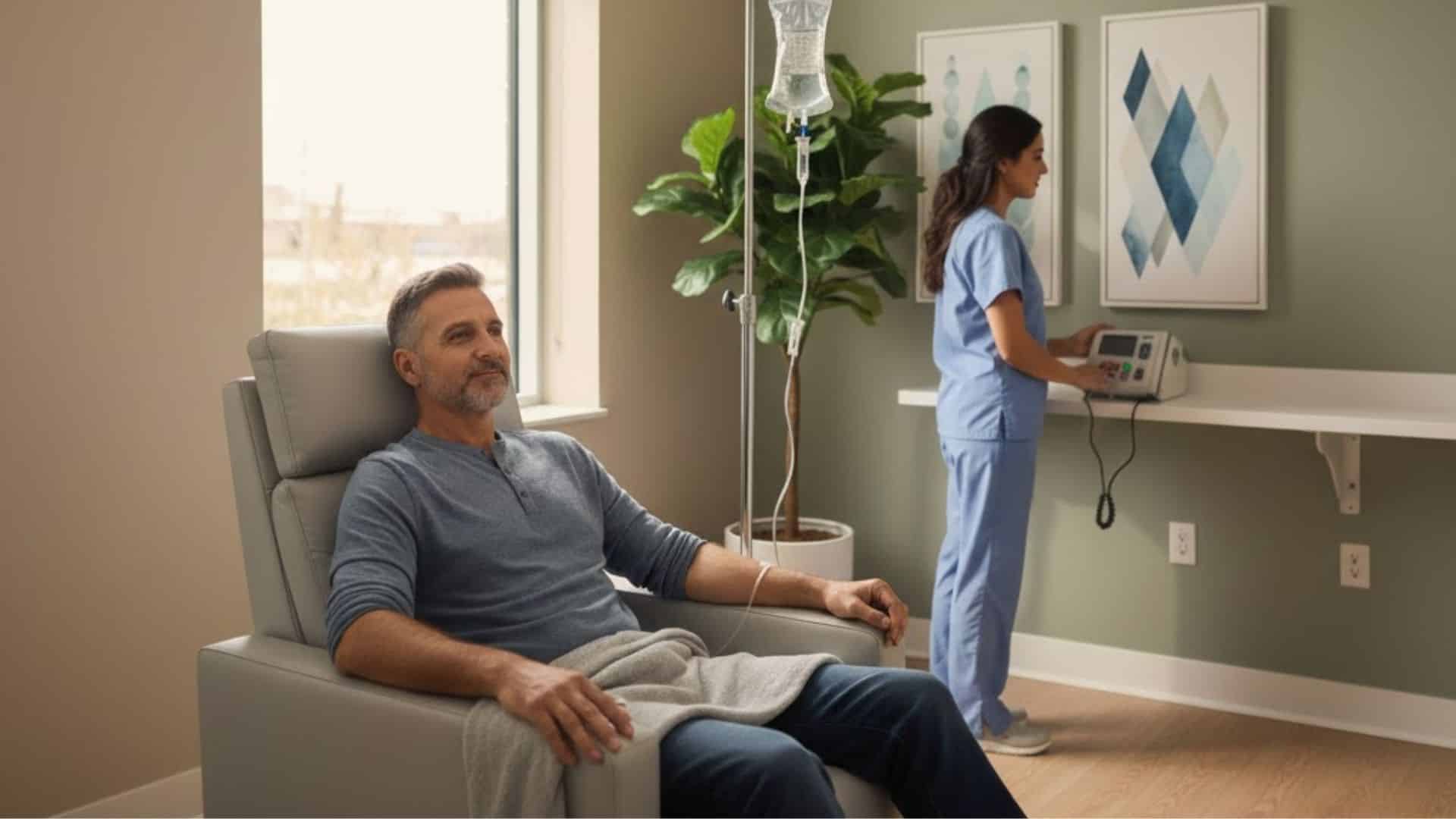
I want to show you the key factors that determine how long ketamine relieves your pain after treatment ends. Understanding these elements helps you set realistic expectations and plan your treatment schedule effectively:
1. Treatment Frequency
How often you receive ketamine infusions directly impacts how long the pain relief lasts between each session. Regular treatments spaced a few weeks apart tend to provide more consistent and longer-lasting relief than single sessions.
Some patients need infusions every four to six weeks to maintain pain control while others need monthly treatments. Your doctor adjusts the frequency based on how your body responds to treatment.
2. Pain Condition Type
The specific pain condition you have plays a major role in determining how long ketamine provides relief. Complex regional pain syndrome often responds well with relief lasting up to twelve weeks after infusion treatment.
Neuropathic pain conditions might see shorter relief periods lasting only one to two weeks after each session. Fibromyalgia patients typically experience varied results with some getting days of relief while others get weeks.
3. Dosage and Infusion Protocol
The amount of ketamine you receive and how it’s delivered affect the duration of pain relief significantly. Higher doses administered through IV infusions typically provide longer relief than lower doses given through nasal spray.
Infusions lasting several hours tend to produce better results than shorter quick treatments given in minutes. Your doctor tailors the dose and method based on your pain severity and treatment goals.
4. Patient-Specific Factors
Your age, weight, overall health, and previous pain history all influence how long ketamine works for you. Younger patients with fewer health issues often experience longer relief periods compared to older patients with complications.
Your body’s metabolism affects how quickly ketamine breaks down which changes how long the effects last. Previous experiences with pain medications can also impact how well ketamine works for your specific situation.
5. Mental Health Connection
Mood disorders like depression and anxiety can significantly affect how long ketamine provides pain relief for you. Patients with untreated depression often experience shorter pain relief periods because mental health and chronic pain are connected.
Ketamine treats both depression and pain which can extend the duration of relief when both conditions improve. Managing your mental health alongside physical pain often leads to better and longer-lasting treatment outcomes overall.
What to Expect After Ketamine Treatment?
Ketamine treatment affects everyone differently, so understanding what happens after your infusion helps you prepare mentally and physically.
Most people notice changes in their pain levels during or shortly after the treatment session ends completely.
Some patients feel immediate relief while others need a few days before noticing significant improvements in their symptoms.
Side effects like dissociation, dizziness, or nausea are common but usually fade within hours after treatment finishes. Your first infusion helps your doctor understand how your body responds and adjust future treatments accordingly for results.
Managing your expectations is important because ketamine works differently for each person based on their unique pain condition.
Ways to Extend Ketamine Pain Relief Duration
Ketamine treatment works best when combined with other pain management strategies and healthy lifestyle choices for your body. Following these practical tips helps extend the pain relief you get from each ketamine infusion session:
- Combine with complementary therapies: Pair ketamine with physical therapy, acupuncture, or prescribed medications to create a comprehensive pain management plan.
- Make healthy lifestyle changes: Regular exercise, stress management techniques, and proper sleep hygiene all help prolong the pain relief effects naturally.
- Schedule regular follow-up treatments: Consistent infusion sessions spaced appropriately prevent pain from returning to previous severe levels before new treatment.
- Work closely with your doctor: Personalizing your treatment plan based on your unique response ensures the best possible results over time.
I recommend keeping a pain journal to track your relief duration and share patterns with your doctor. I believe this collaborative approach creates the most effective long-term pain management strategy for your specific needs.
Ketamine Infusions for Chronic Pain: A Long-Term Solution?
Ketamine infusions show promise as a long-term treatment option for managing chronic pain that doesn’t respond to traditional methods.
Many patients report significant improvements in their daily activities and overall quality of life after starting ketamine therapy regularly.
Healthcare professionals and patients discuss ketamine’s effectiveness on Reddit where experiences range from lasting relief to temporary benefits only. The treatment typically requires ongoing or periodic infusions to maintain pain relief since effects fade over time for most.
Long-term success depends heavily on your specific pain condition and how consistently you follow your treatment schedule. Quality of life improvements often extend beyond pain reduction to include better mood and functionality.
When to Consider Ketamine Infusions for Pain Relief?
Ketamine infusions become an option when traditional pain medications and treatments stop working effectively for your chronic pain condition. You should talk to your doctor about ketamine if opioids, physical therapy, or nerve blocks haven’t provided adequate relief.
Bring up ketamine during your appointment by asking if it’s appropriate for your specific pain type and medical history.
Your healthcare provider will evaluate if you’re a good candidate based on your pain severity and previous treatment responses.
Before trying ketamine, doctors typically recommend exhausting other options like antidepressants, anticonvulsants, and comprehensive physical therapy programs first. The decision to pursue ketamine should involve careful discussion about potential benefits and risks.
Final Thoughts
Now you understand how long does ketamine pain relief last and what influences the duration for different patients everywhere. Your body responds uniquely so tracking your personal relief patterns helps your doctor optimize your treatment plan perfectly.
Stay patient during your first few sessions because finding the right schedule takes time and careful observation. Combining ketamine with healthy habits and other therapies extends relief and improves your quality of life significantly.
Managing expectations prevents disappointment and helps you appreciate the progress you make along your pain management journey.
I hope this information gives you confidence to study ketamine as a viable option for stubborn pain. Share your ketamine experience in the comments below and let me know how long your relief typically lasts.