I’ve felt that nervous, uneasy feeling after drinking, and I know how confusing it can be. You wake up tired, your head feels heavy, and your thoughts won’t slow down.
Even small things can suddenly feel overwhelming. That’s hangxiety, and it can be really uncomfortable.
If you’re wondering how long hangxiety lasts, you’re not alone. Here I’ll talk about how long it usually sticks around, why alcohol can trigger anxiety the next day, and what makes it worse for some people.
I’ll share simple, easy tips I use to calm my mind and help my body feel normal again, and tell you how to get rid of it.
What is Hangxiety and How Long Does Hangxiety Really Last?
For those who don’t know, hangxiety is that anxious, uneasy feeling you can get the day after drinking, basically a hangover mixed with anxiety.
Along with the usual hangover stuff like headache, nausea, and tiredness, you might also feel shaky, restless, moody, or stuck in overthinking.
For most people, hangxiety lasts a few hours to 1 day, which is usually the same length as a hangover. But for some, it can hang around for 2–3 days, especially after heavy drinking or if you’re already stressed.
It can feel different for everyone because sleep, hydration, food, and your usual anxiety levels all matter.
If you didn’t eat much, slept poorly, or woke up dehydrated, that anxious feeling can hit harder and last longer.
The good news is that it does pass. Even if your thoughts feel loud right now, your body and brain are calming down in the background, and you’ll likely start feeling more like yourself soon.
Why Does Hangxiety Happen?
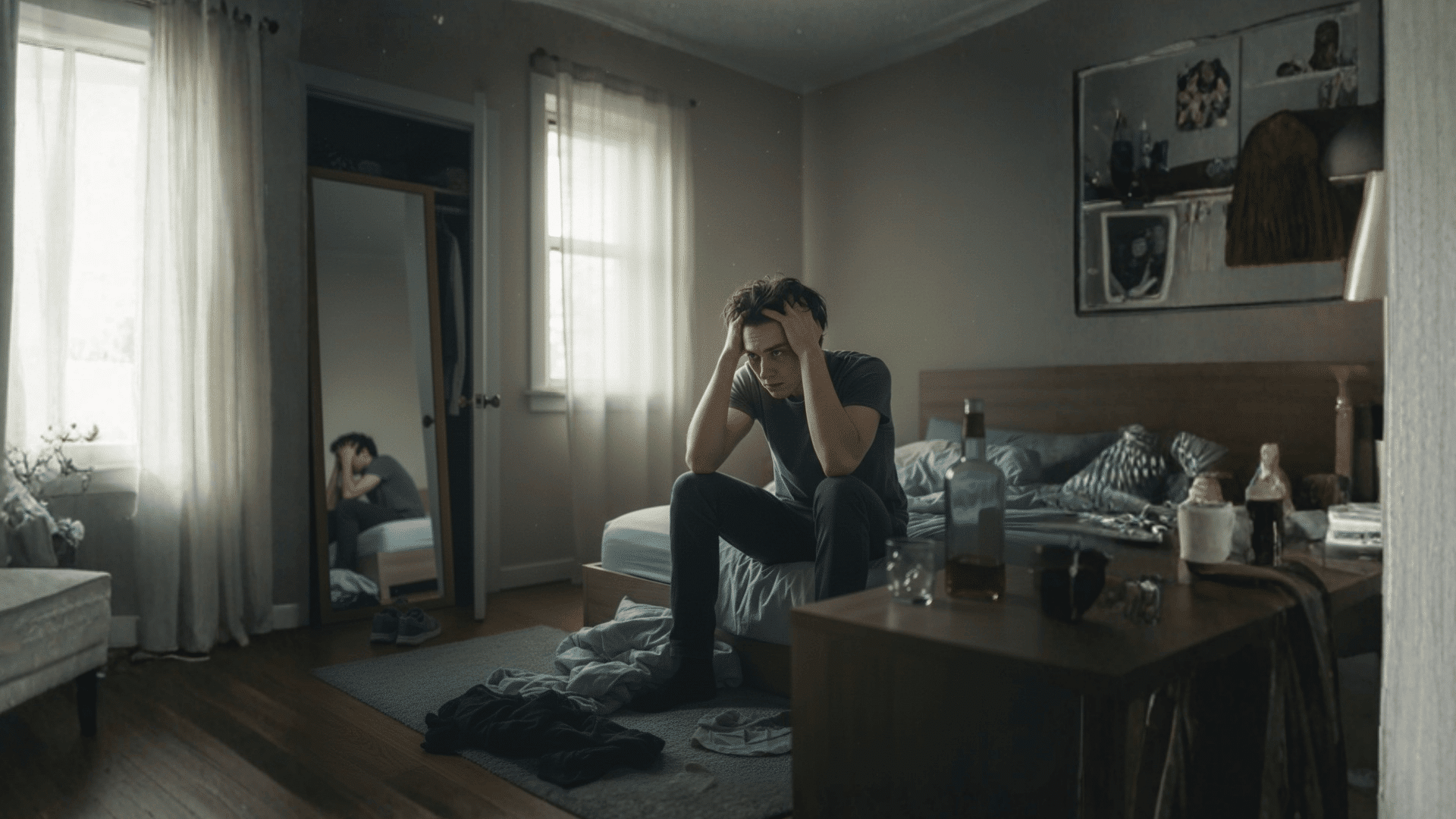
“Hangxiety” (hangover + anxiety) is a real, body-based rebound effect after drinking. Alcohol temporarily pushes key brain and stress systems in one direction (more “calm/sedated”), and the next day the body swings back the other way to restore balance.
That rebound, combined with poor sleep, dehydration, and inflammation, can make anxiety symptoms feel much stronger.
1) Neurotransmitter Rebound (GABA, Glutamate, Dopamine)
Alcohol boosts GABA activity (the brain’s main calming signal) and reduces glutamate activity (a major “go” signal). To compensate, the brain begins adjusting in the opposite direction, reducing GABA responsiveness and increasing glutamate signaling.
When alcohol leaves the system, that compensation can overshoot, creating a hyper-excitable state that feels like restlessness, racing thoughts, irritability, and heightened startle response.
Alcohol also affects dopamine and other reward circuits. After the temporary “lift” during drinking, dopamine signaling can drop below baseline during recovery, which may worsen low mood, worry, and sensitivity to stress.
2. Stress-Hormone Activation (HPA Axis, Cortisol, Adrenaline)
Alcohol disrupts the body’s stress regulation system, often increasing activity in the HPA axis (hypothalamus–pituitary–adrenal system).
During the rebound phase, levels of cortisol and stress-related catecholamines (like adrenaline/noradrenaline) can rise.
This can produce physical anxiety symptoms, such as a fast heart rate, sweating, shakiness, and a tight chest, and the brain may interpret those sensations as danger, amplifying anxious thinking.
3. Sleep Architecture Disruption (REM Suppression and Fragmentation)
Alcohol can make falling asleep easier at first, but it tends to fragment sleep later in the night. It reduces REM sleep early and increases awakenings as blood alcohol levels fall.
Less REM and deep sleep means poorer emotional processing and weaker “top-down” control from the prefrontal cortex the next day.
The result is a brain that is more reactive to stress, less resilient, and more prone to rumination.
4. Dehydration, Electrolytes, and Autonomic “Wiring”
Alcohol is a diuretic, increasing fluid loss and sometimes lowering electrolytes (such as sodium, potassium, magnesium).
Dehydration plus electrolyte shifts can increase sympathetic nervous system activity (the body’s “fight-or-flight” branch), contributing to palpitations, dizziness, headache, and a sense of internal agitation.
Those body sensations can mimic or trigger anxiety, especially in people who are sensitive to changes in heart rate or breathing.
5. Blood Sugar Instability
Alcohol can interfere with normal glucose control, including suppressing the liver’s ability to release glucose (especially if little food is eaten).
The next day, some people experience low or unstable blood sugar, which can cause shakiness, nausea, sweating, weakness, and irritability symptoms that overlap heavily with anxiety.
The brain often tries to explain “something feels wrong” sensations, and anxiety can become the default explanation.
6. Inflammation and Immune Signaling
Alcohol can increase systemic inflammation and alter gut permeability in some people, leading to inflammatory signaling molecules (cytokines) that affect the brain.
Inflammation is linked with changes in mood and anxiety, and it can intensify fatigue, brain fog, and sensitivity to stress. This is one reason hangovers can feel not only physically rough but also emotionally heavy.
7. Higher Heart Rate and Lower Heart Rate Variability (HRV)
During recovery, the body often shows a higher resting heart rate and reduced heart rate variability (HRV), a marker associated with lower parasympathetic (“rest-and-digest”) activity and reduced stress flexibility.
Lower HRV correlates with feeling more “wired,” less calm, and more prone to anxious responses.
Hangxiety Timeline: What to Expect
Here’s a simple breakdown of what hangxiety can feel like over time.
I find it really helpful to see the “usual pattern,” because it reminds me that this feeling isn’t forever.
| Time After Drinking | WhatOne Might Feel | What Helps Most |
|---|---|---|
| 0–6 hours | Poor sleep, racing thoughts, restless body | Water, light snack, calm breathing |
| 6–12 hours | Hangover symptoms + anxious mood | Electrolytes, shower, simple food |
| 12–24 hours | Peak hangxiety for many people | Rest, steady meals, short walk |
| 24–48 hours | Lingering worry or low mood (some people) | Sleep, hydration, low caffeine |
| 48–72 hours | Usually fading, but may persist for some | Support, routine, professional help if needed |
How to Get Rid of Hangxiety
Hangxiety usually fades as the body resets, but a few simple moves can help it calm down faster. Start with water, then add electrolytes (ORS), coconut water, or a sports drink to replace what alcohol flushed out.
Next, eat something steady: eggs, yogurt, dal, peanut butter toast, or a banana with nuts, anything with protein + carbs to level blood sugar. If caffeine makes the heart race, skip or cut it back today.
Do a 10–20-minute walk or a light stretch to take the edge off. When anxiety spikes, try slow breathing (inhale 4 seconds, exhale 6–8 seconds) for a few minutes. Keep the day low-pressure, and aim for an early bedtime; sleep is the real reset button.
Final Thoughts
Hangxiety can feel really heavy, but I try to remember it’s usually my body and brain bouncing back after alcohol. The anxious thoughts can feel super real, yet they often fade as I hydrate, eat something steady, and get real rest.
I also go easy on myself instead of replaying the night over and over. A short walk, slow breathing, and staying off too much caffeine can help me feel calmer faster.
If hangxiety keeps coming back, lasts for days, or starts messing with work, sleep, or relationships, I think it’s worth talking to a doctor or therapist.
You don’t have to handle it alone. If this helped, share it with a friend and check out my other guides for simple recovery tips.