Sometimes, a small test can carry a lot of weight. I wanted to know how long does cocaine stay in your saliva because timing matters, especially when a test can pick something up so fast.
Saliva tests don’t wait around; they’re quick, often used on the spot, and the results can shape what happens next.
That’s why I looked into how long cocaine sticks around in your mouth, what changes that time, and how the test actually works.
You’ll see what affects detection, like how often someone uses, their body, and even how they take the drug.
You’ll also learn how the test is done, what results can mean, and why timing plays such a big role in what shows up.
Understanding Cocaine Detection Times
People often search for cocaine detection times because the results can affect important parts of life. Some are facing drug tests for work or legal reasons.
Others are in recovery and want to better understand how their body clears the drug. Some are just looking for answers during a stressful time.
What many don’t realize at first is that detection time isn’t the same for everyone. It changes based on how often the drug is used, how much is taken, and the type of test being used.
Different tests look for different signs, and they each have their own time window.
Saliva tests are often used to catch recent use. They’re quick and usually done on the spot. Other tests, like urine, blood, or hair, can show use over longer periods.
That’s why it’s important to understand the differences; it helps make sense of the results and what they really mean.
How Long Does Cocaine Stay in Your Saliva

Saliva tests are used to check for recent cocaine use. They’re fast, easy to give, and often used when quick results are needed.
On average, cocaine can be found in saliva for 1 to 2 days. In some cases, especially with frequent or heavy use, it may be detected for up to 3 days.
For someone who used cocaine just once, the drug usually leaves the system faster. But if a person uses it often, the body may take longer to clear it.
That’s why the amount and frequency of use matter so much when it comes to detection time.
Here’s a quick look at the typical detection ranges:
- One-time use: up to 1 day
- Occasional use: 1 to 2 days
- Frequent or heavy use: up to 3 days
Saliva tests are best at showing if the drug was used recently.
How Long Cocaine Stays in Your System by Test Type?
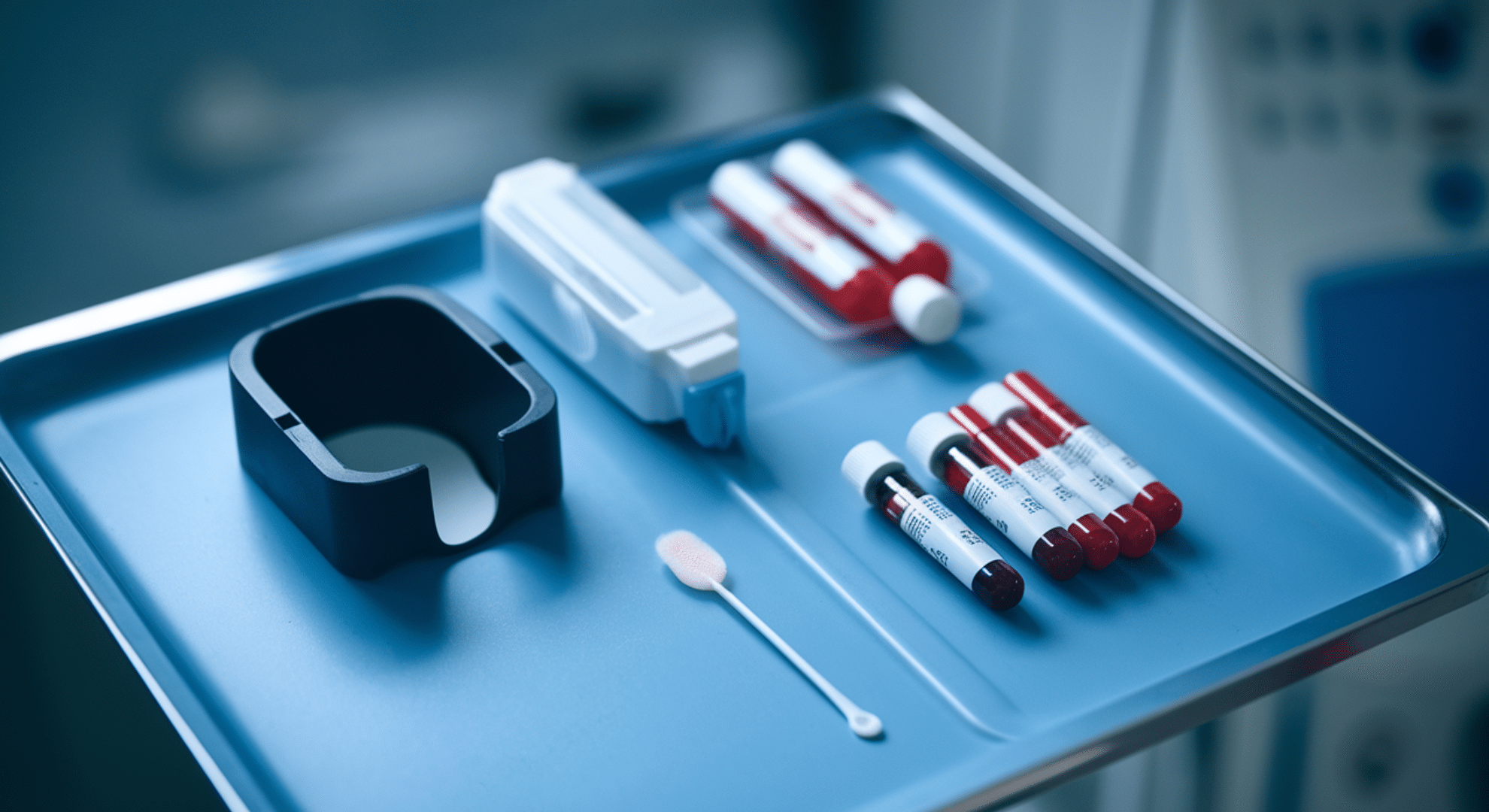
Different drug tests check for cocaine in different ways, and each one has its own detection window. Saliva tests are common when there’s a need to check for recent use.
They’re quick to give and are often used in workplaces, traffic stops, or during on-the-spot checks. Urine tests are more common in medical or rehab settings and can detect the drug for a longer time.
Blood tests are mostly used in emergencies or legal cases because they show what’s currently active in the system. Hair tests are used when someone needs a long-term view of drug use.
Here’s a quick comparison:
| Test Type | Detection Window | Common Use |
|---|---|---|
| Saliva | Short-term (recent use) | Workplace checks, traffic stops, quick results |
| Urine | Medium-term (a few days) | Rehab, medical exams, and random screenings |
| Blood | Very short-term (active use) | Hospitals, legal cases, and accident investigations |
| Hair | Long-term (weeks to months) | Background checks, long-term use history |
Saliva tests are preferred when recent use needs to be found quickly and easily.
What Affects How Long Cocaine Stays Detectable
The time cocaine stays in your system isn’t the same for everyone. A few key things can change how long it shows up on a test.
One of the biggest factors is how often it’s used. If someone uses cocaine regularly, it builds up in the body. That means it can take longer to clear out, and it may be easier to detect.
A higher dose can also prolong its duration.
Your body’s metabolism plays a big role too. People with faster metabolisms may break the drug down more quickly.
Health also matters; things like liver function, hydration, and overall fitness can all affect how the body gets rid of cocaine.
How the drug is taken also makes a difference. Snorting, smoking, or injecting it can all lead to different speeds of absorption. Mixing cocaine with alcohol creates a new chemical in the body, which can last even longer.
Can You Shorten the Detection Window?

Many people wonder if they can speed up the process and clear cocaine from their saliva faster.
While staying hydrated, eating healthy, and getting rest may support your body, there’s no guaranteed way to quickly remove all traces. The body needs time to break down the drug and its byproducts naturally.
Some products claim to “clean” your system, but most of these don’t work and can even be risky.
Mouthwashes or home remedies may hide traces for a short time, but they don’t actually remove the drug.
The best way to shorten the detection window is to stop use and give your body time to recover. Patience and time are the most reliable tools.
How Saliva Drug Tests Work
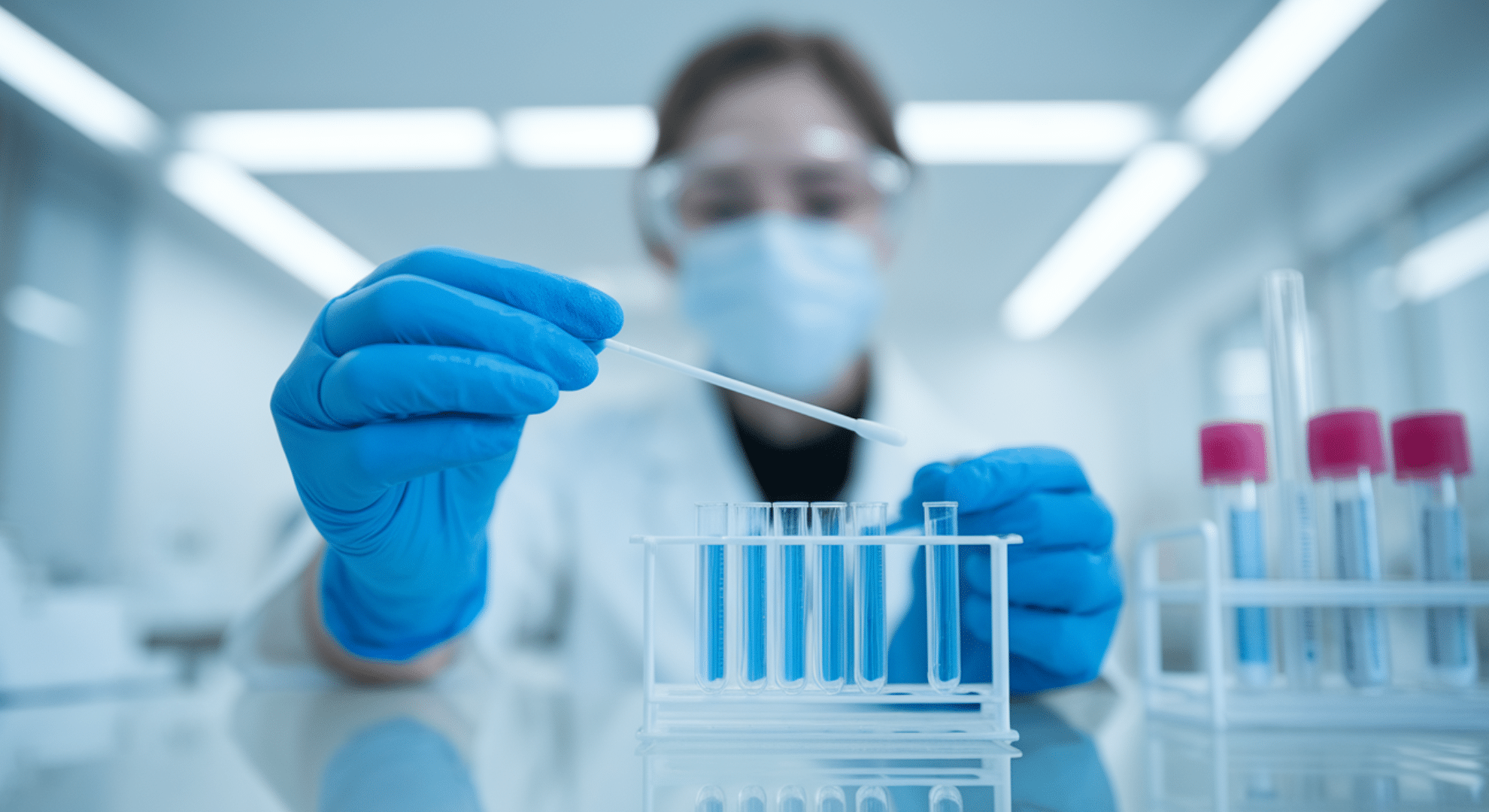
Saliva drug tests are often used because they’re quick, simple, and don’t need special equipment. A small swab is placed in the mouth, usually under the tongue or along the cheek, to collect saliva.
The process is fast and non-invasive, making it useful in settings such as job sites, traffic stops, and other situations where time matters.
These tests look for drug traces or their byproducts in the mouth, which are signs that a substance was used recently.
Key points about saliva tests:
- A swab collects saliva from inside the mouth
- The sample is tested for drug byproducts (metabolites)
- Some tests give results on the spot; others go to a lab
- They detect recent use, usually within a short time frame
These tests are hard to cheat, don’t require a bathroom, and give clear results fast. That’s why they’re used so often for short-term drug detection.
How Long Cocaine Stays in Saliva Compared to Other Drugs
Cocaine isn’t the only drug tested through saliva. Different substances stay in the mouth for different amounts of time, depending on how the body processes them. Some drugs are cleared out quickly, while others stick around longer due to how they’re stored or broken down.
Here’s a comparison of common substances and how long they can be found in saliva:
| Substance | Saliva Detection Time | Notes |
|---|---|---|
| Cocaine | 1–3 days | Stimulant |
| Marijuana | Up to 24 hrs | Stored in fat |
| Meth | 1–2 days | Similar stimulant |
| Opioids | 1–3 days | Varies by drug |
| Alcohol | Up to 12 hrs | Rapidly metabolized |
This helps show how cocaine compares to other substances when it comes to short-term saliva detection.
When to Seek Help for Cocaine Use
If cocaine use starts to feel hard to control, it might be time to reach out for help.
Signs of dependence can include strong cravings, needing more to feel the same effect, and trouble stopping even when you want to. Other signs may be mood swings, sleep problems, or changes in daily habits.
Recovery is possible, and there are safe ways to detox with medical support. Treatment options include therapy, support groups, and rehab programs that focus on both the body and mind.
This blog is for informational purposes only and does not give medical or legal advice. Always speak with a licensed healthcare provider or legal expert for guidance specific to your situation before making any decisions or taking action.
Conclusion
I looked into how long does cocaine stay in your saliva to understand what really affects test results, and I hope it gave you the answers you needed.
It’s not always easy to find simple, honest info, but now you have a clearer picture of how saliva tests work and what can change the detection time.
Now it’s your turn to take what you’ve learned and apply it to your own situation. Whether you’re just curious or facing something serious, knowing the facts can help you feel more in control.
One last reminder, every body is different, and time plays a big part in everything. Keep learning, stay aware, and check out the other blogs for clearer, useful information!