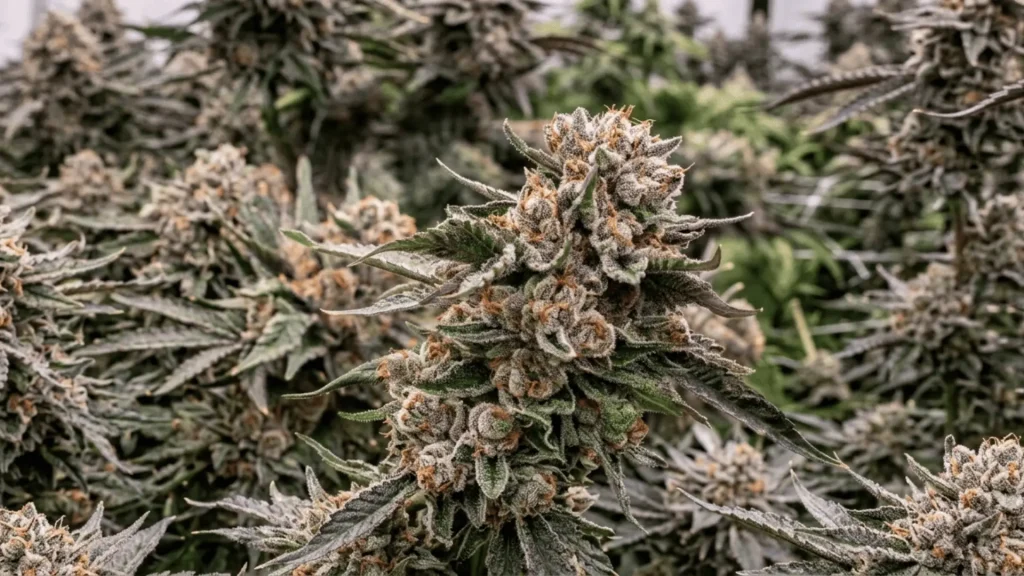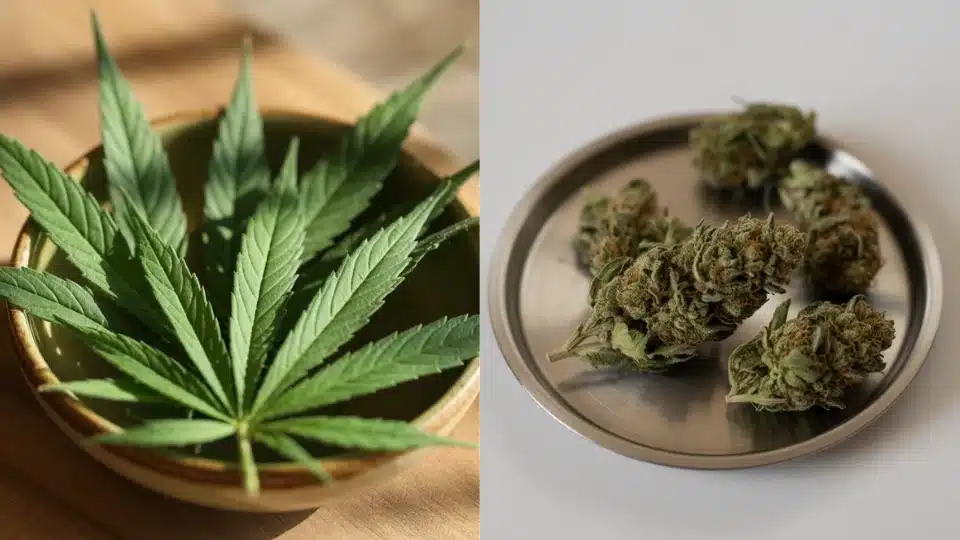
Hemp, THC, marijuana, CBD, used everywhere, explained almost nowhere. If you have found yourself staring at a product label, wondering whether what you are holding will get you high, affect a drug test, or even be legal in your state next year, you are not alone.
The hemp vs THC and hemp vs marijuana distinction is more layered than it first appears. I have spent considerable time researching this space, and the honest truth is that terminology alone can mislead even informed buyers.
Through this, I aim to discuss what hemp and THC actually are at a molecular level, what product labels really mean, the fast-changing legal landscape, how to match the right product to your use case, and the myths worth knowing.
An Overview ofTHC
THC, tetrahydrocannabinol, is the compound in cannabis responsible for the high. Not the plant, not the smoke, not the product. The molecule.
It works by binding to receptors in your brain that naturally regulate mood, memory, pain, and appetite. When THC attaches to those receptors, it overrides normal signaling, which is why the effects hit across the board simultaneously.
Perception shifts, time feels different, appetite spikes, memory gets hazy. One molecule, one system, all at once. What most people miss is that THC exists in virtually every cannabis plant, including hemp.
The difference isn’t presence, it’s concentration. A hemp plant and a high-potency marijuana product carry the same molecule. What separates them legally, functionally, and experientially is simply how much of it is there.
An Overview of Hemp
Hemp is cannabis, but not the kind that gets you high. It comes from the Cannabis sativa plant, bred specifically to keep THC so low that no psychoactive effect occurs, regardless of how much you consume.
What hemp actually produces in meaningful quantities is CBD, along with fibre, seeds, and oil, things that have been used industrially and medicinally for centuries. It’s not a watered-down version of anything. It’s a crop, grown with a completely different purpose in mind.
Once people understand hemp as an agricultural product first, a lot of the surrounding confusion starts to untangle itself.
One thing worth knowing before you buy anything hemp-derived: trace THC is still present in many products. Low enough to be legal, but sometimes enough to show up on a drug test. Always check the label.
Hemp vs THC: Differences and Similarities Explained
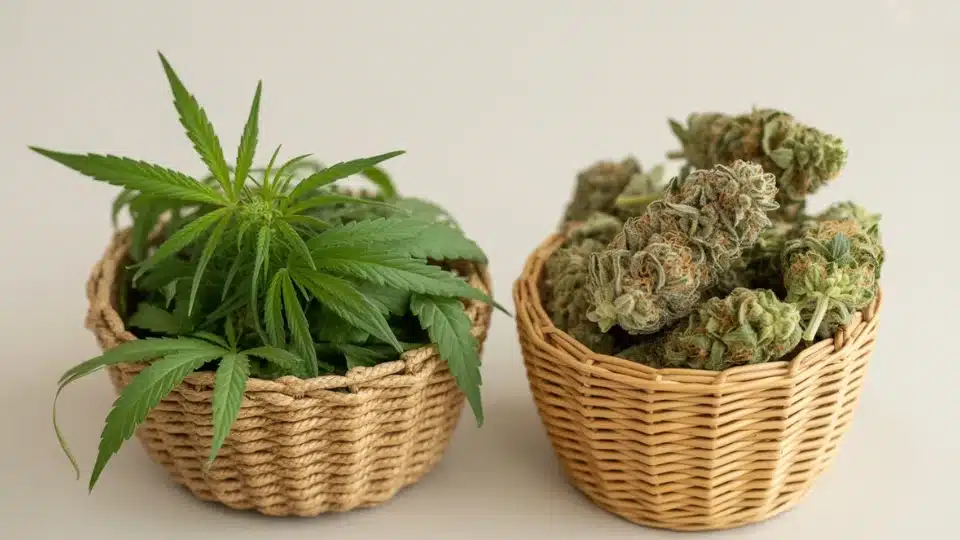
Hemp is a plant. THC is a molecule inside that plant. That distinction alone resolves most of the confusion. Here is what the science actually shows.
Concentration Analysis
The threshold separating hemp from high-THC cannabis was not drawn from biology. It was proposed by Canadian scientist Ernest Small in 1971 as a practical dividing line and was later adopted into US law. The gap it represents, however, is not subtle.
| Factors | Hemp | THC-dominant Cannabis |
|---|---|---|
| THC | 0.3% or below | 5% to 30% |
| CBD | High | Low |
| Psychoactive effect | None | Significant |
Cannabinoid Profile
CBD and THC interact with the body differently and, in some cases, counteract each other. Higher CBD ratios moderate some of THC’s more intense effects, including anxiety and cognitive impairment. The ratio on a label matters as much as the THC number alone.
| Cannabinoid | Hemp | THC-dominant Cannabis |
|---|---|---|
| CBD | Dominant | Minimal |
| THC | Trace | Dominant |
| CBG, CBN, Terpenes | Present | Present, often higher concentration |
How THC Behaves Regardless of Source
THC is the same molecule whether it comes from hemp or high-THC cannabis, same receptors, same mechanism, same way your body processes it.
The only variable is concentration, which determines the intensity of the effect. This is also why delta-8 cannot be dismissed as a non-issue simply because it came from a hemp plant.
It is a THC isomer, and your body treats it accordingly, regardless of source, extraction method, or how it was labeled on the shelf.
What Causes the Confusion
The hemp space has a terminology problem, and a lot of it is by design. Vague labels and buzzword marketing make products sound distinct when they’re often variations of the same thing.
- CBD: The non-psychoactive compound extracted from hemp, it won’t get you high, but it’s not a cure-all either, despite how it’s marketed.
- Full Spectrum: Contains all compounds from the hemp plant, including trace THC, legal, but can show up on a drug test.
- Broad Spectrum: Same as full spectrum, but with THC removed, still carries the entourage effect without the THC risk.
- CBD Isolate: Pure CBD, nothing else, no THC, no terpenes, no entourage effect.
- Delta-8 THC: Derived from hemp-extracted CBD through a chemical process, legally grey in many states, and it will get you high.
- Delta-9 THC: The primary psychoactive compound in cannabis, the standard “high” most people associate with marijuana.
The problem isn’t that these terms exist. It’s that products are sold using them interchangeably, without explanation, next to each other on the same shelf.
Hemp vs Marijuana: Key Differences at a Glance
Same species, same plant, just grown and used differently. Marijuana is where THC concentrates naturally; hemp is where it doesn’t.
| Factor | Hemp | Marijuana |
|---|---|---|
| Plant height | Up to 16 feet tall and thin | 3 to 6 feet, short and bushy |
| Bud density | Lighter, fewer trichomes | Dense, heavy trichome coating |
| THC presence | Trace, 0.3% or below | Dominant: 5% to 30% |
| Smell | Earthy, mildly herbal | Pungent, skunky, often fruity |
| Smell reliable for ID? | No, too similar at the bud level | No, too similar at the bud level |
| Drug test risk | Possible with full-spectrum products | Yes |
At the plant stage, structure gives you real clues. At the bud level, the only reliable confirmation is a lab test or Certificate of Analysis.
Legality Across Different States
Cannabis law in the US has never been simple, and right now it is changing faster than most product labels can keep up with.
Hemp was federally legalized under the 2018 Farm Bill, but a November 2025 law is actively rewriting that framework, shifting the legal definition to total THC rather than delta-9 alone, meaning many products on shelves today revert to Schedule I status by November 2026.
Marijuana remains federally illegal, though a December 2025 executive order has directed steps toward rescheduling cannabis to Schedule III, not finalized, but the most significant federal signal in decades.
Delta-8’s legal loophole closes entirely in November 2026. As the National Academies of Sciences flagged in their 2024 policy review, commercial cannabis markets have consistently expanded faster than the oversight meant to govern them. That gap is now being forcibly closed.
How to Understand Products in the Market
The market has expanded well beyond CBD oil. Knowing which composition matches your use case saves you from buying something that does nothing or does too much.
- Pain: THC-dominant or balanced CBD: THC ratio, topicals, oils, edibles. CBD alone shows limited pain relief evidence; THC performs slightly better but causes dizziness and sedation in some users.
- Sleep: Full-spectrum CBD with trace THC, often combined with CBN or melatonin. CBD isolate shows inconsistent sleep results; the THC trace is what makes the difference.
- Anxiety: CBD isolate or broad spectrum, minimal to no THC. Higher THC ratios are linked to increased anxiety in some users. A 20:1 CBD-to-THC ratio is a sensible starting point.
- Recreational: THC-dominant, flower, edibles, vapes. Edibles onset takes 30 to 90 minutes but lasts 4 to 8 hours. The most common mistake is redosing before the first dose peaks.
The label should tell you exactly what’s in it. If it doesn’t, that’s your first reason to put it back.
Common Myths Worth Clearing Up
This space has a misinformation problem, most of it coming from marketing. Here is what the evidence actually says.
| Myth | Fact |
|---|---|
| CBD is the same as THC | Same plant, entirely different molecules. CBD does not bind to CB1 receptors the way THC does and produces no psychoactive effect whatsoever. |
| More THC means better medicinal effect | Higher THC concentrations increase side effects (anxiety, dizziness, sedation) without proportionally improving therapeutic outcomes. |
| CBD has no side effects | Nausea, fatigue, and irritability are documented. CBD also interacts with blood thinners and other medications by competing for the same liver enzymes. |
| Delta-8 is completely safe | Its synthesis can leave behind harmful chemical residues if products are not third-party tested, common in unregulated markets. |
The most dangerous assumption in this space is that ‘natural’ automatically means ‘safe’. It does not, and the label is your first line of defence.
The Bottom Line
Understanding the hemp vs THC distinction is not just an academic exercise; it has real consequences for what you buy, how it affects you, and whether it is even legal where you are.
In this piece, I have tried to lay out the molecular differences, the product landscape, the legal shifts underway, and the myths that cloud most purchasing decisions.
The hemp vs marijuana line is regulatory, not biological, and that single fact reframes almost everything else in this space.
Knowing your cannabinoid profile, reading your label, and verifying third-party test results are not optional steps. They are the difference between an informed choice and an expensive mistake.
If this blog helped you, comment down below and share your experiences.