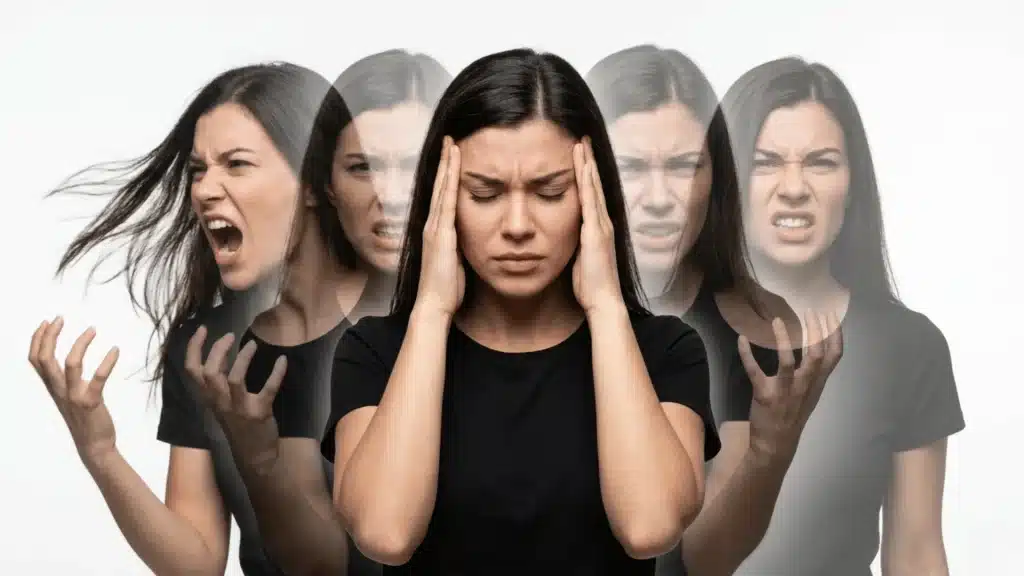
Stopping Effexor can be confusing and scary, especially when your body and mind start feeling “off.”
I know many people search for answers because they’re dealing with strange symptoms and don’t know if what they’re feeling is normal. This blog is here to help with that.
I’ll walk you through effexor withdrawal, and the most common symptoms, how long they may last, and why they happen.
Also talk about what withdrawal feels like for many people, what helps ease symptoms, and when it’s important to talk to a doctor. My goal is to give you clear, simple information so you feel more prepared.
What Is Effexor and Why Does Withdrawal Happen?
Effexor is the brand name for venlafaxine. Doctors often prescribe it for depression, anxiety, and panic symptoms.
It works by affecting two brain chemicals: serotonin and norepinephrine, which help control mood, energy, and stress response.
When you take Effexor every day, your brain gets used to that steady support. So if you lower the dose too fast or stop suddenly, your system can feel shocked because it has to adjust quickly.
That’s when effexor withdrawal can start. For many people, symptoms feel stronger than with some other antidepressants, partly because Effexor leaves the body fairly quickly.
The good news is that these symptoms are usually temporary, and a slower taper often makes the change easier.
Effexor Withdrawal Symptoms
If your body feels strange after lowering or stopping Effexor, you’re not alone. These are the first effexor withdrawal symptoms many people notice.
- Brain zaps and dizziness: Many people feel brain zaps, like tiny electric shocks in the head, along with dizziness and a wobbly, unsteady sense of balance.
- Stomach upset: Nausea, stomach cramps, low appetite, and sometimes vomiting can show up early, making meals harder and leaving you feeling drained.
- Anxiety and mood shifts: Anxiety can spike without warning, moods may swing quickly, and you might feel extra sensitive,emotional, or irritable over small things.
- Sleep changes: Sleep can get weird during withdrawal, including trouble falling asleep, waking often, restless nights, or vivid dreams that feel unusually intense.
- Flu-like feelings: Headaches, sweating, body aches, and flu-like tiredness are common and may come in waves rather than remain constant.
- Why it varies: Symptoms often start within one to two days, and severity depends on dose, how long you took Effexor, and how quickly you reduced it.
If your symptoms feel intense or keep getting worse, you don’t have to guess alone. A clinician can help you taper more safely.
Effexor Withdrawal Timeline
I know timelines matter when symptoms start. This breakdown shows what many people experience, step by step, so you feel less unsure.
| Time period | What many people notice (common experiences) |
|---|---|
| First 24–72 hours | Dizziness, nausea, anxiety spikes, sleep trouble, and feeling “off” can start fast, especially after stopping suddenly or tapering quickly. |
| First week | Symptoms may peak: mood swings, irritability, headaches, flu-like aches, sweating, vivid dreams, and trouble focusing or feeling steady. |
| Weeks 2–4 | Physical symptoms often ease, but emotional waves can continue, and anxiety, low mood, sensitivity, and tiredness may come and go unexpectedly. |
| One month and beyond | Many people feel much better, but mild symptoms can linger, especially after higher doses or long-term use of Effexor. |
| Why do some people take longer? | Longer withdrawal may happen with high doses, long use, fast tapering, medication sensitivity, or stopping without a taper plan. |
Everyone’s timeline is different, but knowing what’s common can help you prepare, stay patient, and decide when extra support from a doctor may help.
Can Effexor Withdrawal Be Dangerous?

It is not usually life-threatening, but it can still feel intense and, in some cases, risky.
Stopping “cold turkey” can raise the chance of strong symptoms like severe dizziness, vomiting, panic, and sleep loss. The biggest concern is mental health changes.
Some people feel sudden agitation, deep hopelessness, or suicidal thoughts, especially if they already struggle with depression or anxiety.
Get medical help right away if you feel unsafe, can’t keep fluids down, feel confused, or have thoughts of self-harm. If symptoms are getting worse quickly, don’t wait it out alone; reach out to a clinician or go to urgent care.
Mild vs Severe Effexor Withdrawal Symptoms
It’s hard to tell if what you’re feeling is normal or serious. This simple breakdown helps you understand where your symptoms may fall.
| Level | Common effexor withdrawal symptoms | What it usually means |
|---|---|---|
| Mild | Light dizziness, mild nausea, occasional brain zaps, mild headache, sleep feels “off.” | Uncomfortable, but many people can still get through the day. Symptoms often ease as your body adjusts. |
| Moderate | Frequent brain zaps, stronger dizziness, stomach upset, anxiety spikes, irritability, mood swings, poor focus | More disruptive. This often follows a fast dose drop and may improve with a slower taper. |
| Severe | Can’t keep food down, severe panic, no sleep for days, confusion, feeling unsafe, suicidal thoughts | Not something to push through alone. Medical support is important at this stage. |
If your symptoms worsen or don’t improve, getting help early can prevent unnecessary suffering and make it safer to manage.
How to Reduce Effexor Withdrawal Symptoms Safely
I know you want relief without making things worse. These practical steps can lower symptoms and help your body adjust more smoothly.
- Why tapering slowly matters: Reducing Effexor slowly gives your brain time to rebalance serotonin and norepinephrine, which can lessen brain zaps, dizziness, mood swings, and nausea.
- Doctor-guided dose reduction: A clinician can set a taper schedule based on your current dose and history, adjust it if symptoms spike, and watch for signs of relapse.
- Switching to extended-release forms: Some people do better on extended-release Effexor because the medicine leaves the body more steadily, which may reduce sudden swings in symptoms.
- Lifestyle tips that may help with symptoms: Hydrate, eat small meals, limit alcohol and caffeine, keep sleep routines simple, and move gently can make withdrawal feel less harsh.
- What not to do during withdrawal: Don’t stop cold turkey, don’t skip doses randomly, and don’t mix new supplements or meds without advice. These choices can worsen symptoms fast.
If symptoms feel scary or keep rising, reach out for help sooner rather than later. A slower taper and support can make recovery easier.
Bottom Line
Effexor withdrawal can feel overwhelming, but knowing what is happening inside your body helps you stay calmer and more prepared.
I’ve walked you through the symptoms, the timeline, and the reasons your system reacts this way after stopping the medication.
Your experience may not look exactly like someone else’s, and that is okay. Many people start to feel better over time with patience and the right support around them. You do not have to handle this alone or guess your way through it.
If your symptoms feel severe, last longer than expected, or start affecting daily life, talk with a doctor. Getting medical guidance can ease stress and help you move forward safely.
If this guide gave you clarity or comfort, share it with someone who may need it.