CBD is everywhere, and so is dangerous misinformation about how it interacts with the medications that millions of people take daily.
After spending years researching hemp compounds and cross-referencing clinical studies, I can tell you that CBD’s drug interaction profile is one of the most underestimated safety considerations in the wellness space right now.
Here is a cover of exactly which drugs should not be taken with CBD, how those interactions work at the enzyme level, which high-risk combinations require immediate medical attention, and what practical steps you can take to use CBD safely if you’re already on prescriptions.
If you’re managing chronic pain, anxiety, or a complex health condition, you’ll find clear, evidence-based answers here.
But a non-negotiable caveat before we go further: nothing written here replaces professional medical advice. Before starting, changing, or stopping any medication or supplement, including CBD, please consult your doctor or licensed healthcare provider first.
Understanding CBD and Its Effects
CBD, short for cannabidiol, is a natural compound found in the cannabis plant. Unlike THC, it does not make you feel “high.” CBD works by interacting with the body’s endocannabinoid system, a network of receptors that helps control mood, sleep, pain, and immune responses.
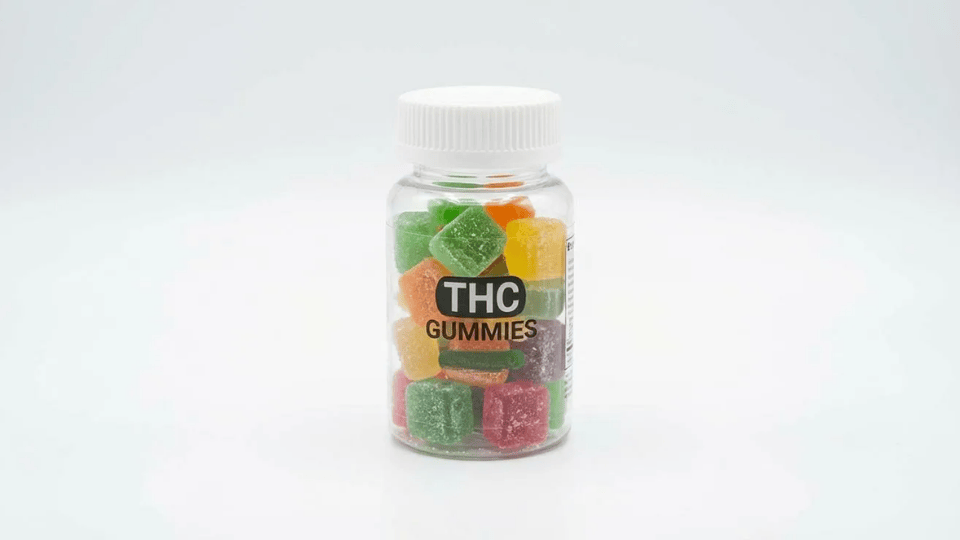
Many people use CBD to help with anxiety, chronic pain, inflammation, and even seizures. It comes in several forms, including oils, tinctures, capsules, gummies, and creams.
Oils and tinctures work fastest because they absorb quickly under the tongue. Capsules and gummies take longer but are easy to use. Typical doses range from 10mg to 50mg per day, though the right amount depends on the person and their health needs.
|
One important distinction worth noting: topical CBD products, creams, balms, and patches are generally considered lower-risk for drug interactions because only a small amount of CBD enters systemic circulation. That said, there is still limited research on how much topical CBD ultimately reaches the bloodstream, so the safest approach is to discuss all forms of CBD use with your doctor, including topicals. |
CBD + Medication High-Risk Combinations You Should Avoid
Here’s a summary of the most clinically significant drug categories that should not be combined with CBD without direct medical supervision. Detailed explanations follow below.
| Drug Category | Common Examples | Primary Risk |
|---|---|---|
| Blood Thinners | Warfarin, Coumadin | Excessive or internal bleeding |
| Immunosuppressants | Tacrolimus, Cyclosporine | Toxicity, organ damage |
| Anti-Seizure Medications | Clobazam, Phenytoin | Toxic drug accumulation, seizure destabilization |
| Antidepressants (SSRIs/SNRIs) | Fluoxetine, Sertraline, Venlafaxine | Serotonin syndrome |
| Antipsychotics | Olanzapine, Risperidone | Increased side effects, reduced efficacy |
| Benzodiazepines | Xanax, Valium, Ativan | Respiratory depression, extreme sedation |
| Blood Pressure Medications | Metoprolol, Lisinopril, Amlodipine | Dangerous blood pressure drop |
| Chemotherapy Drugs | Docetaxel, Etoposide | Toxic drug levels or reduced efficacy |
| Antacids & Acid Reducers | Omeprazole, Famotidine | Inconsistent medication absorption |
Why CBD Interacts with Medications?
When you take any medicine, your body needs to break it down so it can be used and removed. This job is mostly handled by a group of liver enzymes called the CYP450 system, specificallyCYP3A4 (which metabolizes roughly 60% of all prescribed medications) and CYP2D6.
These enzymes are inhibited by a process called competitive inhibition, in which CBD essentially competes for the same metabolic pathway, crowding out other drugs in the queue.
CBD can slow down or block some of these enzymes, which means certain medications may stay in your body longer than they should.
This can cause the drug to build up to unsafe levels, leading to stronger side effects or even serious harm. It can also work the other way, making some drugs less effective.
This is why it is very important to talk to a doctor before combining CBD with any prescription medication.
A Practical Self-Check: The Grapefruit Test
Here’s a quick way to identify whether your medication may interact with CBD before you even speak to a doctor: check your prescription label for a grapefruit warning.
Grapefruit affects the same CYP450 enzymes that CBD does. So if your pharmacist or label tells you to avoid grapefruit or grapefruit juice, that medication is very likely to interact with CBD too.
This isn’t a definitive rule; always confirm with your doctor, but it’s a useful first-pass screen, especially for people managing multiple prescriptions.
As a researcher who regularly reviews ingredient-interaction data, I’ve found this grapefruit heuristic to be one of the most underused consumer-safety tools in the CBD space.
What Drugs Should Not Be Taken With CBD
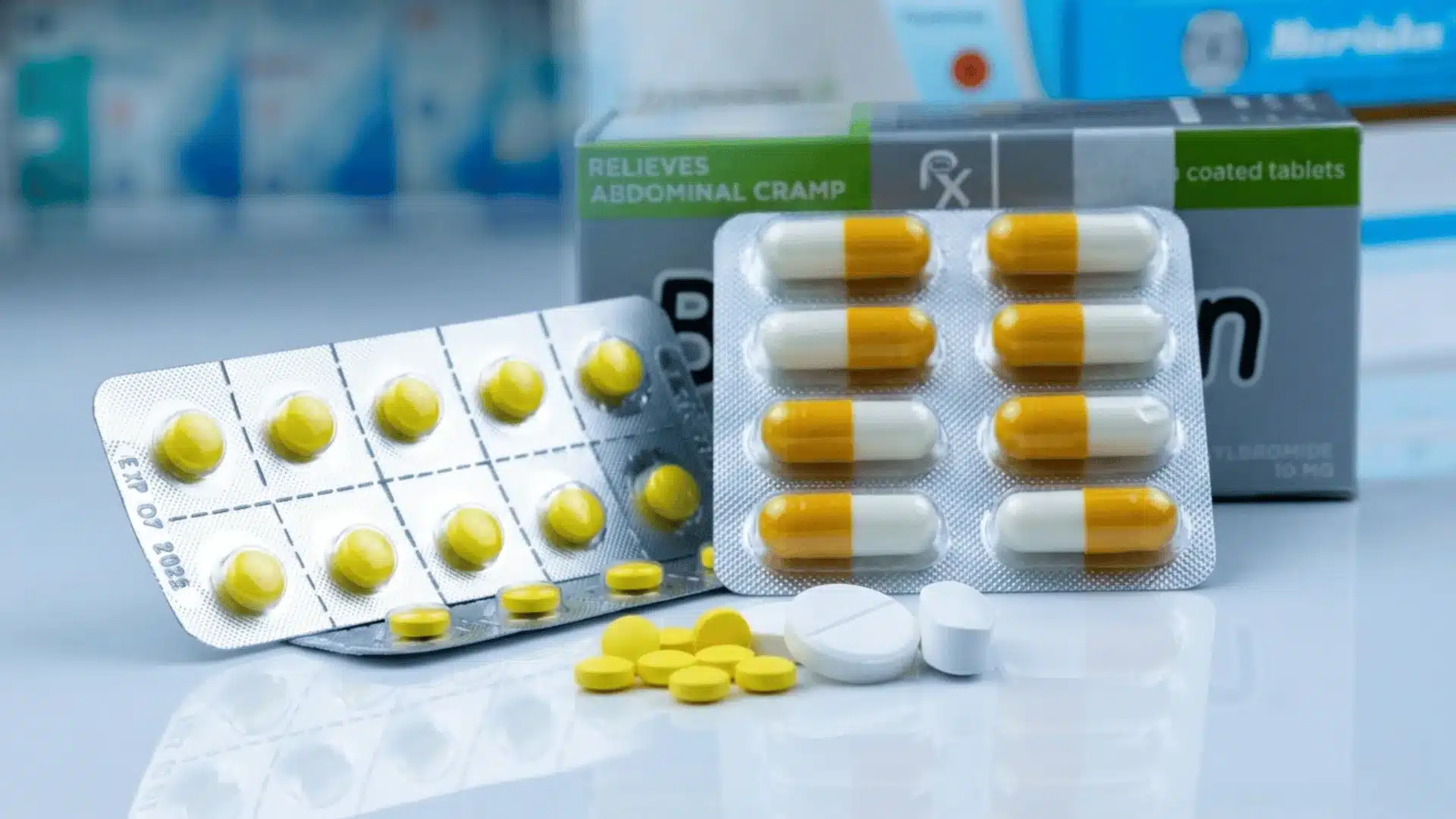
CBD interacts with medications through two distinct mechanisms, and understanding which one applies changes how urgently you need to act.
Metabolic interactions happen when CBD competes with your medication for the same liver enzymes (CYP3A4, CYP2D6). The drug builds up in your bloodstream, sometimes to toxic levels. These interactions develop over days.
Additive interactions happen when CBD and a drug produce the same effect, sedation, and blood pressure reduction, and stack them beyond what’s safe. These can happen within hours.
Both types are covered below, with severity ratings so you know exactly what level of caution each combination requires.
Severity Key
|
🔴 Blood Thinners (Warfarin, Coumadin)
Type: Metabolic (CYP2C9 inhibition)
CBD slows the breakdown of warfarin, leading to its accumulation in the blood.
Because warfarin already requires precise dosing, small deviations matter; even a modest increase in concentration can tip bleeding risk from managed to dangerous.
This effect builds gradually over several days, meaning you may not notice it until it’s serious.
Warning signs requiring immediate medical attention:
- Unexplained bruising or bleeding gums
- Dark or tarry stools (indicate internal bleeding)
- Prolonged bleeding from minor cuts
What to do: If you’re on warfarin, do not start CBD without telling your prescribing doctor first. INR monitoring will likely need to increase in frequency.
🔴 Immunosuppressants (Tacrolimus, Cyclosporine)
Type: Metabolic (CYP3A4 inhibition)
These drugs have one of the narrowest therapeutic windows in medicine; the gap between an effective dose and a toxic one is tiny.
CBD-driven enzyme inhibition can push levels into dangerous territory without any obvious early symptoms. For organ transplant patients, this isn’t a theoretical risk; it’s a direct threat to the transplanted organ.
Warning signs:
- Unusual fatigue or weakness
- Reduced urine output
- Recurrent infections
What to do: Never introduce CBD into an immunosuppressant regimen without specialist approval. Blood level monitoring is non-negotiable.
🔴 Anti-Seizure Medications (Clobazam, Phenytoin)
Type: Metabolic (CYP3A4/CYP2C19 inhibition)
CBD is itself used in epilepsy treatment (Epidiolex), but that doesn’t make it safe to layer onto existing anticonvulsants without supervision.
CBD is known to significantly raise clobazam levels, often requiring dose adjustment. Seizure control depends on stable drug concentrations; fluctuations in either direction can reduce protection or increase toxicity.
Warning signs:
- Increased drowsiness or sedation
- Change in seizure frequency or intensity
- Coordination problems
What to do: Neurologist involvement is essential. Blood level monitoring of your anticonvulsant is standard practice when CBD is introduced.
🟠 Antidepressants (SSRIs/SNRIs: Fluoxetine, Sertraline, Venlafaxine)
Type: Metabolic + neurotransmitter overlap
This interaction is less predictable than pure metabolic ones because CBD affects both enzyme activity and serotonin signaling. In most cases, the effect is mild, such as some sedation or mood shift.
In rare cases, when serotonin activity rises too high, it can trigger serotonin syndrome: a medical emergency marked by fever, rapid heart rate, agitation, and muscle rigidity. This requires immediate emergency care.
Warning signs:
- Restlessness, agitation, or confusion
- Rapid heartbeat or elevated temperature
- Muscle twitching or rigidity
What to do: If you experience more than two of the above symptoms together after combining CBD with an antidepressant, treat it as an emergency and seek care immediately.
🟠 Antipsychotics (Olanzapine, Risperidone)
Type: Metabolic (CYP3A4/CYP1A2 inhibition)
Antipsychotics require stable blood levels for effective symptom management. CBD can raise those levels, intensifying side effects, or, in some cases, reduce efficacy unpredictably.
Mental health conditions are particularly sensitive to small pharmacological shifts, which makes this combination require careful oversight rather than self-management.
Warning signs:
- Excessive sedation or low energy
- Difficulty concentrating
- Return of managed symptoms (mood swings, paranoia)
What to do: Discuss with your psychiatrist before adding CBD. Do not adjust your antipsychotic dose independently if you notice changes.
🟠 Benzodiazepines (Xanax, Valium, Ativan)
Type: Additive (CNS depression)
Unlike most entries on this list, the primary risk here is not metabolic; it’s additive. CBD and benzodiazepines both suppress the central nervous system.
Stack them, and the sedation can exceed what either would produce alone, affecting breathing, coordination, and response time.
This interaction can manifest within hours, not days, making it one of the faster-onset risks on this list.
Warning signs:
- Extreme drowsiness or difficulty staying awake
- Slurred speech
- Slowed or shallow breathing
What to do: If you’re on a benzodiazepine and use CBD, avoid activities requiring alertness (driving, operating machinery) until you understand how the combination affects you personally.
🟠 Blood Pressure Medications (Metoprolol, Lisinopril, Amlodipine)
Type: Additive + metabolic
CBD lowers blood pressure on its own. Combined with antihypertensive drugs, the drop can dangerously overshoot into hypotension or dangerously low blood pressure.
The risk is highest when standing up quickly (orthostatic hypotension), and is more pronounced in older adults and those with existing cardiovascular conditions.
Warning signs:
- Lightheadedness or dizziness when standing
- Blurred vision
- Fainting
What to do: Monitor your blood pressure more frequently when starting CBD. Report any dizziness episodes to your doctor; a dose adjustment of your antihypertensive may be needed.
🟠 Chemotherapy Drugs (Docetaxel, Etoposide)
Type: Metabolic (CYP3A4/CYP2C8 inhibition)
Chemotherapy is calibrated to deliver a precise toxic load enough to target cancer cells without overwhelming the body.
CBD’s interference with metabolic enzymes can push drug levels higher than intended, worsening side effects like nausea, fatigue, and immune suppression.
Less commonly, it may reduce drug exposure, compromising treatment efficacy. Either direction is a problem.
Warning signs:
- Worsening treatment side effects beyond your established baseline
- Unexpected fatigue or immune symptoms between cycles
What to do: Your oncologist must know before you introduce CBD. The stakes of chemotherapy dosing are too high for unmonitored variables.
🟡 Antacids and Acid Reducers (Omeprazole, Famotidine)
Type: Absorption interference
CBD affects gastric motility and stomach acid production, which can alter the consistency with which acid reducers are absorbed.
This doesn’t create a dangerous interaction; it creates an unreliable one. Your medication may work well some days and poorly on others, making symptoms harder to manage.
Warning signs:
- Reflux or heartburn returning despite medication
- Inconsistent symptom relief
What to do: Mention CBD use to your doctor if your acid reflux medication seems less effective than usual. Timing CBD separately from your antacid may help, but discuss this with your pharmacist.
When to Seek Emergency Care
Go to an emergency room or call emergency services if you experience any of the following after combining CBD with medication:
- Signs of serotonin syndrome (fever, rapid heart rate, muscle rigidity, agitation)
- Signs of internal bleeding (dark stools, coughing blood, severe abdominal pain)
- Difficulty breathing or extreme sedation
- Fainting or sustained very low blood pressure
Tips to Stay Safe While Using CBD with Other Drugs
Managing CBD alongside prescriptions requires more than good intentions; it demands consistent attention, honest communication with your doctor, and these key safety habits:
- Use the grapefruit test as a first screen. Check all your prescription labels for a grapefruit warning. If it’s there, that medication is a likely candidate for CBD interaction and needs a doctor’s review before you proceed.
- Schedule regular blood tests and checkups so your doctor can catch any early signs of drug interaction before they become serious.
- Keep a daily health journal tracking your symptoms, energy levels, and any unusual changes after taking CBD with your medications.
- Consider the timing of your CBD dose. Some pharmacists and CBD-literate physicians suggest spacing CBD at least a few hours apart from critical medications to reduce the window of enzyme competition, though this does not eliminate the risk and should be discussed with your doctor.
- Never adjust, skip, or stop any prescription medication on your own simply because you have started using CBD.
- Always inform every healthcare provider you visit, including dentists and specialists, that you are currently using CBD.
- Tell your pharmacist, not just your doctor. Clinical pharmacists are specifically trained in drug-drug and drug-supplement interactions. Many people don’t realize they can walk into a pharmacy and ask for an interaction review at no cost. In my experience tracking how people actually use CBD, this step is skipped more than almost any other.
Using CBD with other medications is entirely possible with the right habits in place: be proactive, stay consistent with your medical appointments, and always put informed professionals above personal assumptions.
Final Words
CBD has real medical value, but that value exists on a spectrum. At one end is Epidiolex, a regulated prescription drug with controlled dosing, clinical trials, and specialist oversight. At the other end is a 25mg gummy from a gas station with no verified concentration and no pharmacist in the loop.
Most people using CBD are somewhere in the middle: trying to manage a real health problem, using a product they believe is safe, without a full picture of what it might be doing to their other medications.
That gap between good intentions and complete information is where the interactions on this list do their damage.
The goal here isn’t to make CBD seem dangerous. It’s to make sure that if you’re on warfarin, or tacrolimus, or a benzodiazepine, you’re not the last person to know that your new supplement and your prescription are competing for the same enzyme pathway.
Talk to your pharmacist. Use the grapefruit test. Keep your doctors informed of all of them. That’s not overcaution. That’s just the minimum due diligence when you’re combining anything with a drug that has a narrow margin for error.