Have you heard about the gentle herb that’s been part of traditional remedies for centuries? Catnip benefits go far beyond making your cat roll around in joy.
This simple plant from the mint family has interesting effects on human bodies, too. You might be surprised to learn how differently it works for people compared to cats. The herb contains special compounds that interact with your nervous system in unique ways.
I want to show you everything about this versatile plant and its many uses. You’ll learn how to prepare it, what forms it comes in, and important safety information. I promise you’ll understand why this minty herb has earned its place in herbal traditions.
What Catnip is and How it Works
Catnip comes from a plant in the mint family called Nepeta cataria. It grows wild in many parts of the world.
The plant contains special oils that create its effects. The main compound is called nepetalactone. This chemical triggers reactions in the brain.
Cats go wild for catnip because it activates certain receptors in their noses. These receptors connect to pleasure centers in their brains.
Humans don’t have the same receptors as cats. That’s why you experience catnip differently. You don’t get the playful, euphoric response that cats do.
For people, catnip works more like a mild sedative. It can help with relaxation and sleep instead of creating excitement.
What Catnip is Used For: Human Uses
Catnip has been used by humans for centuries as a gentle herbal remedy. I’ll show you the most common ways people use this herb today:
- Brewing it as a herbal tea: People steep dried catnip leaves in hot water to make a mild, minty beverage.
- Creating topical ointments and salves: The herb can be infused into oils or creams for external application.
- Making tinctures and extracts: Some users prepare concentrated liquid forms by soaking catnip in alcohol or glycerin.
- Using it in aromatherapy mixtures: Dried catnip can be added to sachets or pillows to infuse them with its herbal scent.
These applications make catnip a versatile addition to natural wellness routines. Let’s learn each use in more detail below.
What is Catnip Used For: Learn Catnip Tea Benefits

Catnip tea offers a range of gentle benefits for both your body and mind. Here’s how this herbal tea can support your overall well-being:
1. Helps You Feel Calm After a Long Day
Catnip tea has gentle, relaxing properties that help your body settle down. When you’ve had a stressful day, a warm cup can ease your tension. The herb works on your nervous system to promote a calmer state.
Many people find it helpful when they feel anxious or overwhelmed. It’s a simple way to unwind naturally, with minimal side effects.
2. Supports Better Sleep at Night
Many people drink catnip tea before bed because it helps the body slow down. The herb has mild sedative effects that encourage drowsiness. It may reduce restlessness and racing thoughts that keep you awake.
A cup about 30 minutes before bedtime works well for most people. This makes falling asleep easier and more natural.
3. Soothes Mild Digestive Upset
Catnip tea can ease gas, cramps, and general stomach discomfort you might experience. The warm liquid helps relax your digestive muscles, providing quick relief.
It’s especially useful after eating a heavy meal or during minor stomach troubles. The herb has been used for digestive issues for many generations. You can sip it slowly for the best results.
4. Eases Tension Headaches
The calming effect of catnip helps loosen tight muscles in your head and neck. This relaxation may ease mild tension headaches and the pressure that comes with them. The tea works gently without making you feel overly drowsy during the day.
Many people prefer this natural option over reaching for pain relievers immediately. It’s worth trying when you feel that familiar tightness building.
5. Reduces Menstrual Discomfort
Catnip tea has natural muscle-relaxing properties that can help during your menstrual cycle. It may ease cramping and help your body feel more settled and comfortable.
The warmth of the tea itself also provides soothing relief to your abdomen. Some women drink it regularly during their period for ongoing comfort. It’s a gentle option for managing monthly discomfort.
6. Supports Your Immune System
Catnip contains antioxidants that help your body handle everyday stress and environmental challenges. These plant compounds may support immune health over time with regular consumption.
The tea won’t cure illness, but it adds beneficial nutrients to your diet. Drinking it as part of a healthy routine can contribute to overall wellness. It’s one small step toward taking care of yourself.
7. Helps With Mild Cold Symptoms
Catnip tea may open your sinuses and help you breathe more easily when you feel stuffy. The warm steam from the cup helps loosen congestion in your nose and chest.
The herbs can also soothe your throat when it feels scratchy or irritated. It’s comforting to sip when you’re under the weather but not seriously ill. Many people keep it on hand during the cold season.
8. Aids Mild Inflammation in the Body
Some compounds in catnip have natural soothing effects on your body’s inflammatory responses. They may help ease mild inflammation linked with day-to-day soreness or minor aches.
The tea won’t replace medical treatment for serious conditions, but it helps with discomfort. Regular drinkers sometimes notice they feel less stiff after physical activity. It’s a gentle way to support your body’s natural healing.
9. Encourages Relaxed Muscles
Catnip tea can help loosen your muscles when you feel tight or overworked. This gentle, relaxing effect supports comfort and makes movement easier throughout your day.
Athletes and active people sometimes use it after workouts to support recovery. The warmth and herbs work together to naturally ease muscle tension. You’ll likely feel more comfortable within 20 to 30 minutes.
How to Make Catnip Tea at Home
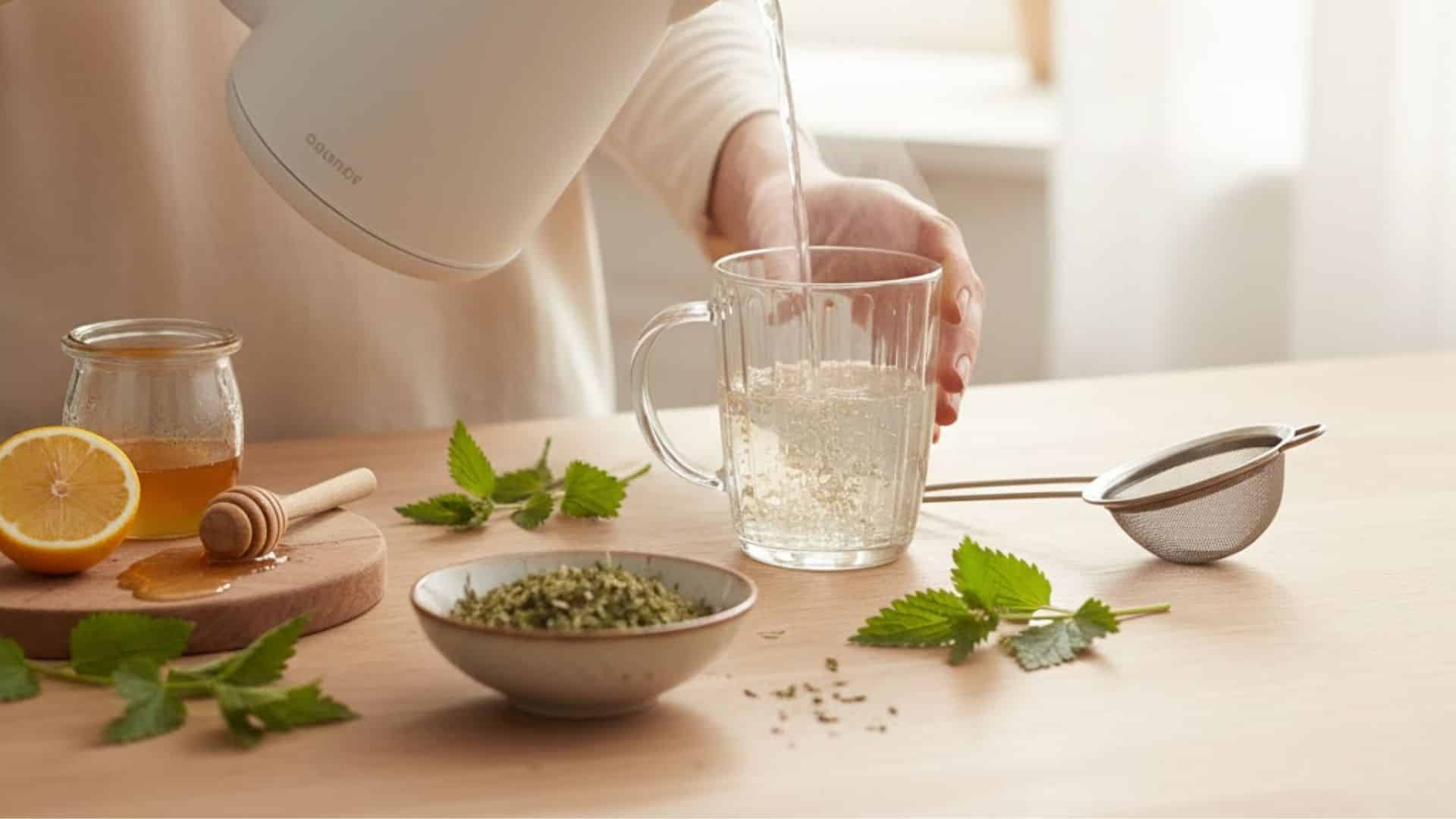
Brewing your own catnip tea is quick and easy with just a few simple ingredients. I’ll walk you through what you need and how to prepare it perfectly:
What You Need
Making catnip tea at home is simple and requires just a few basic ingredients. Here’s everything you’ll need to get started:
| Ingredient | Quantity |
|---|---|
| Dried catnip leaves (or fresh) | 1-2 teaspoons (2-3 teaspoons if fresh) |
| Water | 8 ounces (1 cup) |
| Honey (optional) | To taste |
| Lemon (optional) | 1 slice or 1 teaspoon juice |
| Chamomile (optional) | 1/2 teaspoon |
These simple ingredients come together quickly for a soothing homemade tea. You likely have most of these items in your kitchen already.
Catnip Tea Recipe: Step-by-Step Brewing Guide
Brewing catnip tea is straightforward once you know the basic process. Follow these simple steps to make a perfect cup every time:
- Step 1: Boil your water in a kettle or pot until it reaches a full boil. Remove it from the heat and let it cool for about 30 seconds before pouring.
- Step 2: Place 1 to 2 teaspoons of dried catnip leaves into your cup or teapot. If you’re using fresh leaves, use about 2 to 3 teaspoons instead for a similar strength.
- Step 3: Pour the hot water over the catnip leaves and cover your cup with a lid. This traps the steam and helps extract more beneficial compounds from the leaves.
- Step 4: Let the tea steep for 10 to 15 minutes, depending on your taste preference. Longer steeping creates a stronger, more bitter flavor, while a shorter time keeps it mild.
- Step 5: Strain out the leaves using a tea strainer or simply pour carefully into another cup. Add honey, lemon, or other ingredients if you like, then sip while it’s still warm.
Your homemade catnip tea is now ready to enjoy at your preferred temperature. Store any leftover dried catnip in an airtight container for future use.
CONSUMPTION NOTE: Most people can safely drink 1 to 3 cups of catnip tea daily. It’s best consumed in the evening for relaxation or before bed for sleep support.
Potential Side Effects of Catnip Tea
Catnip tea is generally safe for most people, but it can cause some mild side effects. Here are the potential reactions you should be aware of:
- Drowsiness and sleepiness: The tea’s calming effects can make you feel very tired or less alert than usual.
- Upset stomach or nausea: Some people experience digestive discomfort, queasiness, or mild stomach pain after drinking catnip tea.
- Headaches: A small number of people report mild headaches after consuming catnip tea, though this is uncommon.
- Vomiting: In rare cases, drinking too much catnip tea can cause you to feel sick enough to vomit.
- Urinary issues: Some people notice they need to urinate more frequently after drinking catnip tea due to its diuretic properties.
These side effects are typically mild and go away on their own without treatment. If you experience severe reactions, stop drinking the tea and talk to your doctor right away.
Note: Pregnant and breastfeeding women should avoid catnip tea as it may affect the uterus. Children under 12 should not drink it without consulting a pediatrician first.
Final Thoughts
Now you understand what catnip is and how people have used it throughout history. You’ve learned about the plant’s origins, its active compounds, and various preparation methods.
I’ve covered everything from brewing techniques to potential side effects you should know about. Remember to follow the recommended amounts and check with your doctor if you have concerns.
Most people can enjoy this herb safely when they use it responsibly and stay informed. Just keep in mind the important precautions for pregnant women and young children.
I hope you feel confident exploring the benefits of catnip for yourself with your first brew. Share your questions or experiences in the comments below!